

Heat Transfer Online Courses
Here's every CFD online course related to Heat Transfer category.
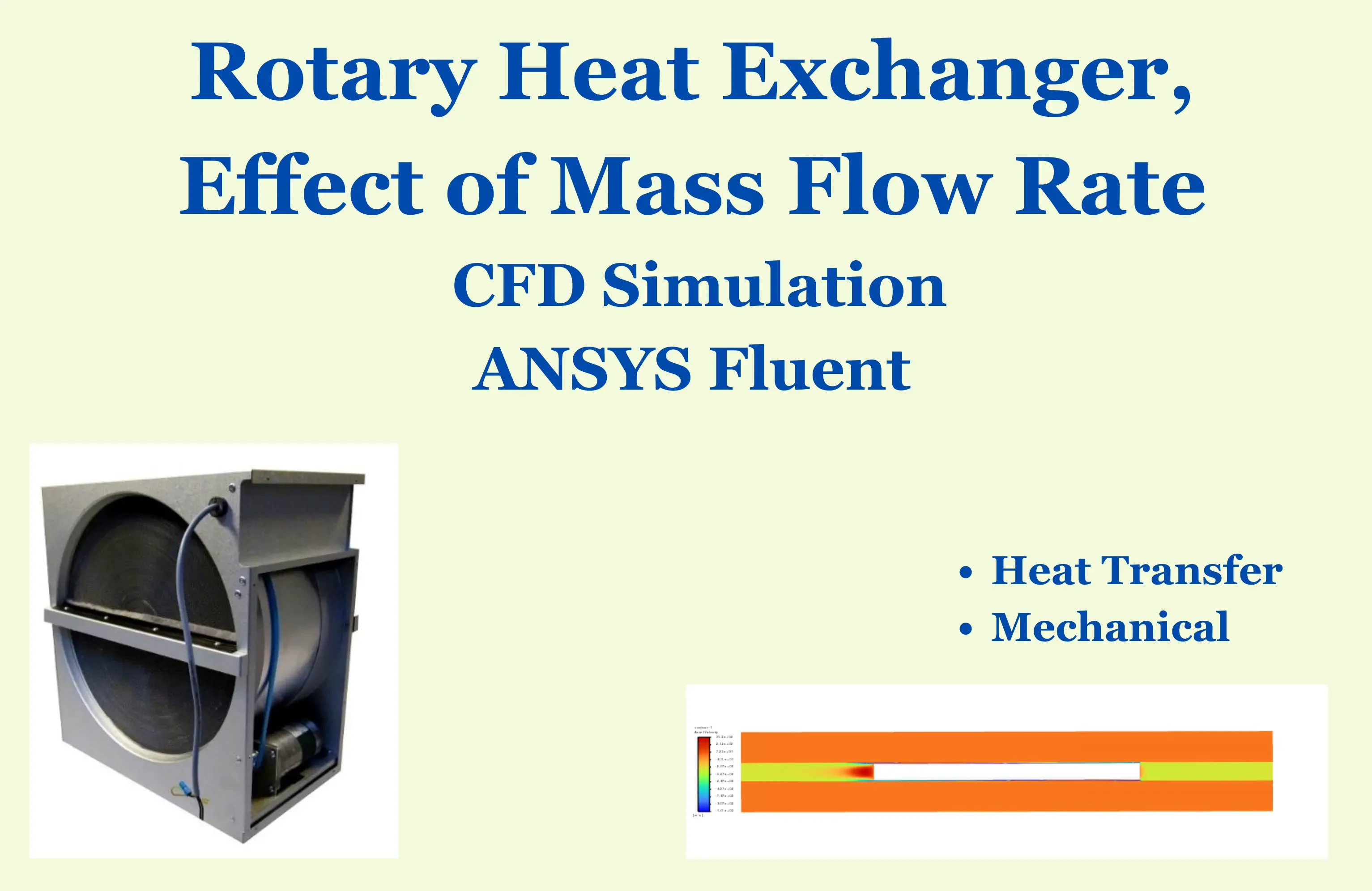
Rotary Heat Exchanger, Effect of Mass Flow Rate CFD Simulation
Beginner, Intermediate
Price: $12
The problem numerically simulates a Rotary Heat Exchanger, Effect of Mass Flow Rate on heat transfer coefficient in ANSYS Fluent software. The 2D geometry of the model is created in Design Modeler software. The model is meshed in ANSYS Meshing creating 86,598 elements. The Standard k-epsilon model is used to describe turbulency of the flow.
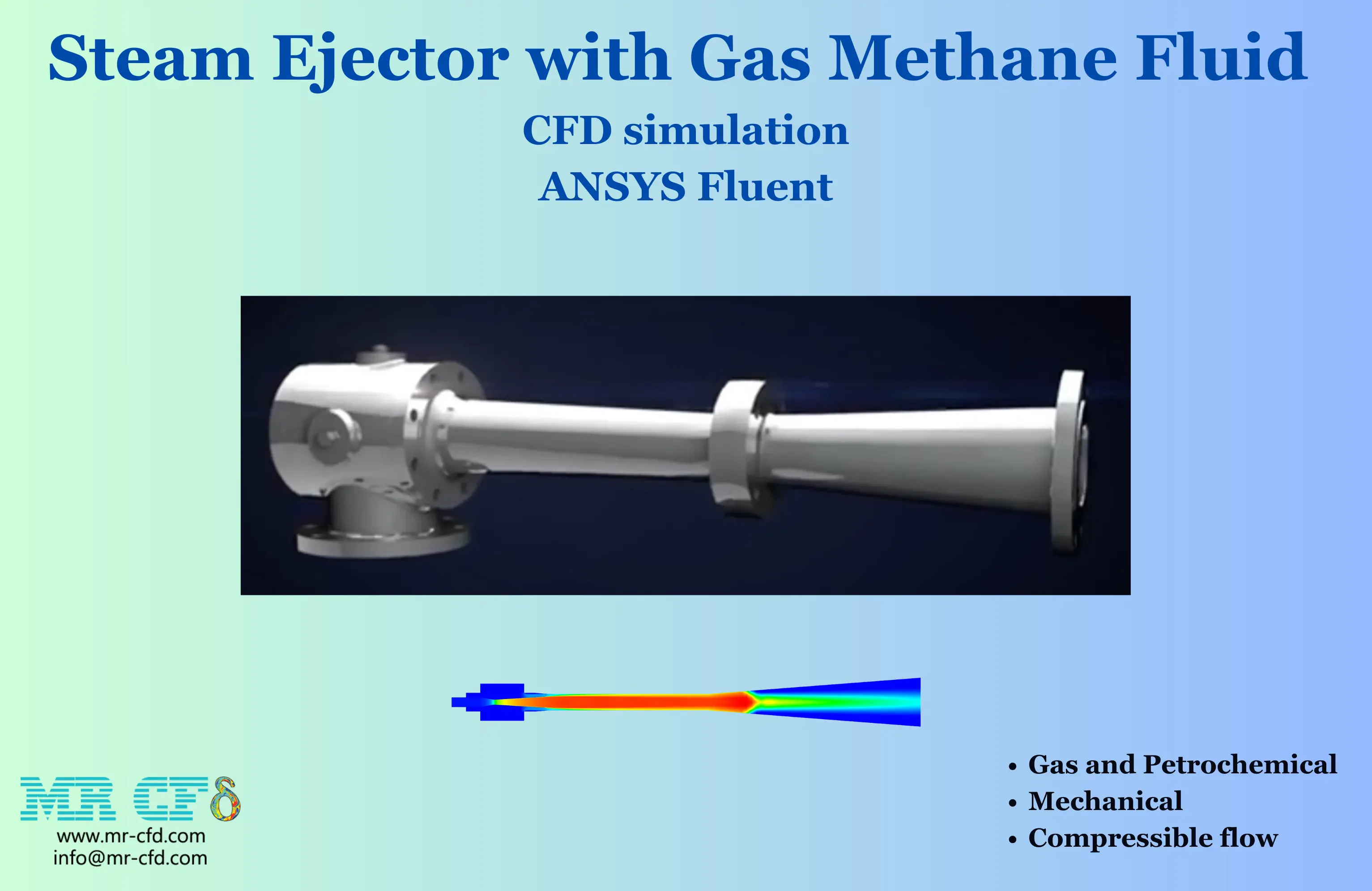
Steam Ejector with Gas Methane Fluid CFD simulation, ANSYS Fluent
Intermediate, Advanced
Price: $12
The problem numerically simulates a Steam Ejector with Gas Methane Fluid in ANSYS Fluent software. The 2D geometry of the model is created in Design Modeler software. The model is meshed in ANSYS Meshing creating 11,132 elements. We simulate the problem via Density-based solver to define Compressible flow.
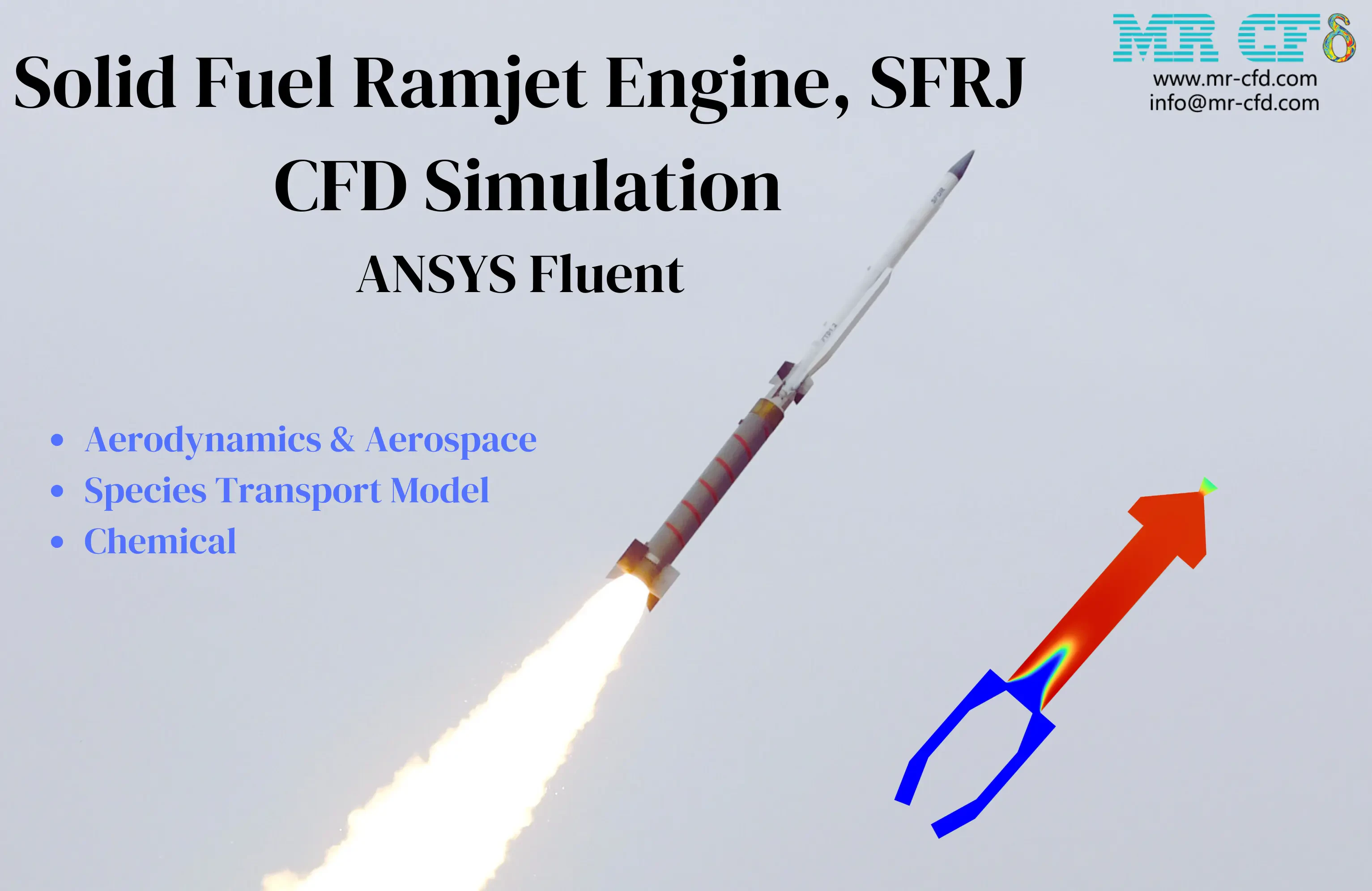
Solid Fuel Ramjet Engine, SFRJ, CFD Simulation, ANSYS Fluent
Intermediate, Advanced
Price: $80
In this project, a solid fuel ramjet (SFRJ) engine has been numerically simulated by ANSYS Fluent software. We design the 2-D model by the Design Modeler software. We Mesh the model with ANSYS Meshing software. The mesh type is Structured, and the element number equals 35,224. We use the Species Transport model to define the combustion process.

Thermoacoustic Analysis in Combustion Chamber CFD Simulation, ANSYS Fluent
Intermediate, Advanced
Price: $60
In this project, we have simulated the Thermoacoustics Analysis in Combustion Chamber using ANSYS Fluent software. Three-dimensional modeling was done using SpaceClaim software. The meshing of the model has been done using ANSYS Meshing software. The Non-Adiabatic Non-Premixed Combustion model models the combustion. The acoustic is modeled via the Broadband Noise Source model.
Price: $20
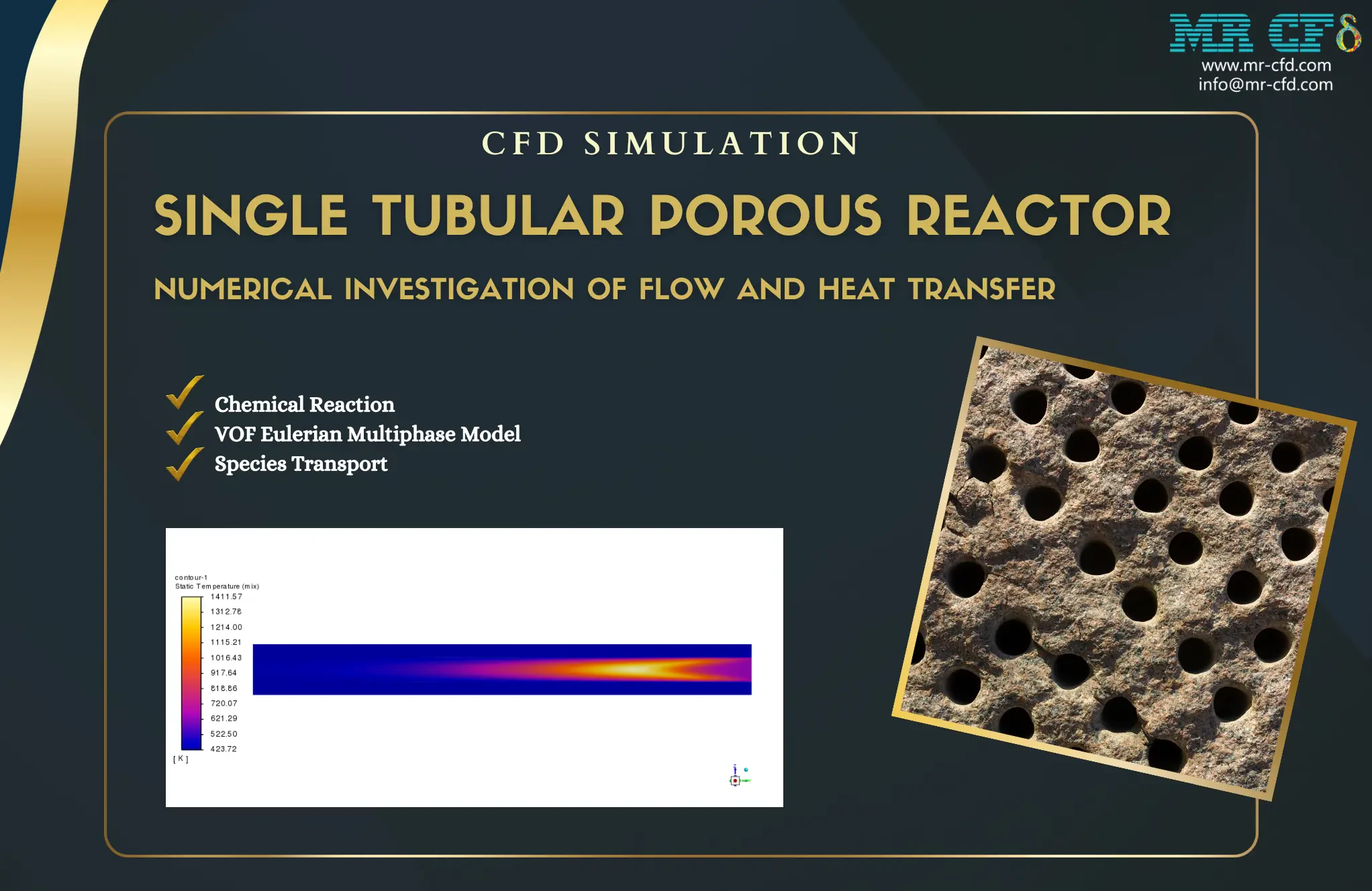
In this project, we have simulated the performance of a Porous Media Reactor Tube with the presence of catalyst using ANSYS Fluent software. Three-dimensional modeling was done using Design Modeler software. The meshing of the model has been done using ANSYS Meshing software and the element number equals 4,255,042 . To simulate the behavior of molten salt and reactor inlet flow, the multiphase VOF Eulerian model is utilized. The porous media model is employed to impact the flow inside the reactor. For the reactions, the species transport model with two reactions is used.
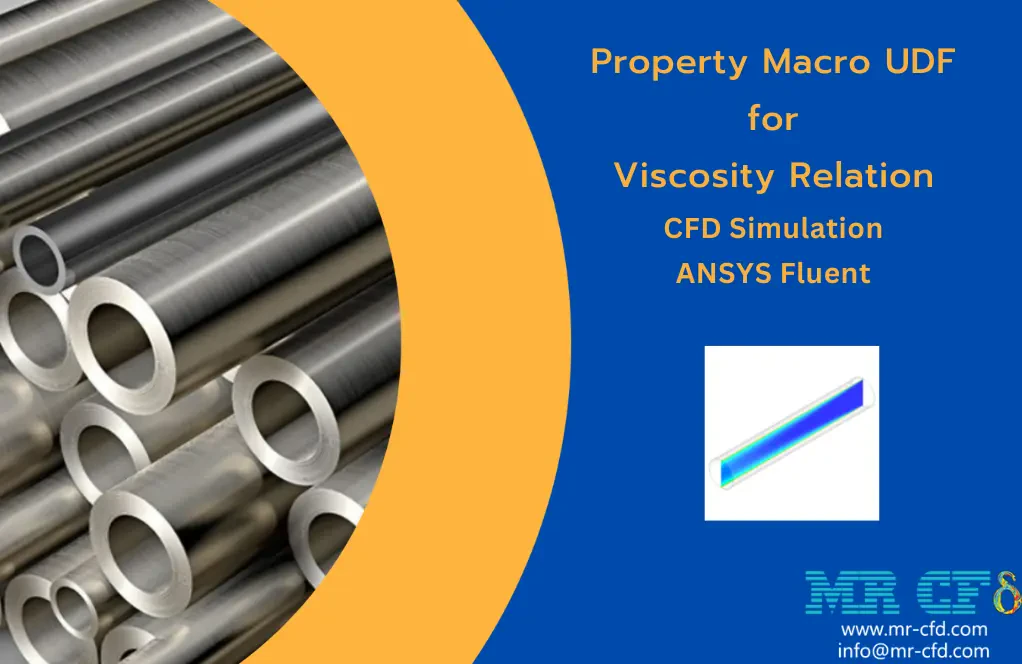
Property Macro, UDF, Viscosity Relation CFD Simulation
Intermediate, Advanced
Price: $24
The problem numerically simulates the water viscosity exchange based on temperature using ANSYS Fluent software. We design the 3-D model with the Design Modeler software. We mesh the model with ANSYS Meshing software. The mesh is Structured, and the element number equals 133,400. We use the User-Defined Function (UDF) to define a viscosity relation. We use the Property Macro for UDF.
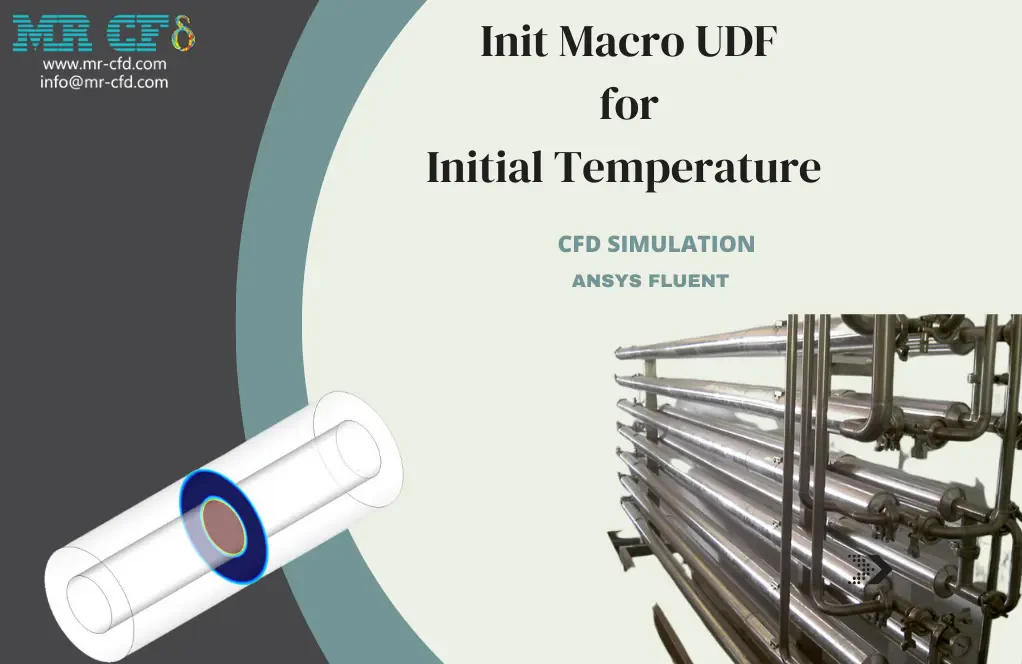
Init Macro, UDF, Initial Temperature CFD Simulation
Intermediate, Advanced
Price: $180
The problem numerically simulates the double-pipe heat exchanger using ANSYS Fluent software. We design the 3-D model with the Design Modeler software. We mesh the model with ANSYS Meshing software. The mesh is Structured, and the element number equals 147,200. We use the User-Defined Function (UDF) to define an initial temperature. We use the INIT Macro for UDF.
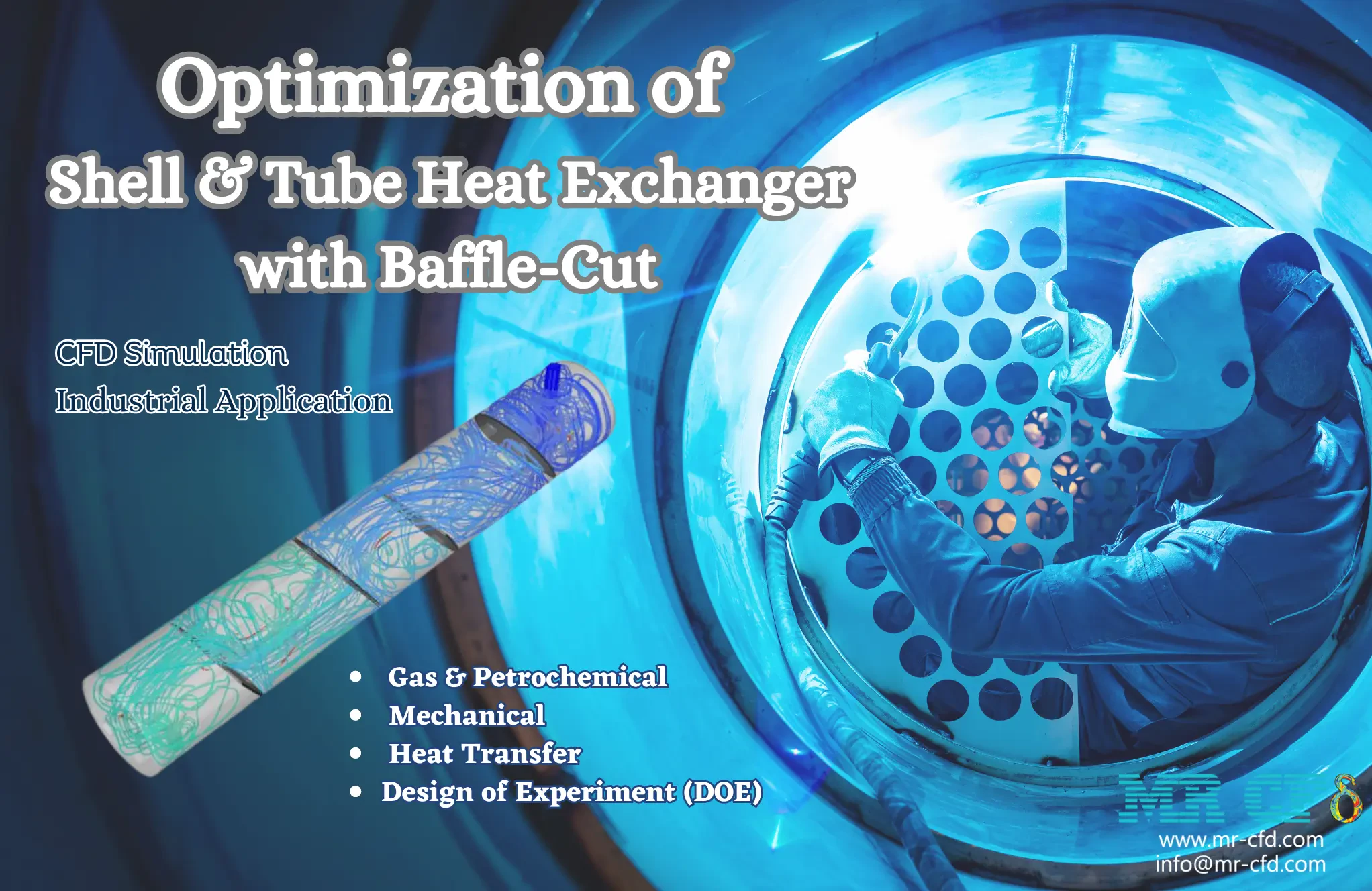
Optimization of Shell & Tube Heat Exchanger with Baffle-Cut, Industrial CFD Simulation
Beginner, Intermediate
Price: $180
In this project, an industrial CFD simulation of the Optimization of Shell & Tube Heat Exchanger with Baffle-Cut has been carried out, and the simulation results have been investigated.
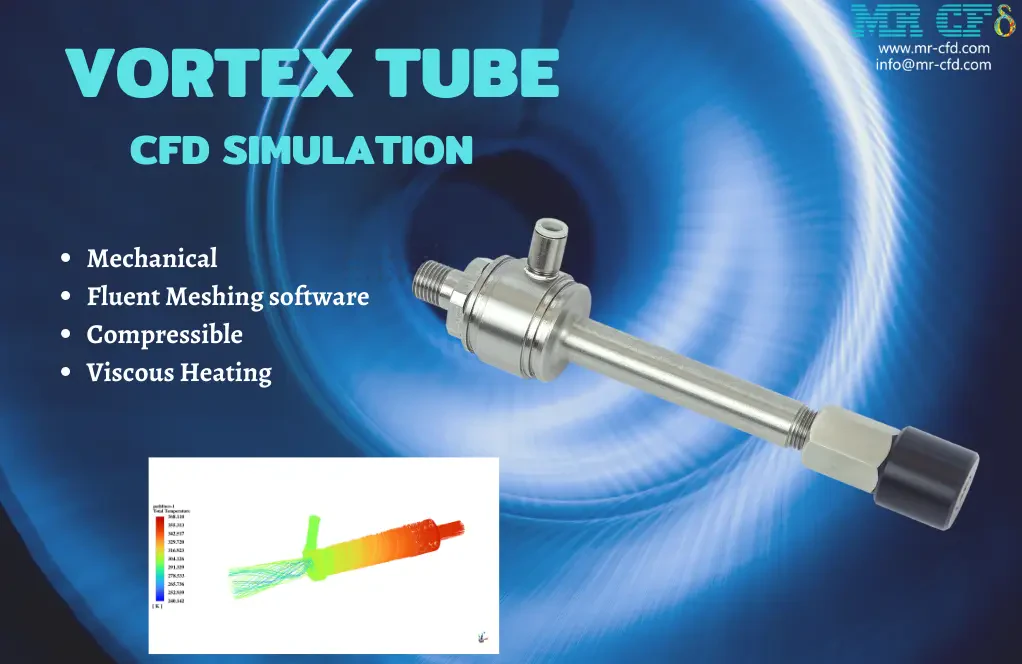
Vortex Tube CFD Simulation, ANSYS Fluent Training
Intermediate
Price: $30
This project numerically simulates the Vortex Tube using ANSYS Fluent software. The 3-D geometry is designed in Space Claim software. We used Fluent Meshing Software to generate mesh; the element number equals 497,635. Turbulent flow is modeled with the Spalart Almaras model. The solver is Density-Based and the Sutherland model is used for viscosity.