

CFD Advanced Courses
Here's every CFD online course in the Advanced level.
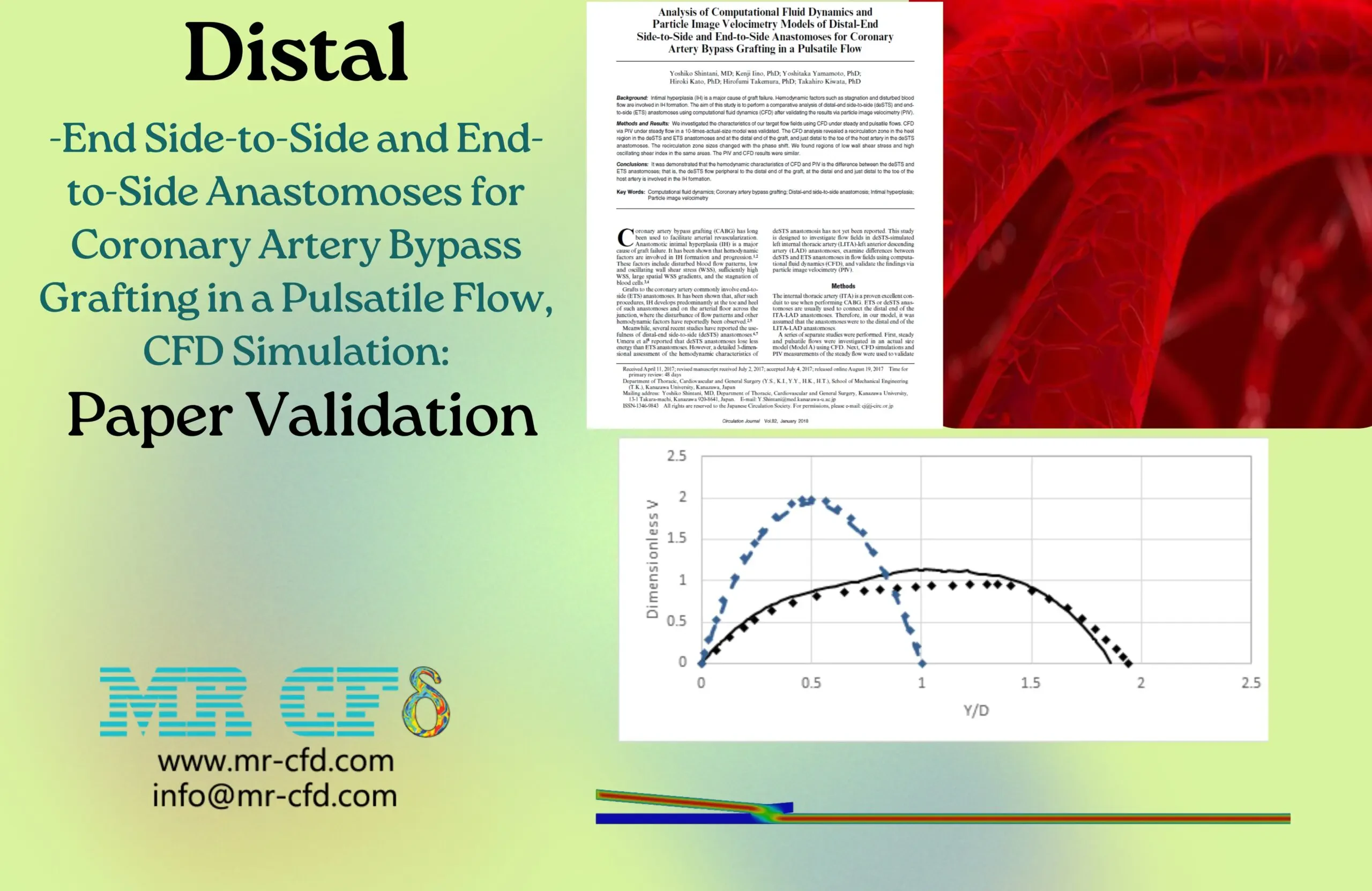
Distal-End Side-to-Side and End-to-Side Anastomoses for Coronary Artery Bypass Grafting in a Pulsatile Flow: Paper Validation
Intermediate, Advanced
Price: $36
This project presents a CFD study based on the article “Analysis of Computational Fluid Dynamics and Particle Image Velocimetry Models of Distal-End Side-to-Side and End-to-Side Anastomoses for Coronary Artery Bypass Grafting in a Pulsatile Flow.” The objective is to reproduce and validate the hemodynamic behavior of distal-end side-to-side (deSTS) and end-to-side (ETS) anastomoses. All simulations were carried out in ANSYS Fluent using steady, laminar, and incompressible flow assumptions. The results include comparisons of velocity profiles and wall shear stress (WSS) to ensure accuracy with the reference study.

Optimization, DOE: CFD Simulation Masterclass
Beginner, Intermediate, Advanced
Price: $299
Master optimization process with our “Optimization (DOE and RSM): All Levels” CFD course using ANSYS Fluent. From basics to advanced, learn to perform Optimization procedures with different types of Design of Experiments (DOEs) and various Response Surface methodologies (RSMs). This course equips you with the essential skills to optimize all construction designs in all engineering fields using CFD. Ideal for beginners and experts alike, enhance your capabilities in design optimization for cutting-edge research and industrial applications.
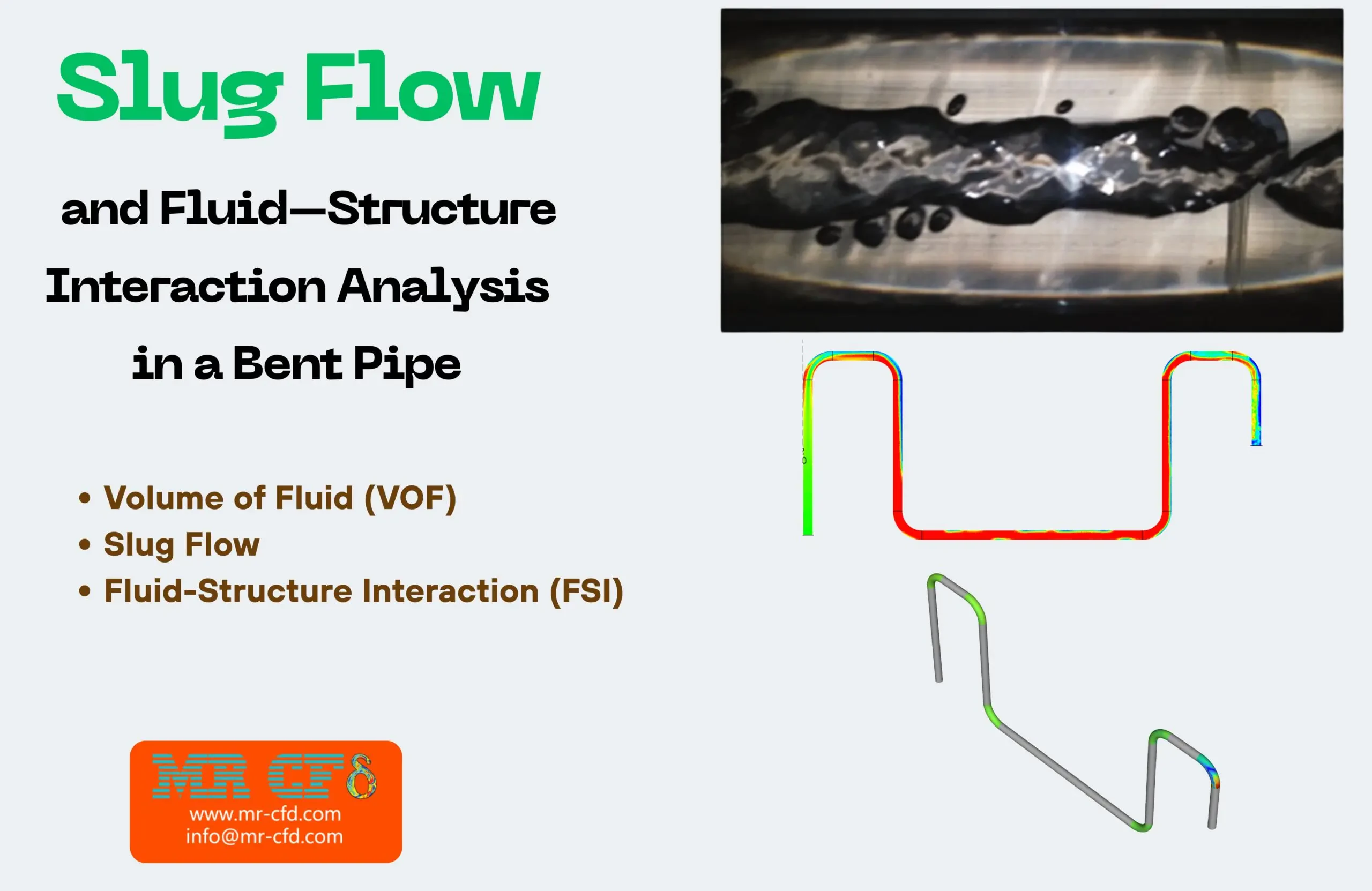
Slug Flow CFD Simulation and Fluid–Structure Interaction Analysis in a Bent Pipe
Intermediate, Advanced
Price: $210
This project simulates slug flow of gas–liquid mixture in a bent pipe using ANSYS. The VOF multiphase model is applied to capture slug formation, phase separation, and velocity distribution. Results show strong gas redistribution and velocity rise up to 48 m/s in pipe bends. The structural response is negligible, with displacements around 10⁻¹⁴ m near curved sections.
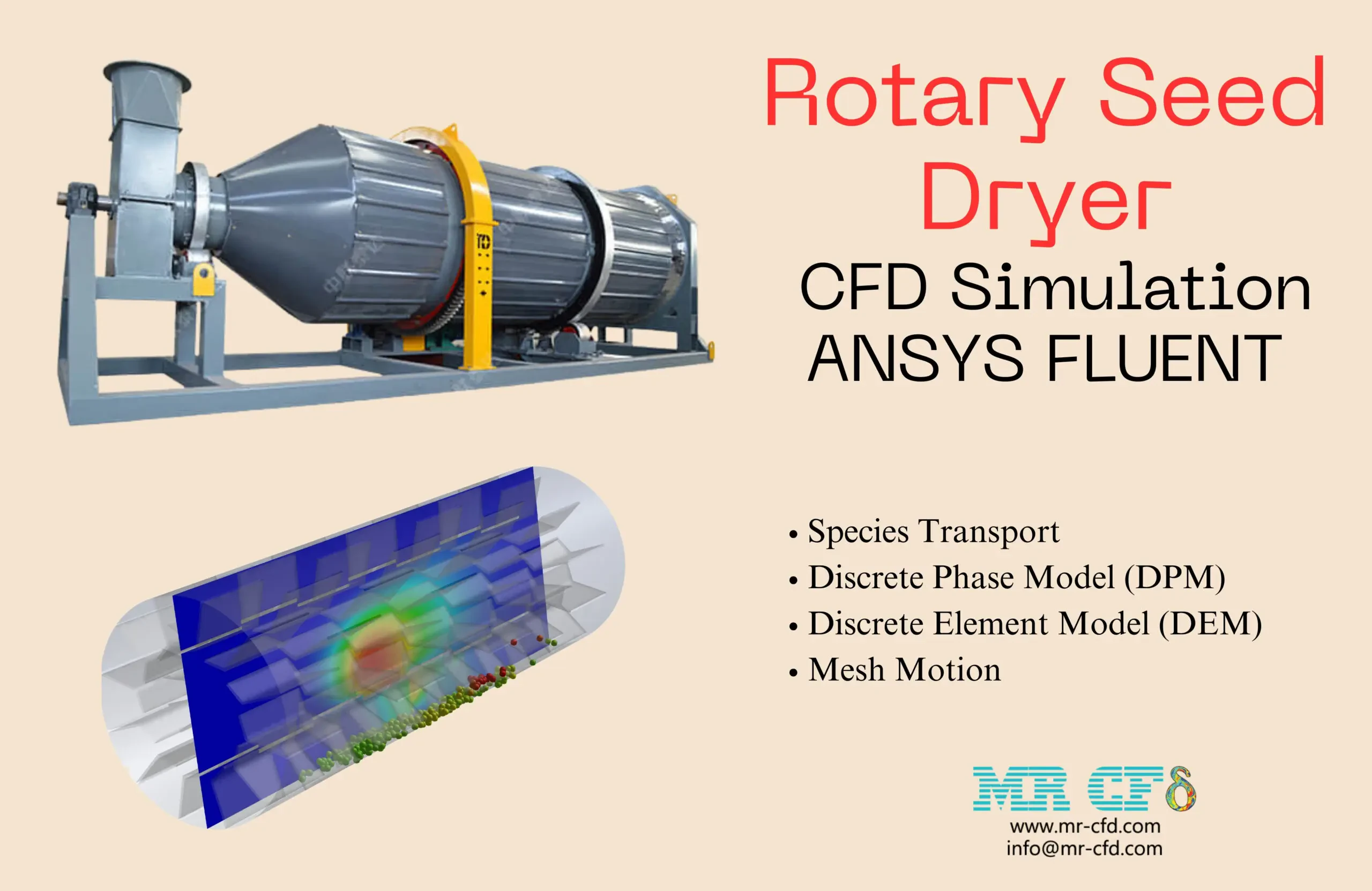
Rotary Seed Dryer CFD Simulation, Using DPM and Moving Mesh, by ANSYS FLUENT
Intermediate, Advanced
Price: $220
This work presents a CFD–DEM simulation of a rotary seed dryer. Hot air flows through the inclined drum at 350 K while the drum rotates at 20 RPM. Seeds are modeled with the Discrete Phase Model (DPM) coupled with evaporation into H₂O vapor. The Discrete Element Method (DEM) accounts for particle–particle and particle–wall collisions, improving realism of seed motion. Contours of H₂O mass fraction reveal zones of strong evaporation, reaching values up to 0.0026. The combined CFD–DPM–DEM approach shows how airflow, fin mixing, and collisions enhance drying efficiency.
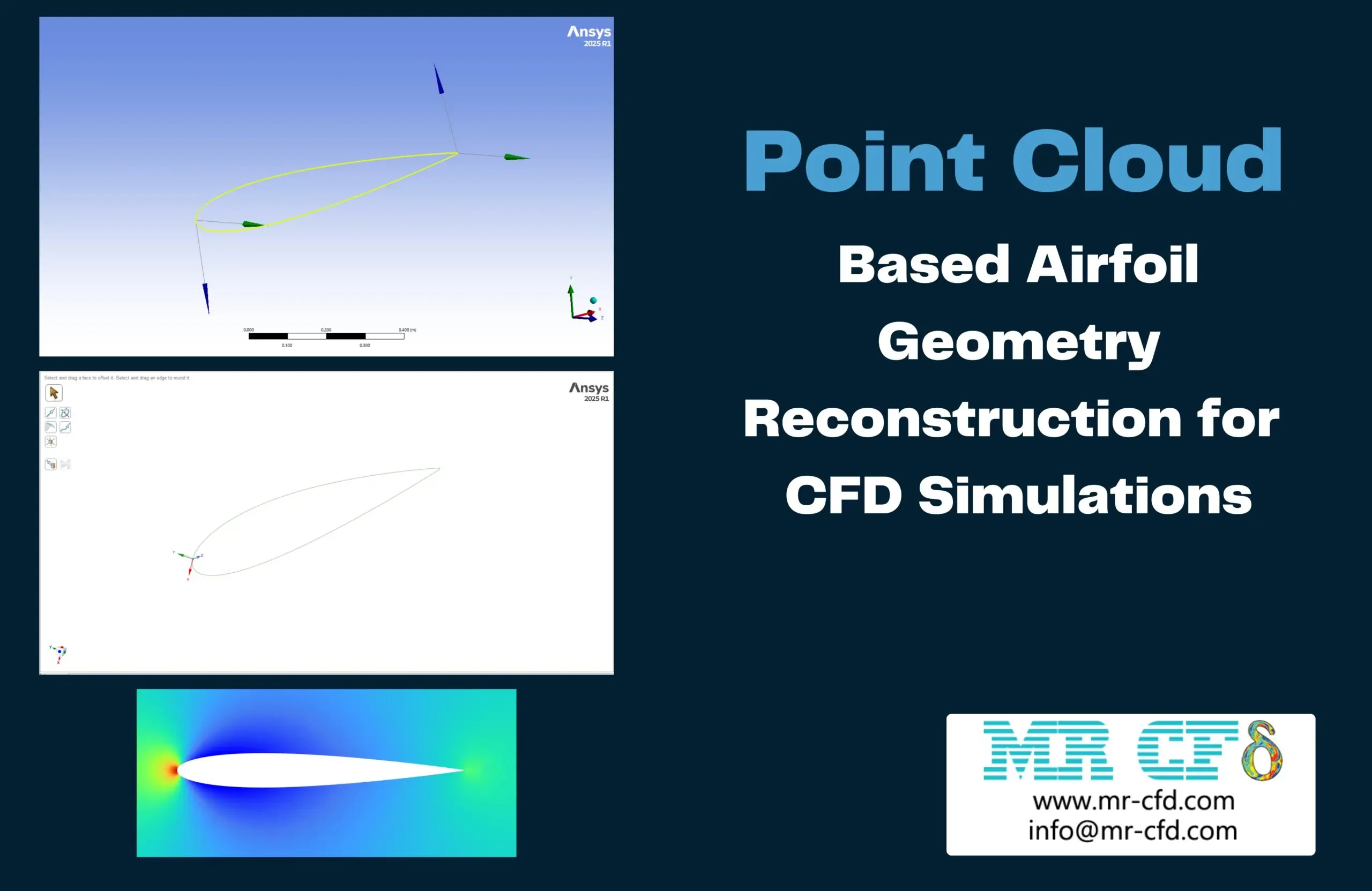
Point Cloud Based Airfoil Geometry Reconstruction for CFD Simulations
Beginner, Intermediate, Advanced
Price: Free
Point Cloud data serves as the foundation for reconstructing accurate 2D and 3D geometries. By converting raw coordinate points into smooth surfaces, simulations achieve higher precision. Point Cloud processing enhances meshing quality and avoids geometric inconsistencies. This approach ensures reliable results in CFD and other engineering analyses.
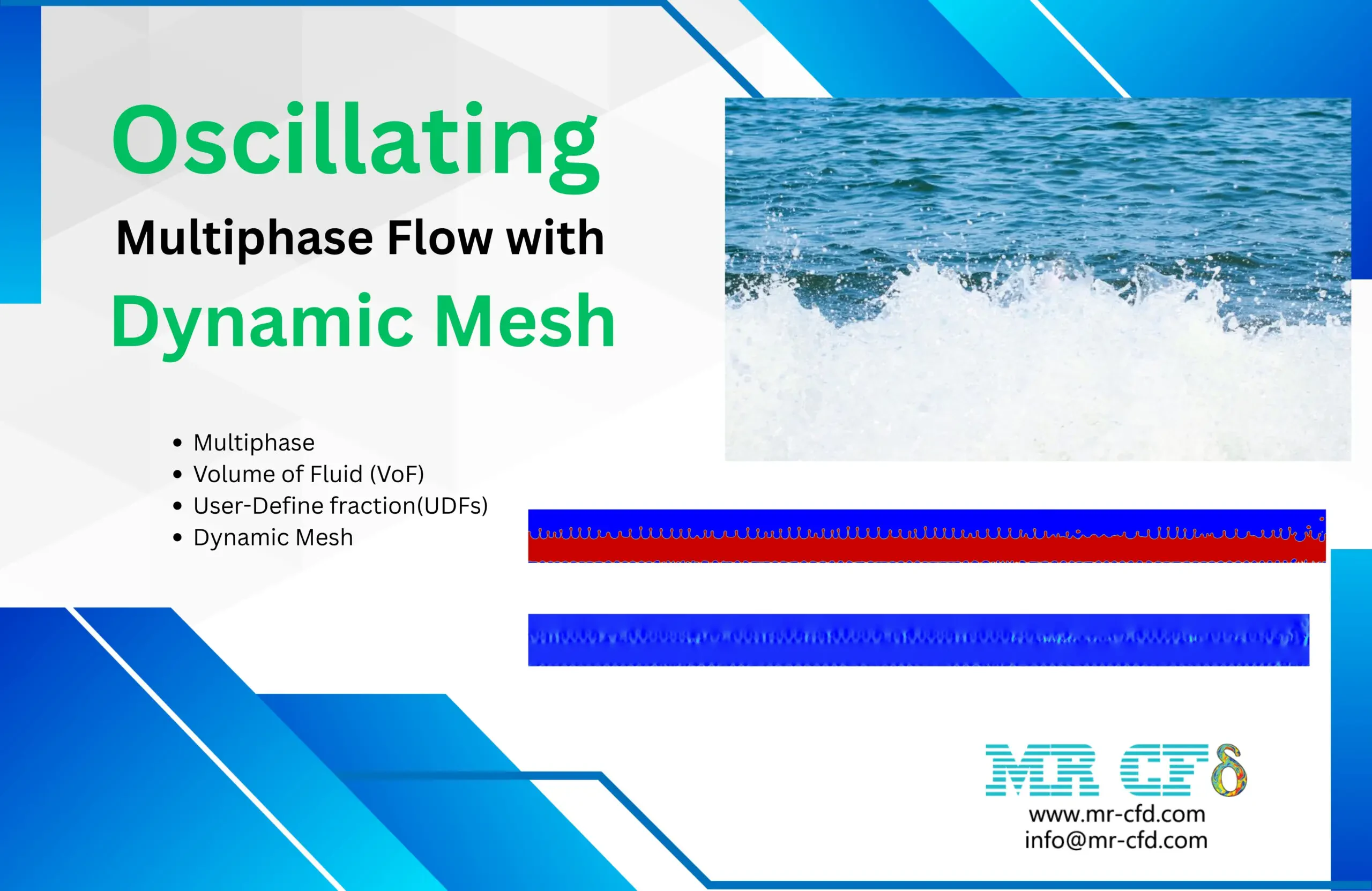
Oscillating Multiphase Flow with Dynamic Mesh
Intermediate, Advanced
Price: $270
In the oscillating multiphase CFD study, the interaction of water and air inside a narrow rectangular channel is investigated using ANSYS Fluent. The geometry is created in ANSYS Design Modeler and meshed with a structured grid of 480,760 cells in ANSYS Meshing. The Volume of Fluid (VOF) method is applied for tracking the water and air interface, with water defined as the primary phase and air as the secondary phase. A dynamic mesh technique with smoothing and re-meshing options is enabled, along with a moving wall defined by a User-Defined Function (UDF).
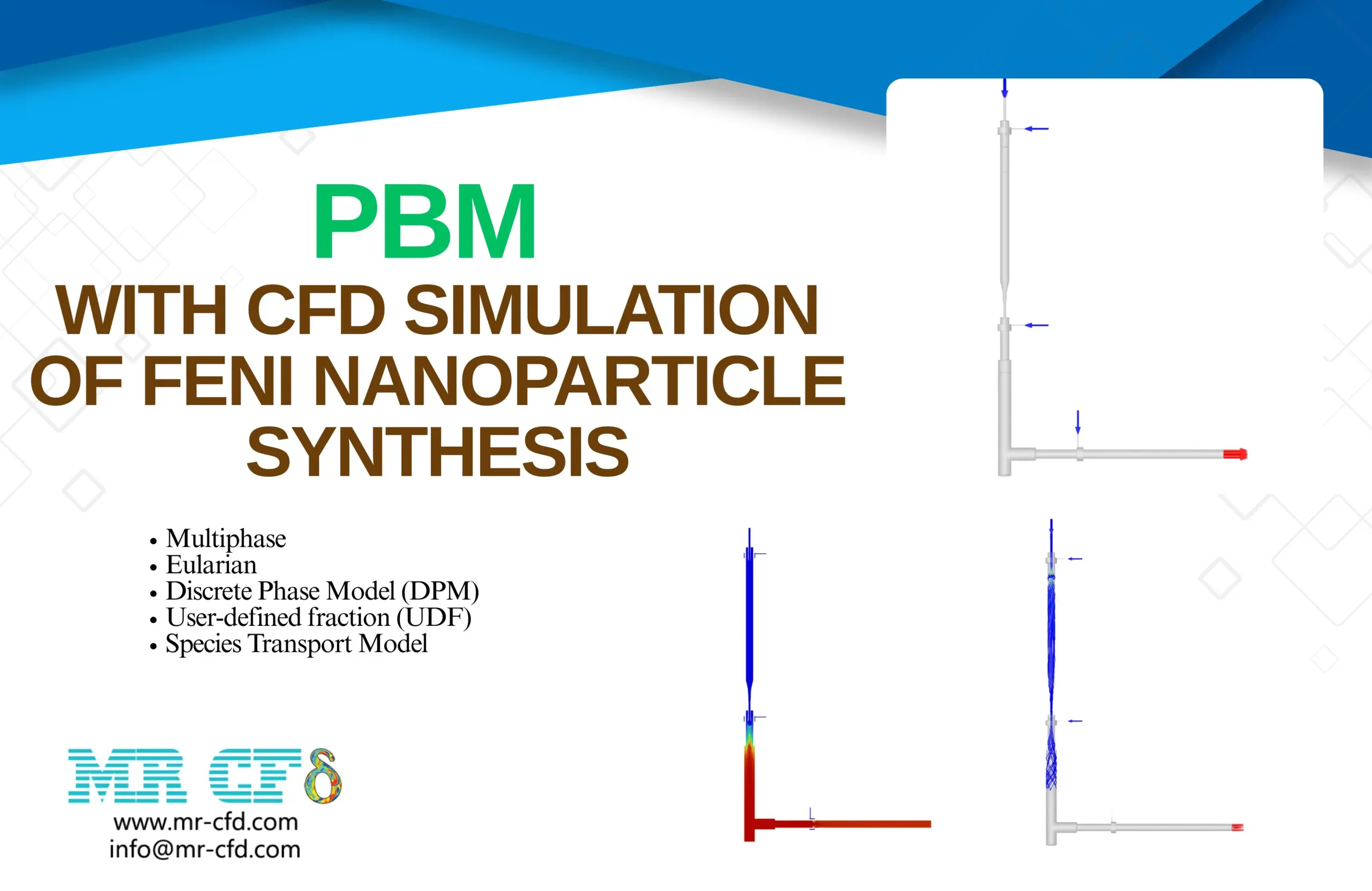
Price: $480
PBM with CFD Simulation of FeNi Nanoparticle Synthesis is performed using ANSYS Fluent . A Multiphase Eulerian approach is applied with FeNi alloy represented in the secondary phase. Powder precursors (FeCl₂ and NiCl₂) are injected into the domain using the Discrete Phase Model (DPM). The Species Transport Model with finite-rate Arrhenius kinetics is used to simulate the reduction reactions. User-Defined Functions (UDFs) implement nucleation, growth, and agglomeration phenomena for nanoparticle prediction.
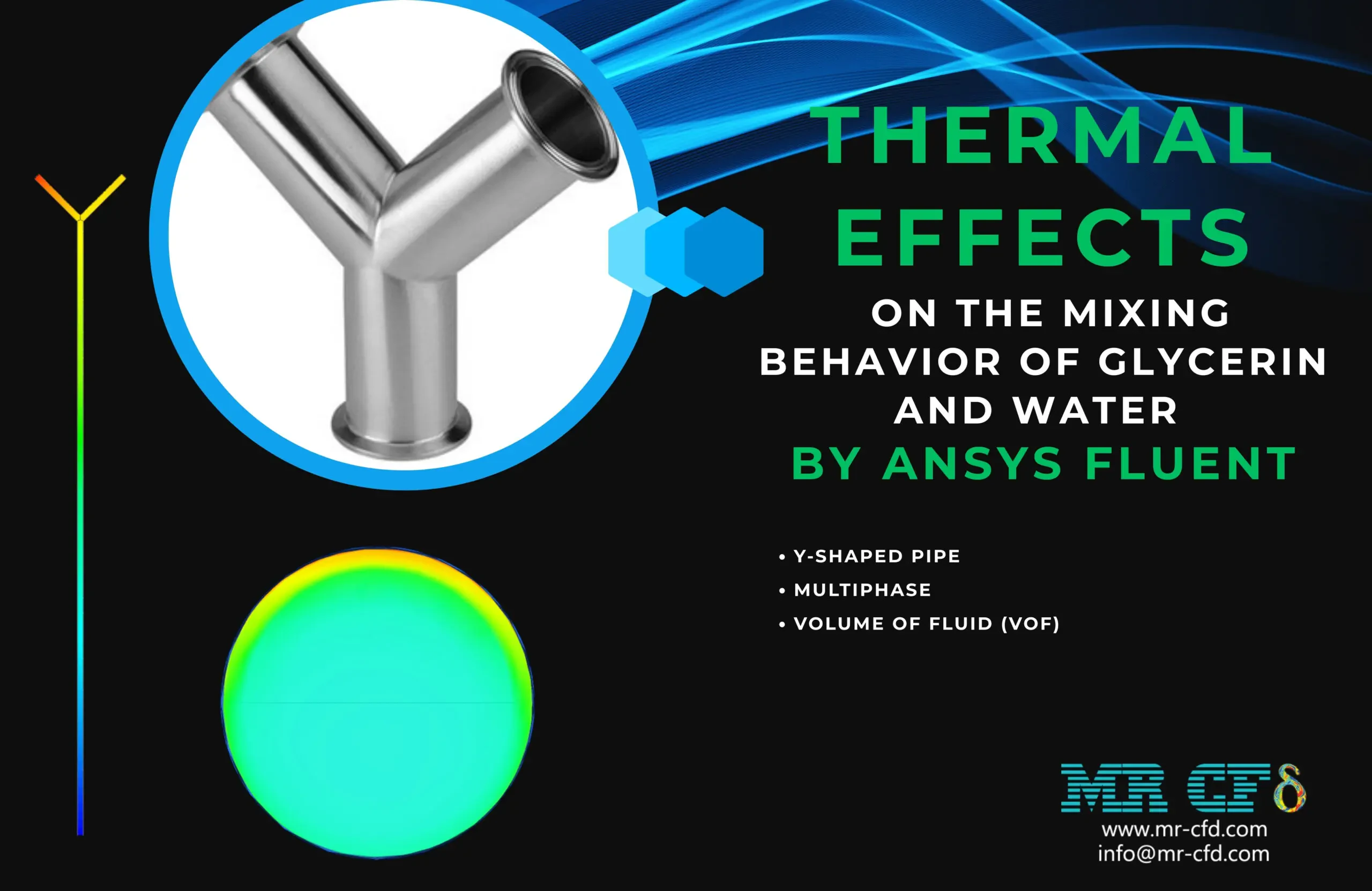
Thermal Effects on the Mixing Behavior of Glycerin and Water by ANSYS Fluent
Intermediate, Advanced
Price: $120
In the thermal effects on mixing in pipesCFD study investigates the thermal effect on the mixing of glycerin and water in a Y-shaped pipe using ANSYS Fluent. The geometry is created in ANSYS Design Modeler and meshed in ANSYS Meshing to generate a high-quality computational grid. The Volume of Fluid (VOF) method with an implicit formulation is applied, and the realizable k–epsilon model is used for turbulence modeling. A mass flow inlet of 0.15 kg/s is set for both phases, and simulations are carried out without heat flux and with a 30,000 W heat flux.
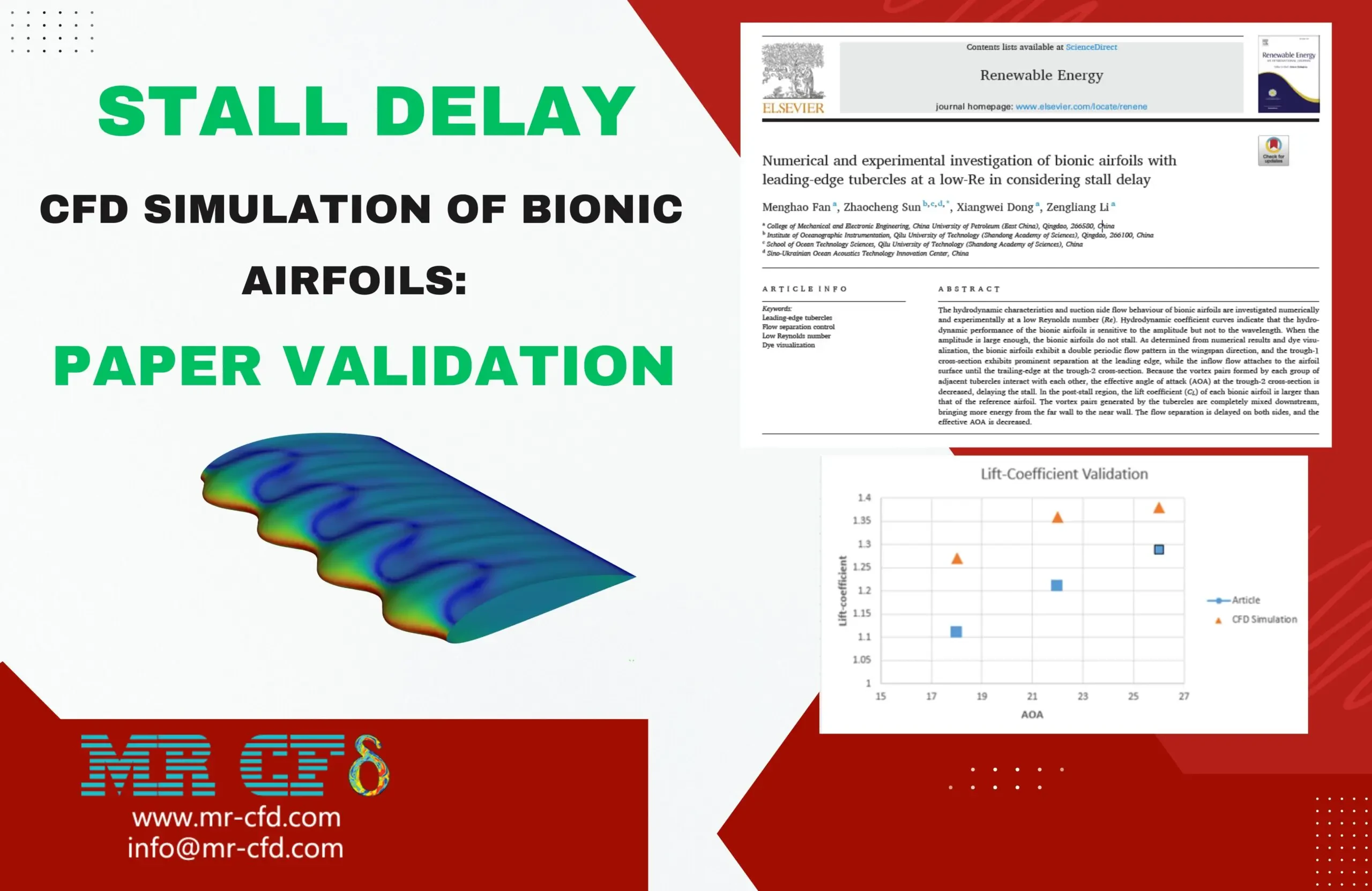
Stall Delay CFD Simulation of Bionic Airfoils: Paper Validation
Intermediate, Advanced
Price: $180
The current CFD Analysis numerically validates the paper “Numerical and experimental investigation of bionic airfoils with leading-edge tubercles at a low-Re in considering stall delay” via ANSYS Fluent software. The geometry of a NACA 4415 baseline airfoil with leading-edge tubercles is designed in SpaceClaim and meshed in ANSYS Meshing, generating 7,291,791 elements which were later converted to polyhedrons for improved accuracy and reduced cost. The turbulence of the flow is modeled using the Realizable k-epsilon turbulence model, with steady-state simulations performed at angles of attack of 18°, 22°, and 26°.