

CFD Beginner Courses
Here's every CFD online course in the Beginner level.
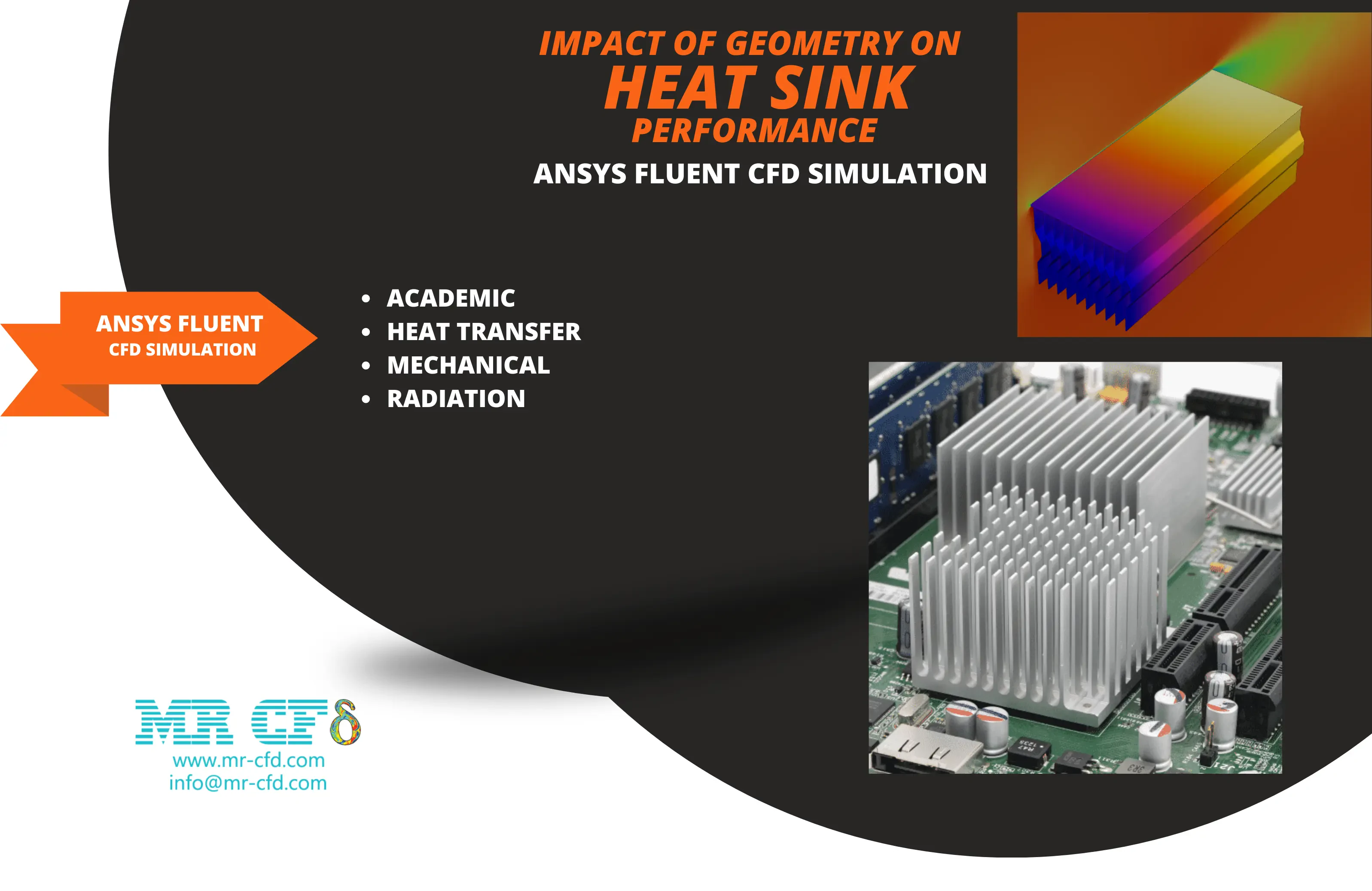
Impact of Geometry on Heat Sink Performance
Beginner, Intermediate
Price: $14
This study compares the thermal performance of open and enclosed heat sink designs using CFD simulations The open design features exposed fins, while the enclosed design has a closed-top 3-D symmetry model designed using ANSYS Design Modeler software model meshed with ANSYS Meshing software, and the element number equals 2,599,334. The discrete Ordinates (DO) radiation model was activated to simulate the impact of solar irradiation
Price: $8
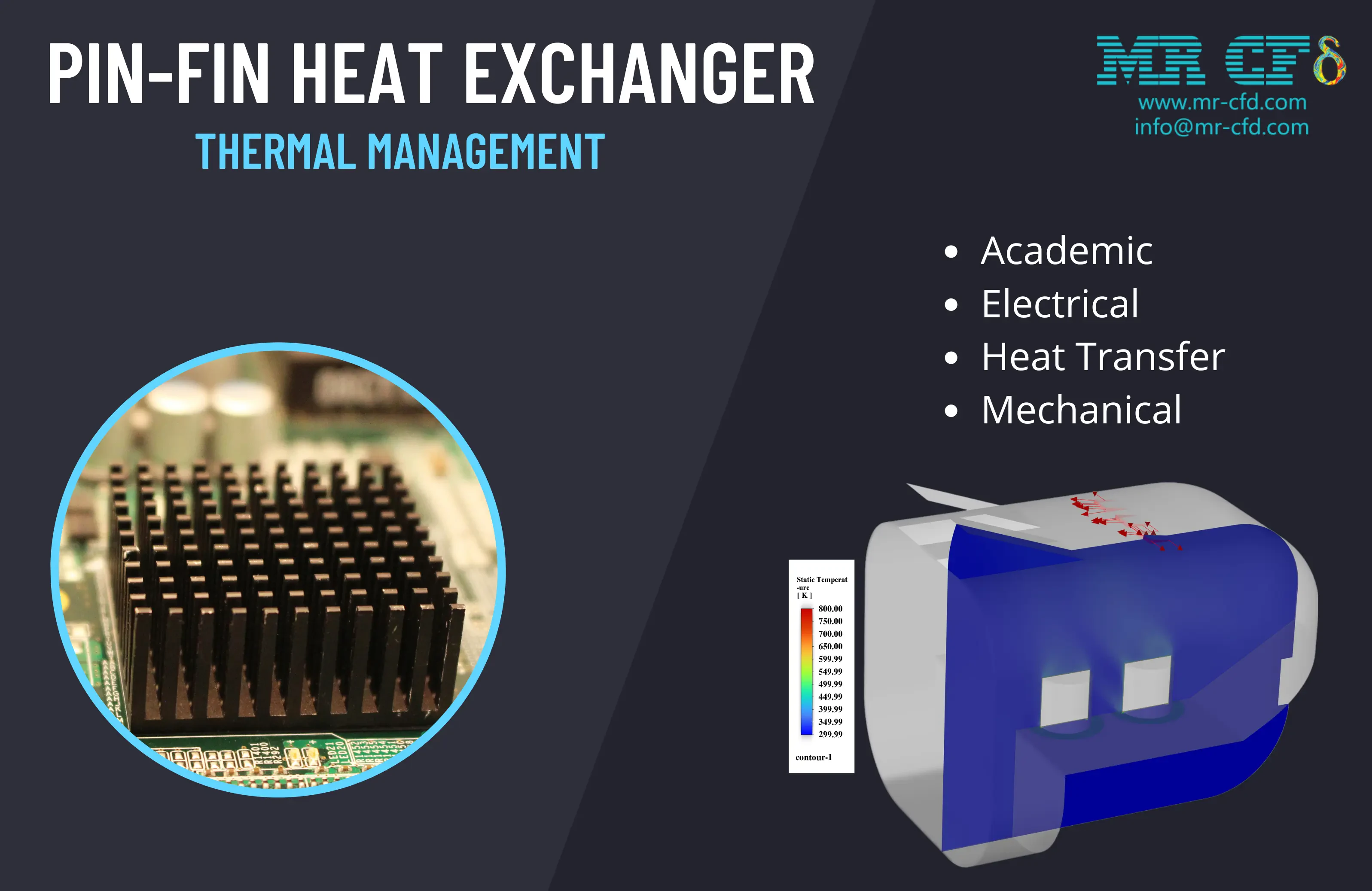
This study investigates the thermal and fluid dynamics behavior of a pin-fin heat exchanger using CFD simulation. The geometry of the pin-fin heat exchanger was created using ANSYS Design Modeler. The computational domain was then discretized using ANSYS Meshing, resulting in 1,679,530 elements. The pin wall temperature was set to a constant 800 K to simulate a high-temperature heat source
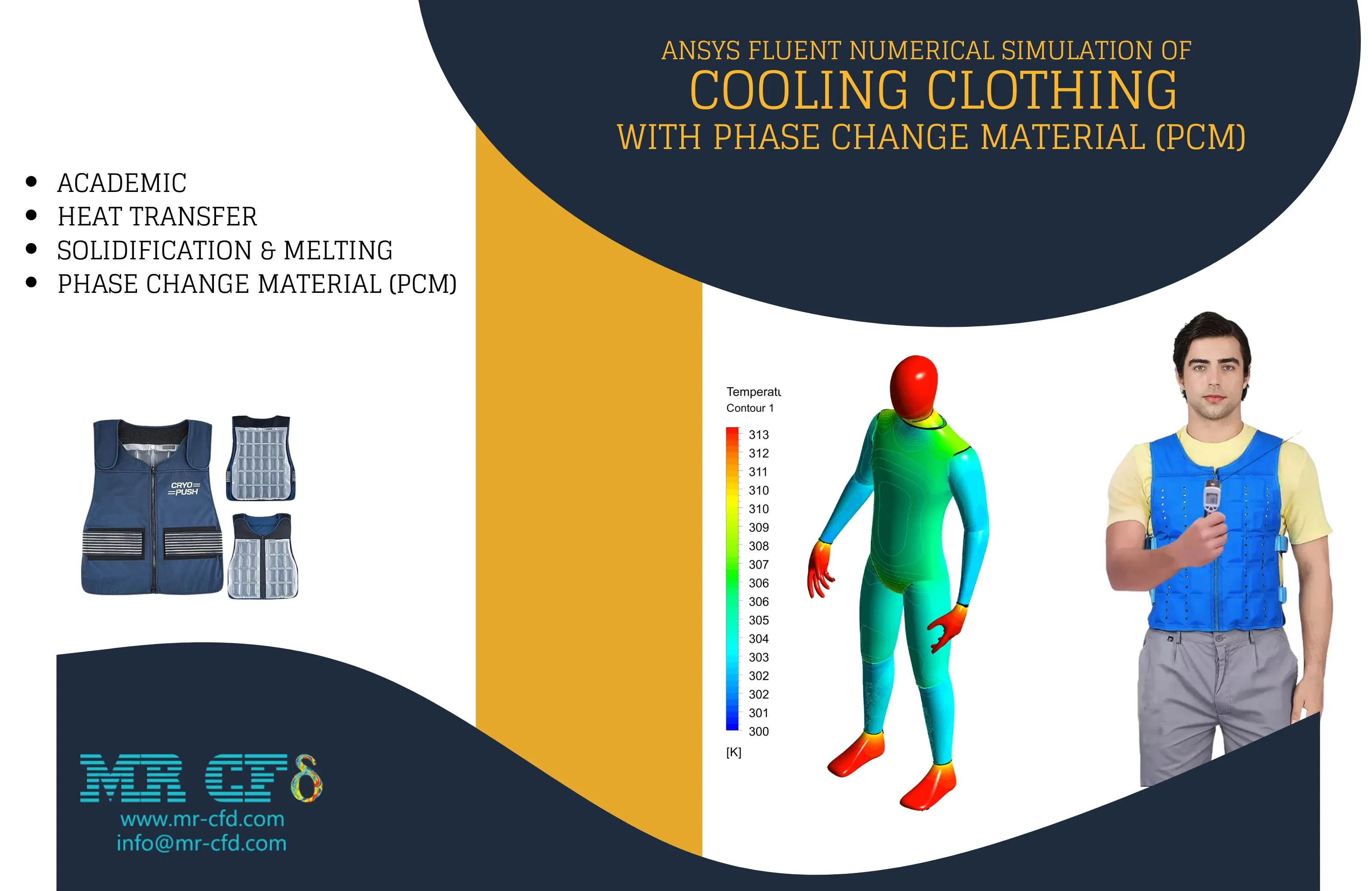
Cooling Clothing with Phase Change Material (PCM) Numerical Simulation
Beginner, Intermediate
Price: $8
numerical simulation study of cooling clothing designed to regulate body temperature using ANSYS Fluent The geometry is designed in SpaceClaim, and the meshing is performed using Ansys Meshing. The mesh type is triangular, resulting in a mesh with approximately 5 million elements. We aim to investigates the effectiveness of incorporating Phase Change Material (PCM) into the clothing.. Two simulations were conducted: one without PCM and another with PCM incorporated into the clothing
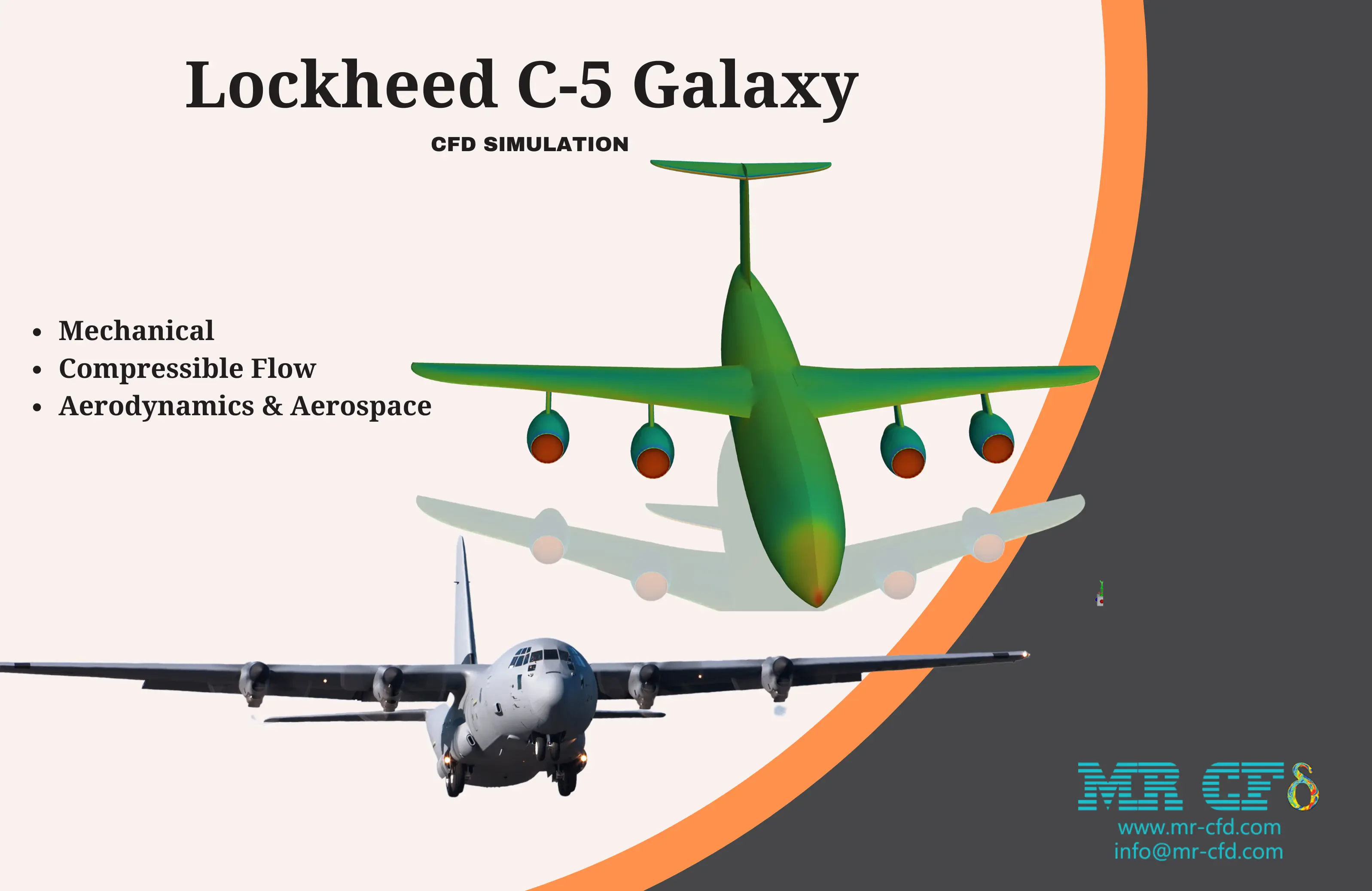
Lockheed C-5 Galaxy Aerodynamic CFD Simulation
Beginner, Intermediate
Price: $10
This problem simulates a Lockheed C-5 Galaxy using ANSYS Fluent software. The geometry is designed in SpaceClaim, and the meshing is performed using fluent Meshing with approximately 14 million cells. The simulation is carried out using the pressure-based solver. The turbulence model is set to Realizable k-ε.
Cavitation Phenomenon Around a Triangular Obstacle
Beginner, Intermediate
Price: $14
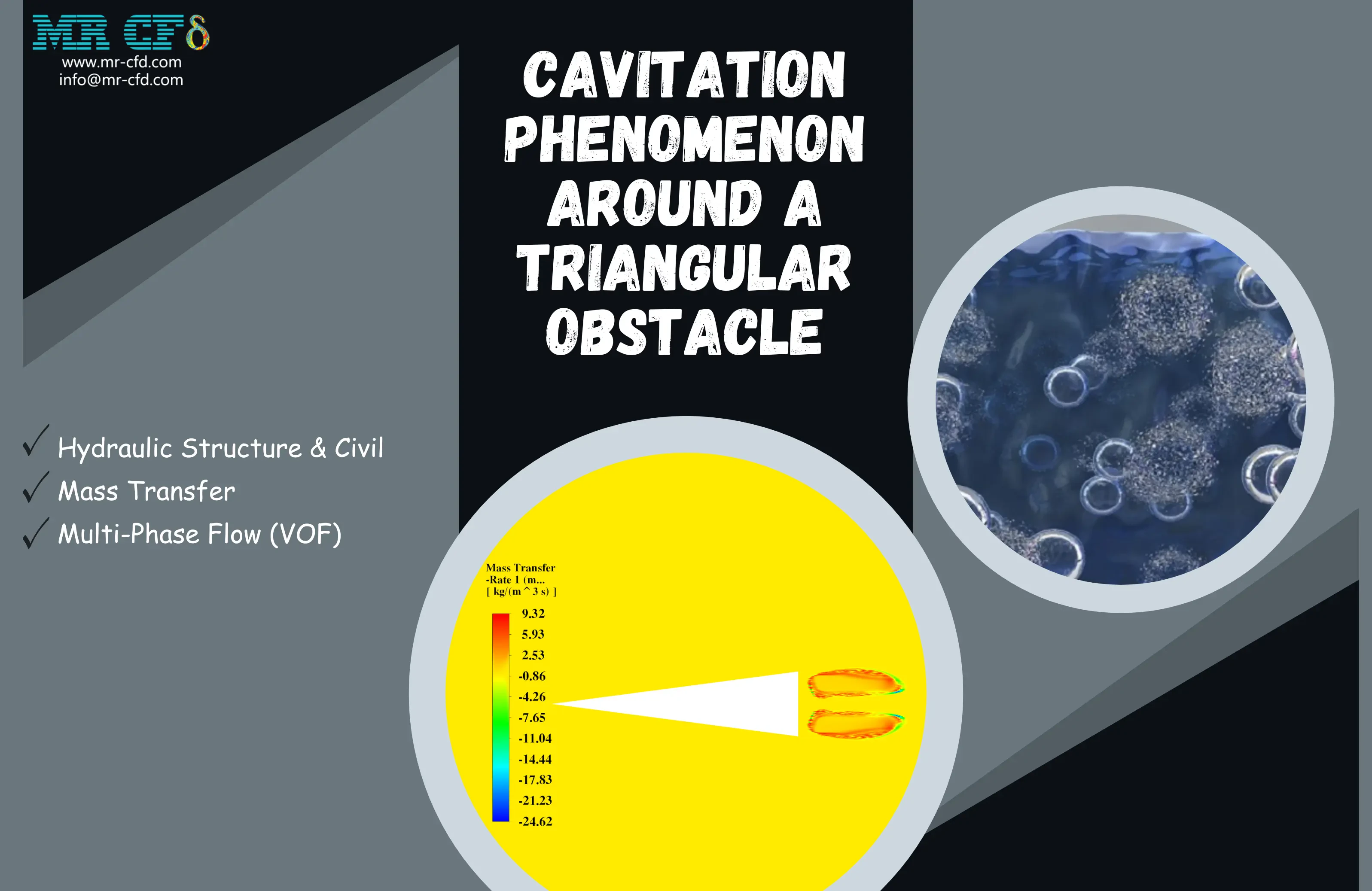
The study investigates cavitation in water flow around a triangular obstacle using ANSYS Fluent CFD simulation. The geometry is created in ANSYS Design Modeler, with a mesh of 310,000 structured elements generated using ANSYS Meshing. The simulation employs a pressure-based transient solver with the k-epsilon turbulence model and Volume of Fluid (VOF) multiphase model. ANSYS Fluent conducts a time-dependent analysis with enabled cavitation in mass transfer mechanisms to simulate phase change from liquid water to vapor.
Price: $319
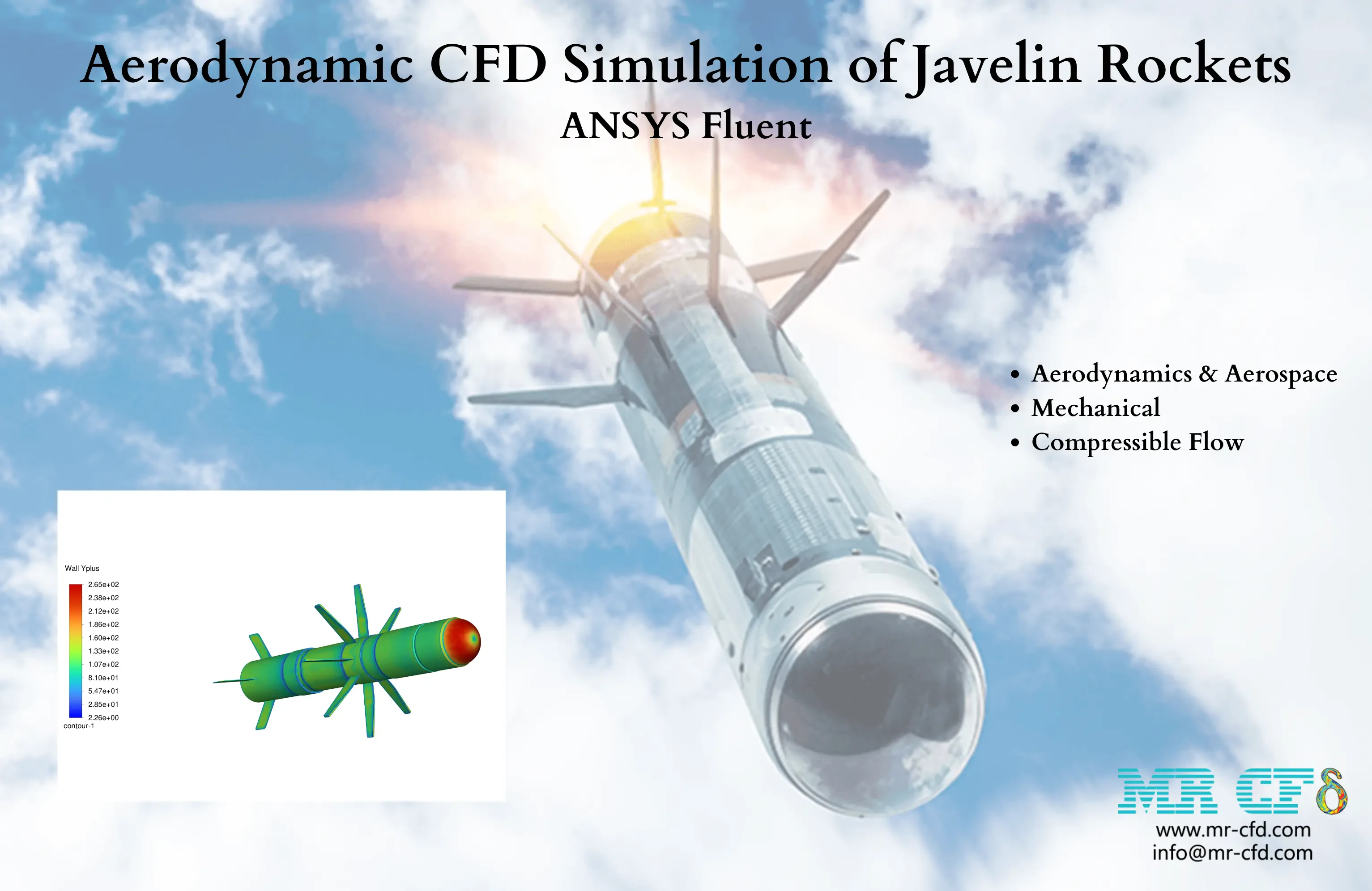
This problem simulates a javelin rocket using ANSYS Fluent software. The geometry is designed in SpaceClaim, and the meshing is performed using ANSYS Meshing. The simulation is carried out using the density-based solver. The turbulence model is set to Realizable k-ε.
Price: $30
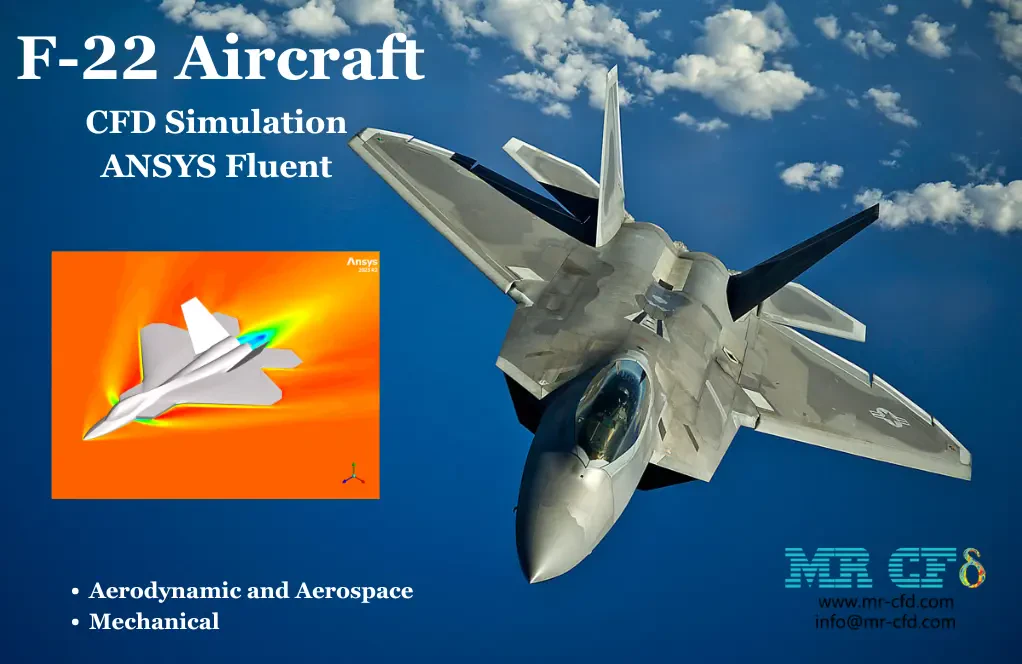
This problem simulates a F-22 aircraft using ANSYS Fluent software. The geometry is designed in SpaceClaim, and the meshing is performed using FLUENT Meshing. The simulation is carried out using the density-based solver. The turbulence model is set to k-ε Realizable.
Gas Turbine Intake CFD Analysis
Beginner
Price: $4
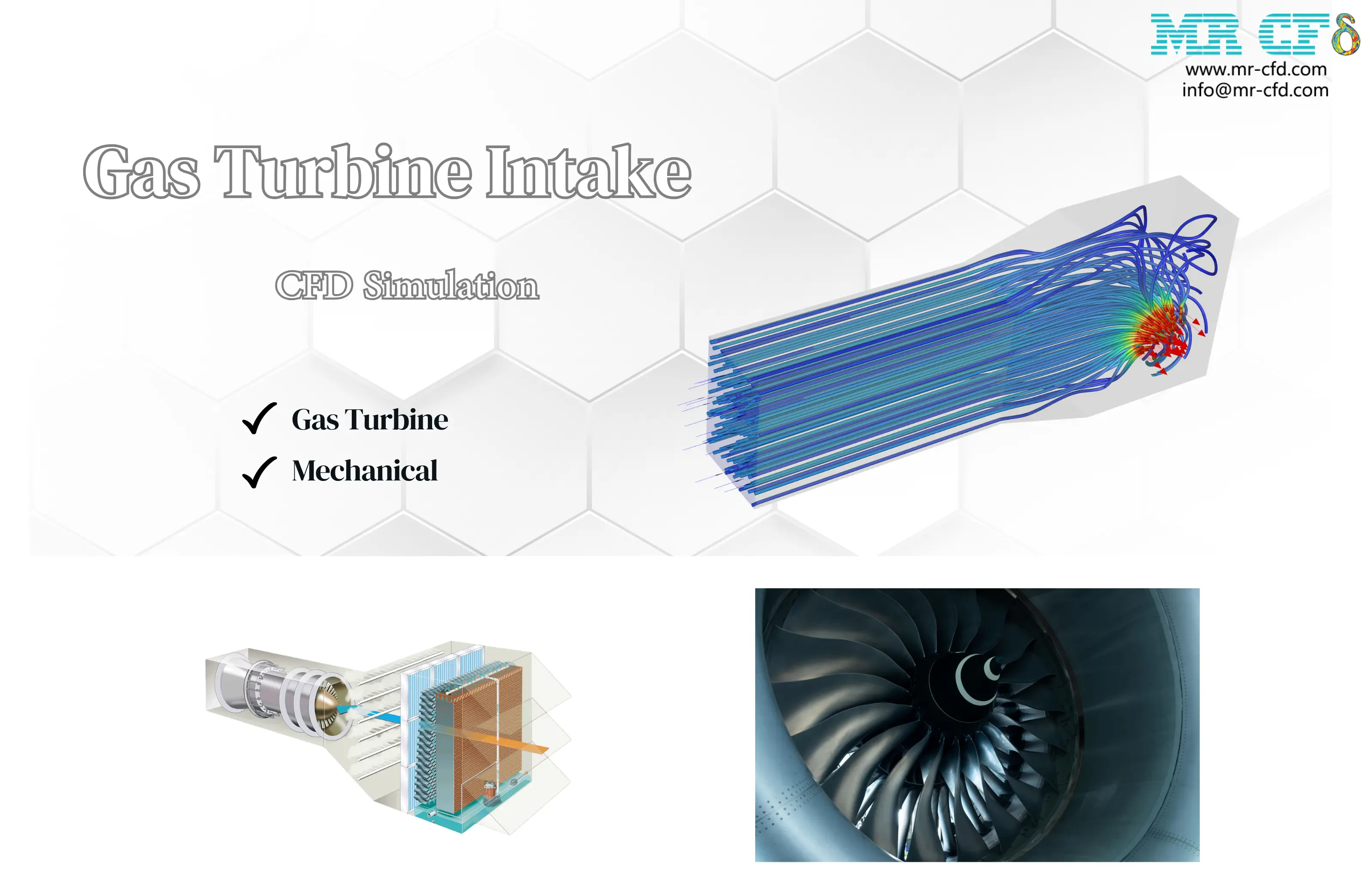
This report presents a comprehensive CFD analysis of a Gas Turbine Intake using ANSYS Fluent. The study investigates flow behavior and pressure characteristics within a complex intake geometry, utilizing a structured mesh of 1,494,720 elements. The simulation employs a pressure-based, steady-state solver with the Realizable k-epsilon turbulence model. Key results include velocity magnitude contours, pressure distribution, and turbulence kinetic energy patterns throughout the intake system. An area-weighted average pressure of 320.84187 Pa at the inlet offers quantitative data on entrance conditions.
Price: $8
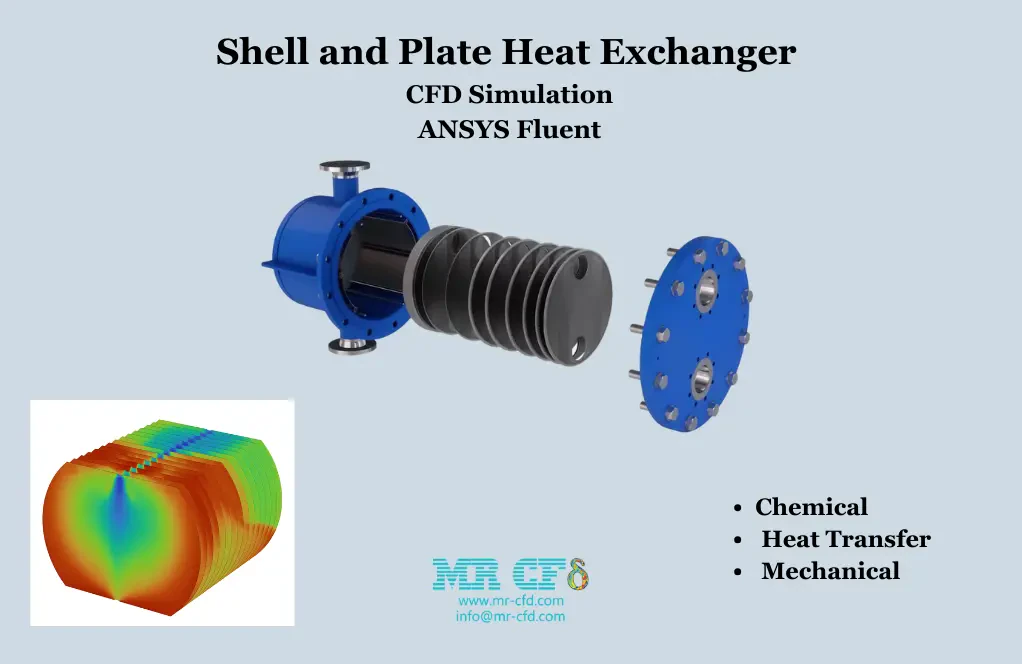
This product simulates a shell and plate heat exchanger using ANSYS Fluent software. The geometry of the problem is designed in spaceclaim. Then the Fluent meshing software was used to mesh the geometry producing 3,686,338 polyhedral elements. The turbulence of the flow is simulated via Realizable k-e model.