

MR CFD’s All Courses
Here's every Course from Basic to Advanced, that can boost your skills and career.
Price: $10
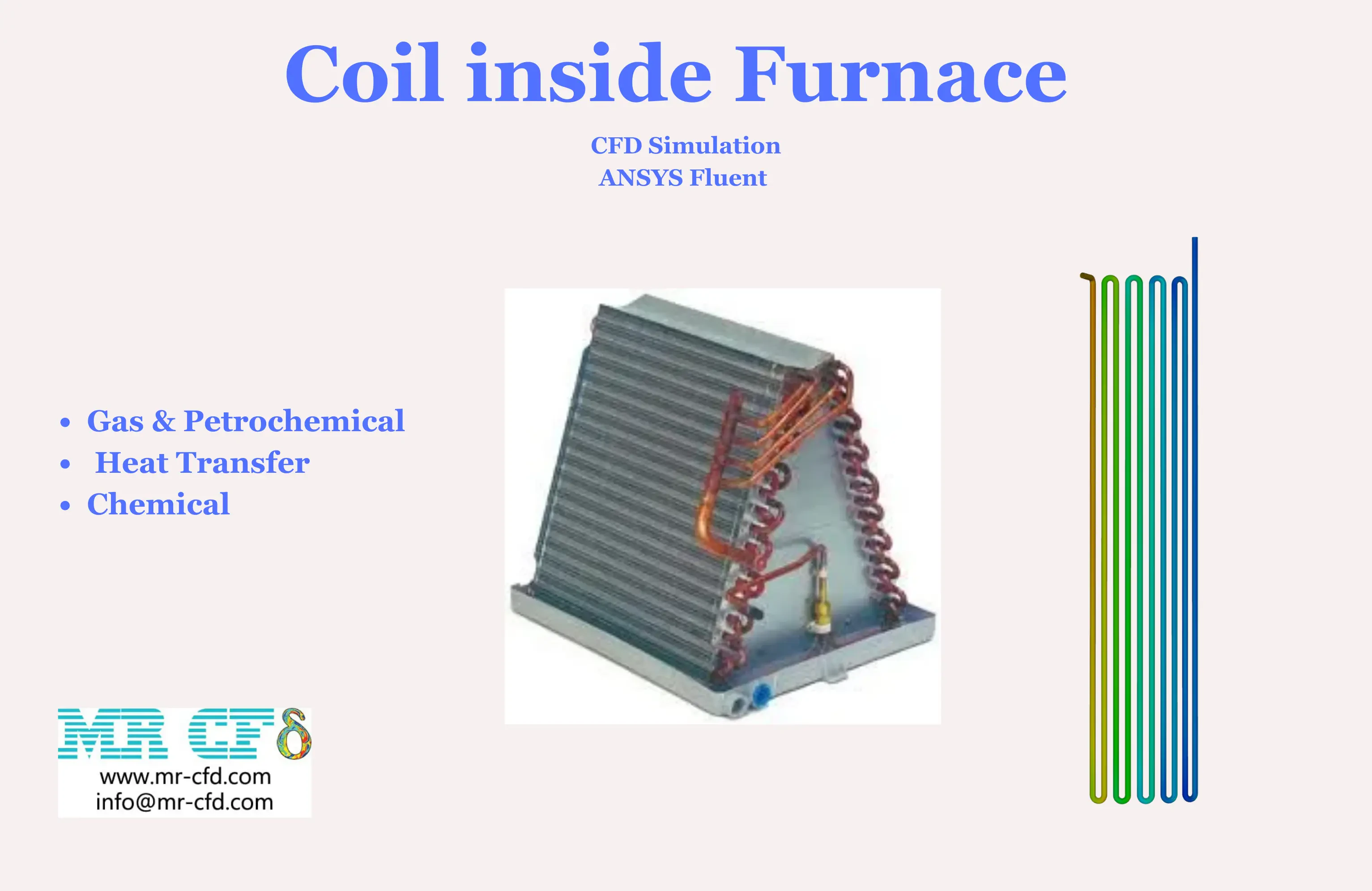
In this project, the flow inside a coil is modeled using ANSYS Fluent software. The geometry was created in Design Modeler, and a mesh consisting of 4,824,847 elements was generated using ANSYS Meshing. In this project we are going to find the outlet temperature and calculate the static pressure and static temperature throughout the domain.
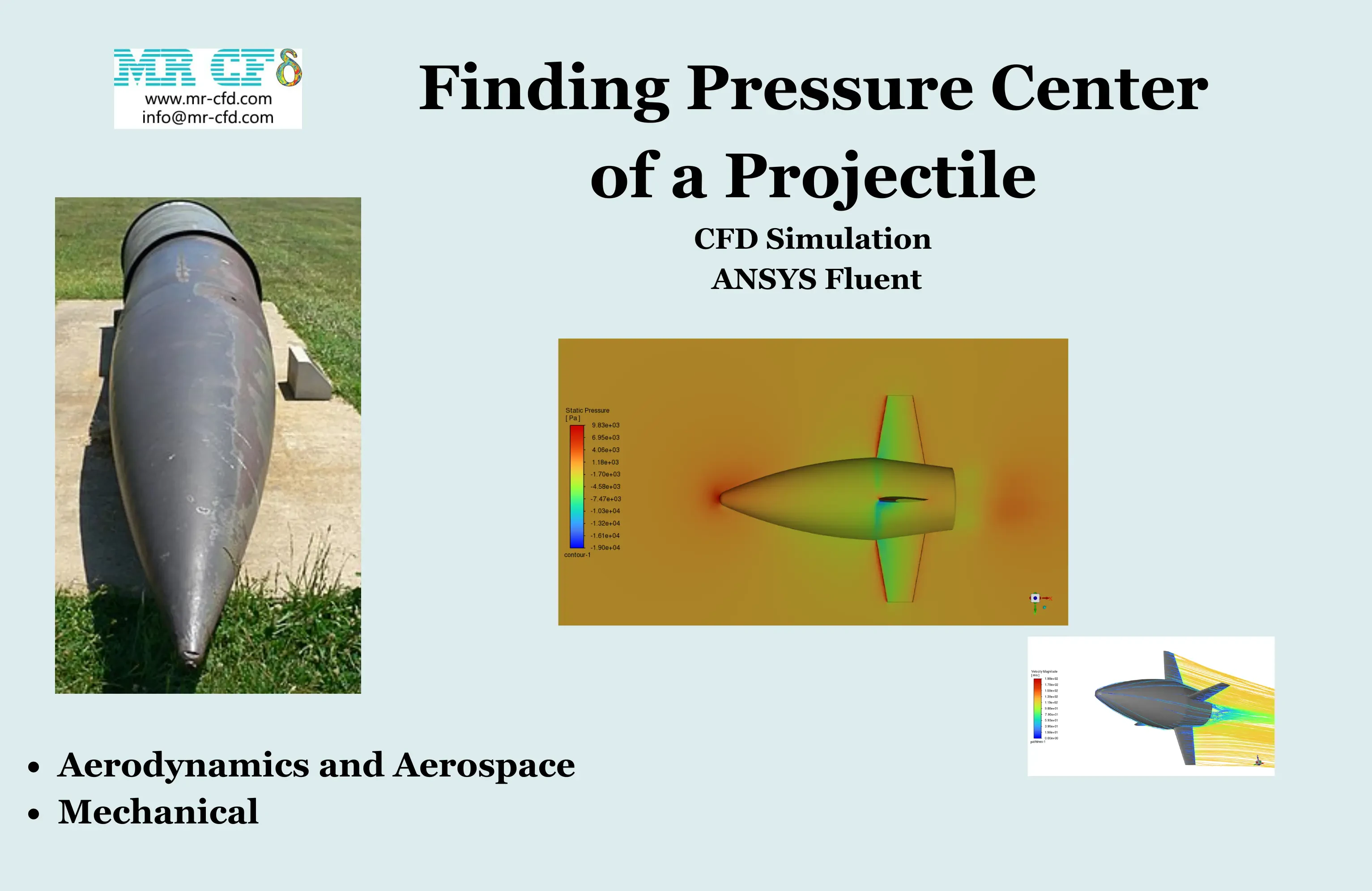
Finding Pressure Center of a Projectile CFD Simulation, ANSYS Fluent
Intermediate, Advanced
Price: $6
In this project, the flow around a projectile is modeled using ANSYS Fluent. The geometry was created in SpaceClaim, and a mesh consisting of 2,871,393 elements was generated using ANSYS Meshing. In this project we are going to find the center of pressure and calculate the lift force on the projectile .
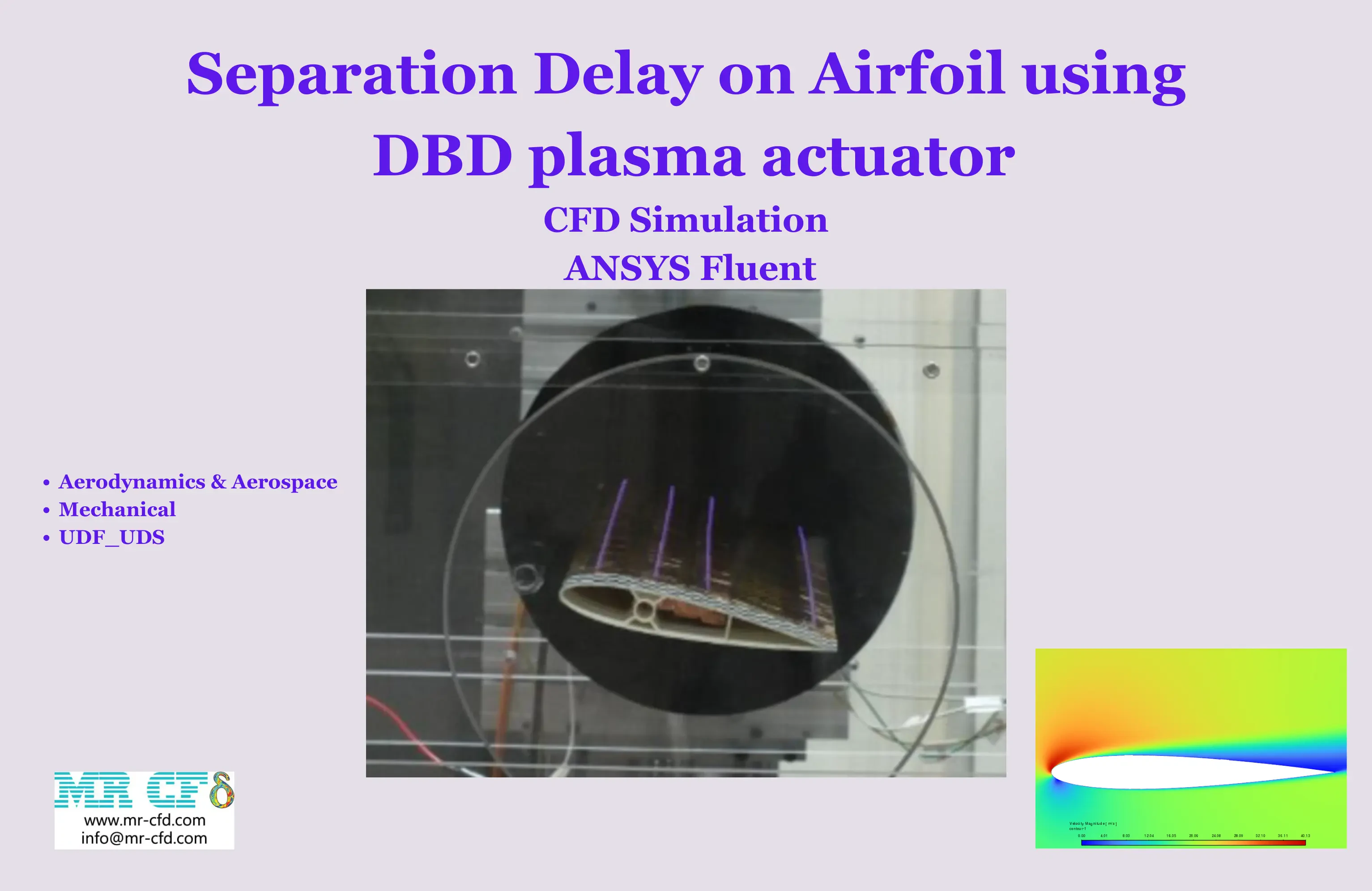
Separation Delay on Airfoil Using DBD plasma actuator, ANSYS Fluent
Intermediate, Advanced
Price: $30
In this project, the electrical current caused by the electrical potential is modeled using ANSYS Fluent. Also, the magnetic field created by the electrical current and its body force is simulated. Three User-Defined Scalars (UDS) are added for calculating the electrical and magnetic properties, and five User-Defined Functions (UDF) are used for the computation of the magnetic equations' source terms, heat release from the electric field, and momentum body forces. The geometry was created in SpaceClaim, and a mesh consisting of 463,701 elements was generated using ANSYS Meshing. The improvement of the flow field in terms of separation on an airfoil NACA 0012 was investigated by using plasma at two velocities and angles of attack.
Price: $30
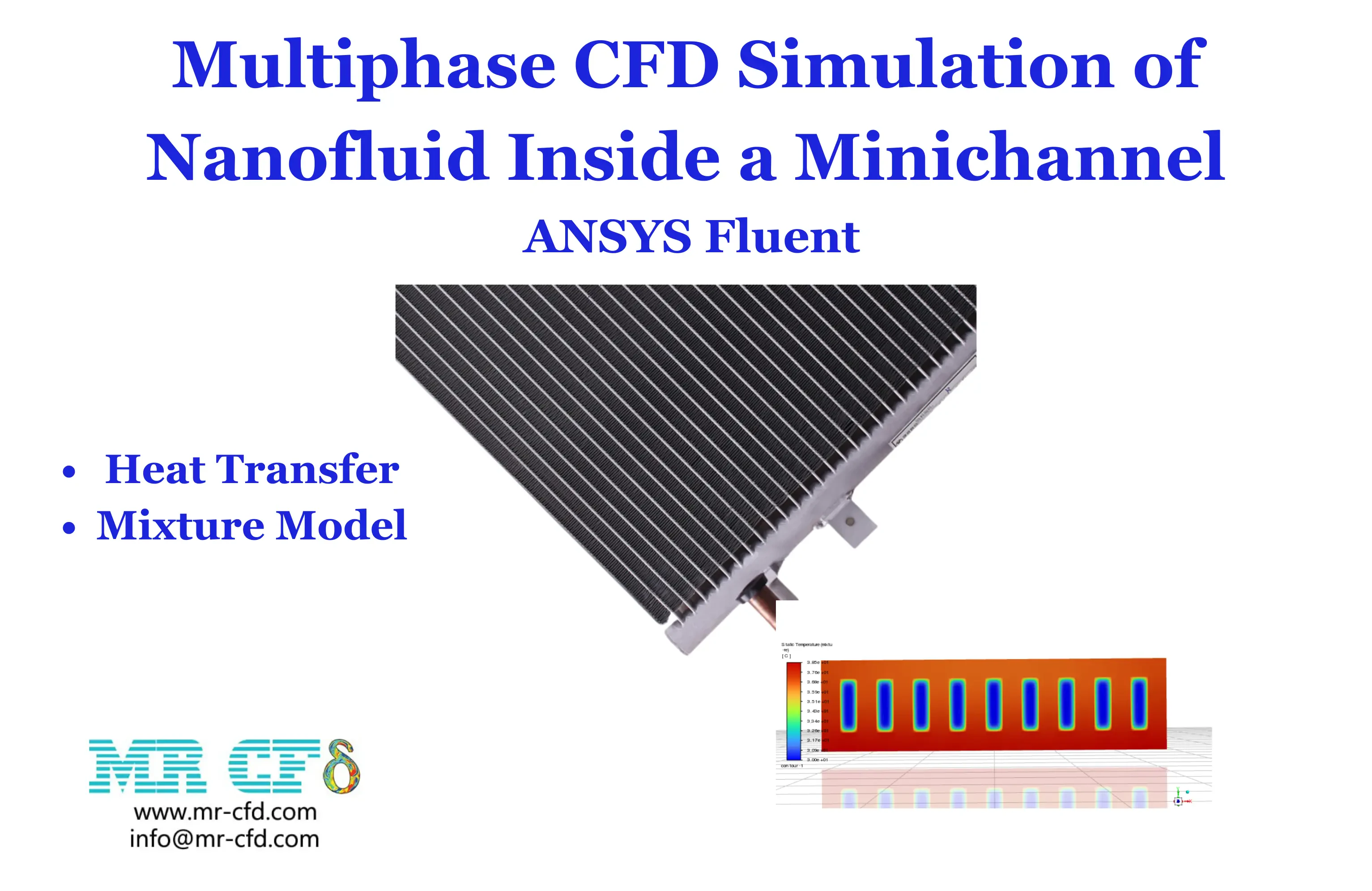
In this project, we aim to simulate heat transfer inside a minichannel with Al2O3 nanoparticles. The geometry is designed using Spaceclaim software then meshed in ANSYS Meshing with 2,850,000 hexagonal elements. Mixture model is used to simulate the presence of nanoparticles as second phase.
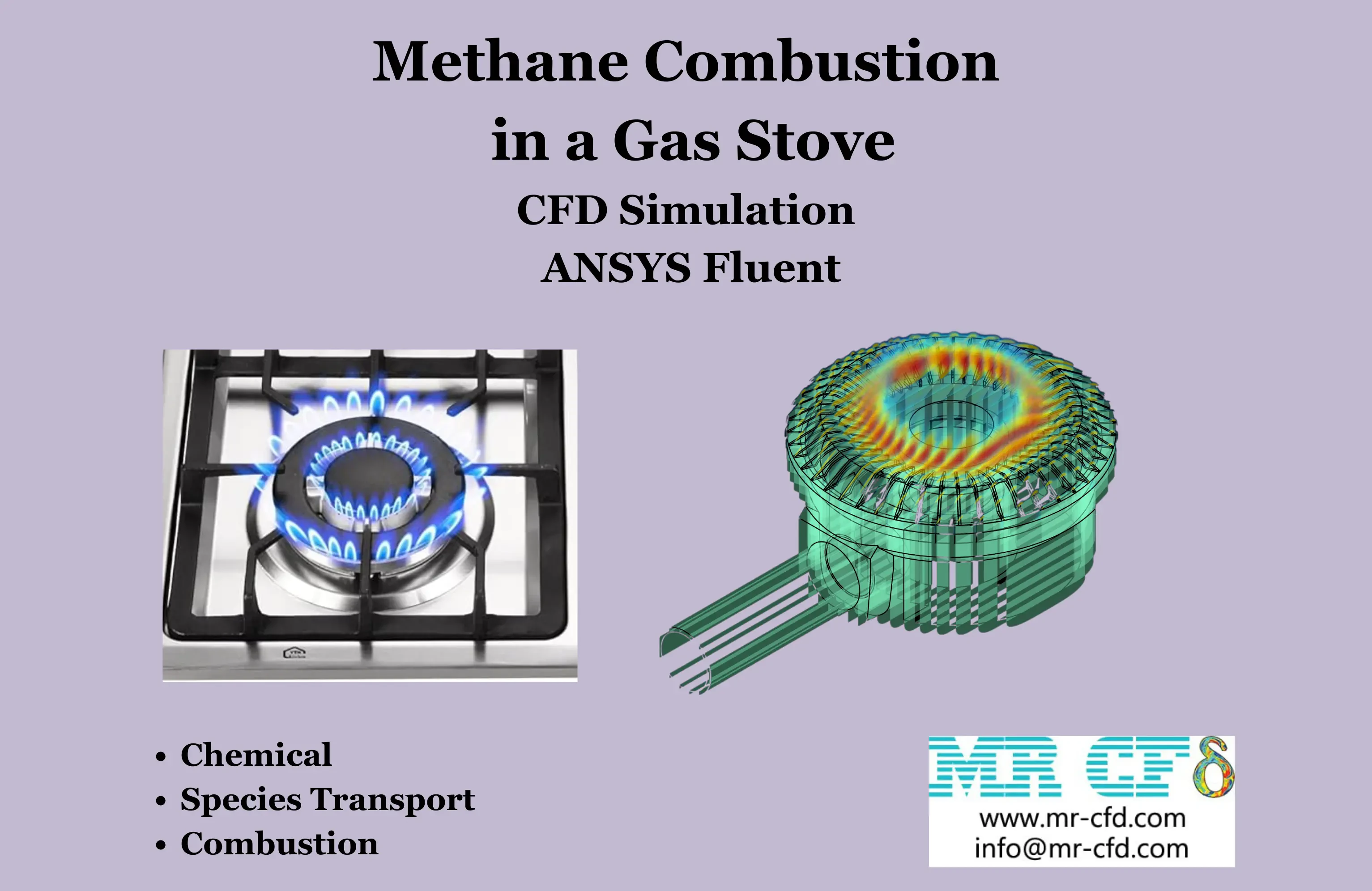
Methane Combustion in a Gas Stove CFD Simulation, ANSYS Fluent
Beginner, Intermediate
Price: $28
In this project, the combustion of methane in a gas stove was modeled using ANSYS Fluent. Methane mechanism was chosen for reaction mechanism and eddy dissipation model used for turbulence-chemistry. The geometry was created in Design Modeler, and a mesh consisting of 5,533,297 elements was generated using Fluent Meshing.
Price: $64
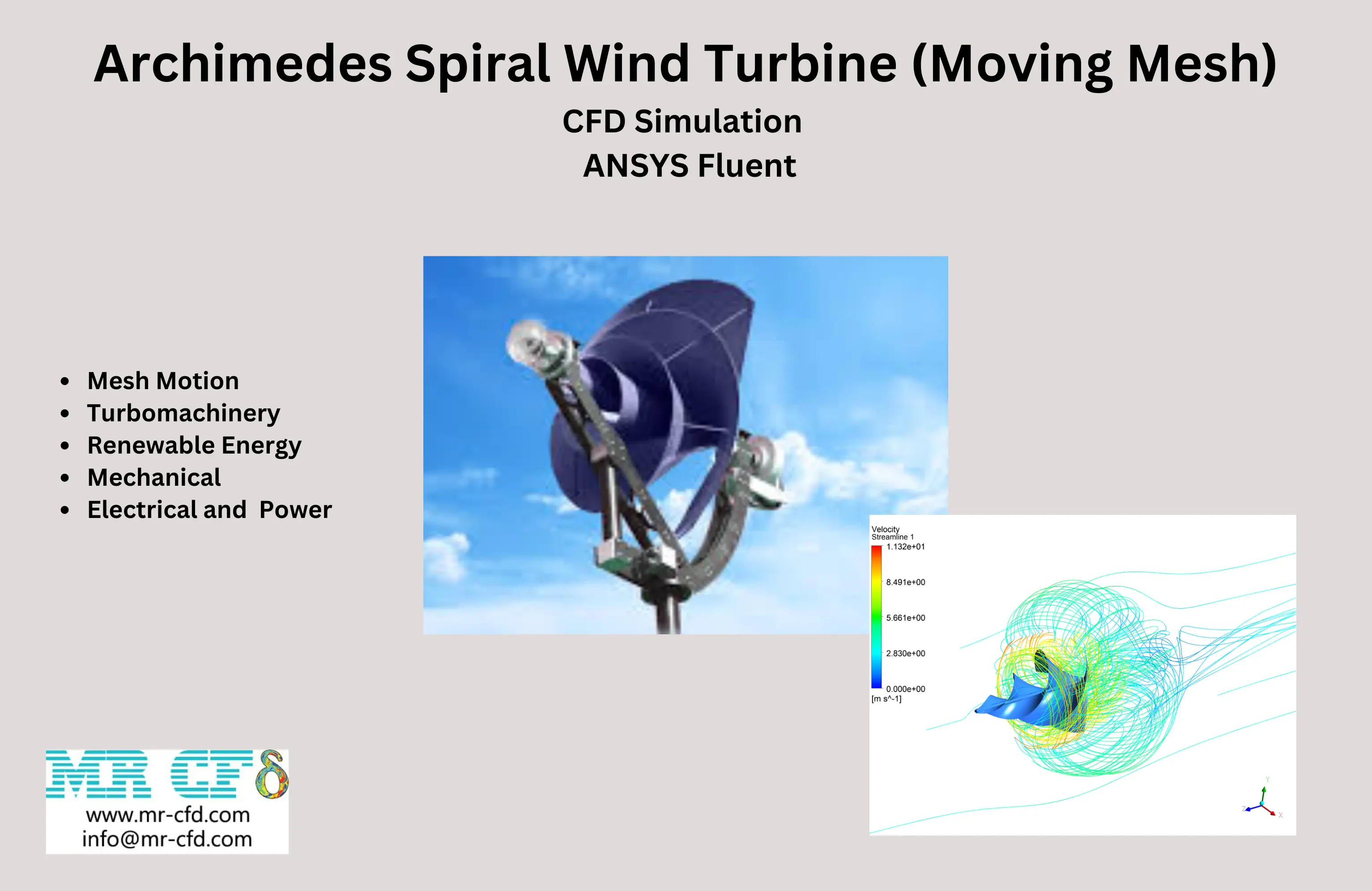
This project simulates an Archimedes Spiral Wind Turbine in ANSYS Fluent software. The geometry is designed in Solid works then meshed in ANSYS Meshing with 3,207,809 unstructured cells. The rotation of the blade is simulated via Mesh Motion. The turbulence of the air flow is modeled with SST k-w model.
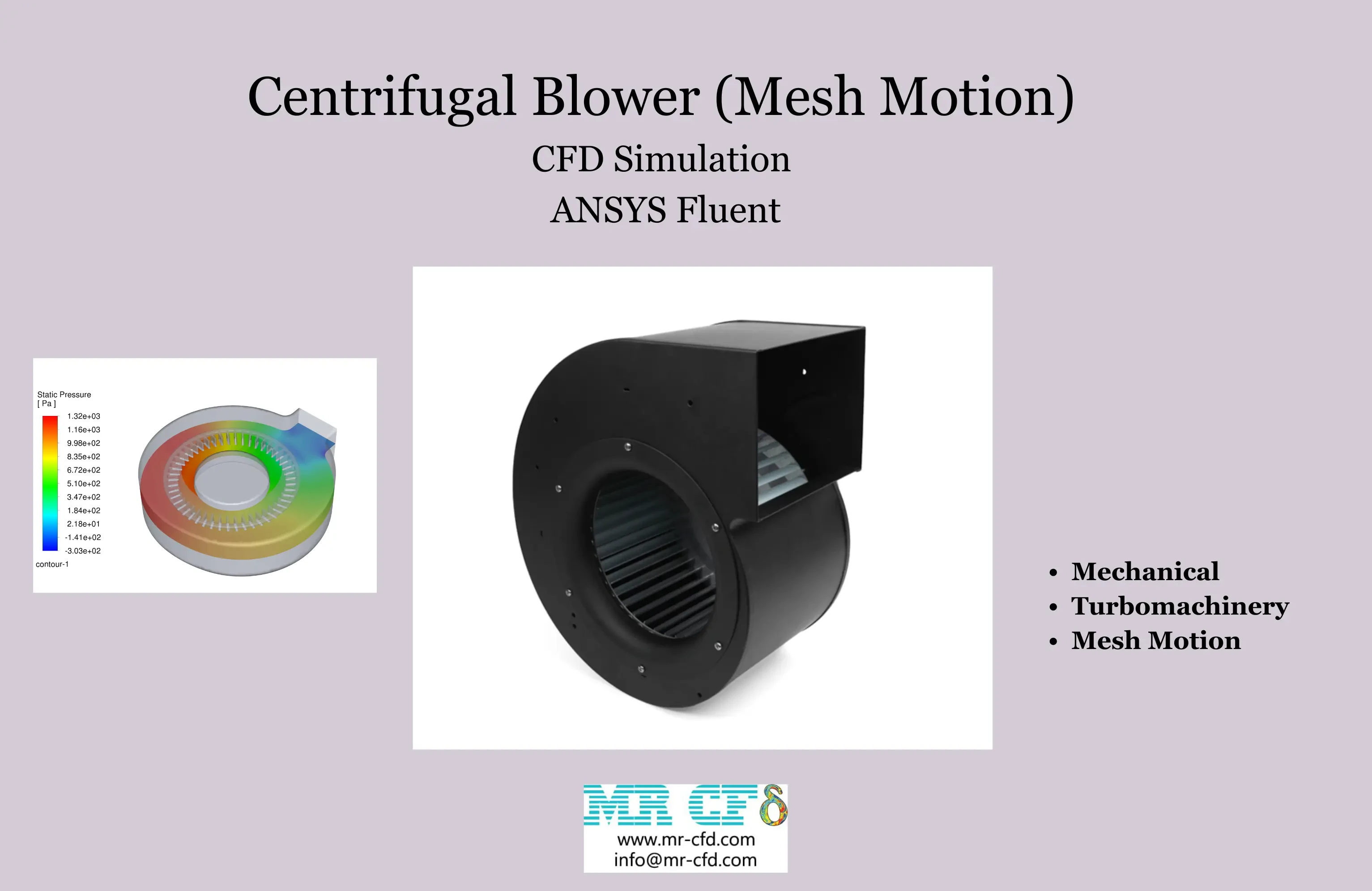
Centrifugal Blower (Mesh Motion) CFD Simulation, ANSYS Fluent
Beginner, Intermediate
Price: $10
The problem numerically simulates Centrifugal Blower using ANSYS Fluent software. We design the 3-D model by the Design Modeler software. We Mesh the model by ANSYS Meshing software, and the element number equals 5,479,874 . We use the Mesh Motion method to define rotational motion in cell zone conditions.
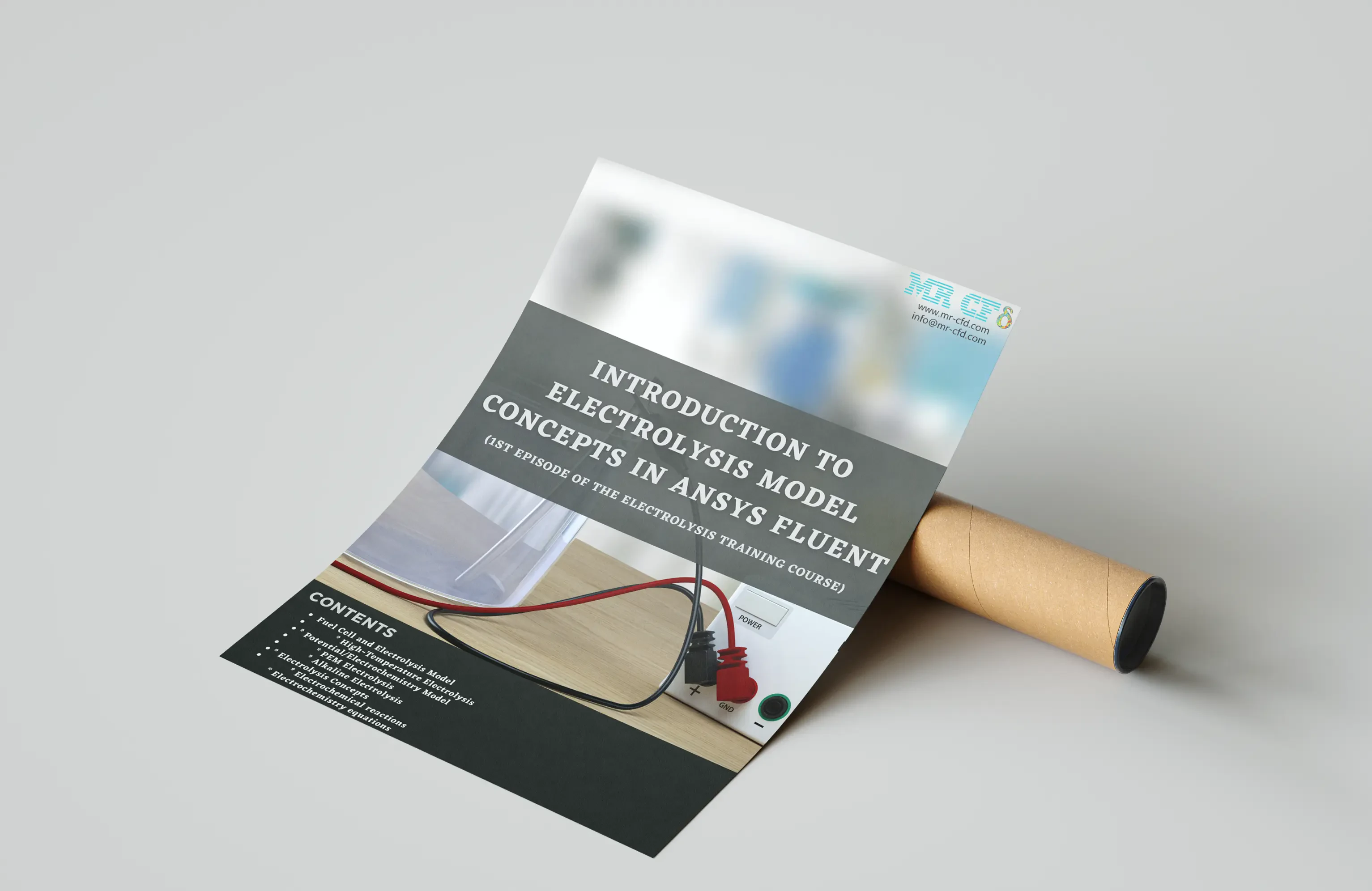
Electrolysis CFD Simulation Concepts in ANSYS Fluent
Beginner, Intermediate, Advanced
Price: Free
Introduction to the Electrolysis models in ANSYS Fluent software Introduction to the "Fuel Cell and Electrolysis" model ("Electrolysis" sub-models) Introduction to the "Potential/Electrochemistry" model ("PEM Electrolysis" and "Alkaline Electrolysis" sub-models) Introduction to the construction of the electrolyzer and its components Introduction to the electrochemistry concepts and electrochemical reactions Introduction to the governing equations of the electrolysis process
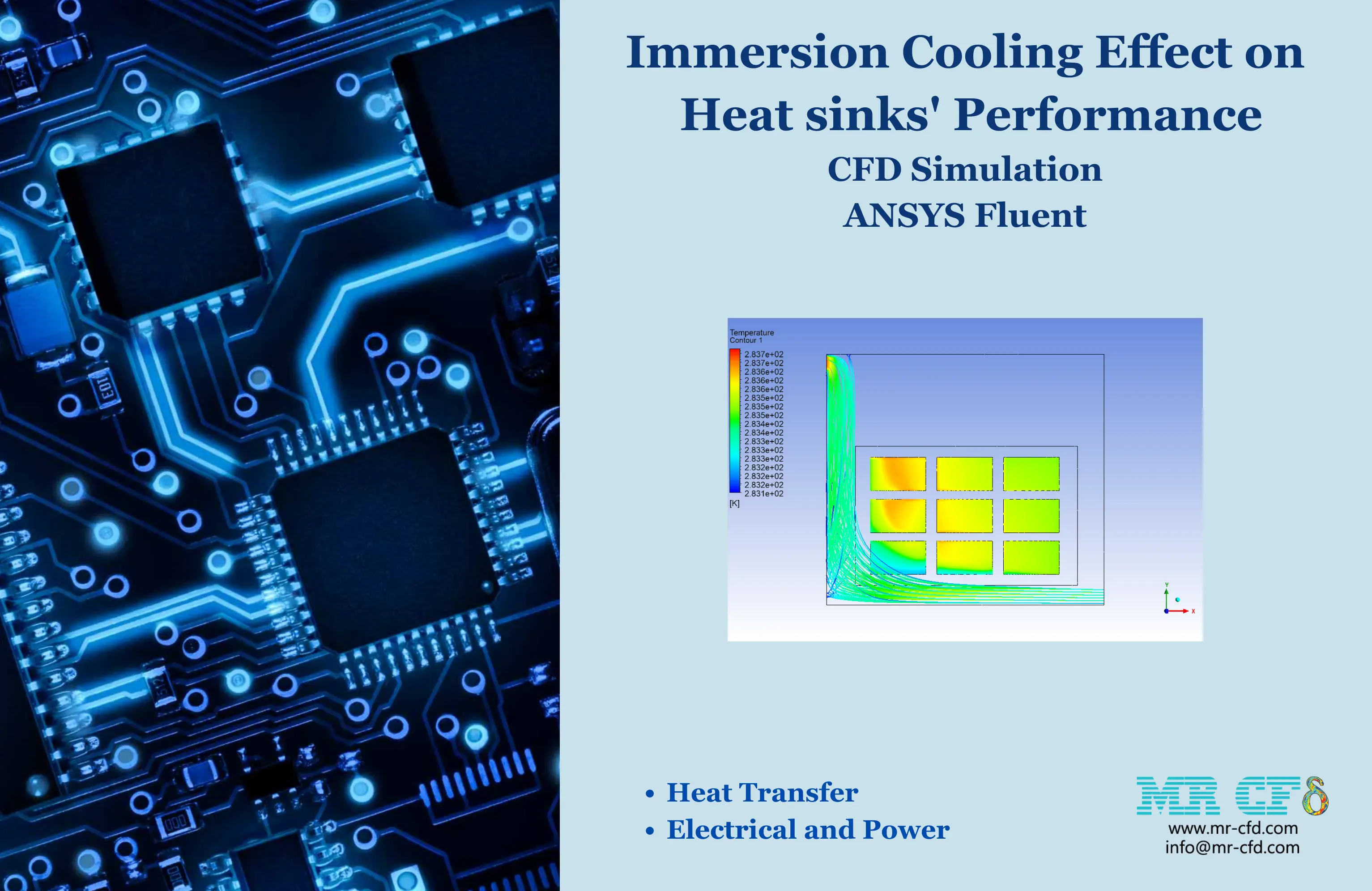
Immersion Cooling Effect on a Heat sink Performance CFD Simulation
Beginner, Intermediate
Price: $6
This project simulates the effect of immersion cooling on heat sinks' performance in ANSYS Fluent software. The 3D model is designed using the Spaceclaim, then meshed using ANSYS Meshing producing 85,000 cells. The k-epsilon RNG turbulence model is employed to accurately predict flow patterns.