

Optimization Online Courses
Here's every CFD online course related to Optimization category.

Optimization, DOE: CFD Simulation Masterclass
Beginner, Intermediate, Advanced
Price: $299
Master optimization process with our “Optimization (DOE and RSM): All Levels” CFD course using ANSYS Fluent. From basics to advanced, learn to perform Optimization procedures with different types of Design of Experiments (DOEs) and various Response Surface methodologies (RSMs). This course equips you with the essential skills to optimize all construction designs in all engineering fields using CFD. Ideal for beginners and experts alike, enhance your capabilities in design optimization for cutting-edge research and industrial applications.
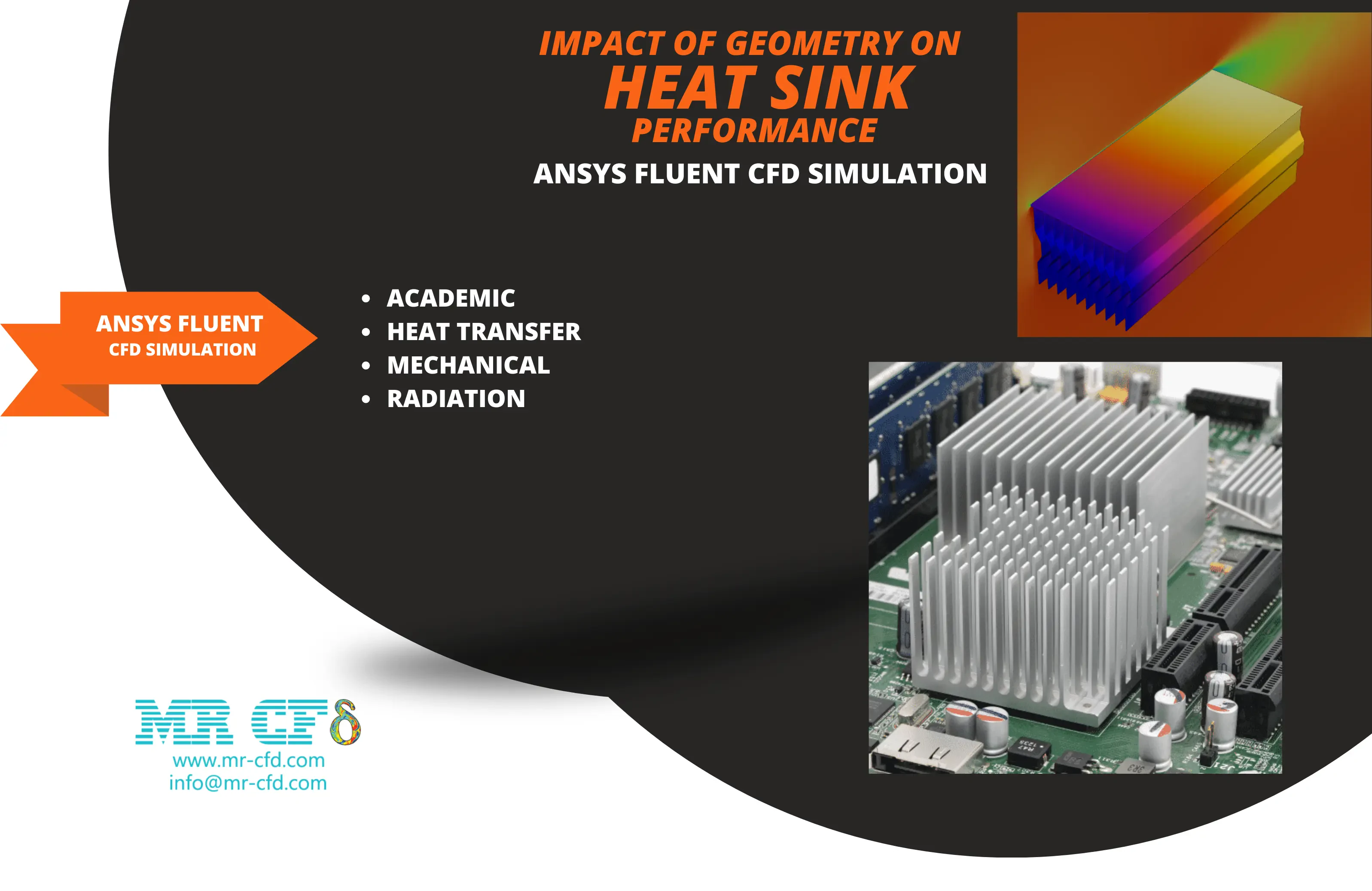
Impact of Geometry on Heat Sink Performance
Beginner, Intermediate
Price: $14
This study compares the thermal performance of open and enclosed heat sink designs using CFD simulations The open design features exposed fins, while the enclosed design has a closed-top 3-D symmetry model designed using ANSYS Design Modeler software model meshed with ANSYS Meshing software, and the element number equals 2,599,334. The discrete Ordinates (DO) radiation model was activated to simulate the impact of solar irradiation
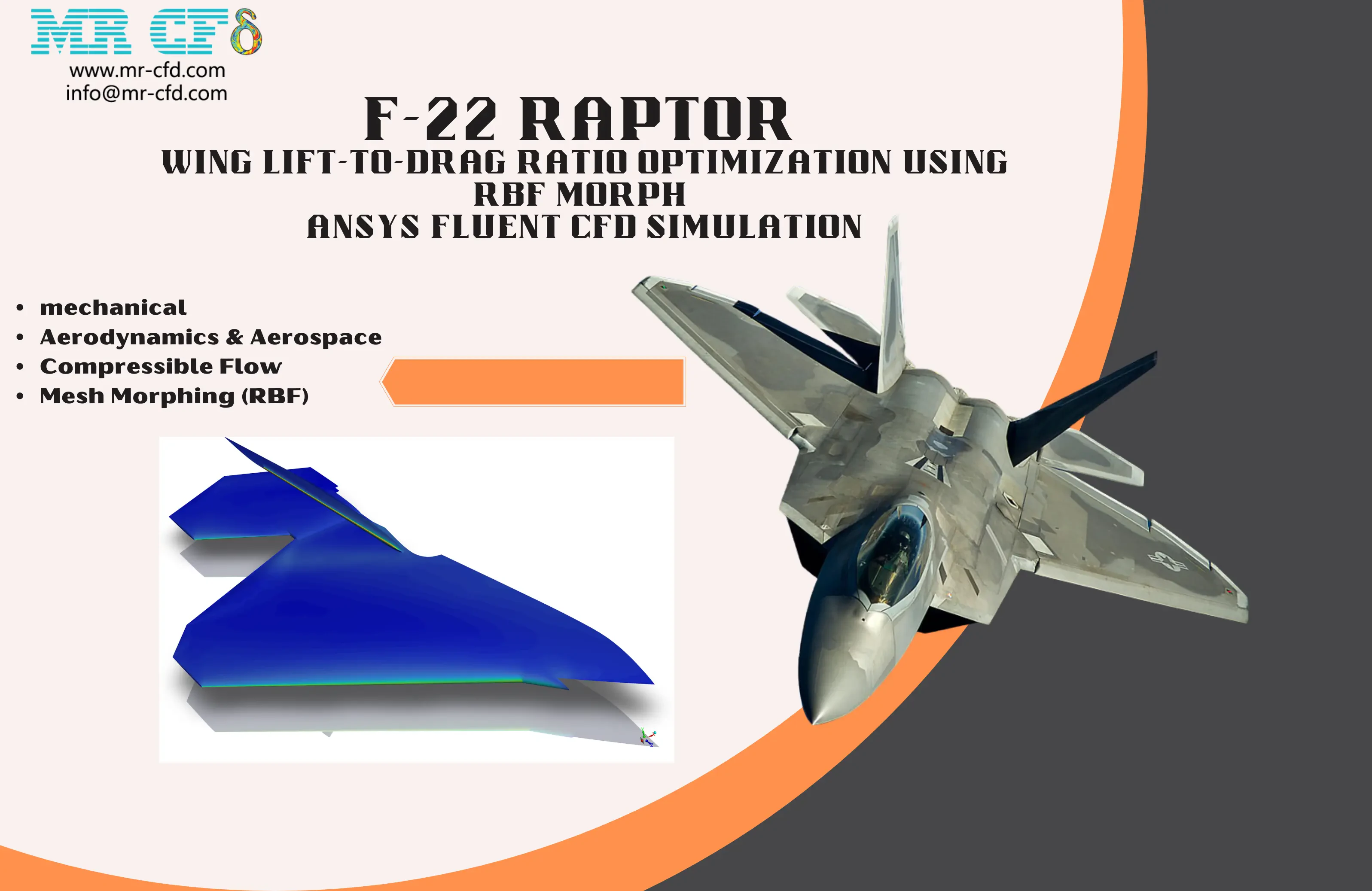
Price: $31.50
The problem numerically simulates the Lockheed Martin F-22 Raptor using ANSYS Fluent The geometry is designed in SpaceClaim, and the meshing is performed using fluent Meshing. The mesh type is polyhedral, and the element number equals 4,989,000. We aim to Maximize the Lift-to-Drag Ratio of wings. We use the Adjoint Solver to analyze the Shape Sensitivity. The Design Optimization is performed with the Gradient-based Radial Basis Function (RBF) used to apply Mesh Morphing.
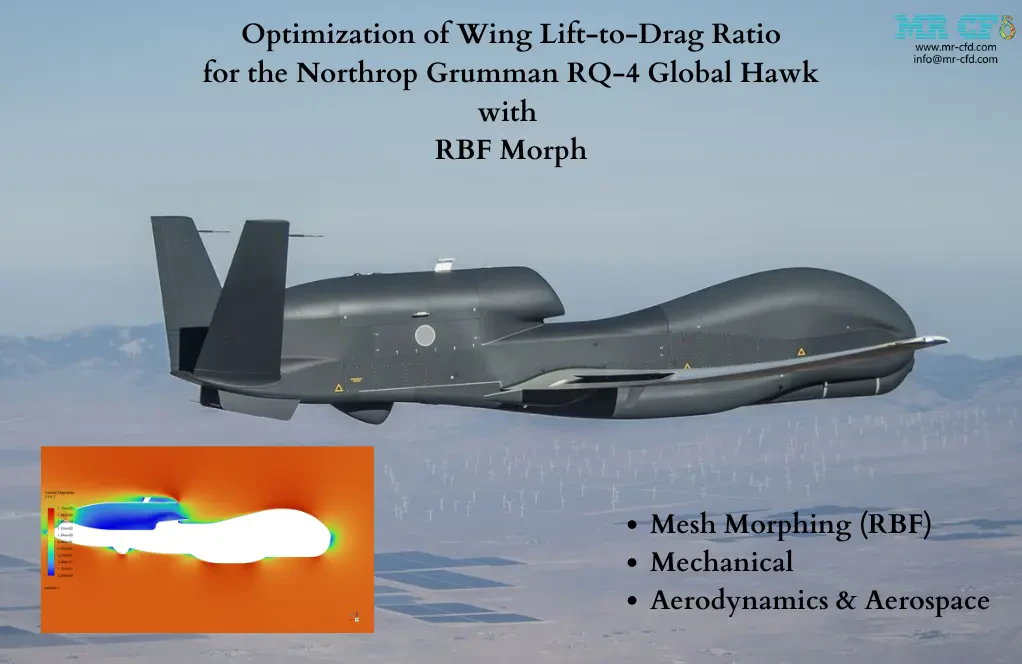
Optimization of Wing Lift-to-Drag Ratio for the Northrop Grumman RQ-4 Global Hawk with RBF Morph
Advanced
Price: $225
The problem numerically simulates the Northrop Grumman RQ-4 Global Hawk using ANSYS Fluent The geometry is designed in SpaceClaim, and the meshing is performed using fluent Meshing. The mesh type is polyhedral, and the element number equals 2,063,629. We aim to Maximize the Lift-to-Drag Ratio of wings. We use the Adjoint Solver to analyze the Shape Sensitivity. The Design Optimization is performed with the Gradient-based The Radial Basis Function (RBF) is used to apply Mesh Morphing.
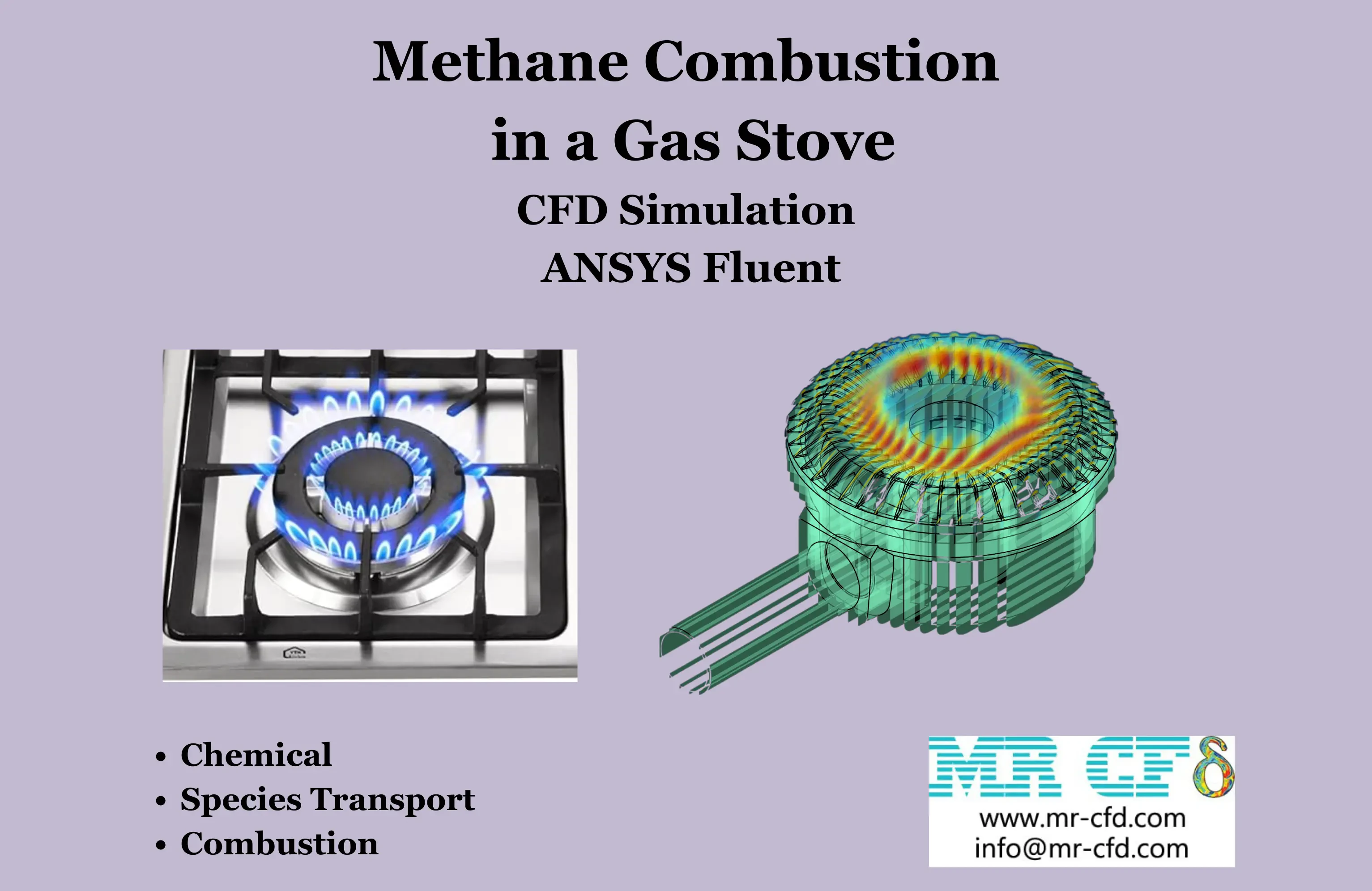
Methane Combustion in a Gas Stove CFD Simulation, ANSYS Fluent
Beginner, Intermediate
Price: $28
In this project, the combustion of methane in a gas stove was modeled using ANSYS Fluent. Methane mechanism was chosen for reaction mechanism and eddy dissipation model used for turbulence-chemistry. The geometry was created in Design Modeler, and a mesh consisting of 5,533,297 elements was generated using Fluent Meshing.

Optimization of Shell & Tube Heat Exchanger with Baffle-Cut, Industrial CFD Simulation
Beginner, Intermediate
Price: $180
In this project, an industrial CFD simulation of the Optimization of Shell & Tube Heat Exchanger with Baffle-Cut has been carried out, and the simulation results have been investigated.
Price: $225
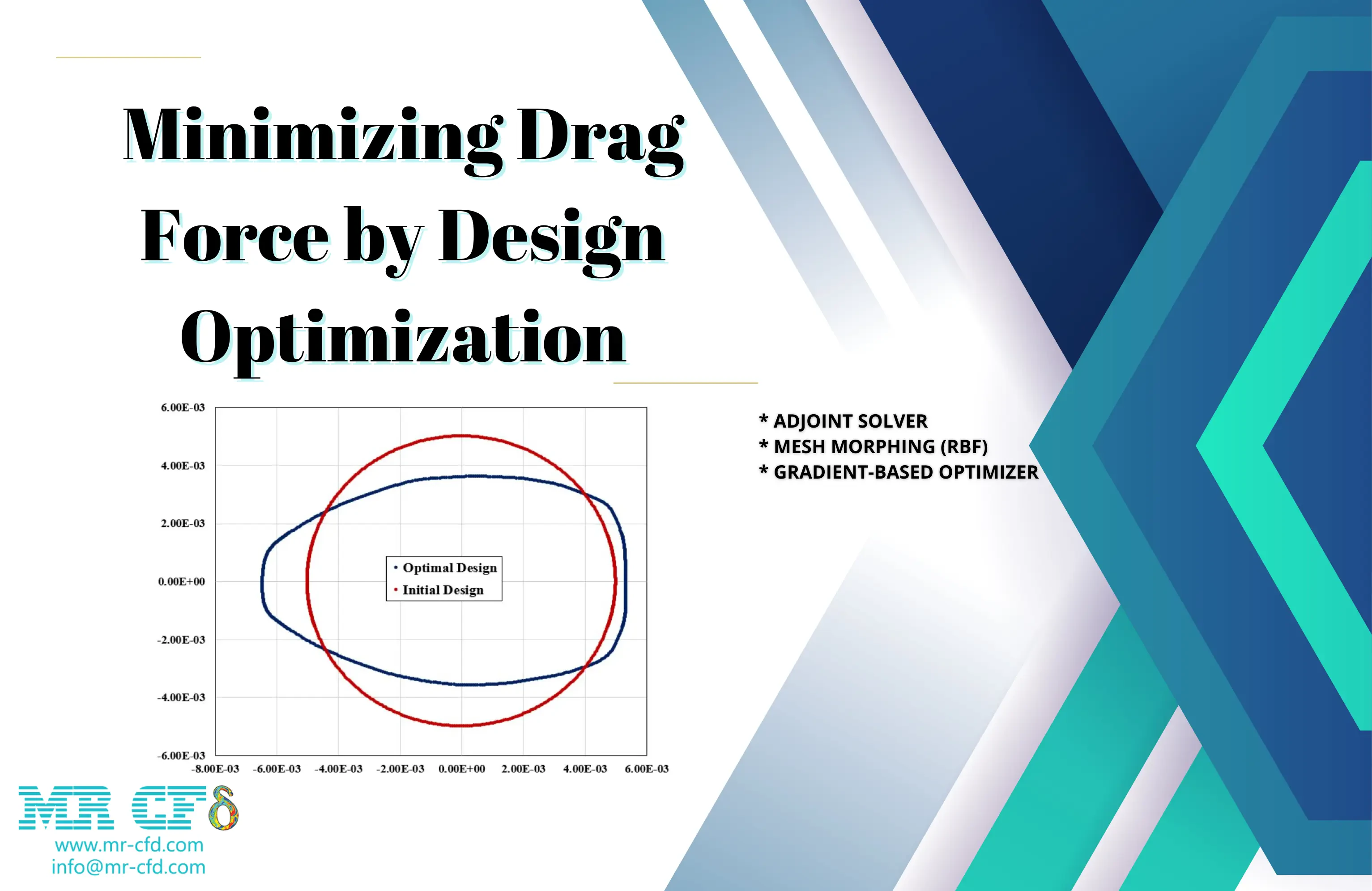
The problem numerically simulates the drag force on a simple cylindrical obstacle using ANSYS Fluent software. We design the 2-D model by the Design Modeler software and then mesh it with ANSYS Meshing software. The mesh type is Structured, and the element number equals 36000. We aim to Minimize the drag force in a three-step simulation. We use the Adjoint Solver to analyze the Shape Sensitivity. The Design Optimization is performed with the Gradient-based Optimizer. We use the Radial Basis Function (RBF) to apply Mesh Morphing.
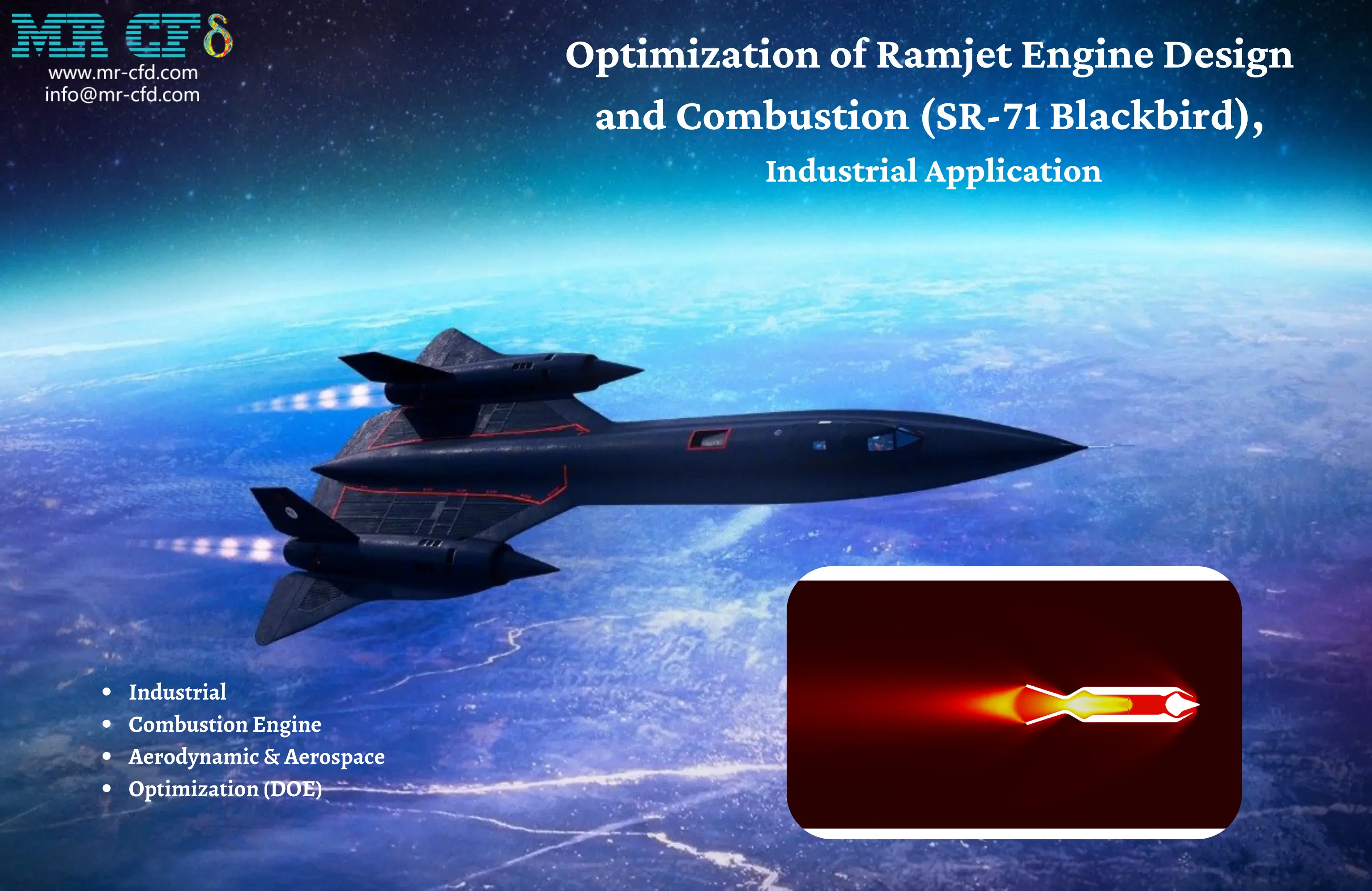
Ramjet Engine, Design and Combustion Optimization (SR-71 Blackbird), Industrial Application
Intermediate, Advanced
Price: $390
In this project, an industrial Ramjet Engine has been numerically simulated by ANSYS Fluent software. Studying Combustion, Mach Number, Pressure, Density (Compressible Flow), and Thermal analysis. Optimizing the Thrust number. Ramjet Design Improvement. RSM analysis applying DOE.
Price: $67
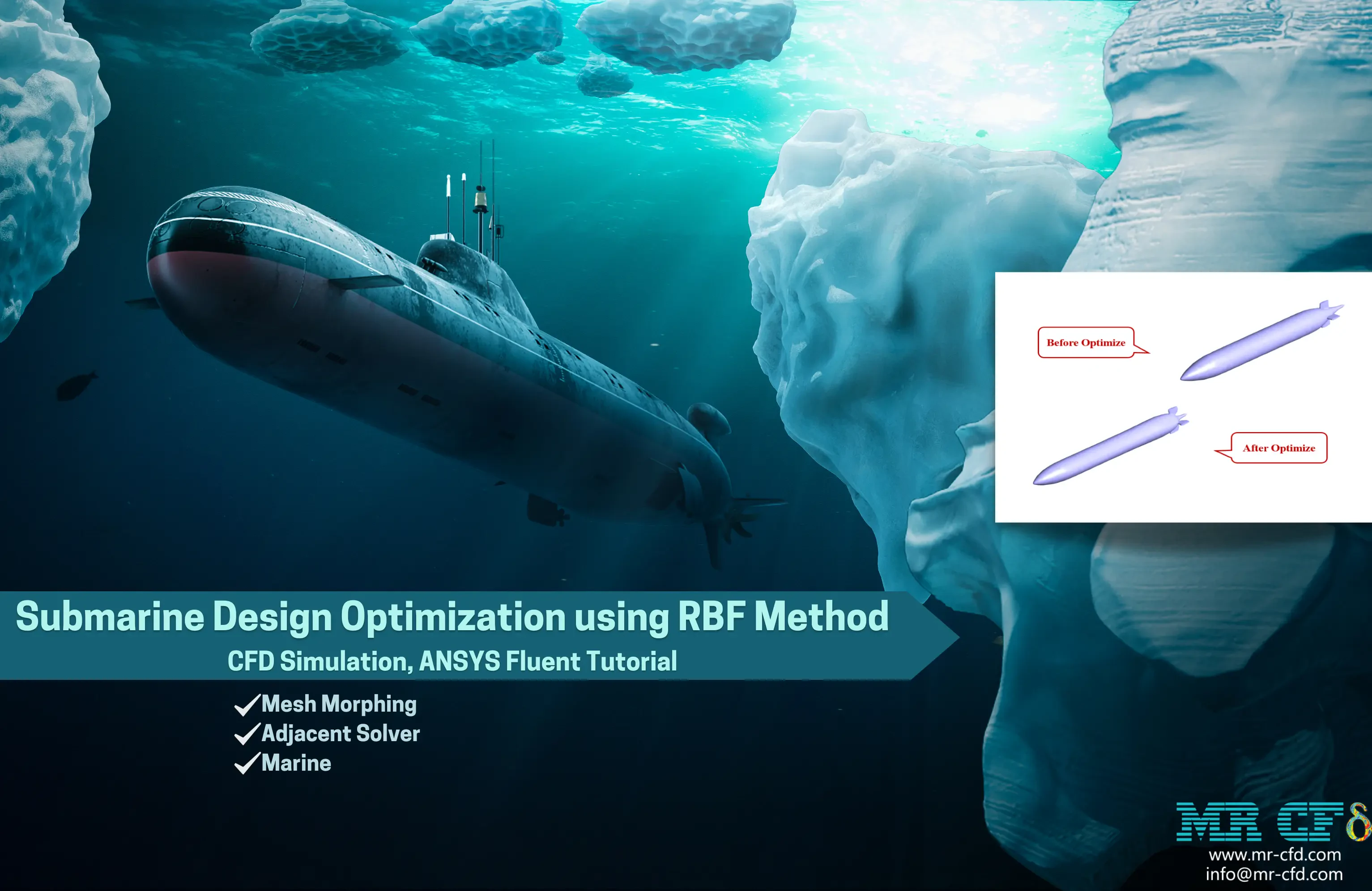
The current CFD Analysis optimizes the geometry of a Submarine via ANSYS Fluent software. We have designed the initial geometry using ANSYS Design modeler software and created the mesh on this geometry using ANSYS meshing software with 258,938 cells. RBF Morph (Adjoint Solver) is used for conducting the current problem.