

Marine Online Courses
Here's every CFD online course related to Marine category.
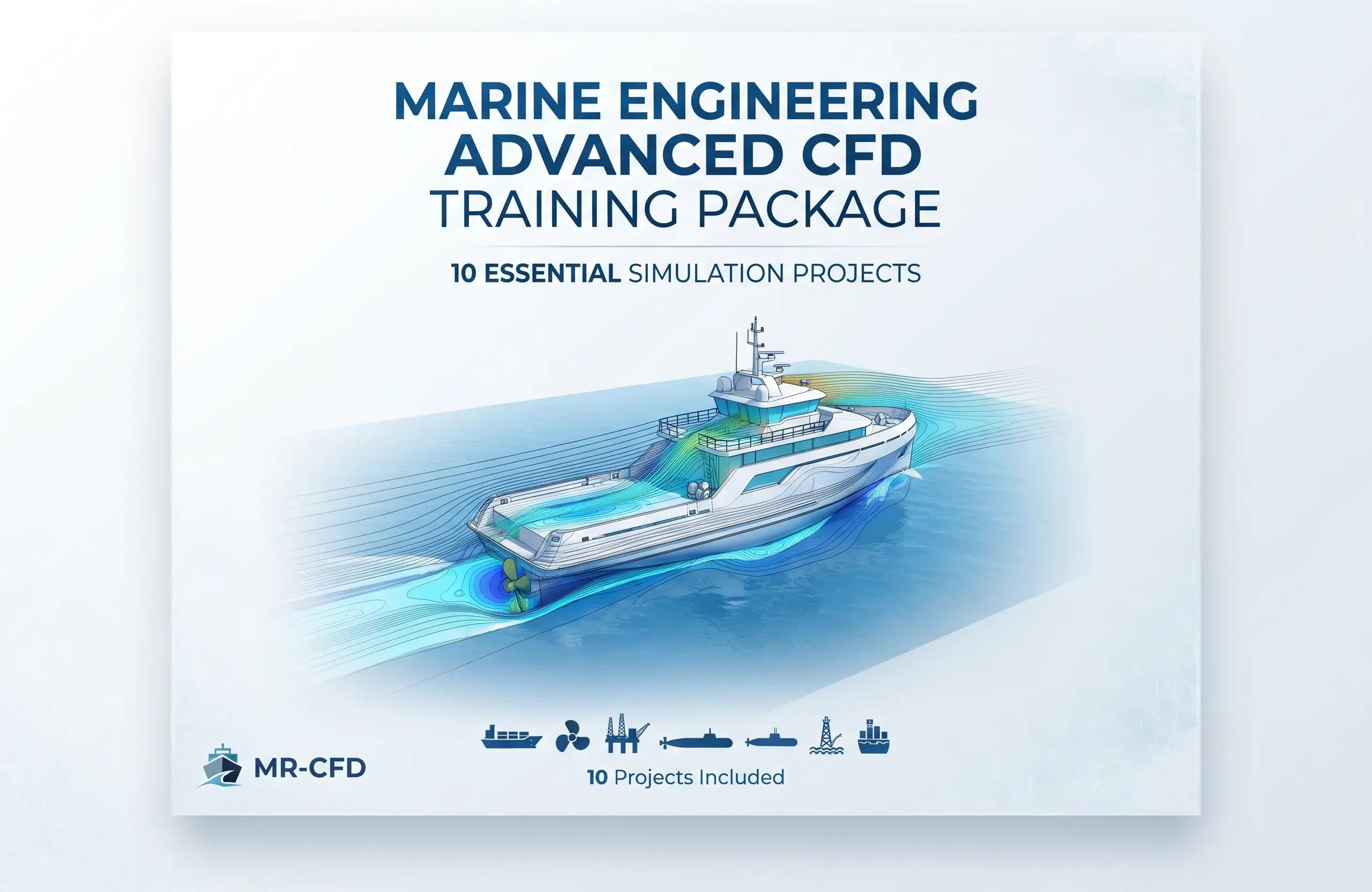
Marine Engineering: Advanced CFD Training Package
Intermediate, Advanced
Price: $89
Build intermediate-level expertise in marine engineering CFD with this 10-project ANSYS Fluent training package — covering vessel and submarine dynamic mesh motion, tidal turbine performance and vibration, wave and sloshing dynamics, and marine environmental phenomena.
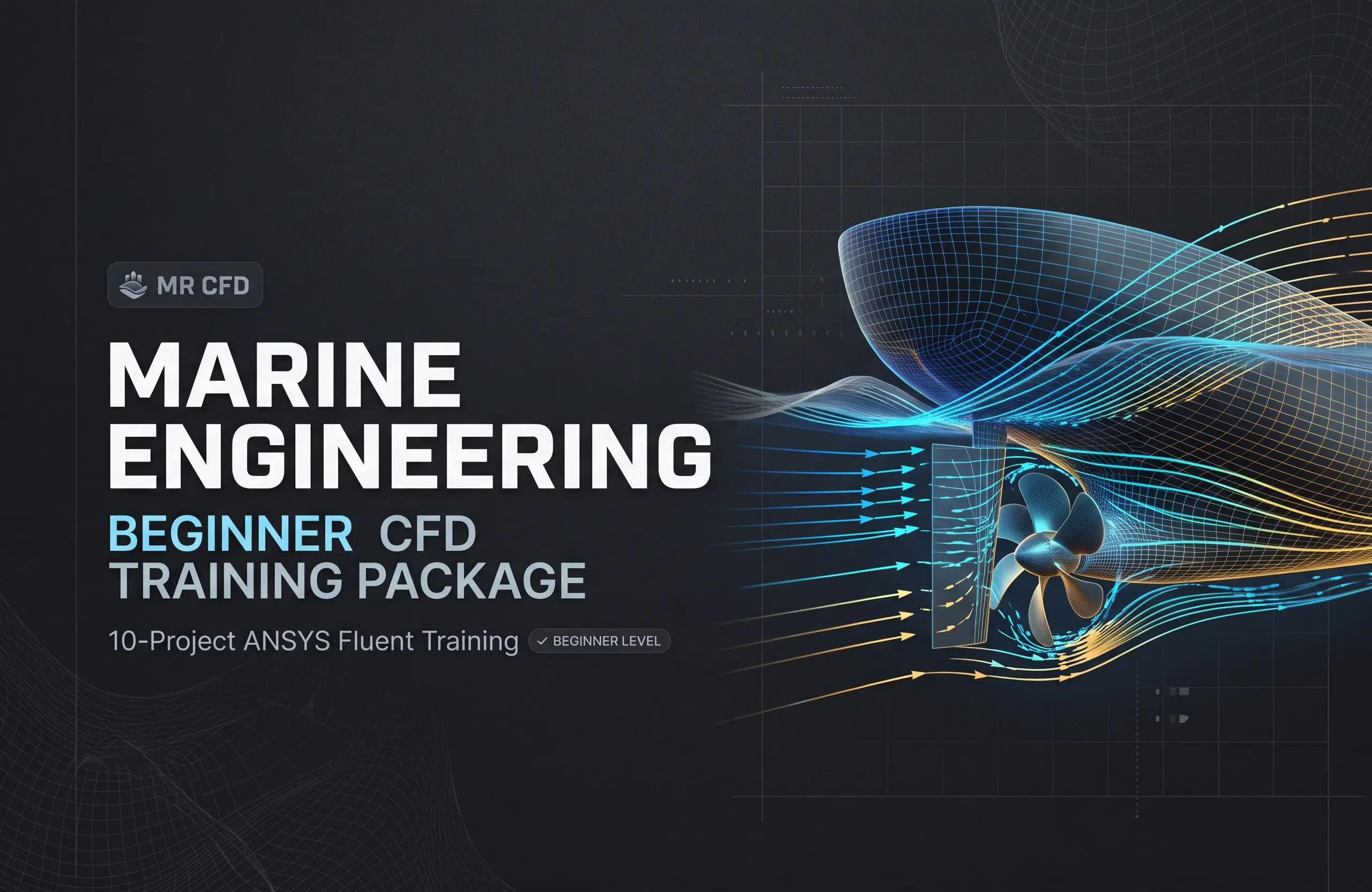
Marine Engineering: Beginner CFD Training Package
Beginner, Intermediate
Price: $59
Marine Engineering: Beginner CFD Training Package is a ten-project introduction to marine and hydrodynamic simulation in ANSYS Fluent. Starting from ship-system internal airflow and progressing through hydrodynamic loading, free-surface waves, moving-body dynamic-mesh problems, and cavitating flows, it gives newcomers a hands-on, application-driven foundation in the CFD techniques behind modern marine, offshore, and ocean-energy engineering — one real engineering case at a time.
Price: $49
The final step in the series, this course covers the most demanding version of each project — high-speed and reacting flows, fluid-structure interaction, UDFs, and moving geometry — the kind of coupled, multi-physics problems most CFD engineers never get past. It's built for those who want to solve undefined, real-world problems and defend their results with confidence.
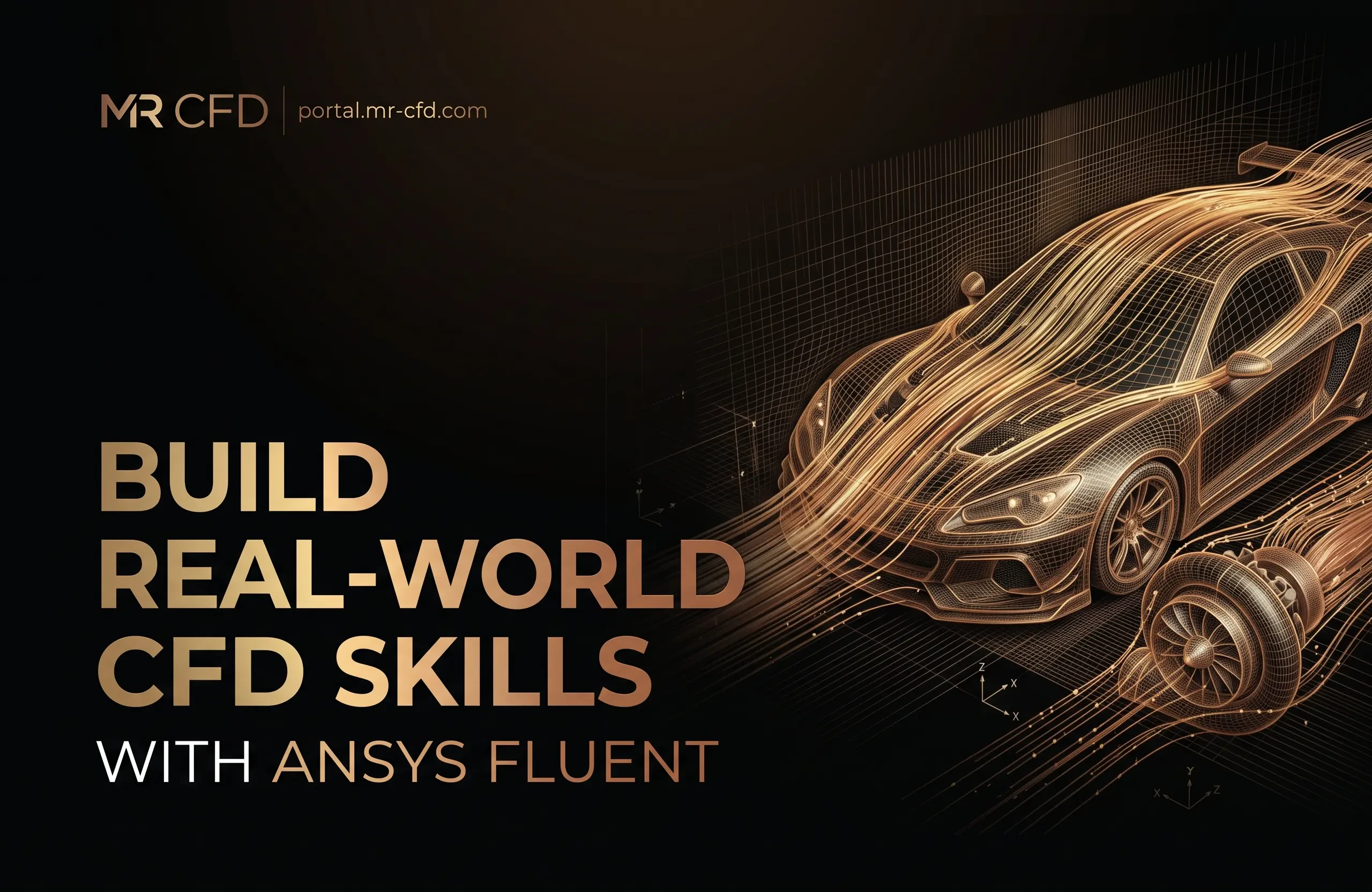
Build Real-World CFD Skills with ANSYS Fluent
Intermediate
Price: $29
Building on the fundamentals, this course tackles harder, more realistic versions of the same 16 engineering fields and flow models, introducing multi-phase interactions, transient behavior, and more demanding boundary conditions. You'll leave with the skills to handle real project complexity, not just tutorial-scale problems.
Price: $9
This course takes you from zero to your first working simulations in ANSYS Fluent, covering foundational projects across 16 engineering fields — aerospace, biomedical, chemical, HVAC, marine, renewable energy, and more — alongside core flow models and Fluent modules. By the end, you'll be comfortable setting up, running, and interpreting basic CFD simulations on your own.
Marine GOLDEN Training Package
Beginner, Intermediate, Advanced
Price: $999
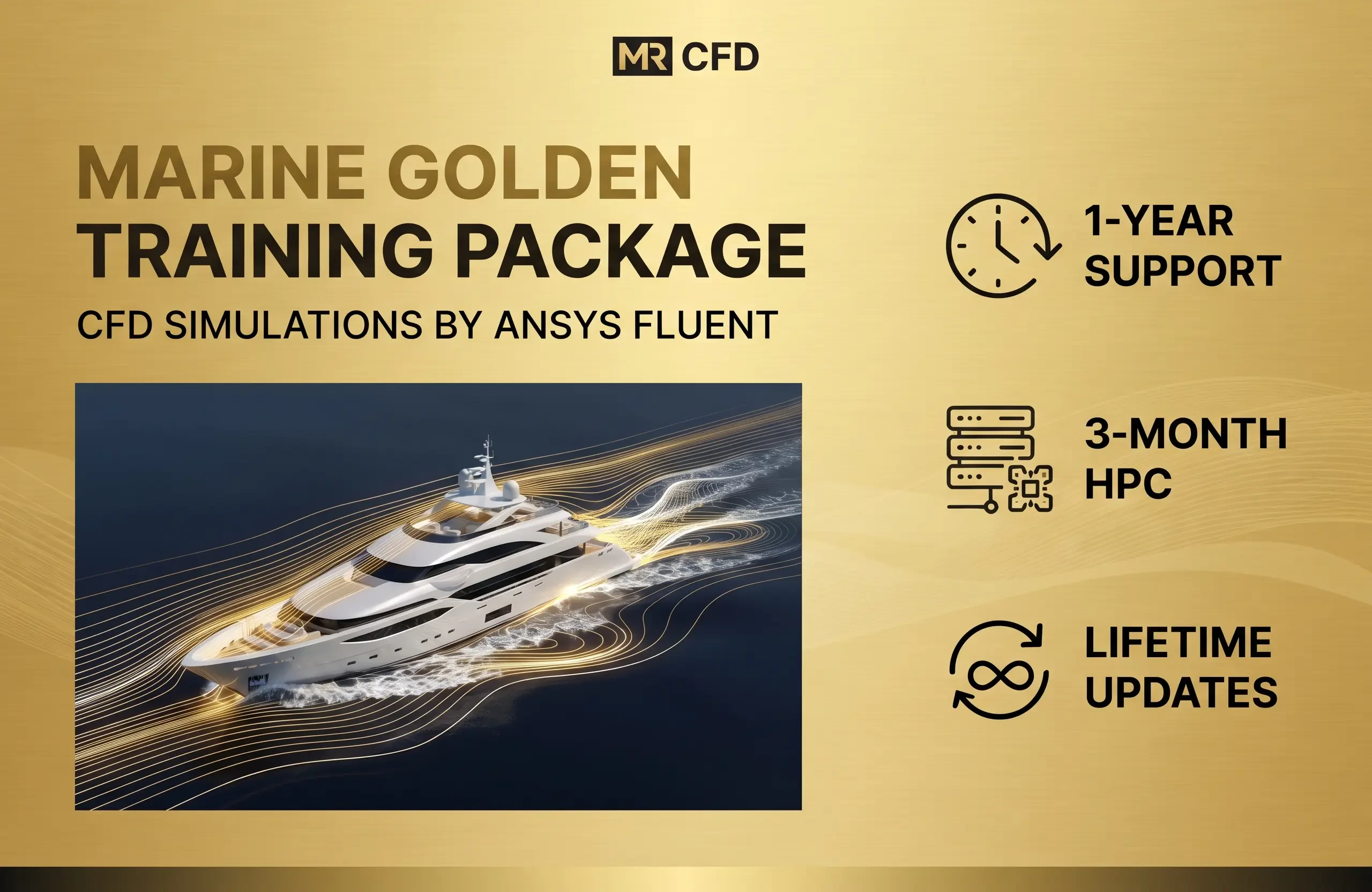
Master Marine CFD simulation with MR-CFD's Golden Training Package—50+ ANSYS Fluent Tutorials! Empower teams, professors, and institutes with pre-simulated projects on hull hydrodynamics, cavitation, sloshing, 6DOF motion, FSI, offshore structures, waves, and renewables. From boat propellers to tidal turbines, get step-by-step geometry-to-post-processing, 1-year expert support, 3-month HPC, and 15+ years of proven expertise—rapid onboarding, cost savings, and industry-ready skills.
Projectile Cavitation (3D) CFD Simulation
Intermediate, Advanced
Price: $140
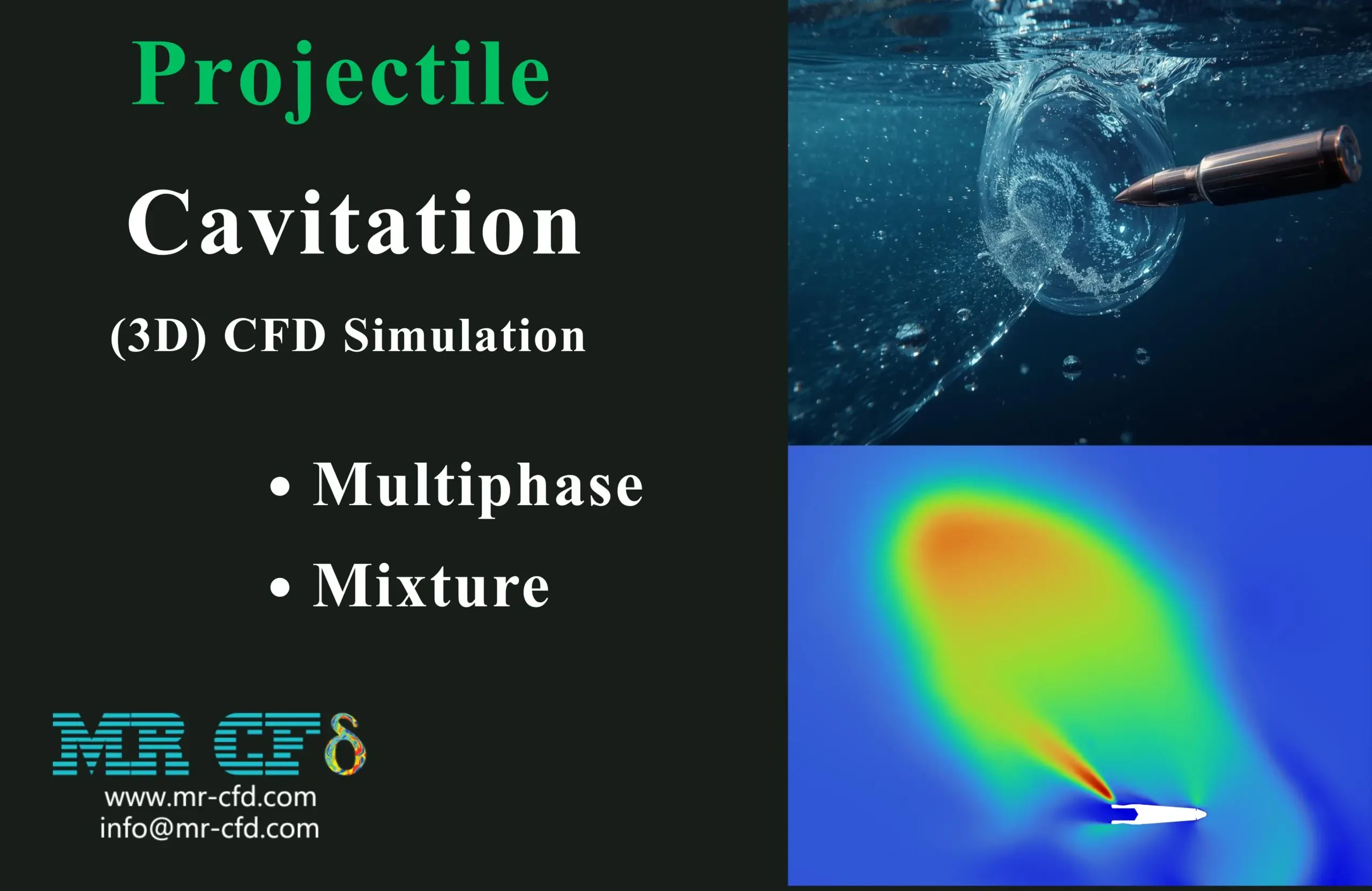
The projectile cavitation study investigates the formation and development of a vapor cavity around a projectile 3D transient CFD of a projectile moving obliquely in water using ANSYS Fluent, with mixture cavitation and realizable Two inlet velocities (10 and 20 m/s) are applied to study cavitation inception and development. At 10 m/s the vapor cavity forms only locally and collapses quickly, so cavitation disappears. At 20 m/s a large, stable cavity develops around the projectile and extends into the wake.
T-Shape Slot CFD Simulation of Water-Sand Multiphase Flow Using DDPM
Intermediate, Advanced
Price: $20
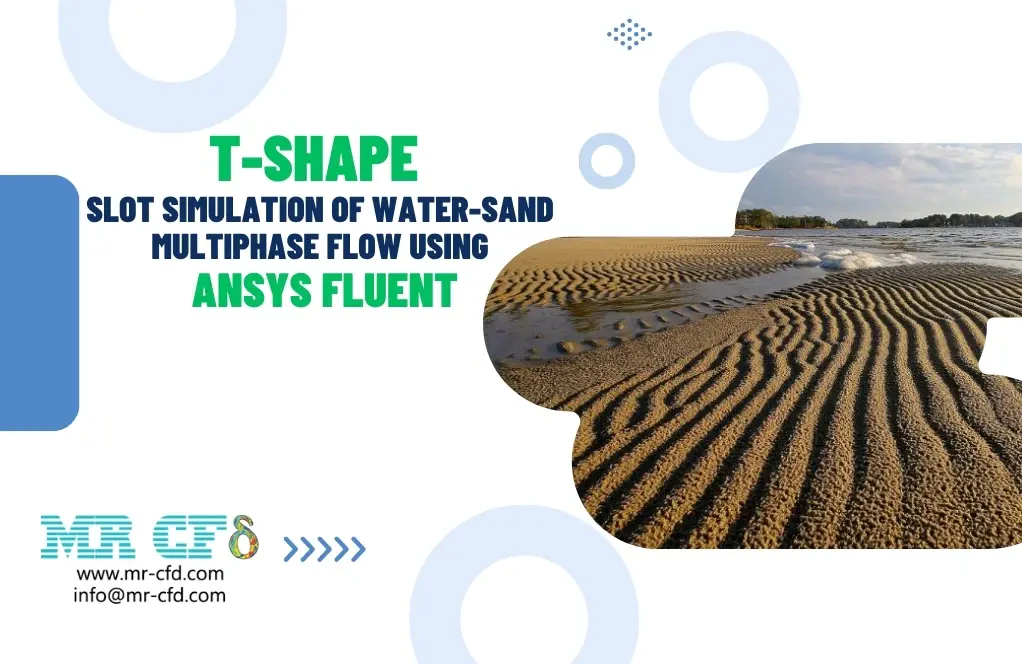
Simulate multiphase flow in complex T-shape geometries with high-fidelity CFD Eulerian and Dense Discrete Phase Modeling (DDPM) for sand-water interaction Apply transient solvers and advanced turbulence models in ANSYS Fluent Develop expertise in modeling sediment transport and particle-laden flows
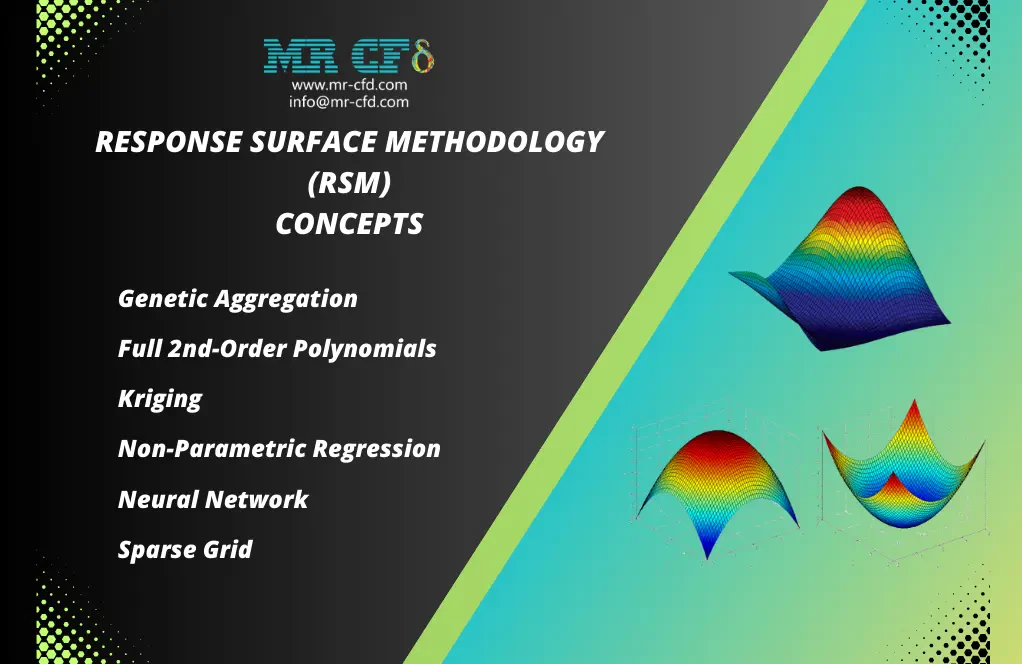
Response Surface Methodology (RSM) Concepts, Optimization by ANSYS Fluent
Beginner, Intermediate, Advanced
Price: Free
Introduction to the Response Surface Methodology (RSM) in ANSYS Fluent software Introduction to the Genetic Aggregation Introduction to the Full 2nd-Order Polynomials Introduction to the Kriging Introduction to the Non-Parametric Regression Introduction to the Neural Network Introduction to the Sparse Grid