

VOF Online Courses
Here's every CFD online course related to VOF category.
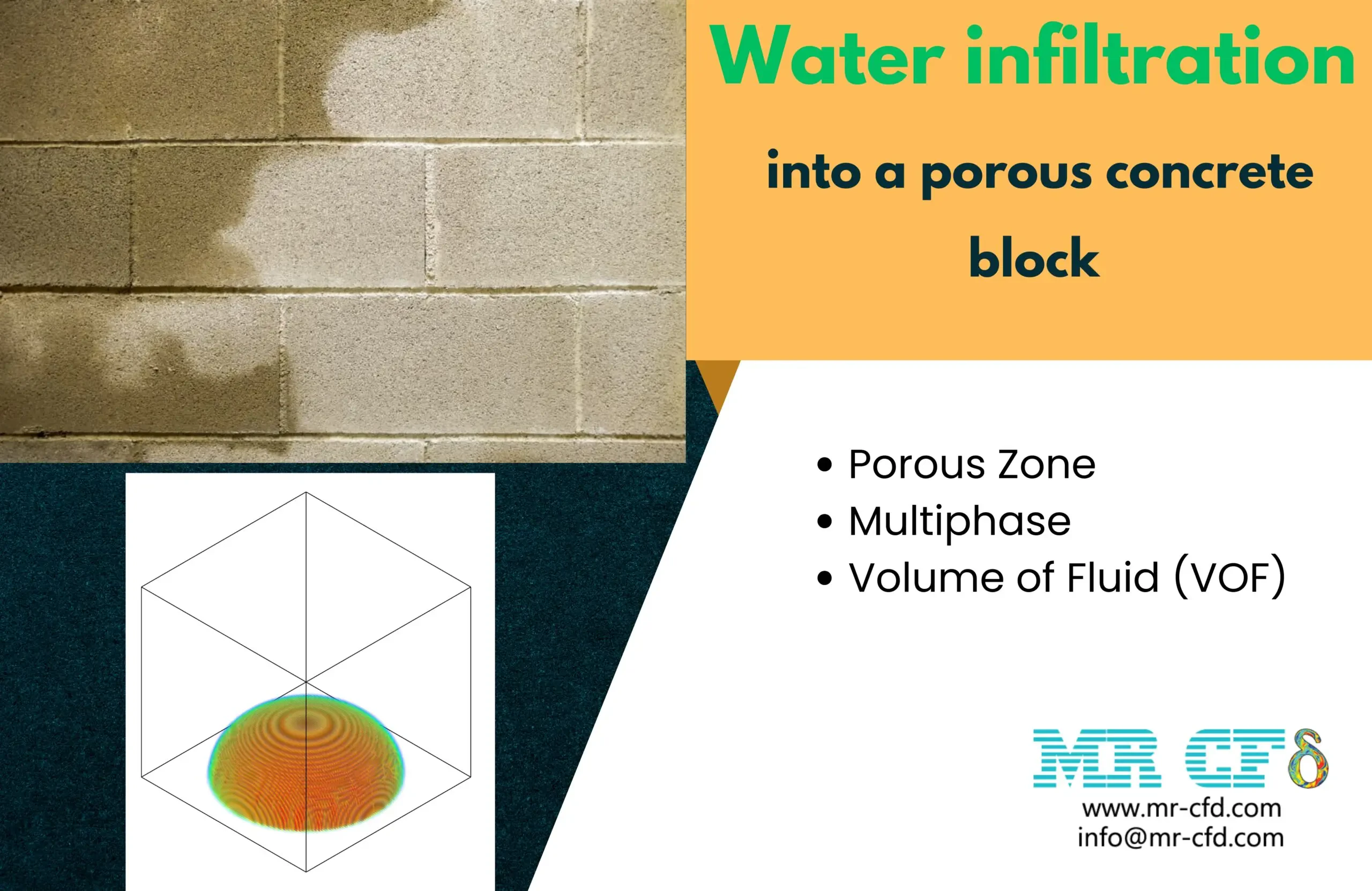
Water Infiltration into a Porous Concrete Block, ANSYS Fluent Simulation Training
Beginner, Intermediate
Price: $24
The problem numerically simulates Water infiltration into a porous concrete block using ANSYS Fluent software. We design the 3-D model by the Design Modeler software. We Mesh the model by ANSYS Meshing software, and the element number about 1million. We perform this simulation as unsteady (Transient). We use the Porous medium to study water infiltration into a porous concrete block. We use the VOF Multi-Phase model to define two-phase flow inside a concrete block.
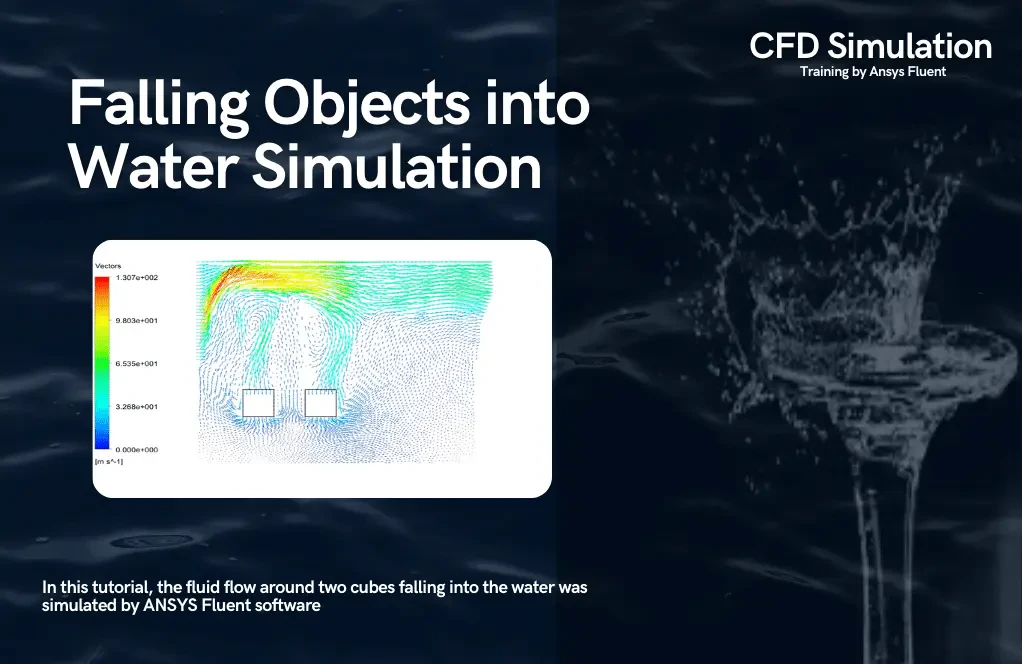
Price: $72
The problem numerically simulates the Falling Objects into Water using ANSYS Fluent software. We design the 2-D model by the Design Modeler software. We Mesh the model by ANSYS Meshing software, and the element number equals 8727. We perform this simulation as unsteady (Transient). We use Dynamic Mesh to apply mesh changes over time. A UDF is used to define cubes' motion toward the water surface. We use the VOF Multi-Phase model to define water and air.
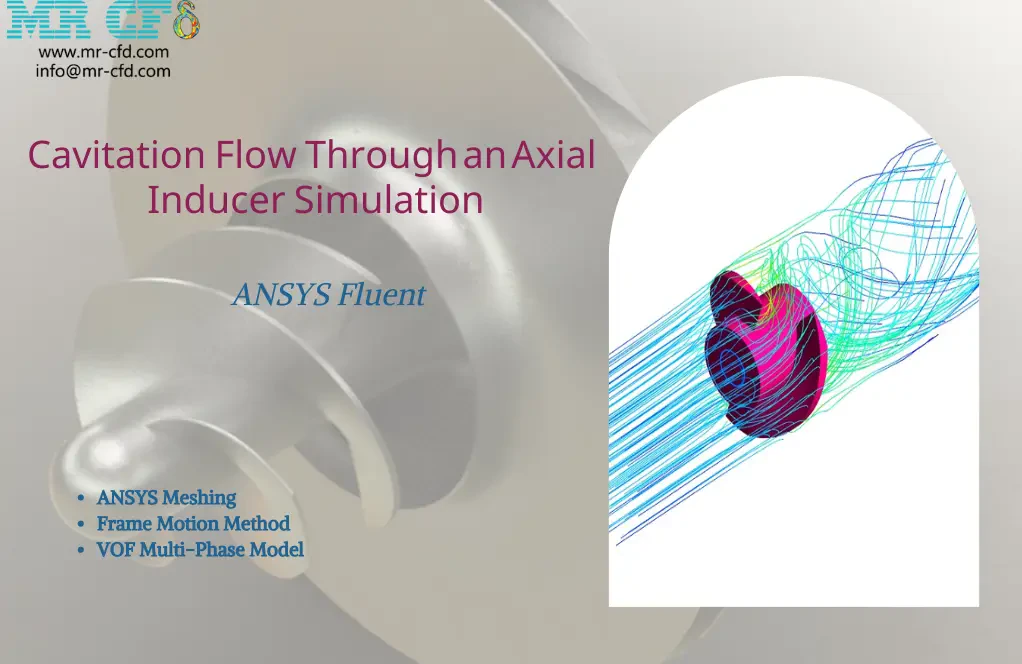
Cavitation Flow Through an Axial Inducer Simulation
Intermediate
Price: $80
The problem numerically simulates Cavitation Flow Through an Axial Inducer using ANSYS Fluent software. We design the 3-D model by the Design Modeler software. We Mesh the model by ANSYS Meshing software, and the element number equals 938174. We use the Frame Motion method to define the rotational movement in cell zone conditions. We use the VOF Multi-Phase model to define the two-phase flow, including liquid and vapor.
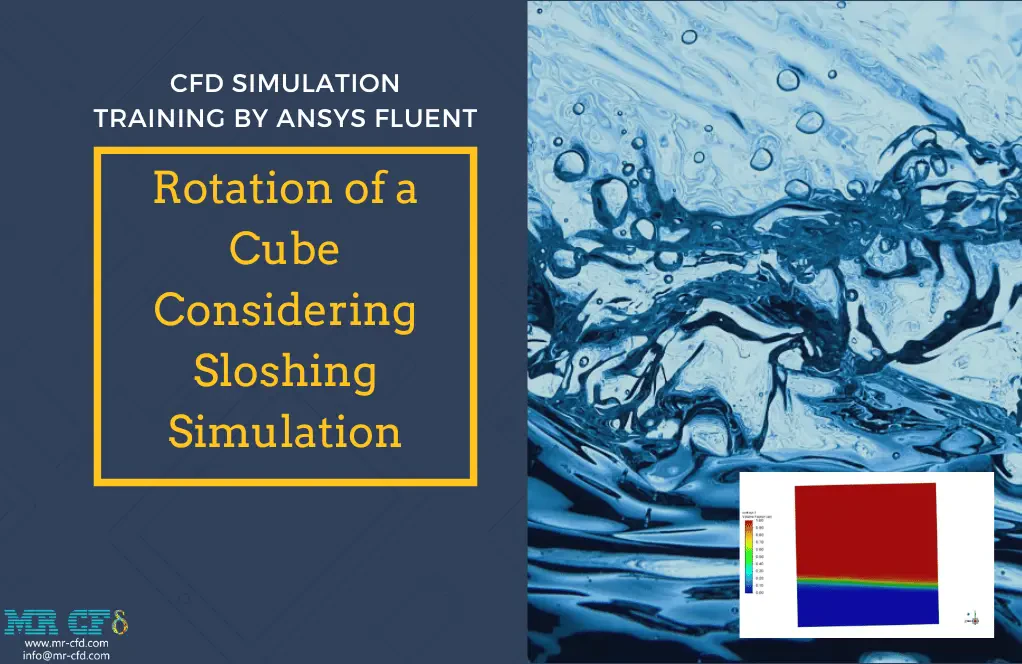
Price: $240
The problem numerically simulates the Rotation of a Cube Considering Sloshing using ANSYS Fluent software. We design the 3-D model with the Design Modeler software. We mesh the model with ANSYS Meshing software, and the element number equals 168367. We perform this simulation as unsteady (Transient). We use the VOF Multiphase model to define water and air. We use a UDF to define the variable angular velocity of the cube's rotation.
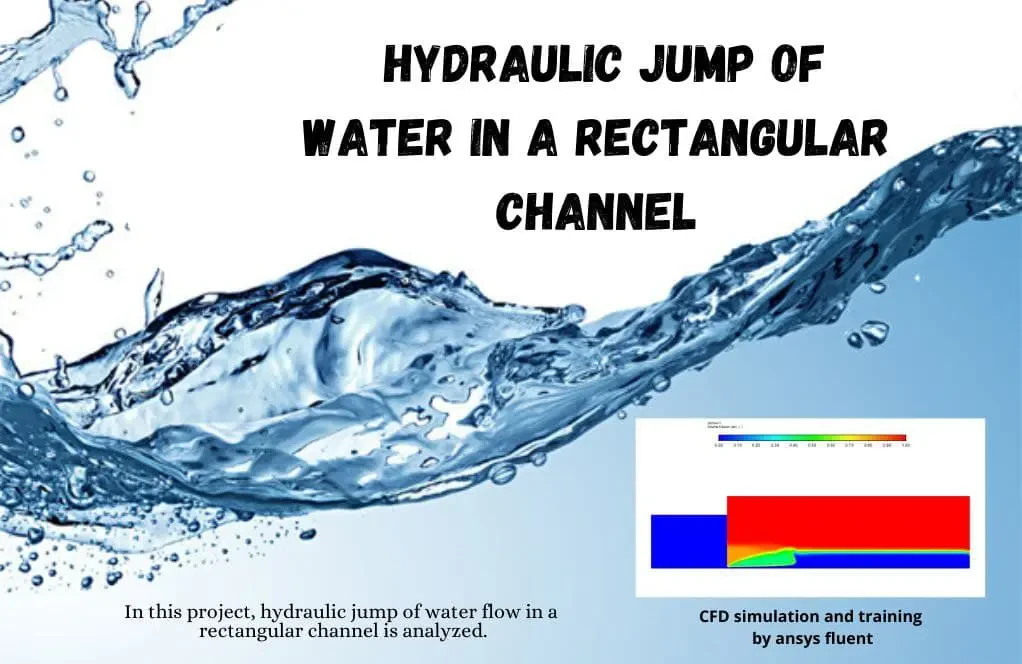
Hydraulic Jump of Water in Rectangular Channel, ANSYS Fluent Training
Beginner, Intermediate
Price: $20
In this project, hydraulic jump of water flow in a rectangular channel is analyzed.
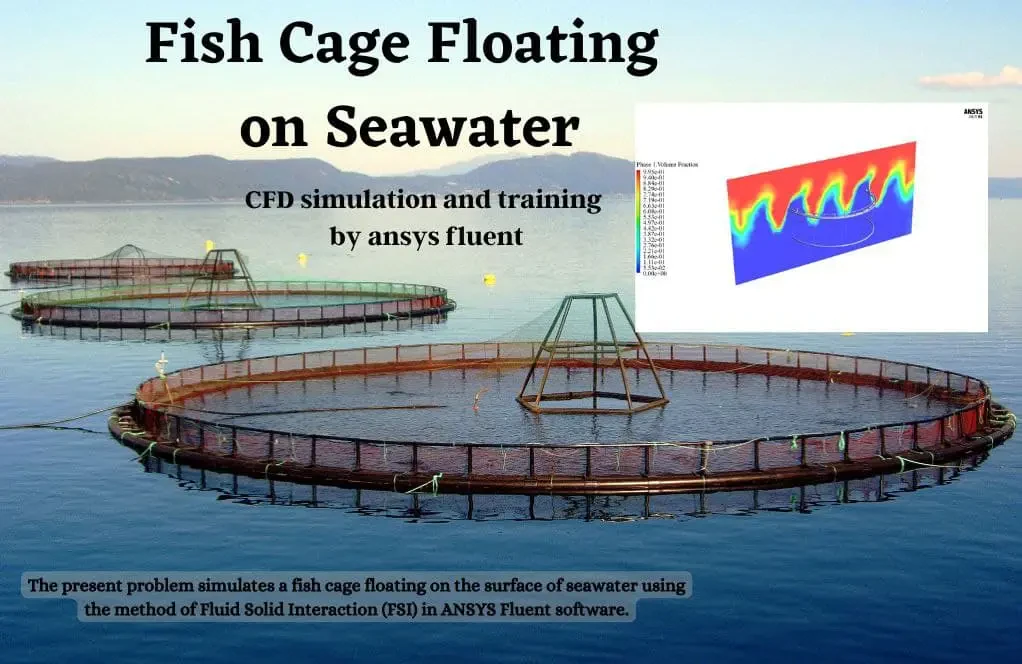
Price: $99
The problem numerically simulates Fish Cage Floating on Seawater using ANSYS Fluent software. This project is performed by the fluid-structure interaction (FSI) method. We design the 3-D model by the Design Modeler software. We Mesh the model by ANSYS Meshing software, and the element number equals 4922130. We perform this simulation as unsteady (Transient). We use the Dynamic Mesh method to consider grid changes over time. We apply the System Coupling to communicate between Fluent and Transient Structural software. We use the VOF Multi-Phase model to define the two-phase flow, including water and air.
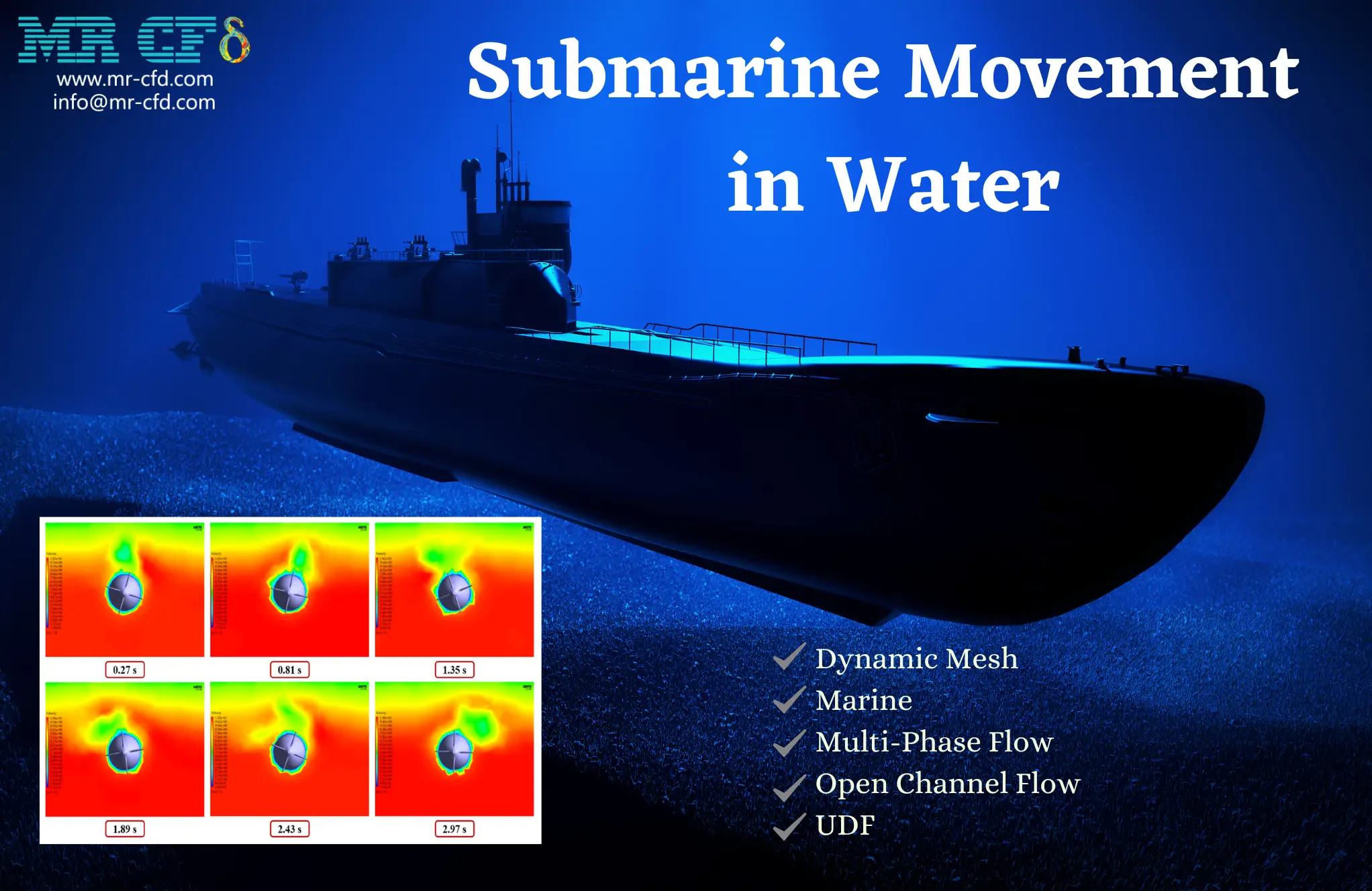
Self-Propelled Submarine Motion, Dynamic Mesh (6-DOF)
Intermediate, Advanced
Price: $99
The problem numerically simulates Self-Propelled Submarine Motion using ANSYS Fluent software. We design the 3-D model with the CATIA software. We Mesh the model with ICEM software, and the element number equals 2802219. We perform this simulation as unsteady (Transient). We use the Dynamic Mesh method to define grid changes. We use a UDF to define the movement as a Rigid Body. We use the VOF Multi-phase model to consider water and air.
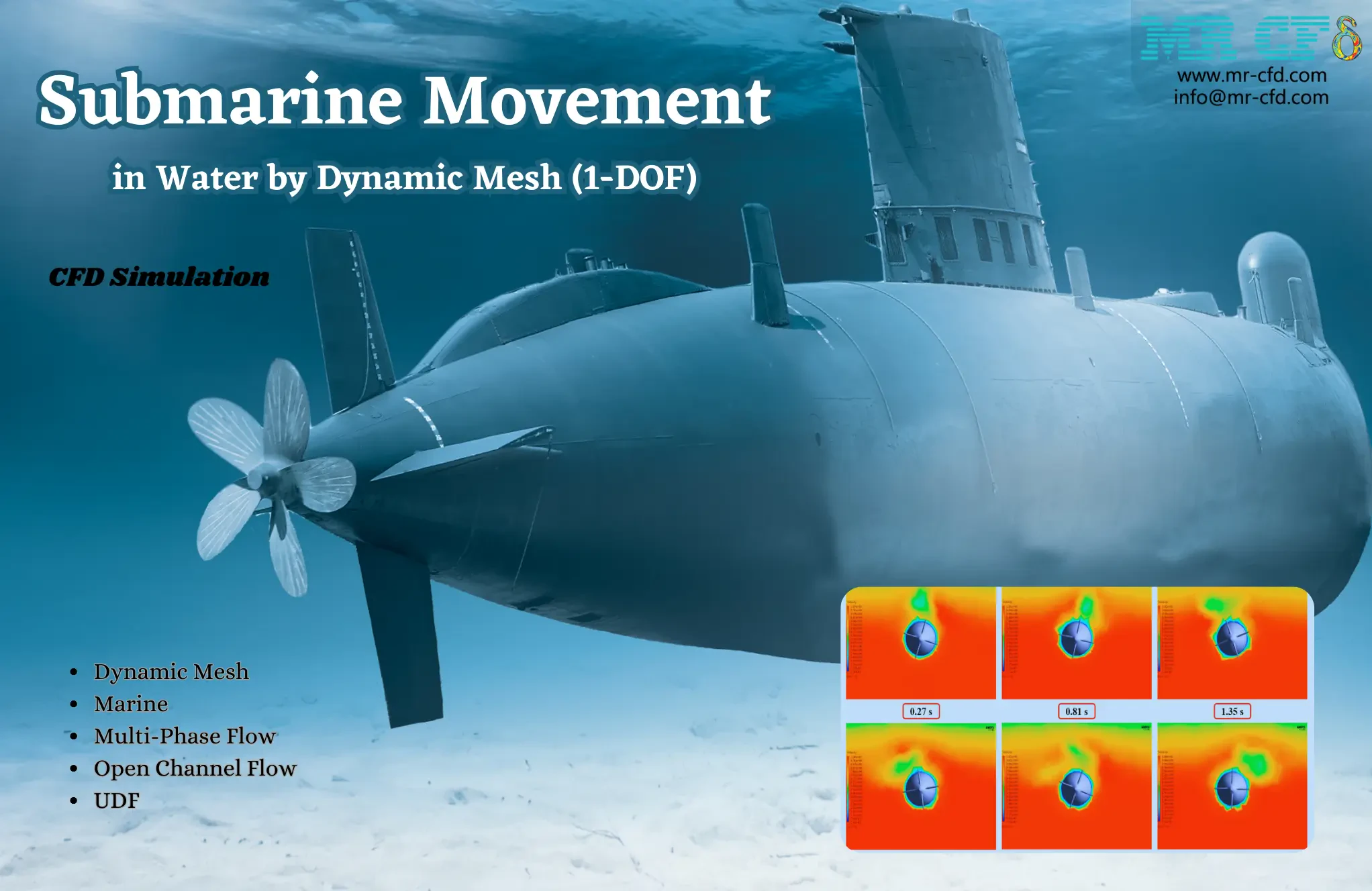
Submarine Movement in Water by Dynamic Mesh (1-DOF)
Intermediate, Advanced
Price: $99
The problem numerically simulates the Submarine Movement in Water using ANSYS Fluent software. We design the 3-D model with the Design Modeler software. We mesh the model with ANSYS Meshing software, and the element number equals 316846. We define the Dynamic Mesh model to define the instantaneous change of meshing. We use a UDF to define the rotational movement. We define a rigid body by considering one degree of freedom. We use the VOF Multi-phase model to define water and air.
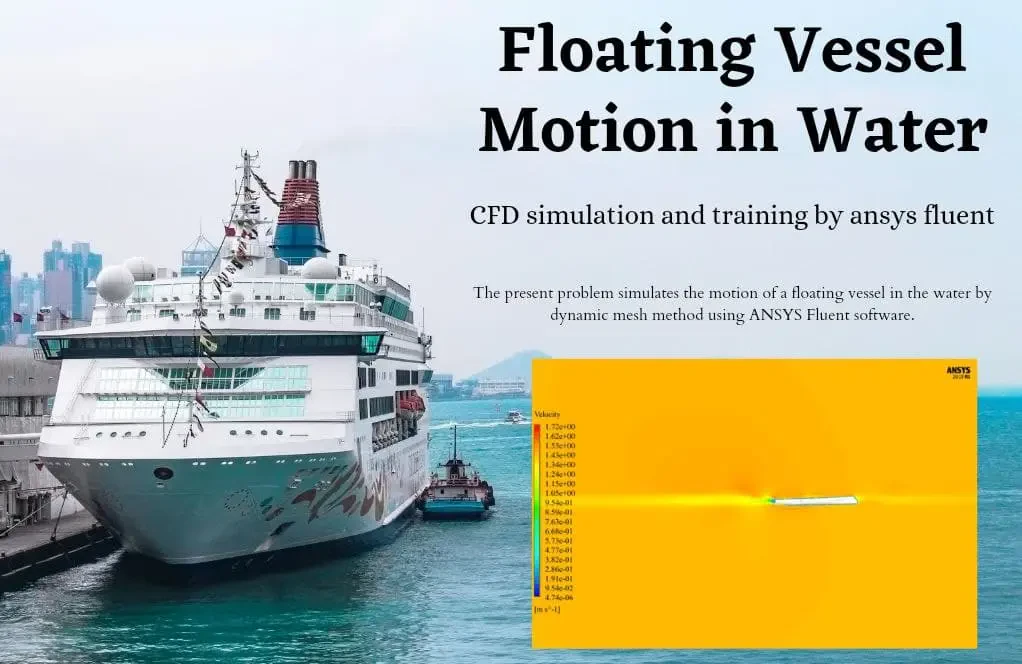
Floating Vessel Motion in Water by Dynamic Mesh, ANSYS Fluent Training
Intermediate, Advanced
Price: $60
The problem numerically simulates the Floating Vessel Motion in Water using ANSYS Fluent software. We design the 3-D model with the Design Modeler software. We mesh the model with ANSYS Meshing software, and the element number equals 902808. We perform this simulation as unsteady (Transient). We use the Dynamic Mesh model to define the instantaneous change of meshing. We use a UDF to define the motion with two degrees of freedom. We use the VOF Multiphase model and the Open Channel condition to define the water level inside the air.