

ANSYS Fluent Online Courses
Here's every CFD online course related to ANSYS Fluent category.
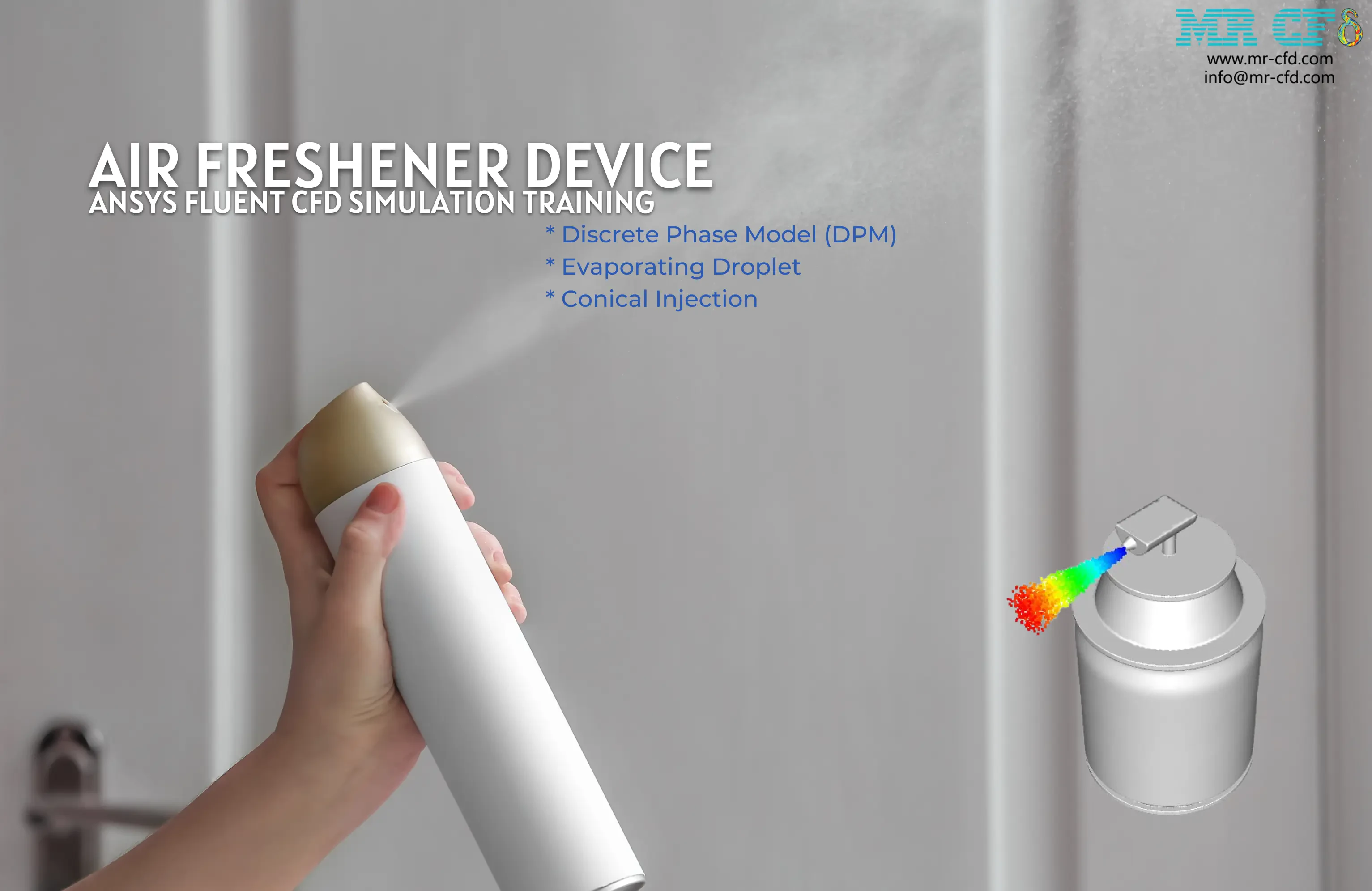
Air Freshener Spray Device CFD Simulation
Beginner, Intermediate
Price: $24
The problem numerically simulates the Air Freshener Device using ANSYS Fluent software. We design the 3-D model with the Design Modeler software. We mesh the model with ANSYS Meshing software, and the element number equals 357758. We use the discrete phase model (DPM) to define a Spray process. The Species Transport is defined to select Evaporative Droplet injection for particles.

Inhaler Asthma Spray, CFD Simulation ANSYS Fluent Tutorial
Beginner, Intermediate
Price: $20
The problem numerically simulates the Inhaler Asthma Spray using ANSYS Fluent software. We design the 3-D model by the Design Modeler software. We mesh the model with ANSYS Meshing software, and the element number equals 752277. We use the discrete phase model (DPM) to define a Spray process.
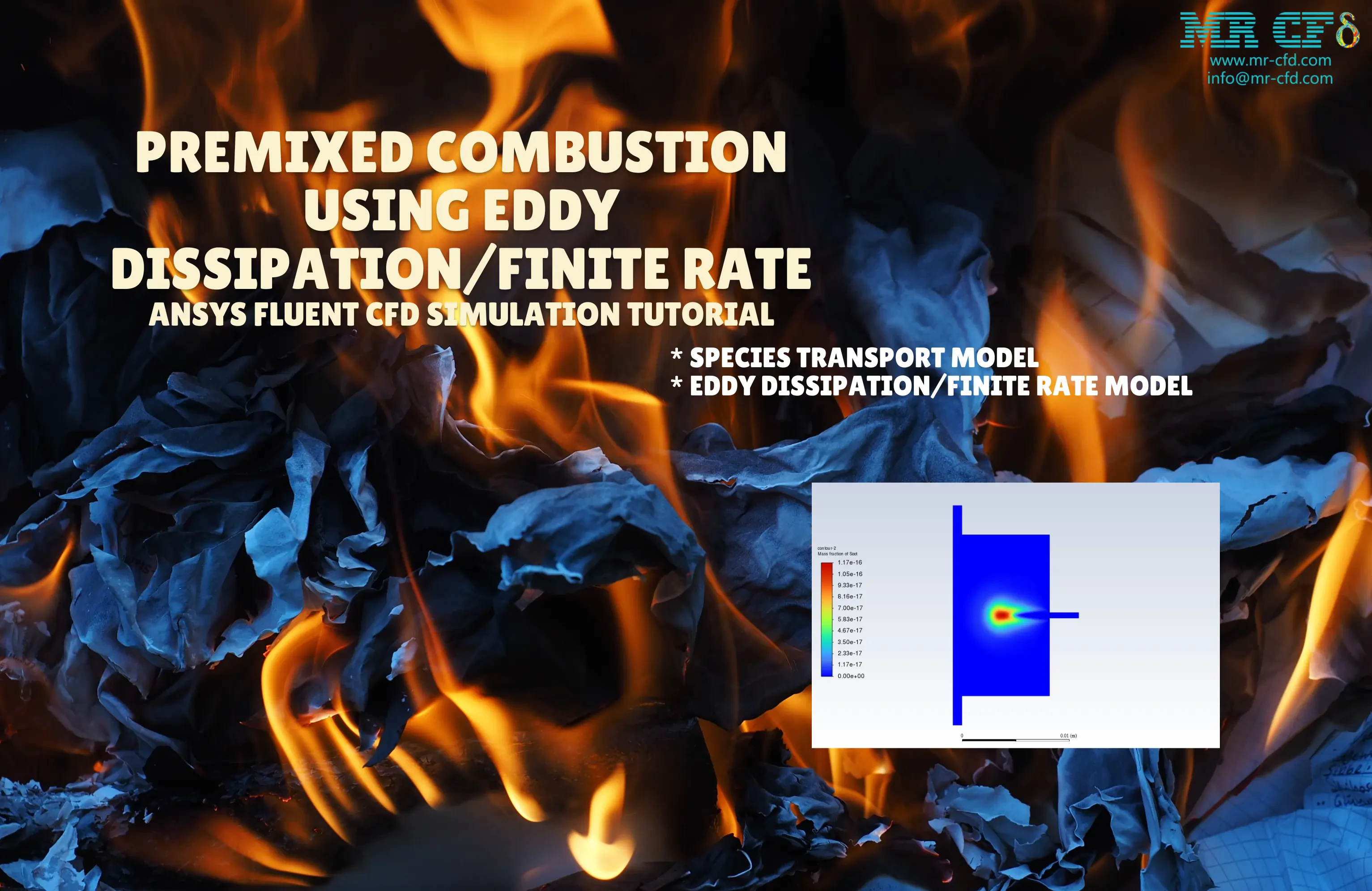
Premixed Combustion, Eddy Dissipation / Finite Rate Model, ANSYS Fluent CFD Simulation Training
Intermediate
Price: $42
The problem numerically simulates the Premixed Combustion in a combustion chamber using ANSYS Fluent software. We design the 2-D model by the Design Modeler software. We mesh the model with ANSYS Meshing software. The mesh type is Structured, and the element number equals 86002. We use the Species Transport model to define a Combustion reaction. Eddy Dissipation / Finite Rate Model is applied.

Price: $180
The problem numerically simulates the pressure drop in a tube with a U-shaped bend using ANSYS Fluent software. We design the 2-D model by the Design Modeler software and then mesh it with ANSYS Meshing software. The mesh type is Structured, and the element number equals 26400. We aim to Minimize the pressure drop in a three-step simulation. We use the Adjoint Solver to analyze the Shape Sensitivity. The Design Optimization is performed with the Gradient-based Optimizer. We use the Radial Basis Function (RBF) to apply Mesh Morphing.
Price: $225
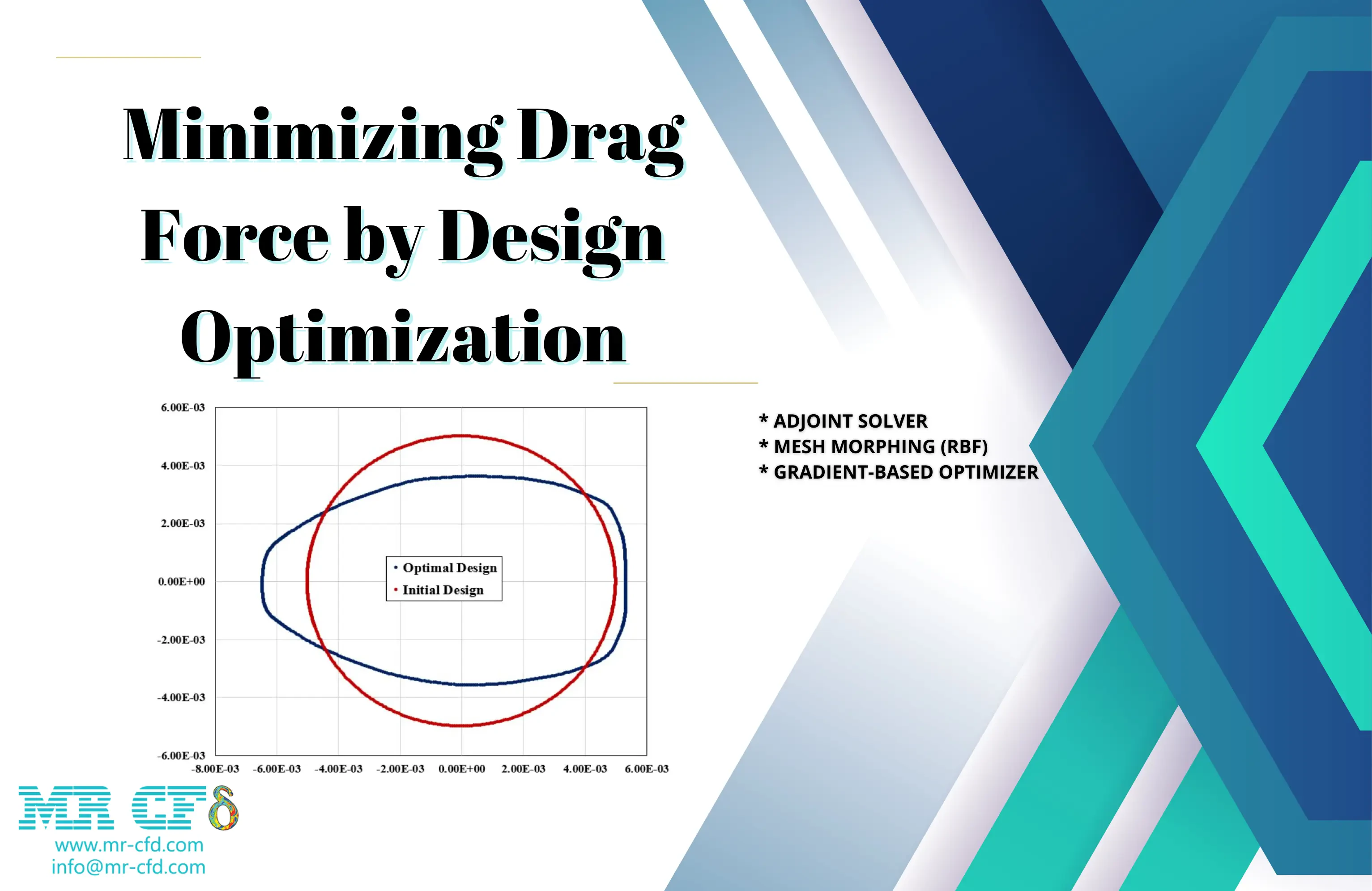
The problem numerically simulates the drag force on a simple cylindrical obstacle using ANSYS Fluent software. We design the 2-D model by the Design Modeler software and then mesh it with ANSYS Meshing software. The mesh type is Structured, and the element number equals 36000. We aim to Minimize the drag force in a three-step simulation. We use the Adjoint Solver to analyze the Shape Sensitivity. The Design Optimization is performed with the Gradient-based Optimizer. We use the Radial Basis Function (RBF) to apply Mesh Morphing.
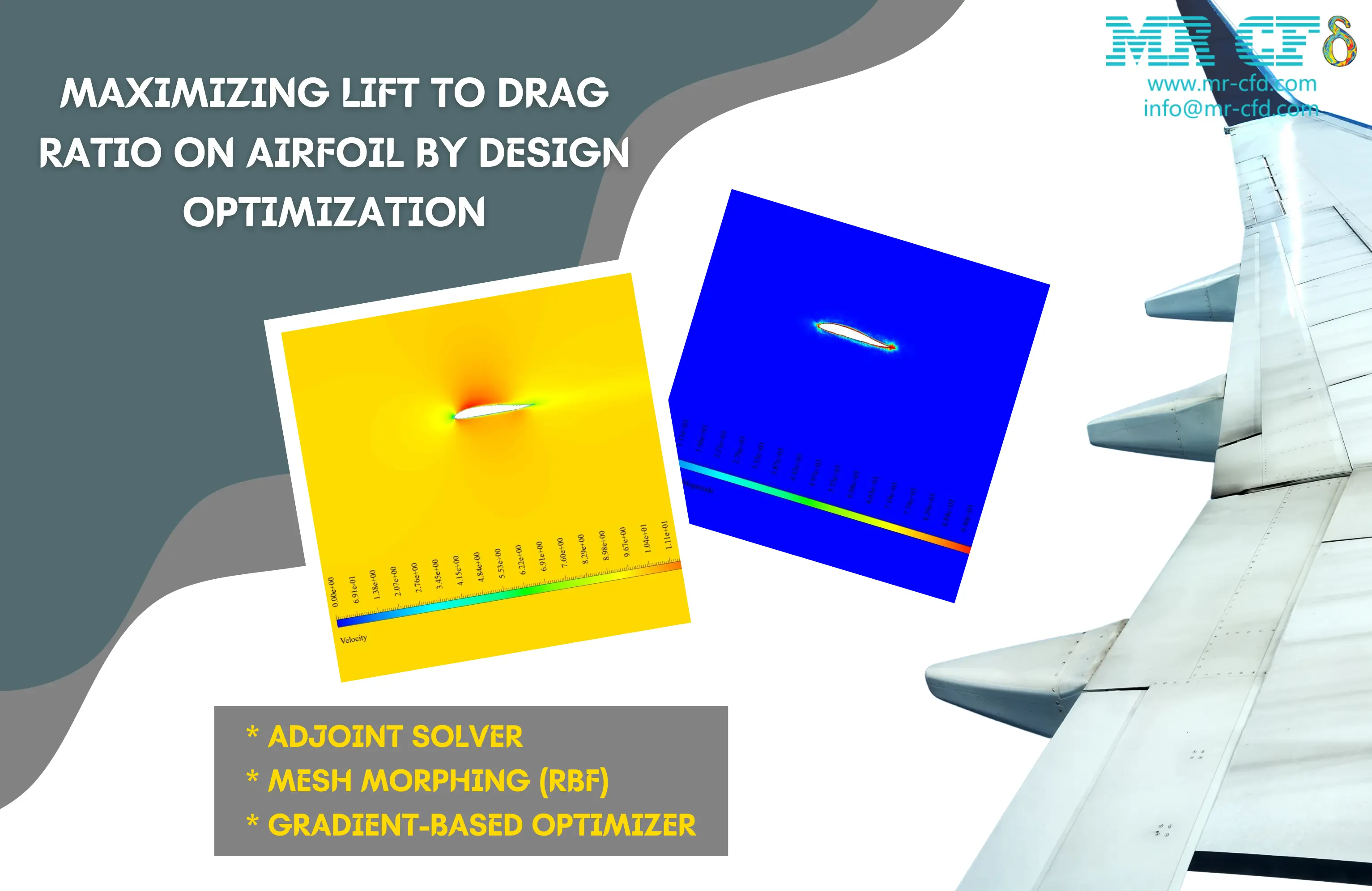
Maximizing Lift to Drag Ratio by Adjoint Solver (RBF), ANSYS Fluent CFD Simulation Tutorial
Advanced
Price: $225
The problem numerically simulates lift to drag ratio on an airfoil using ANSYS Fluent software. We design the 2-D model by the Design Modeler software. We mesh the model with ANSYS Meshing software, and the element number equals 207521. We aim to Maximize the lift to drag ratio in a three-step simulation. We use the Adjoint Solver to analyze the Shape Sensitivity. The Design Optimization is performed with the Gradient-based Optimizer. We use the Radial Basis Function (RBF) to apply Mesh Morphing.
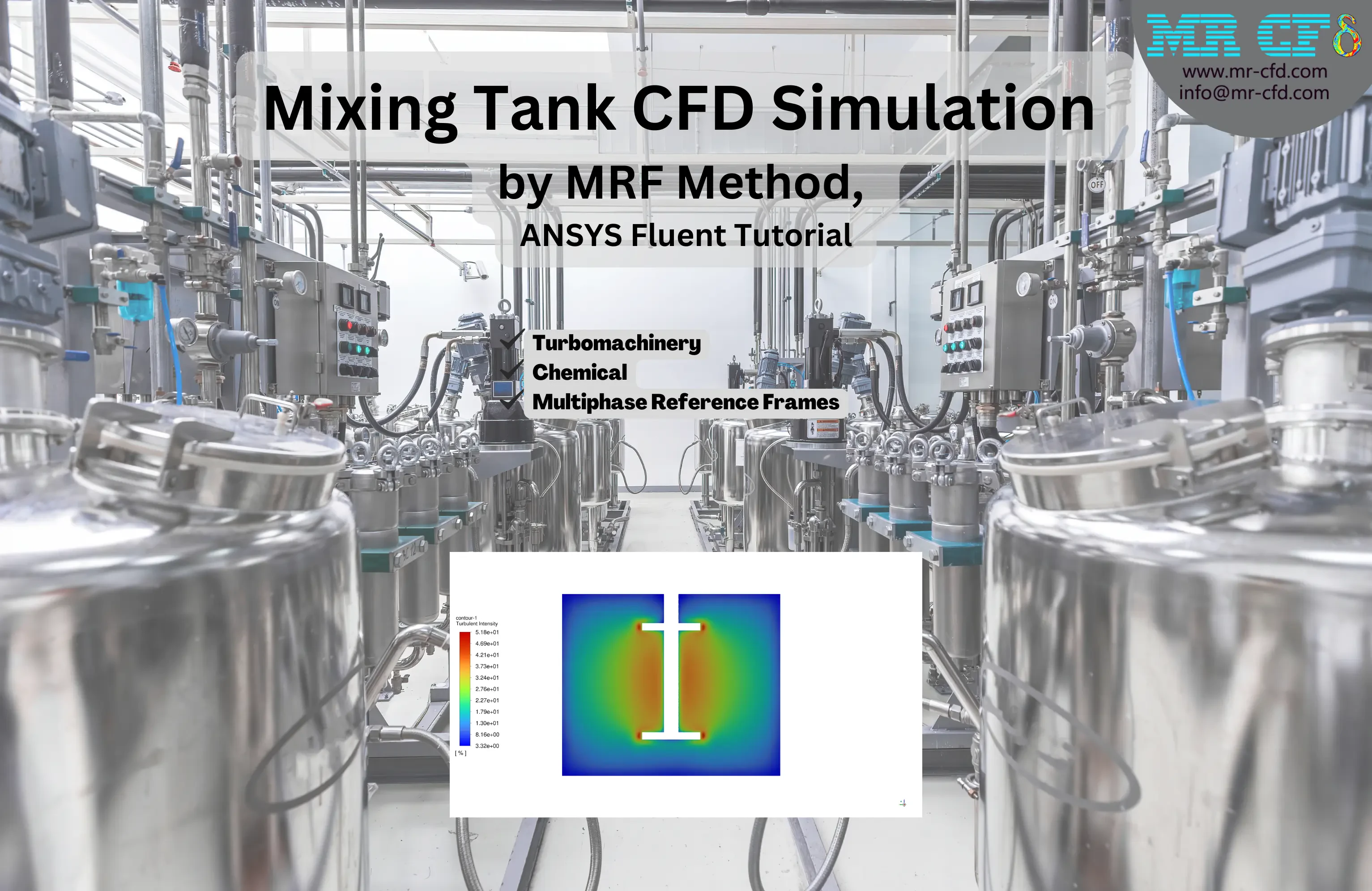
Price: $20
The problem numerically simulates the performance of a mixing tank using ANSYS Fluent software. We design the 3-D model by the Design Modeler and create the mesh using ANSYS Meshing software. The element number equals 229,177. The Frame Motion (MRF) option is enabled to define the rotational motion of the impellers.
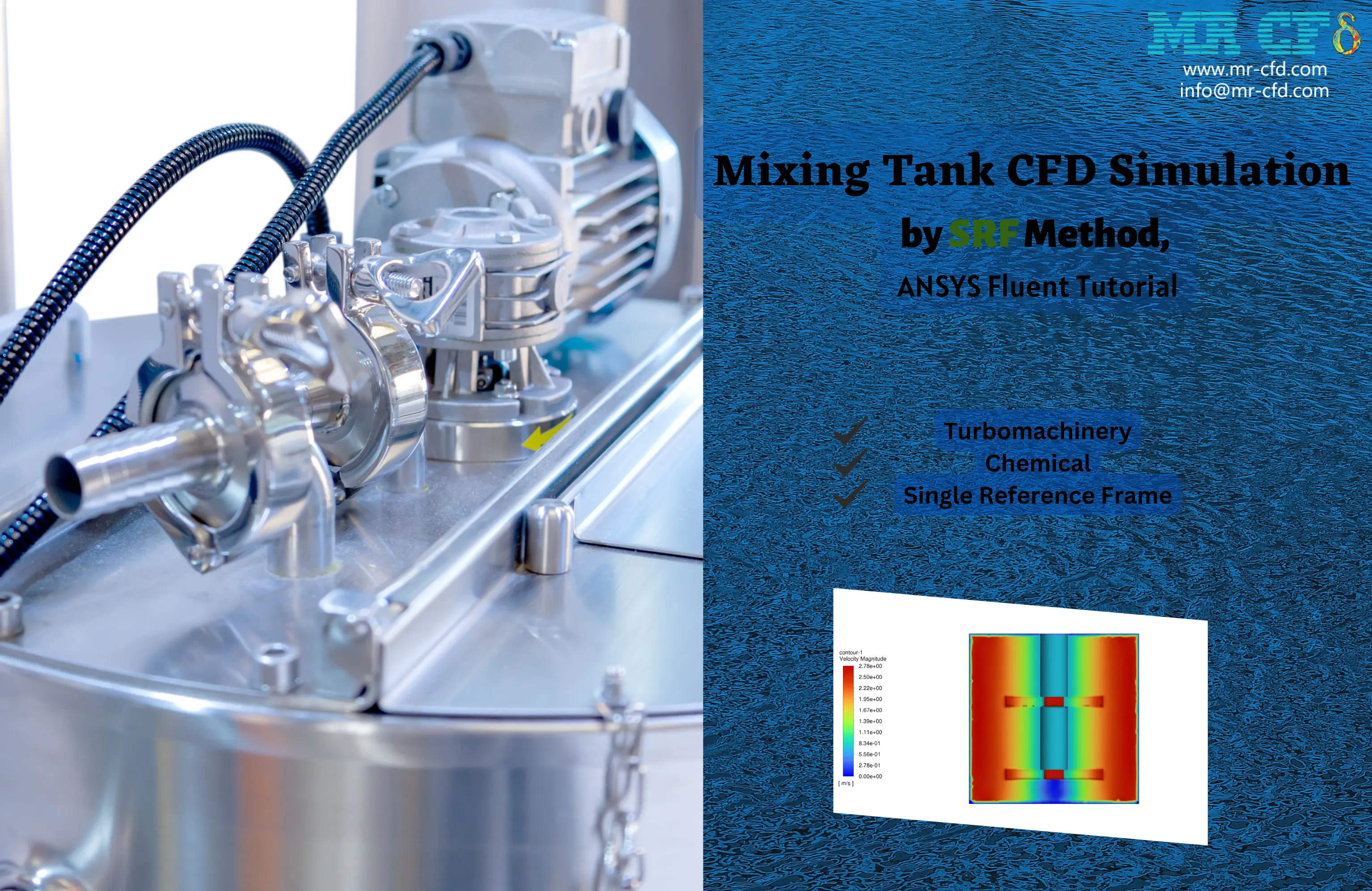
Price: $20
The problem numerically simulates the performance of a mixing tank using ANSYS Fluent software. We design the 3-D model by the Design Modeler and create the mesh using ANSYS Meshing software. The element number equals 278,775. The SRF option is enabled to define the rotational motion of the impellers.
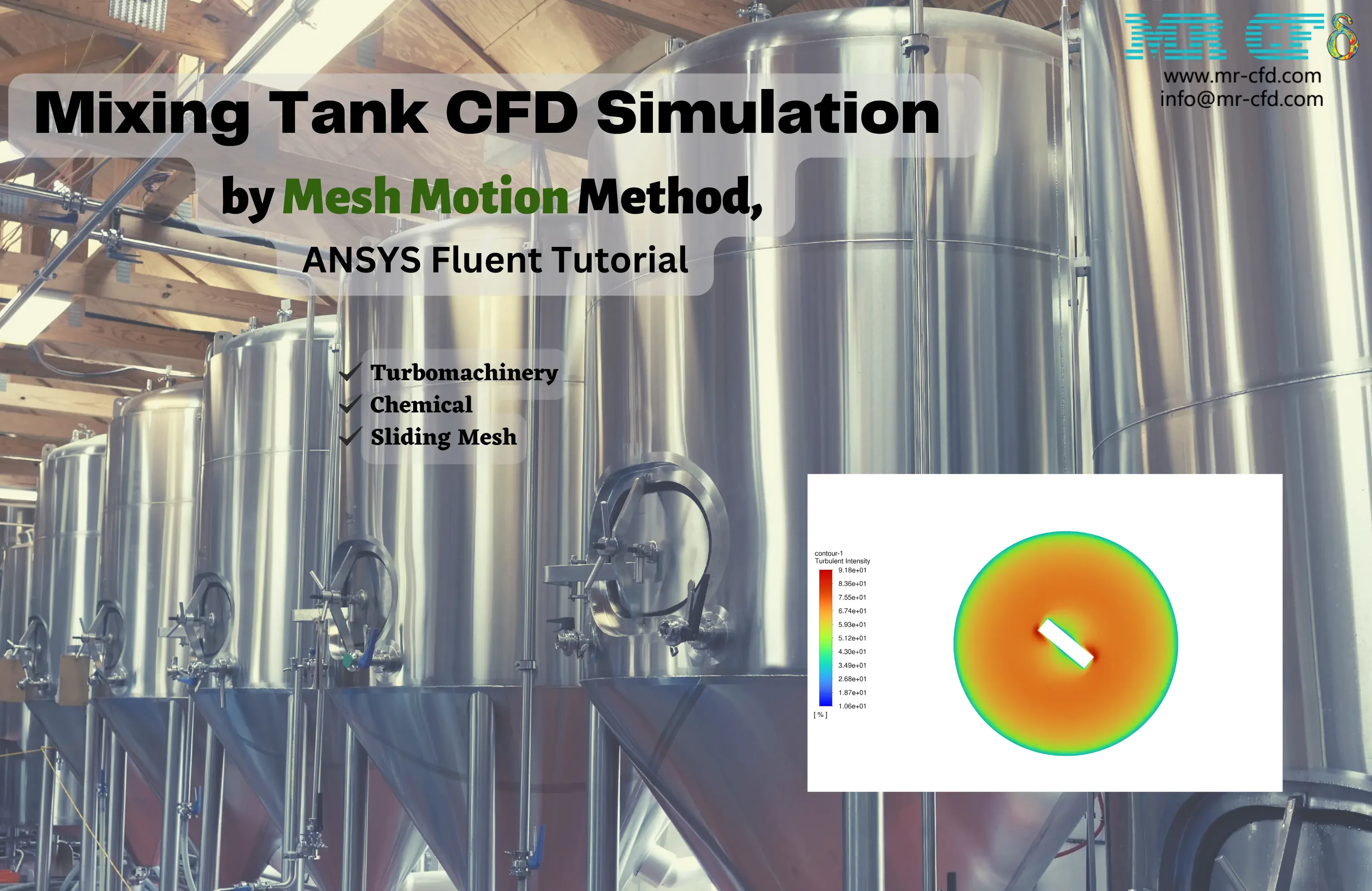
Price: $20
The problem numerically simulates the performance of a mixing tank using ANSYS Fluent software. We design the 3-D model by the Design Modeler and create the mesh using ANSYS Meshing software. The element number equals 209,328. The Mesh Motion option is enabled to define the rotational motion of the impellers. Transient Solver is applied.