

Gas & Petrochemical Online Courses
Here's every CFD online course related to Gas & Petrochemical category.
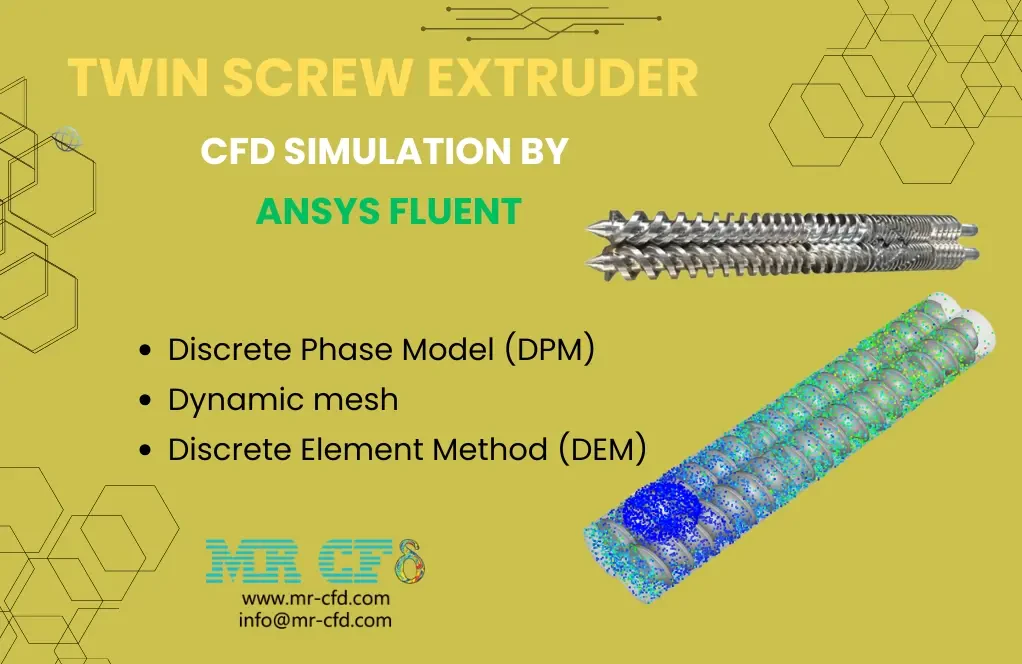
Twin Screw Extruder CFD Simulation, Using DEM and Dynamic Mesh
Intermediate, Advanced
Price: $108
In this project, a twin screw extruder is simulated using ANSYS Fluent to analyze the interaction of water and particles within the system. The flow rate of particles is nine times that of the continuous phase, and both the interactions within the particle phase and with the continuous phase are considered using a 4-way DEM module. The geometry is designed in ANSYS SpaceClaim, and an unstructured mesh is generated in ANSYS Meshing with dynamic adjustments at each time step. The k-epsilon turbulence model and DPM model are employed along with the DEM module to simulate interactions. This complex simulation, involving dynamic meshing and high computational demands, reveals insights into particle tracking and residence time as the extruder operates at 300 rpm with a 60-degree rotation scope.
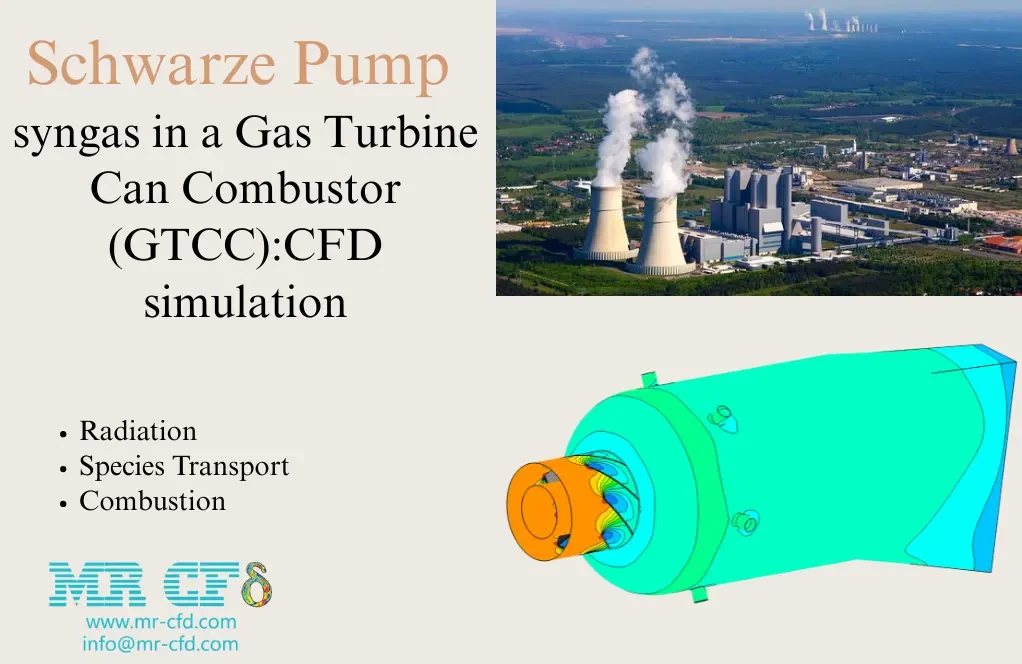
Syngas Fuel Combustion in Gas Turbine Can Combustor: CFD simulation
Intermediate, Advanced
Price: $300
The report details a simulation of a Gas Turbine Can Combustor (GTCC) using Computational Fluid Dynamics (CFD) to analyze the combustion and emission characteristics of Schwarze Pumpe syngas. The setup includes a combustion system with six fuel injectors, a primary air inlet, and six secondary air inlets. The analysis uses a sophisticated mesh and applies the standard k-ε turbulence model and the P1 radiation model for accurate simulations. Key findings show that the combustor design effectively facilitates mixing and combustion, achieving a maximum inner flame temperature of approximately 1900 K. The study also successfully models pollutant formation, such as NOx, providing insights into emission control. Overall, the simulation demonstrates high combustion efficiency, supported by detailed species volume fraction contours, confirming complete fuel combustion at the outlet and the viability of the GTCC in optimizing syngas combustion processes.

Mixing Length and Pressure Optimization in Ethanol-Gasoline Pipelines
Intermediate, Advanced
Price: $140
The study aims to optimize the mixing length and pressure balance within ethanol-gasoline T-shape pipeline systems, a critical factor for efficient fuel blending. Three distinct pipeline designs were evaluated, each with differing diameters (10-inch and 6-inch) to assess their effects on pressure drop and mixing efficiency This design successfully met all constraints, including maintaining the desired outlet ethanol volume fraction of 7.8% and ensuring the outlet pressure remained above 80 kPa, confirming the feasibility of using thinner pipelines for optimized fuel mix and flow conditions.
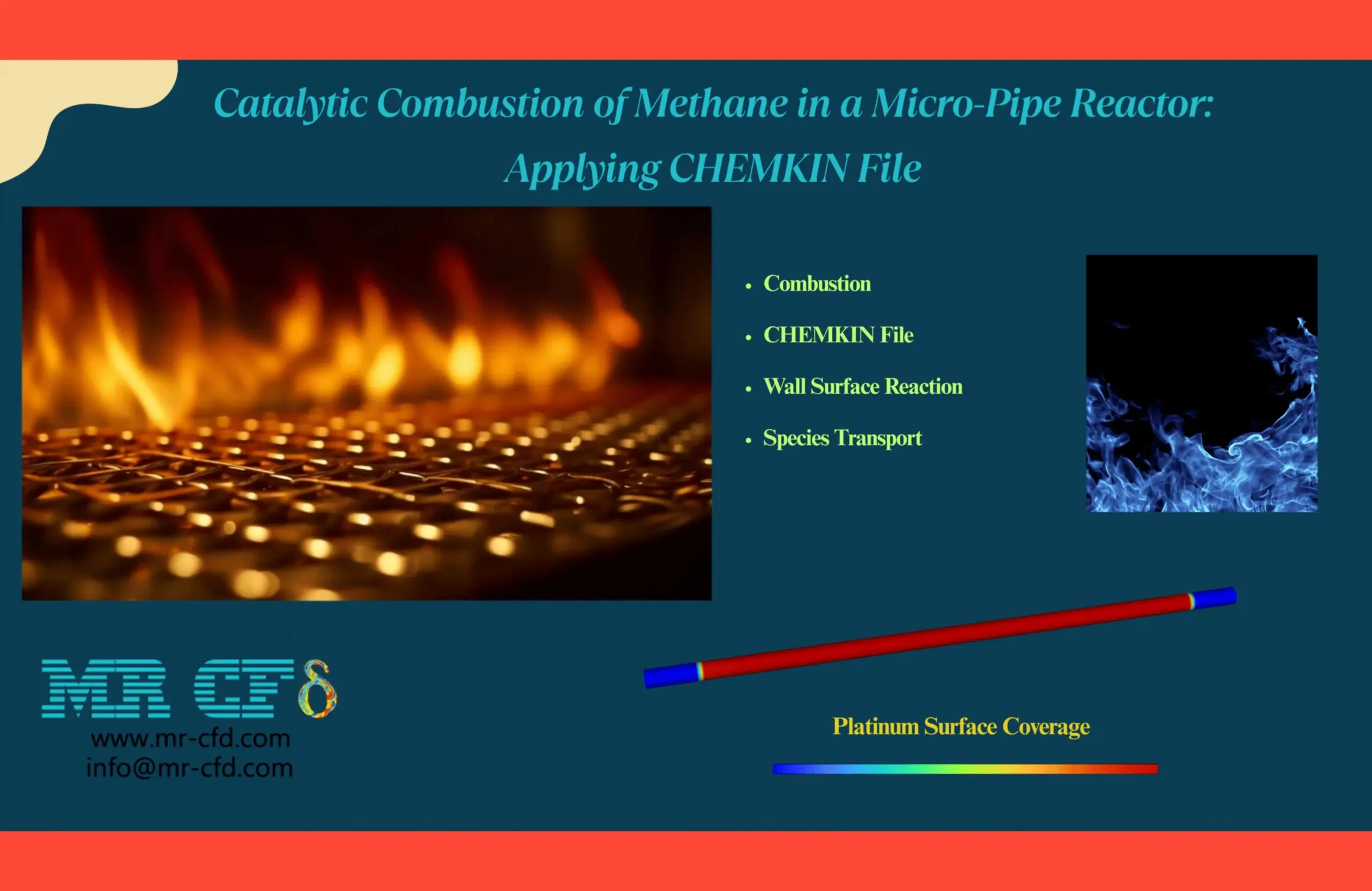
Price: $27
This report presents a simulation which investigates the catalytic combustion of methane in a micro-pipe reactor. A CHEMKIN file was created to define detailed wall surface reactions based on the reactions reported by Deutschmann (1996). The geometry of the micro-reactor was created using ANSYS SpaceClaim software. A high-quality hexahedral elements mesh was generated using ANSYS Meshing software. Appropriate species transport settings and boundary conditions were applied to correctly simulate the volumetric and wall surface reactions.
ANSYS Fluent Simulation Projects [FREE] Real-World CFD Simulation Projects
Beginner, Intermediate
Price: Free
Dive into 39 free, real-world CFD simulation projects covering heat transfer, aerodynamics, and multiphase flows using the complete Ansys pipeline—from DesignModeler and SpaceClaim geometry to Fluent setup and CFD-Post analysis. If you need a structured foundation before tackling these complex exercises, master the core workflow with our guided ANSYS Fluent beginner project training and buy for $9 to launch your applied CFD journey today!
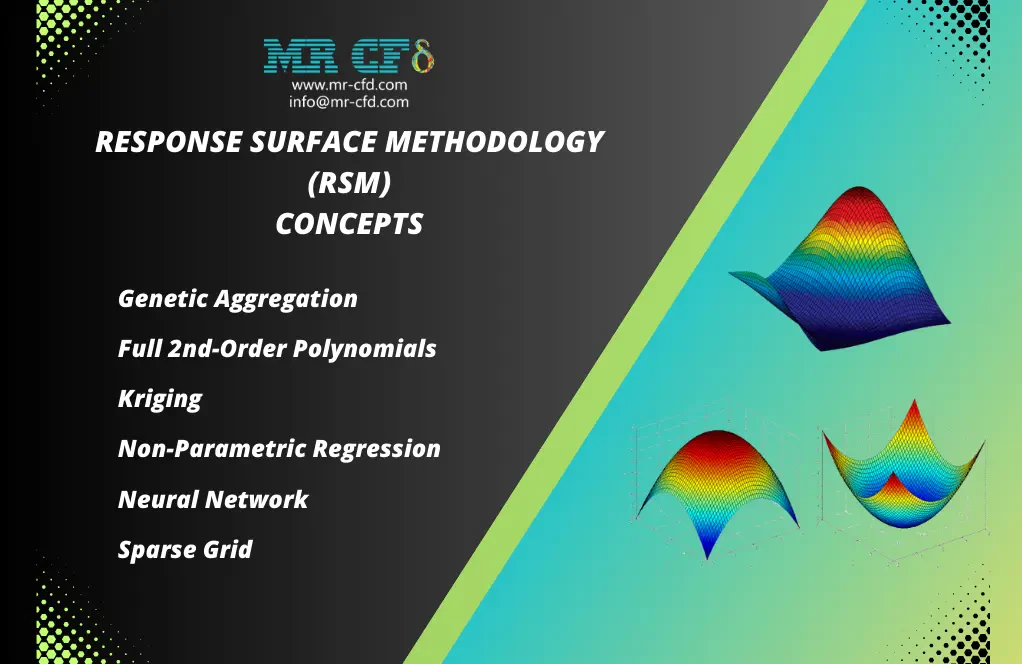
Response Surface Methodology (RSM) Concepts, Optimization by ANSYS Fluent
Beginner, Intermediate, Advanced
Price: Free
Introduction to the Response Surface Methodology (RSM) in ANSYS Fluent software Introduction to the Genetic Aggregation Introduction to the Full 2nd-Order Polynomials Introduction to the Kriging Introduction to the Non-Parametric Regression Introduction to the Neural Network Introduction to the Sparse Grid
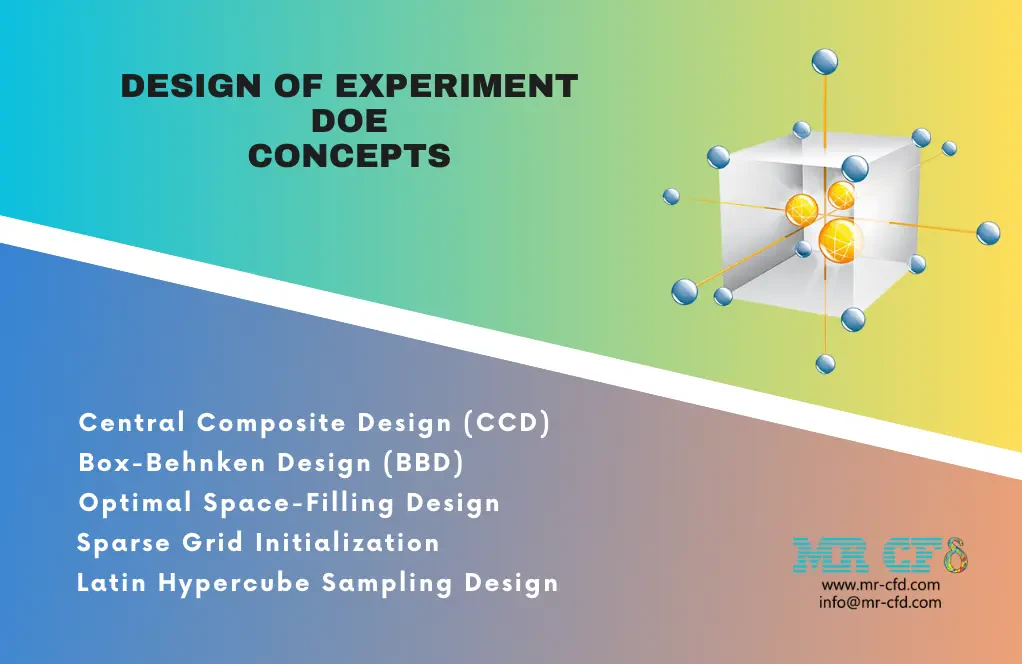
Price: Free
Introduction to the Design of Experiment (DOE) in ANSYS Fluent software Introduction to the Central Composite Design (CCD) Introduction to the Rotatable, VIF-Optimality, G-Optimality, and Face-Centered Introduction to the Box-Behnken Design (BBD) Introduction to the Optimal Space-Filling Design Introduction to the Sparse Grid Initialization Introduction to the Latin Hypercube Sampling Design Introduction to the Custom and Custom+Sampling
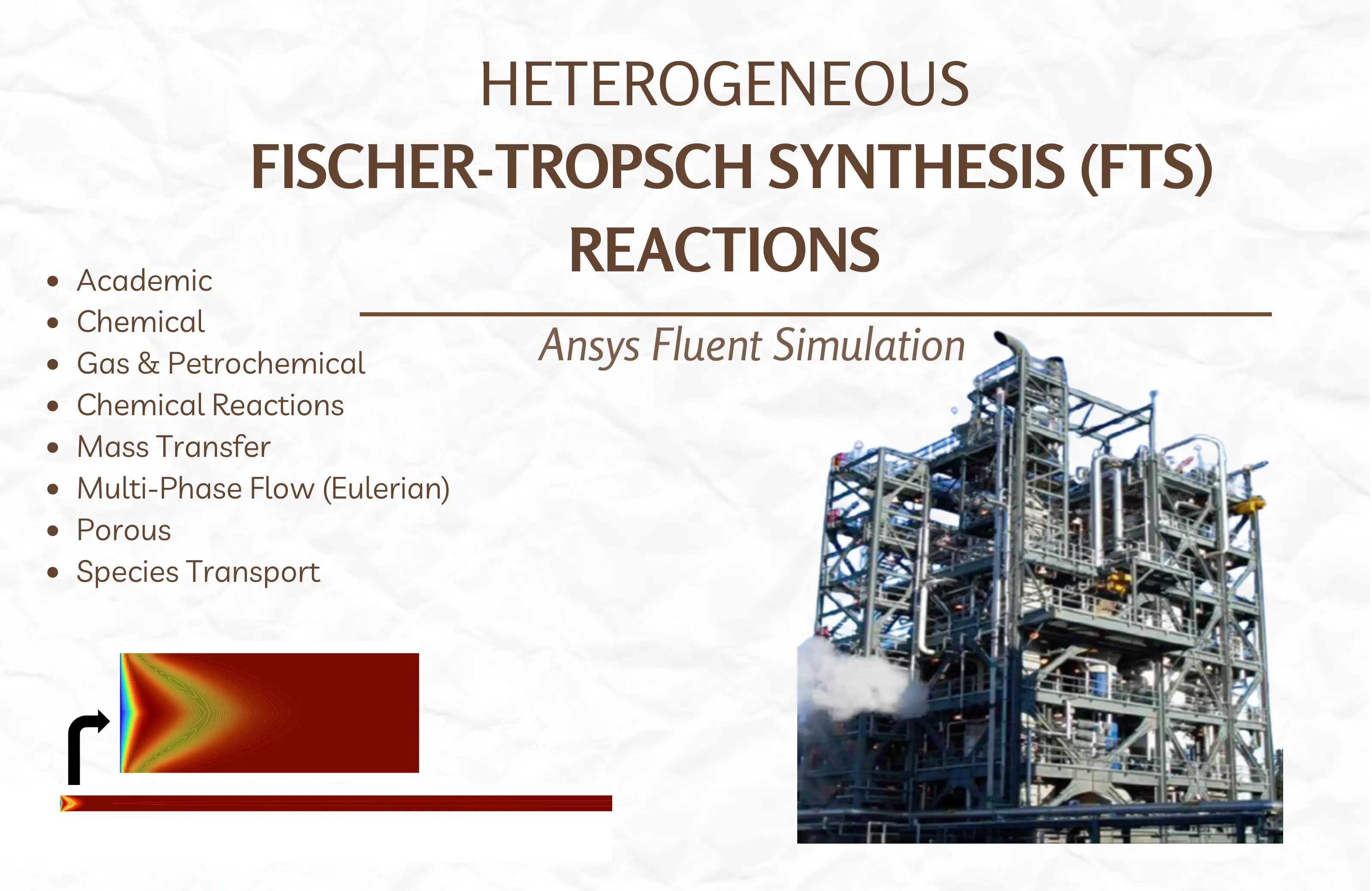
Price: $260
This report presents the simulation of a reactive multiphase system incorporating heterogeneous Fischer-Tropsch synthesis reactions in a porous medium An iron (Fe) catalyst catalyzes the reactions, and the reaction rates are determined using Arrhenius kinetics. The Eulerian multiphase model is employed to investigate the interaction between different phases A Lee mass transfer model is applied for the phase change of water between liquid and gaseous states. A 2D geometry was created using SpaceClaim and The domain was meshed in ANSYS Meshing, using a structured mesh with 105,000 structured elements.
Computational Fluid Dynamics (CFD): Introduction
Beginner, Intermediate, Advanced
Price: Free
This is the first session of a Computational Fluid Dynamics (CFD) course, focusing on equations and numerical methods for discretization and solving them in detail. The course is designed by the Mister CFD team to help students and engineers understand the numerical techniques used in software like Ansys Fluent, rather than focusing on fundamental coding. It introduces CFD as a method for solving nonlinear partial differential equations (Navier-Stokes equations) through numerical techniques, since general analytical solutions aren’t available. The document covers three main numerical methods: Finite Difference Method (FDM), Finite Volume Method (FVM), and Finite Element Method (FEM), with their advantages and limitations. It explains different types of Partial Differential Equations (PDEs) including their classifications based on order, linearity, and behavior (Elliptic, Parabolic, and Hyperbolic). The content concludes with detailed explanations of conservation equations, numerical errors in CFD, and the importance of Taylor series in discretization processes.