

UDF Online Courses
Here's every CFD online course related to UDF category.
Price: $360
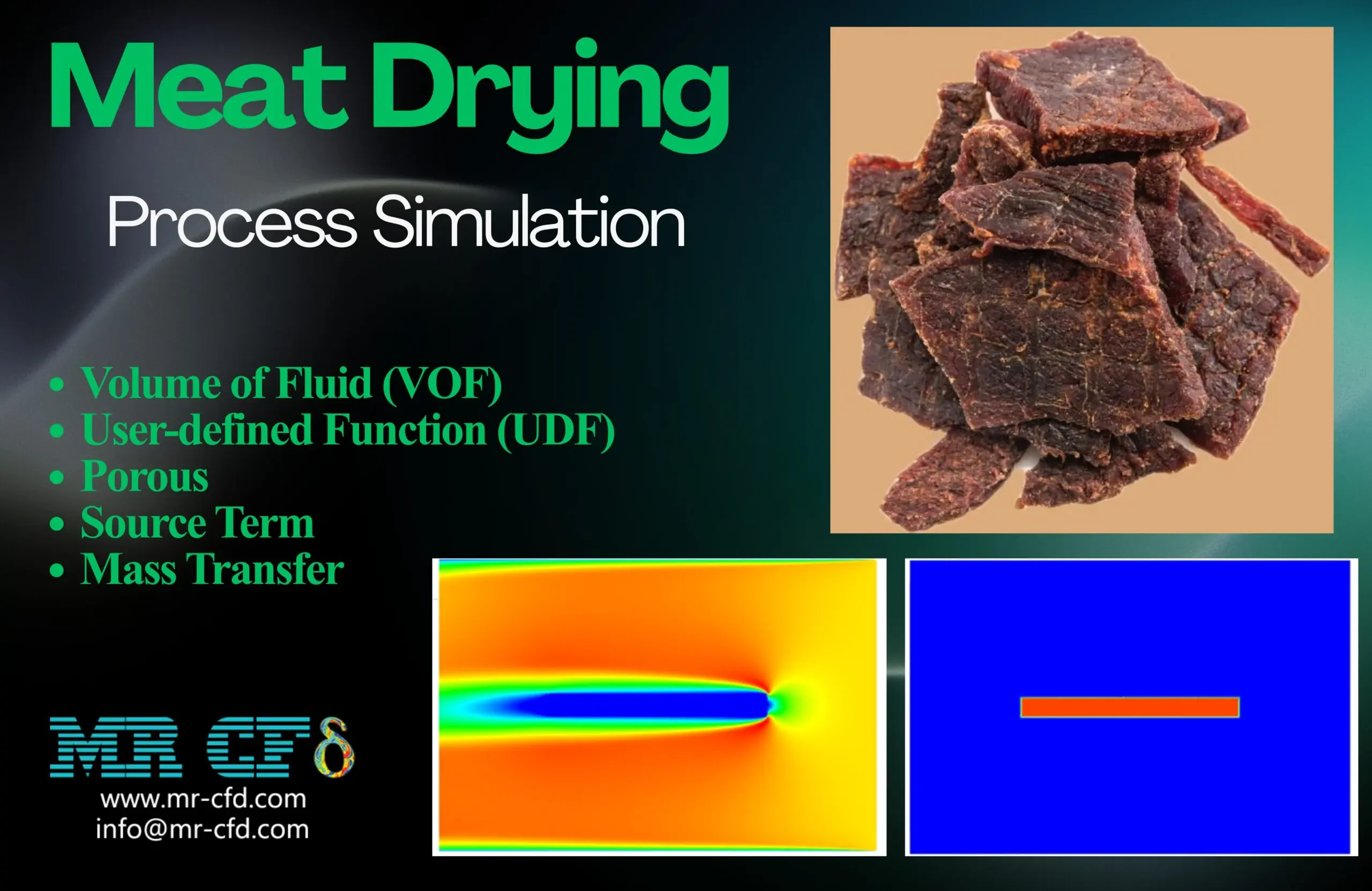
The geometry represents the meat sample and surrounding air domain, discretized with a structured mesh of 58,800 elements to accurately capture heat and mass transfer gradients. The meat drying process was simulated using CFD to analyze heat and mass transfer during drying. The VOF model was applied to capture multiphase interactions between liquid water and vapor. The meat was modeled as a porous medium to represent internal moisture transport. Infrared heating and air convection were used as drying mechanisms under two operating cases. Results showed that higher heat flux and temperature enhanced drying efficiency and reduced moisture content.
Oscillating Multiphase Flow with Dynamic Mesh
Intermediate, Advanced
Price: $270
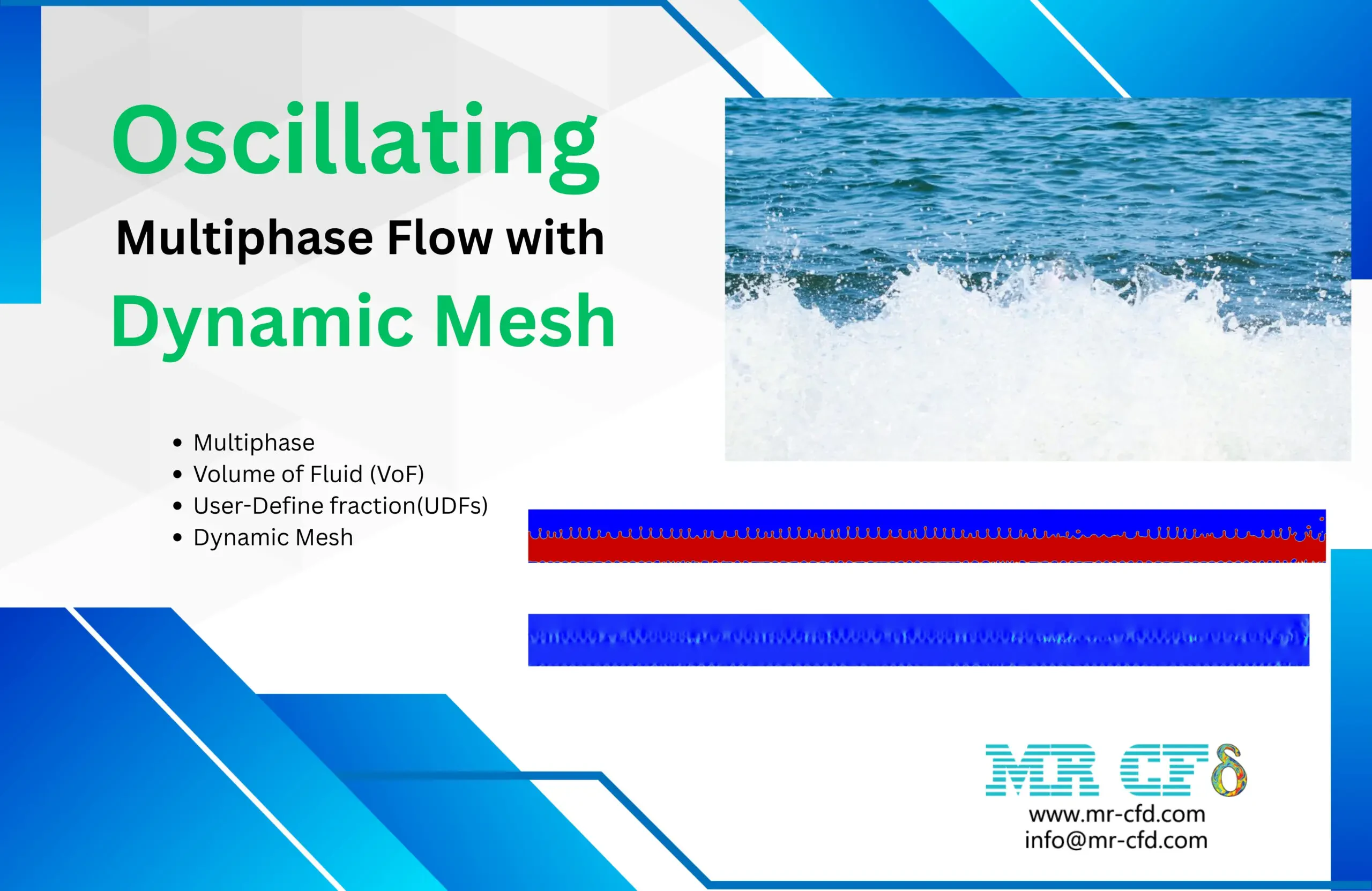
In the oscillating multiphase CFD study, the interaction of water and air inside a narrow rectangular channel is investigated using ANSYS Fluent. The geometry is created in ANSYS Design Modeler and meshed with a structured grid of 480,760 cells in ANSYS Meshing. The Volume of Fluid (VOF) method is applied for tracking the water and air interface, with water defined as the primary phase and air as the secondary phase. A dynamic mesh technique with smoothing and re-meshing options is enabled, along with a moving wall defined by a User-Defined Function (UDF).
Price: $480
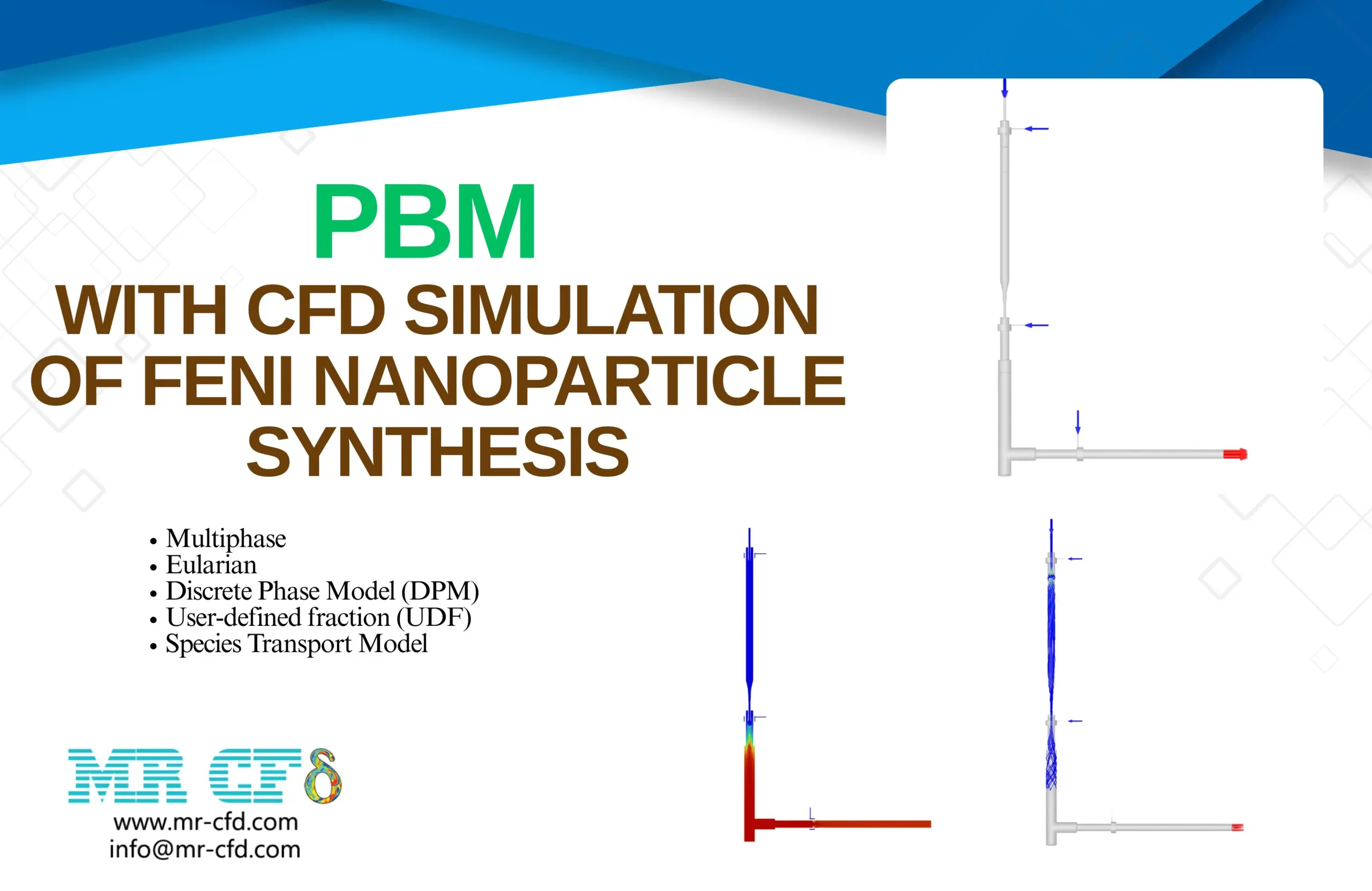
PBM with CFD Simulation of FeNi Nanoparticle Synthesis is performed using ANSYS Fluent . A Multiphase Eulerian approach is applied with FeNi alloy represented in the secondary phase. Powder precursors (FeCl₂ and NiCl₂) are injected into the domain using the Discrete Phase Model (DPM). The Species Transport Model with finite-rate Arrhenius kinetics is used to simulate the reduction reactions. User-Defined Functions (UDFs) implement nucleation, growth, and agglomeration phenomena for nanoparticle prediction.
Price: $510
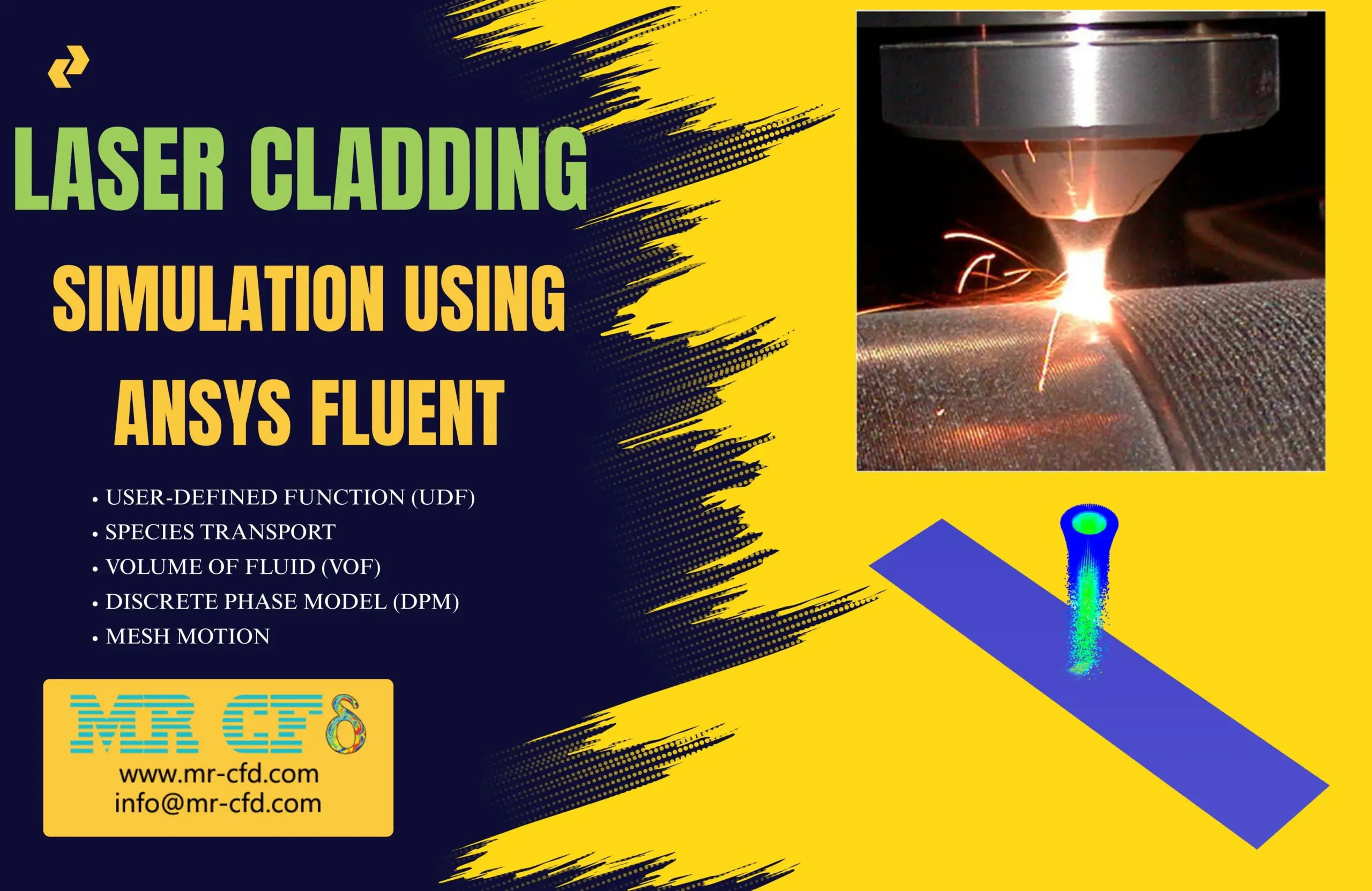
In the Laser Cladding project, we simulated the deposition of nickel droplets under an argon gas stream using ANSYS Fluent software. The three-dimensional geometry was created in Design Modeler with a computational domain of 0.05 × 0.01 × 0.025 m. A structured non-conformal mesh was generated in ANSYS Meshing, consisting of approximately 798,400 computational cells with refined regions near the deposition zone. The transient simulation employed the VOF multiphase model, coupled with species transport and energy equations, while turbulence was modeled using the Realizable k-ε model. A User-Defined Function (UDF) implemented the moving Gaussian laser heat source, enabling realistic simulation of droplet injection, spreading, and weld layer formation.
Price: $300
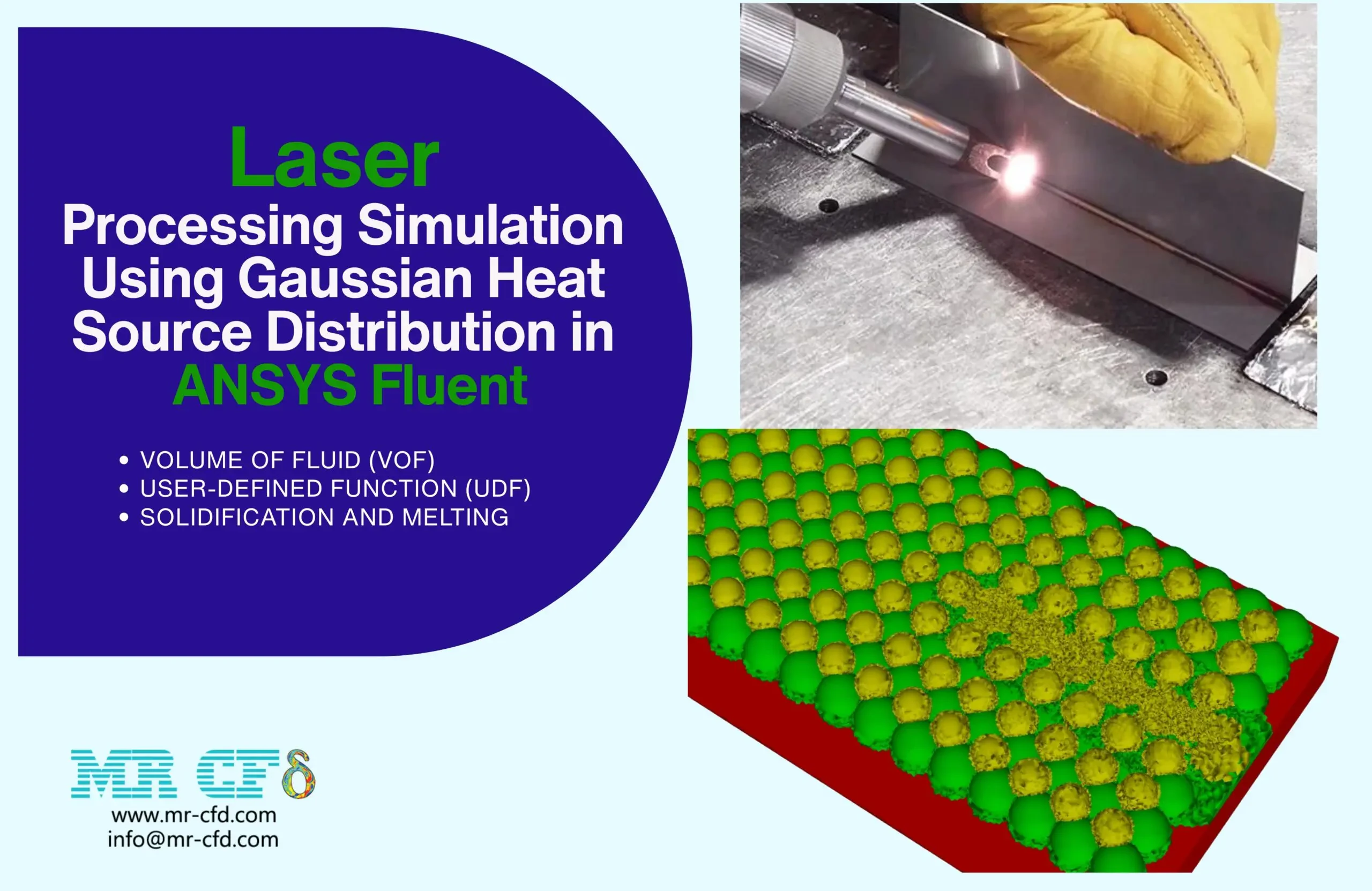
In Laser Processing project, we have simulated the laser-induced selective melting of bi-material particles using ANSYS Fluent software. Three-dimensional modeling was performed using Design Modeler software with a computational domain of 1.0 × 0.5 × 0.4 mm dimensions. The meshing of the model was accomplished using ANSYS Fluent Meshing software, generating approximately 800,000 computational cells with refined regions around the particle bed. The transient simulation employs VOF multiphase model, Solidification and Melting model, and a User-Defined Function (UDF) implementing the moving Gaussian laser heat source with laminar flow characteristics.

Price: $270
This artery flow project involves the simulation of blood flow in a compliant artery using CFD and FSI techniques in ANSYS. The primary objectives are to validate the simulation against a published study, analyze mesh independence, and investigate the effects of wall compliance and porosity on hemodynamic behavior. The artery geometry is simplified and reconstructed for numerical accuracy, with meshing performed in ANSYS Meshing and flow solved using Fluent. Wall deformation is modeled using the FSI module, while porosity effects are simulated by assigning high-viscosity fluid properties to the vessel wall. Simulations are performed under unsteady, incompressible flow conditions with non-Newtonian blood properties. Key results include time-dependent deformation, wall shear stress, and velocity distributions, with validation confirming a shear stress error below 1% in mesh studies.
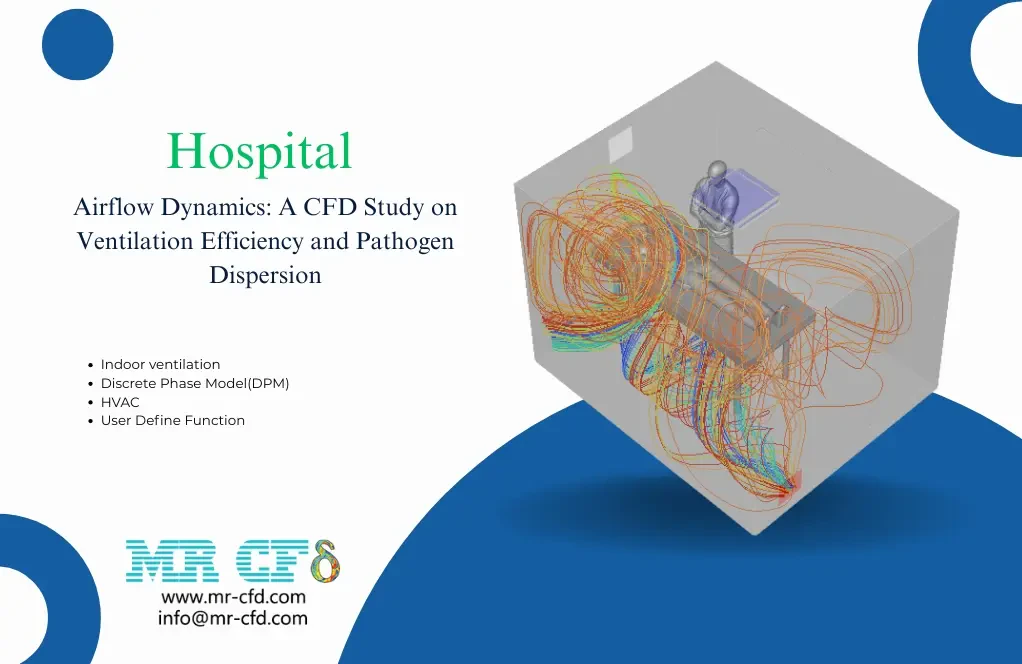
Hospital Airflow Dynamics: A CFD Study on Ventilation Efficiency and Pathogen Dispersion
Intermediate
Price: $270
The project aims to evaluate and enhance hospital room ventilation systems to effectively control aerosol dispersion, a crucial aspect of maintaining a safe environment within healthcare facilities. Three scenarios are analyzed: sneezing, coughing, and breathing, each with varying particle injection velocities and mass flow rates, to observe their effects on airflow patterns and particle trajectories. The simulation highlights that current ventilation setups exhibit limitations, as particles often become trapped or follow circular paths, indicating areas for improvement in ventilation strategy. Results suggest optimizing airflow by adjusting inlet and outlet conditions and improving flow patterns to enhance particle escape and overall air quality, ensuring safety and comfort in hospital settings.
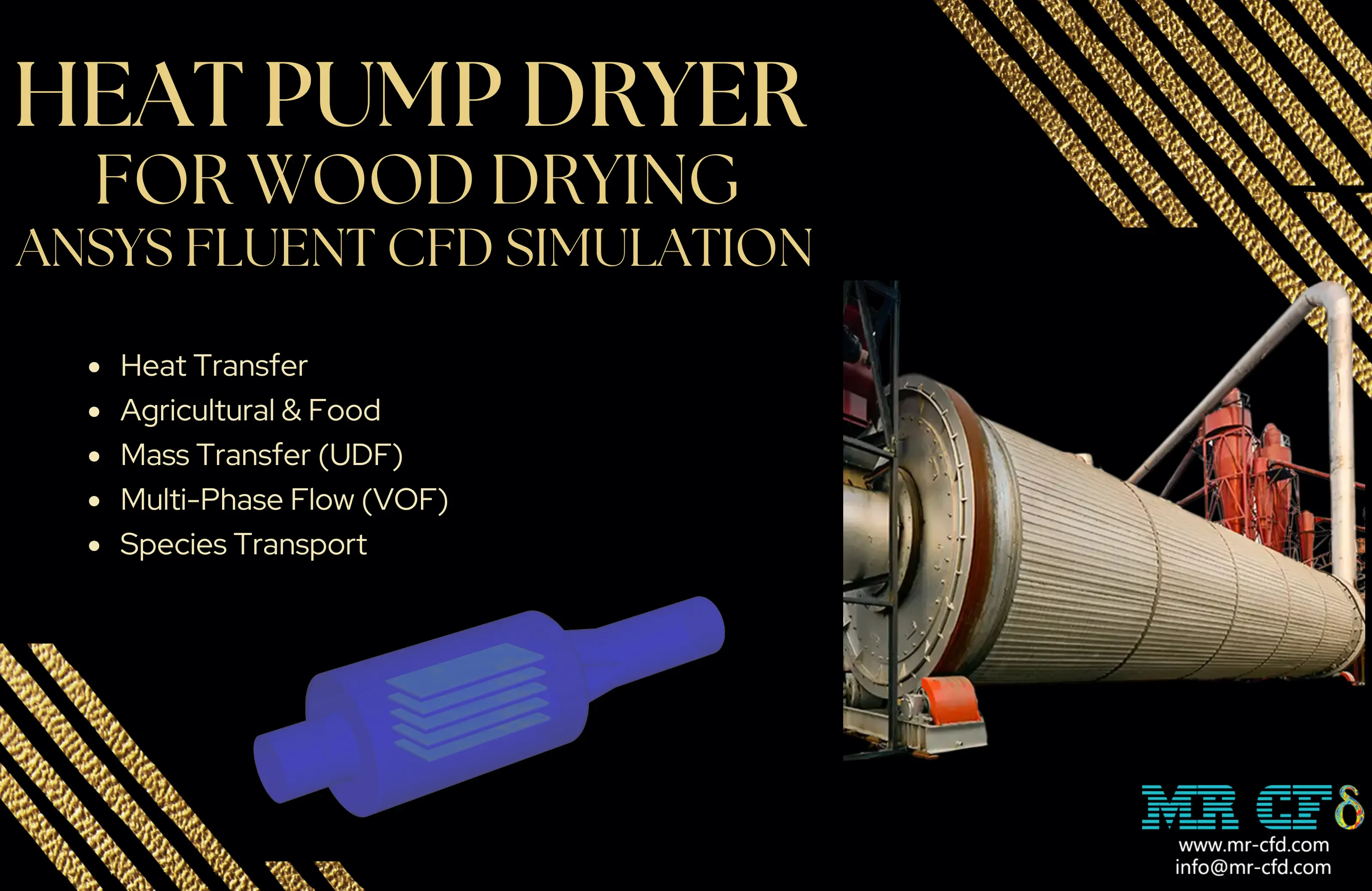
Heat Pump Dryer For Wood Drying, Ansys Fluent CFD Simulation
Intermediate, Advanced
Price: $360
This project aimed to simulate the performance of a heat pump dryer designed for drying wet wood volatiles. The Volume of Fluid (VOF) method was employed to capture the interaction between air and liquid water phases. Species Transport Model was activated to simulate the mass transfer associated with water evaporation. A User-Defined Function (UDF) was developed to represent the evaporation process accurately.
Price: $27
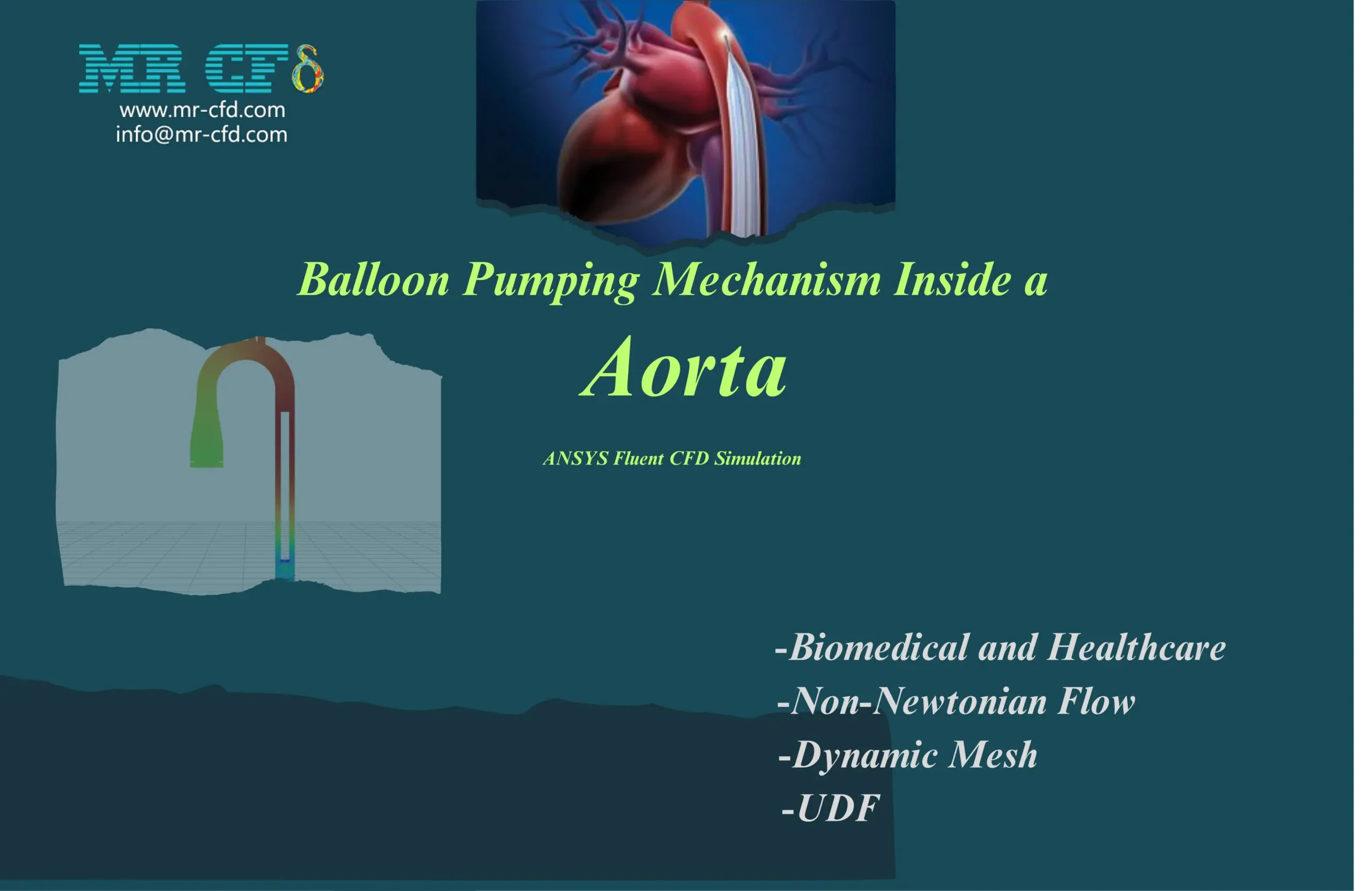
In this project, the function of balloon pumping mechanism inside an aorta was simulated using ANSYS Fluent. The geometry was created in SpaceClaim, and a mesh consisting of 450,795 elements was generated using ANSYS Meshing. Deflection of heart valve and balloon is simulated by dynamic mesh and with the grid motion UDFs.