

Electrical & Power GOLDEN Training Package
Price:
$9,844
$2,249
teams, professors, and decision-makers with over 170 ANSYS Fluent tutorials—from beginner to expert—covering real-world simulations like HAWT/VAWT turbines, ACSC condensers, PVT panels, battery cooling, heat sinks, fuel cells, MHD/EHD effects, arc welding, and more. This turnkey suite delivers step-by-step projects (geometry to post-processing), 1-year expert support, 3-month HPC access, and ongoing updates, slashing training costs and onboarding time while ensuring mastery of electroplating, ventilation, PCM cooling, and power system CFD for immediate productivity in industries and academia.
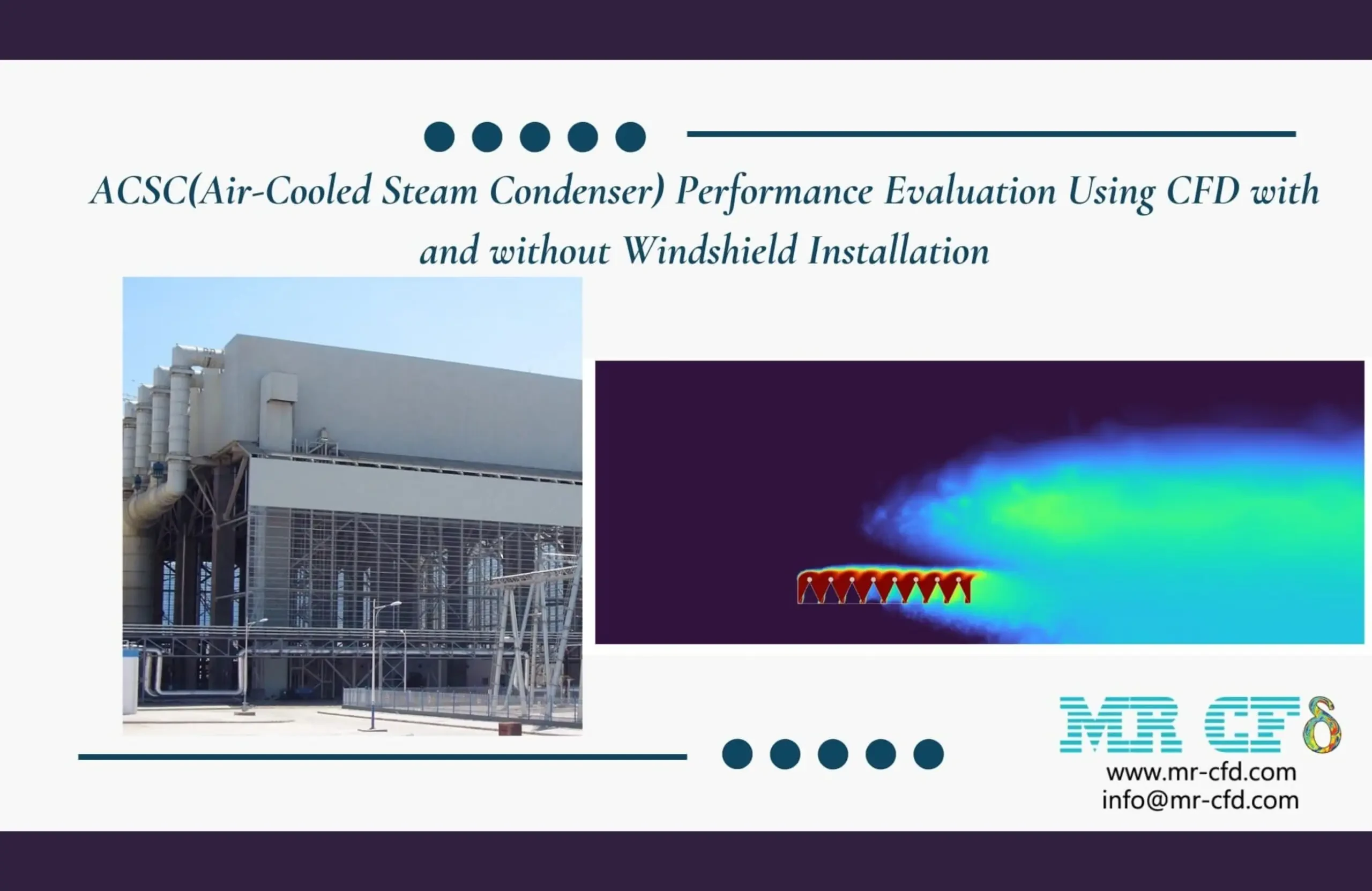
ACSC (Air-Cooled Steam Condenser) Performance Evaluation Using CFD with and without Windshield Installation
Intermediate, Advanced
Price: $14
CFD project simulates airflow through an Air-Cooled Steam Condenser (ACSC) system using ANSYS Fluent software. geometry was modeled in ANSYS SpaceClaim and meshed using ANSYS Meshing with 5,534,281 elements. Two cases were analyzed: with and without windshields to study their effect on airflow and cooling performance. The simulation is pressure-based and uses the realizable k-epsilon turbulence model.
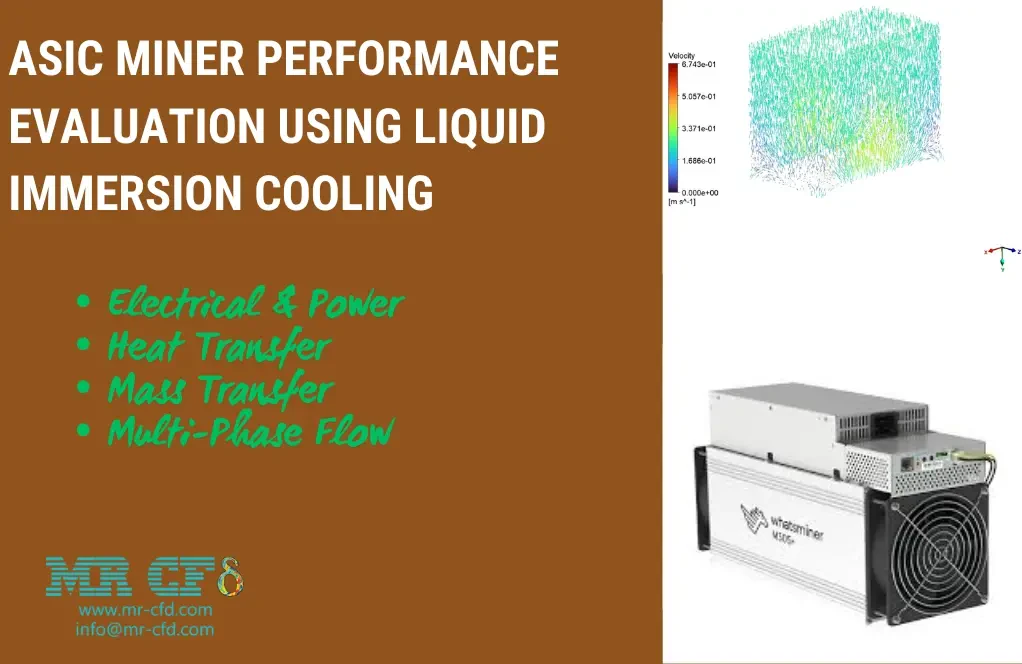
ASIC Miner Performance Evaluation Using Liquid Immersion Cooling
Beginner, Intermediate
Price: $18
The problem numerically simulates the performance of single-phase immersion cooling using ANSYS Fluent software. We design the 3-D model by the Space claim software. We Mesh the model by ANSYS Meshing software, and the element number equals1,591,373.. We perform this simulation as unsteady (Transient). We use the VOF Multi-Phase model to define Mass Transfer in the form of Evaporation-Condensation.
Price: $28
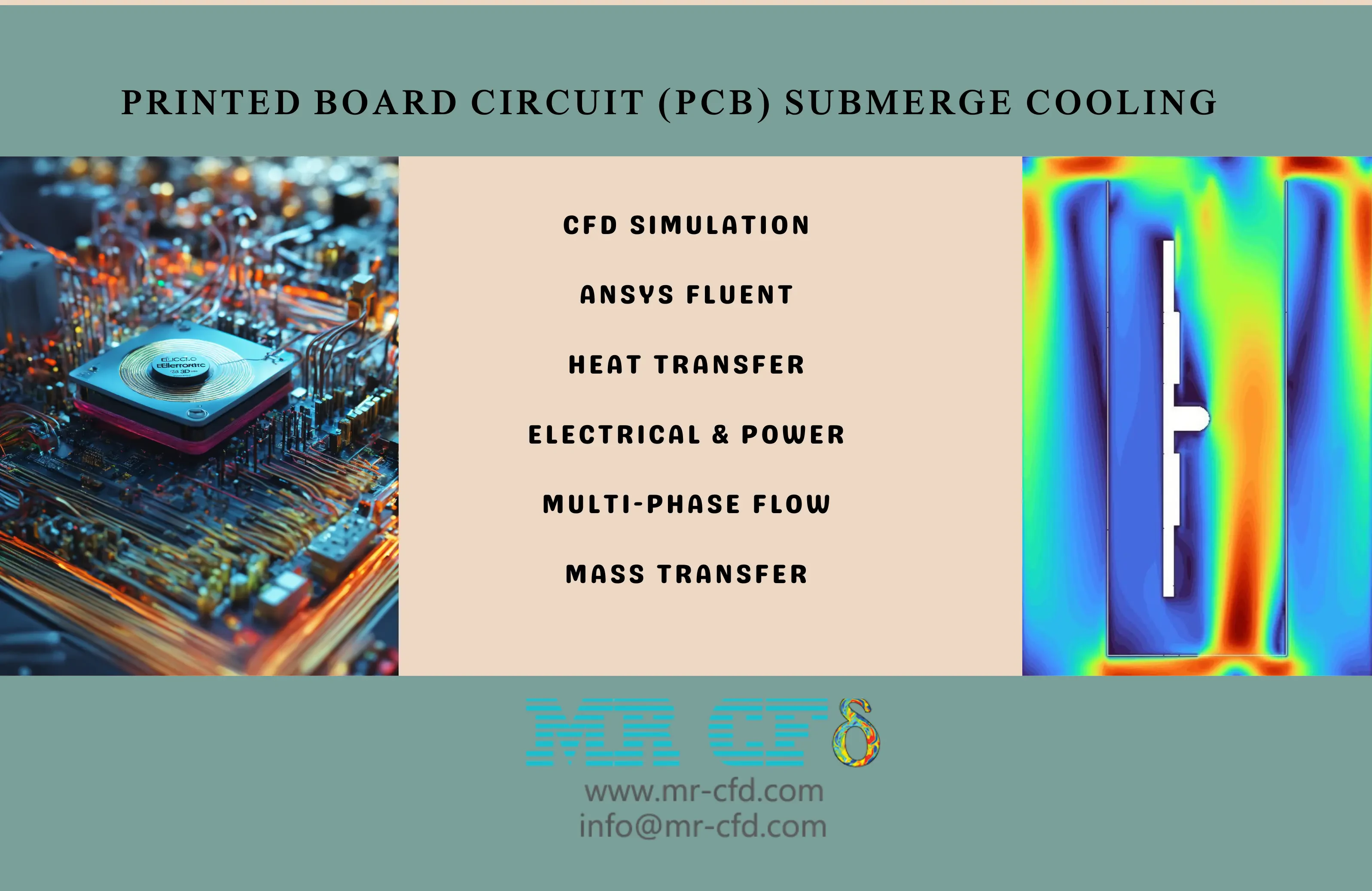
The problem numerically simulates a printed circuit board (PCB) cooling using ANSYS Fluent software. We design the 2-D model by the Space claim software. We Mesh the model by ANSYS Meshing software, and the element number equals 19106. We perform this simulation as unsteady (Transient). We use the VOF Multi-Phase model to define Mass Transfer in the form of Evaporation-Condensation.
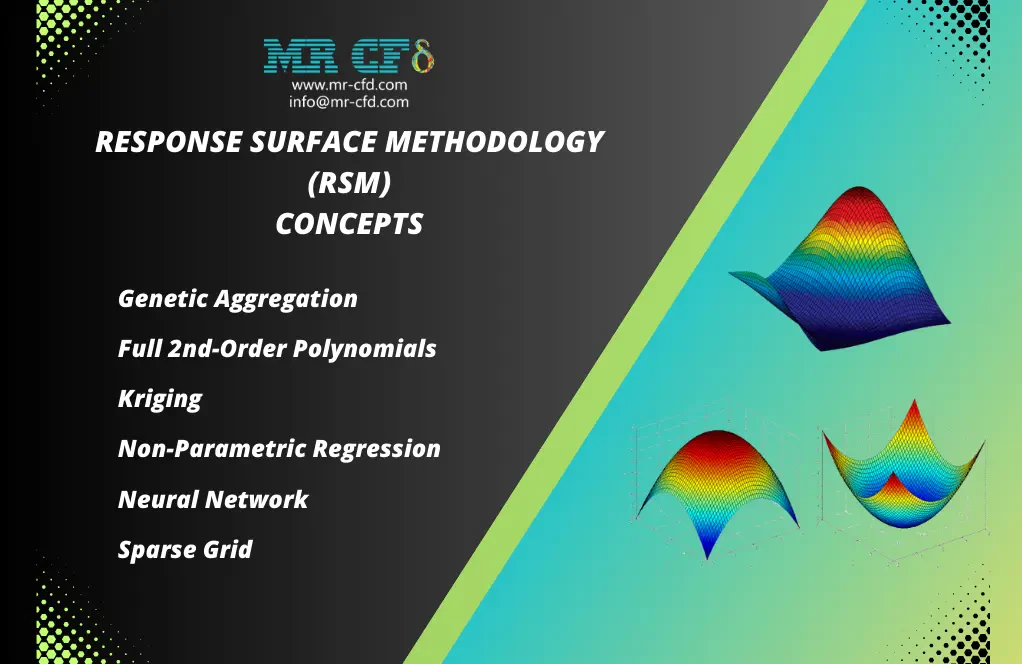
Response Surface Methodology (RSM) Concepts, Optimization by ANSYS Fluent
Beginner, Intermediate, Advanced
Price: Free
Introduction to the Response Surface Methodology (RSM) in ANSYS Fluent software Introduction to the Genetic Aggregation Introduction to the Full 2nd-Order Polynomials Introduction to the Kriging Introduction to the Non-Parametric Regression Introduction to the Neural Network Introduction to the Sparse Grid
Price: Free
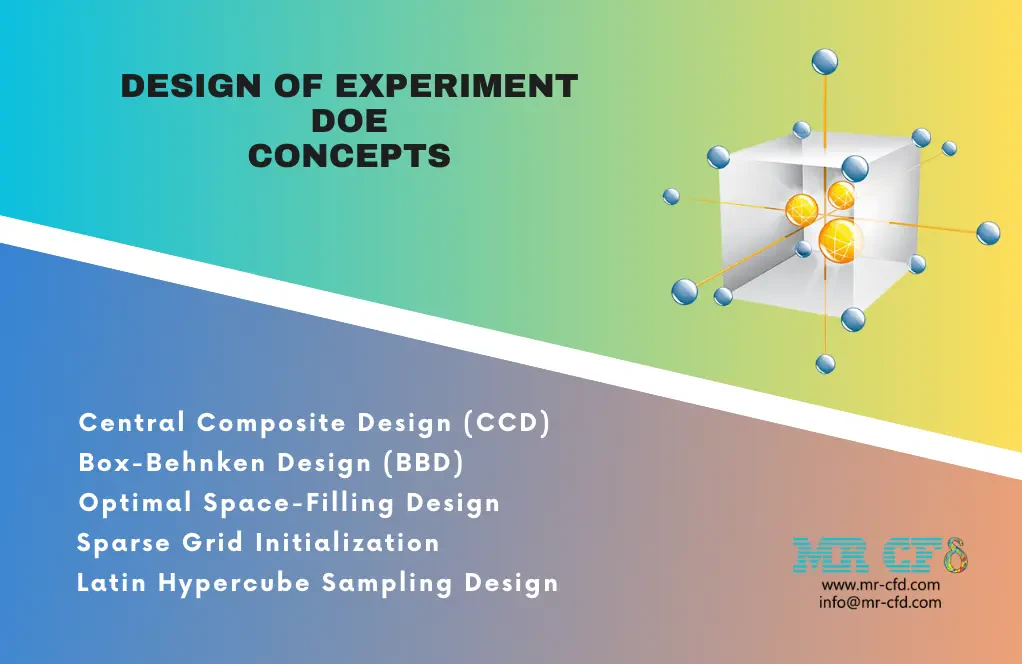
Introduction to the Design of Experiment (DOE) in ANSYS Fluent software Introduction to the Central Composite Design (CCD) Introduction to the Rotatable, VIF-Optimality, G-Optimality, and Face-Centered Introduction to the Box-Behnken Design (BBD) Introduction to the Optimal Space-Filling Design Introduction to the Sparse Grid Initialization Introduction to the Latin Hypercube Sampling Design Introduction to the Custom and Custom+Sampling
Price: $150
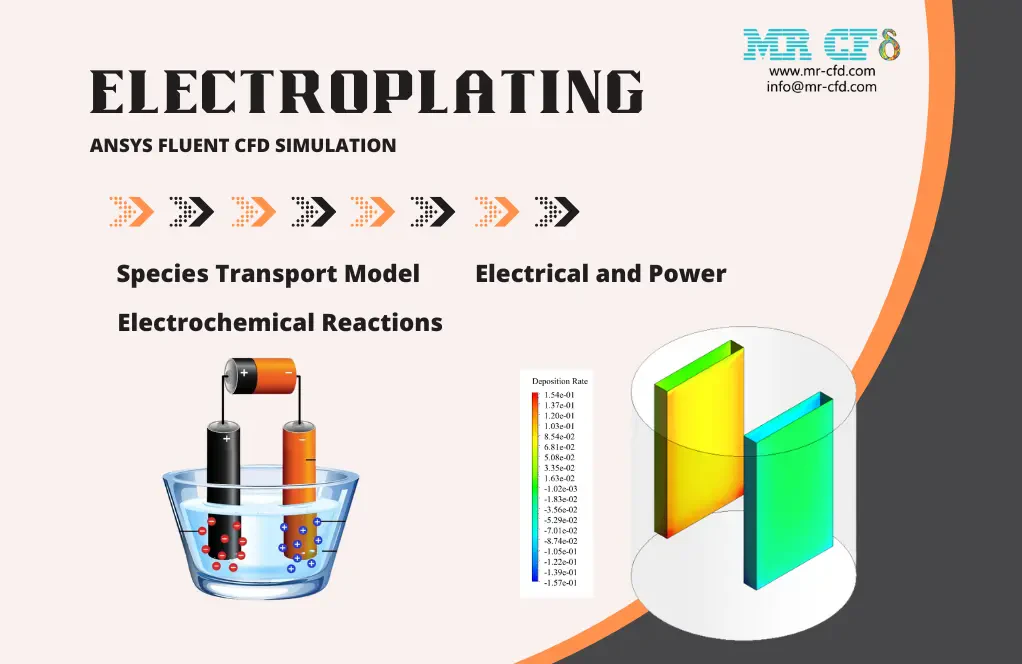
This product numerically simulates the Electroplating using ANSYS Fluent software. We design the 3-D model using the Design Modeler software. We mesh the model with ANSYS Meshing software; the element numbers are 89115. We use the Species Transport model to define the electrochemical reactions. We use the Potential/Electrochemistry model to apply the potential equations. The run calculation is in an unsteady state (transient).
Silicone Thermal Paste CPU with a Heat Sink CFD Simulation by ANSYS Fluent
Beginner, Intermediate
Price: $8
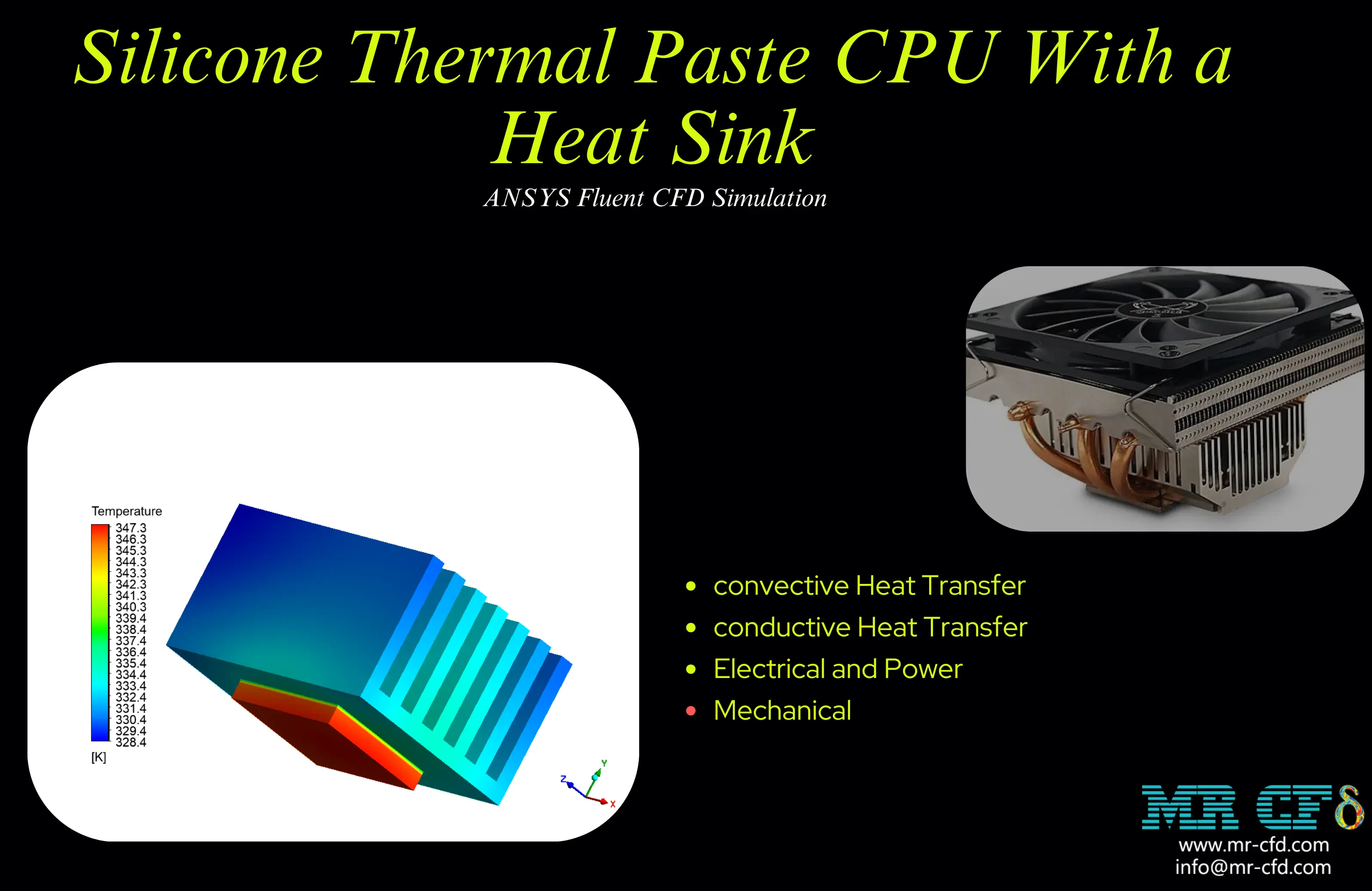
Simulate forced convective cooling of a heat sink to dissipate 100 W of thermal power from a CPU with silicone thermal paste. Copper plate, silicone thermal paste, and aluminum heat sink with seven fins. Forced air flow at 7 m/s removes thermal energy through convection. CFD simulation using the k-ω SST turbulence model in ANSYS Fluent. The model was designed in Design Modeler for simulation. The simulation uses 1,477,676 mesh elements in Fluent Meshing for accuracy. Heat sink assembly ensures efficient cooling and maintains safe operating temperatures for the CPU.
Computational Fluid Dynamics (CFD): Introduction
Beginner, Intermediate, Advanced
Price: Free
This is the first session of a Computational Fluid Dynamics (CFD) course, focusing on equations and numerical methods for discretization and solving them in detail. The course is designed by the Mister CFD team to help students and engineers understand the numerical techniques used in software like Ansys Fluent, rather than focusing on fundamental coding. It introduces CFD as a method for solving nonlinear partial differential equations (Navier-Stokes equations) through numerical techniques, since general analytical solutions aren’t available. The document covers three main numerical methods: Finite Difference Method (FDM), Finite Volume Method (FVM), and Finite Element Method (FEM), with their advantages and limitations. It explains different types of Partial Differential Equations (PDEs) including their classifications based on order, linearity, and behavior (Elliptic, Parabolic, and Hyperbolic). The content concludes with detailed explanations of conservation equations, numerical errors in CFD, and the importance of Taylor series in discretization processes.
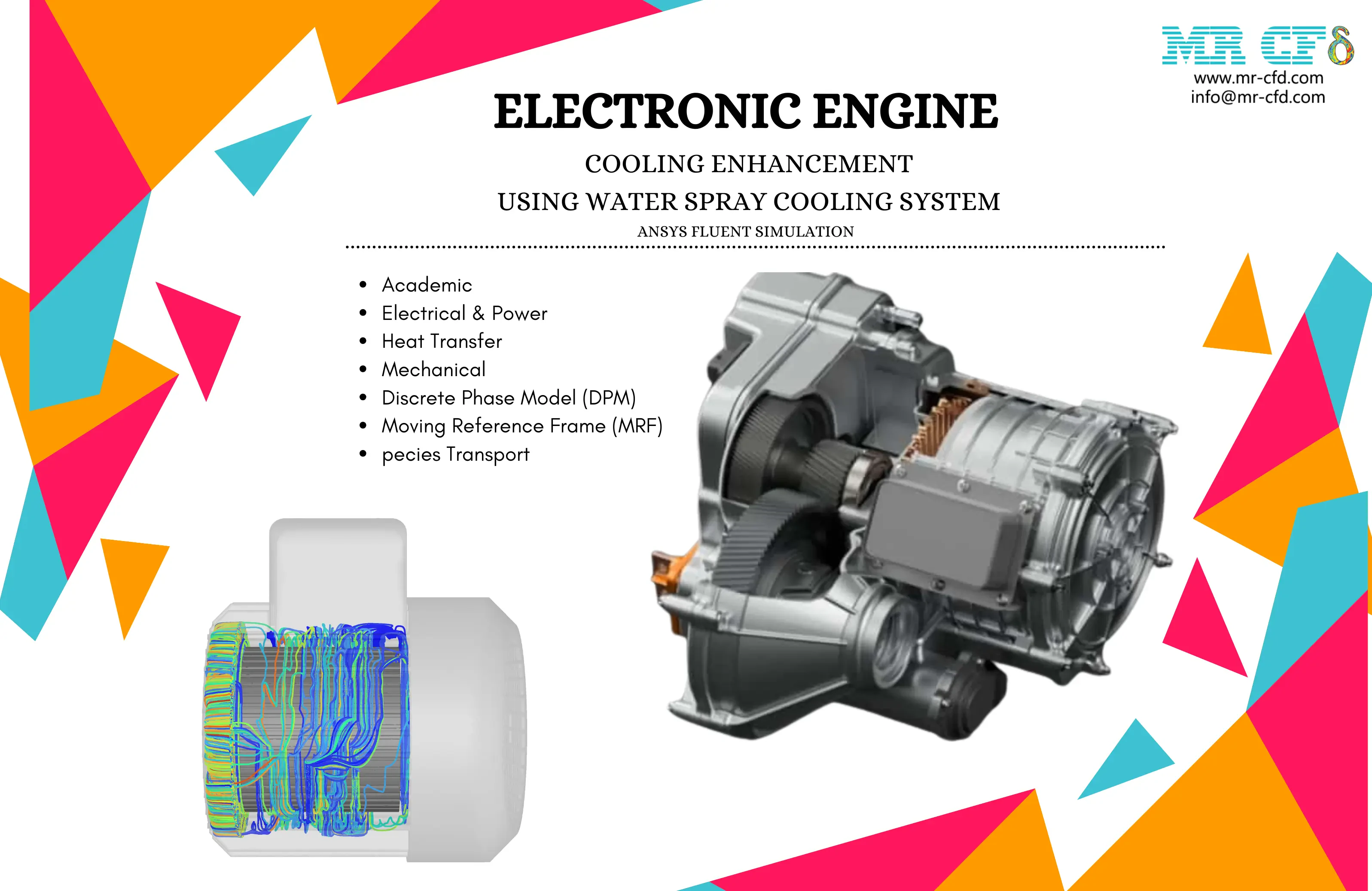
Electronic Engine Cooling Enhancement with and without Water Spray Cooling System
Intermediate, Advanced
Price: $240
This project investigates the thermal management of an electronic engine using CFD simulation through ANSYS Fluent software suite The primary objective was to compare the cooling effectiveness of the engine under two conditions: without water spray cooling and with water spray cooling The simulation workflow began with geometry creation in SpaceClaim, followed by mesh generation in ANSYS Meshing. The simulation framework utilised species transport modelling and implemented a two-way coupled discrete phase model (DPM) specifically for water spray simulation
Complete Electrical and Power CFD Course +140 Simulations (All in One Course)
The Complete Electrical and Power CFD Course: +140 CFD Simulations by ANSYS Fluent is a comprehensive training solution for engineers, universities, companies, institutes, professors, managers, and technical teams that need practical CFD capability in electrical and power engineering applications.
Developed by MR CFD, this course is part of MR CFD’s professional CFD Courses and Complete CFD Courses is designed to help learners move from scattered tutorials to a complete, structured, project-based CFD training experience. The course is also offered as the Electrical and Power GOLDEN Training Package, giving buyers access to a wide range of real-world simulations in one comprehensive package.
This complete course covers battery thermal management, fuel cells, electrolyzers, electronics cooling, heat sinks, PCM cooling, EHD, MHD, wind turbines, water turbines, turbine cavitation, active ventilation, generator room cooling, photovoltaic thermal systems, and advanced thermal management for electrical and power systems.
Why Choose This Complete Electrical and Power CFD Course?
This course is built for buyers who need practical simulation readiness, not only theoretical knowledge. It helps engineering teams, academic departments, and industrial companies train users faster, reduce project risk, and standardize CFD workflows across electrical and power engineering applications.
| Business Need | How This Complete CFD Course Solves It |
| Faster team onboarding | New engineers can learn from complete, pre-built electrical and power CFD projects. |
| Reduced training cost | One comprehensive course replaces scattered tutorials, repeated internal training, and disconnected learning resources. |
| Practical power engineering coverage | The course includes batteries, fuel cells, electrolyzers, heat sinks, turbines, cooling systems, PCM, EHD, MHD, and ventilation. |
| Academic teaching support | Professors can use the simulations as practical teaching material for students, interns, and research assistants. |
| Enterprise workflow consistency | Teams can follow proven simulation workflows instead of building every process from scratch. |
| Real project readiness | Learners work with applied CFD simulations rooted in power, electronics, cooling, and renewable energy systems. |
Complete Electrical and Power Engineering CFD Training for Teams
This course gives your organization a structured path to CFD mastery in electrical and power engineering. It supports users who need to simulate battery packs, lithium-ion battery cooling, PCM-based thermal management, PEM fuel cells, alkaline electrolysis, heat sinks, microchannels, IGBT cooling, server room cooling, generator room ventilation, wind turbines, water turbines, hydropower systems, and thermal behavior in power equipment.
For companies, this complete CFD course reduces dependency on isolated experts and creates a repeatable learning pathway for engineering teams. For universities and institutes, it provides ready-to-use simulation projects that can support lectures, laboratories, workshops, research projects, and advanced engineering curricula.
What You Get in This Electrical and Power CFD Course
| Included Asset | Value for the Buyer |
| +140 CFD simulation projects | A comprehensive electrical and power engineering CFD library in one course package. |
| Step-by-step tutorials | Practical guidance from geometry creation to final post-processing. |
| Complete simulation workflows | Geometry, meshing, solver setup, results analysis, and engineering interpretation. |
| Advanced power engineering case studies | Coverage of batteries, fuel cells, electrolyzers, turbines, heat sinks, cooling systems, PCM, EHD, MHD, and ventilation. |
| 1 year of technical support | Direct support from MR CFD experts for course users. |
| 3 months of HPC access | Additional computational resources for selected learning and simulation needs. |
| Regular course enhancements | Continued value through updates for emerging fields such as PCM cooling, turbine systems, and advanced electrical thermal management. |
Electrical and Power CFD Topics Covered in This Complete Course
This complete CFD course covers a broad range of electrical and power engineering applications, from electronics cooling and battery systems to renewable energy turbines, electrochemical devices, and thermal management of power equipment.
| Training Area | Covered Topics |
| Battery CFD simulation | Battery pack 1P6S, battery 1P1S, battery model introduction, battery CFD concepts, PCM-covered batteries, and validation-based battery projects. |
| Battery thermal management | Water vapor cooling, nanofluid cooling, PCM cooling, lithium-ion battery thermal management, and advanced cooling strategies. |
| Electronics cooling | PCB submerge cooling, ASIC miner liquid immersion cooling, IGBT heat sink cooling, server room cooling, heat sink cooling, and porous medium cooling. |
| Heat sink CFD | Microchannel heat sink optimization, conjugate heat transfer in microchannel heat sinks, splitter plate effects, CPU heat sink thermal paste, and pin-fin heat sinks. |
| Fuel cell CFD | PEM fuel cells, proton exchange membrane fuel cells, polymer electrolyte membrane fuel cells, and paper-validation fuel cell projects. |
| Electrolyzer CFD | PEM electrolysis, alkaline electrolysis, electrolyzer validation cases, and multiphase applications in electrochemical systems. |
| PCM thermal management | PCM cooling, PCM-enhanced PV panels, battery cooling by PCM, lithium-ion battery PCM protection, and phase change thermal control. |
| EHD and electric field effects | Electric field effect on nanofluid heat transfer, charge density modeling, and combustion in the presence of EHD. |
| MHD and magnetic field effects | MHD fluid flow, magnetic field effects on nanofluid flow, magnetic heat transfer, and magnetic force effects. |
| Active ventilation | Greenhouse ventilation, classroom airborne risk, miner room ventilation, server room cooling, generator room ventilation, and fan-assisted cooling. |
| Wind turbine CFD | Vertical axis wind turbines, Darrieus turbines, H-Type VAWT, helical blade turbines, Savonius turbines, Liam F1 wind turbine, and wind turbine validation cases. |
| Water and tidal turbines | Pelton wheel turbines, horizontal axis tidal turbines, Archimedes screw turbines, Francis turbines, Turgo turbines, hydrokinetic turbines, and hydropower optimization. |
| Turbine cavitation | Francis turbine cavitation, Turgo turbine cavitation, hydrokinetic turbine cavitation, and cavitation studies in power-generation equipment. |
| Optimization projects | DOE, RSM, microchannel heat sink optimization, turbine hydropower optimization, and design improvement workflows. |
Advanced Electrical and Power CFD Modules Included
This complete course includes advanced simulation categories that help engineers move beyond basic CFD setup and into professional-grade power engineering analysis.
Key advanced modules include:
Battery thermal management simulations for lithium-ion batteries, battery packs, PCM cooling, nanofluid cooling, and water vapor cooling.
Electronics cooling workflows for PCB cooling, ASIC miner immersion cooling, IGBT heat sinks, server rooms, microchannels, and porous heat sinks.
Fuel cell simulations for PEMFC systems, polymer electrolyte membrane fuel cells, proton exchange membrane fuel cells, and validation-based electrochemical workflows.
Electrolyzer simulations for PEM electrolysis, alkaline electrolysis, and multiphase electrochemical applications.
Wind turbine CFD projects for VAWT, Darrieus turbines, H-Type turbines, helical turbines, Savonius turbines, and performance comparison studies.
Water turbine and hydropower simulations for Pelton wheels, Francis turbines, Turgo turbines, tidal turbines, Archimedes screw turbines, and hydrokinetic systems.
EHD and MHD simulations for electric field effects, magnetic field effects, nanofluid behavior, charge density, and enhanced heat transfer.
PCM and phase change projects for power equipment cooling, battery protection, PV panel thermal management, and energy storage applications.
Active ventilation projects for generator rooms, miner rooms, greenhouses, classrooms, server rooms, and fan-assisted thermal control.
Optimization-based simulations using DOE, RSM, and microchannel heat sink optimization workflows.
Complete Electrical and Power CFD Course vs Standard Single-Topic Training
<div class="compare-chart">
| Feature | Complete Electrical and Power CFD Course | Standard Single-Topic CFD Training |
| Main purpose | Comprehensive CFD training for electrical and power engineering applications | Focused learning for one narrow topic |
| Best for | Companies, universities, professors, research teams, instructors, and advanced engineers | Individual learners studying a specific subject |
| Content depth | +140 applied CFD simulations across power, cooling, electrochemical, and renewable energy systems | Limited case studies in one application area |
| Project variety | Batteries, fuel cells, electrolyzers, heat sinks, turbines, PCM, EHD, MHD, ventilation, and optimization | Usually limited to one workflow or equipment type |
| Business value | Reduces training cost, accelerates onboarding, and standardizes team capability | Builds knowledge in a specific technical niche |
| Purchase motivation | Complete CFD capability building for electrical and power engineering | Individual skill improvement |
</div>
Who Should Buy This Complete Electrical and Power CFD Course?
This course is ideal for electrical engineers, power engineers, thermal engineers, CFD specialists, university professors, research institutes, renewable energy teams, battery development teams, electronics cooling groups, technical managers, CEOs, professional instructors, and advanced engineering practitioners.
It is especially valuable for organizations that want to train multiple users, reduce repeated onboarding, support academic programs, standardize CFD workflows, and improve internal simulation capability across electrical and power engineering applications.
Business Benefits of Buying This Complete CFD Course
| ROI Driver | Business Impact |
| Faster onboarding | New engineers become productive sooner on electrical and power CFD projects. |
| Reduced external training dependency | Teams can learn from a complete internal CFD training resource. |
| Better workflow consistency | Engineers follow proven simulation workflows instead of scattered tutorials. |
| Lower project risk | Teams learn from pre-built, practical electrical and power engineering examples. |
| Stronger academic outcomes | Instructors can assign realistic CFD simulation projects for power systems and electronics cooling. |
| Faster innovation | Teams can evaluate batteries, heat sinks, turbines, fuel cells, and cooling systems more efficiently. |
| Higher long-term value | One complete course supports repeated training across departments, students, interns, and new employees. |
Why This Complete CFD Course Is Built for Direct Purchase
When your team needs serious CFD capability in electrical and power engineering, buying isolated tutorials one by one creates gaps, duplicated effort, and inconsistent learning outcomes. This complete course removes that friction by giving you a structured simulation library in one purchase.
You get practical training built around real engineering applications, including battery cooling, electronics cooling, heat sinks, fuel cells, electrolyzers, PCM systems, wind turbines, water turbines, EHD, MHD, ventilation, and optimization. That makes this course a strong choice for buyers who want immediate access to a deep, organized, and commercially valuable CFD learning system.
So...
Invest in the Electrical and Power GOLDEN Training Package: +140 CFD Simulations by ANSYS Fluent and give your team a complete electrical and power CFD training system built for advanced industrial and academic performance.
Whether you manage a university lab, a corporate CFD department, an electrical engineering team, a power systems group, a battery development unit, or a technical training center, this course helps you reduce training time, improve simulation quality, and build long-term internal expertise.
Instead of purchasing separate tutorials and managing disconnected learning materials, choose one complete CFD course that delivers depth, breadth, technical support, HPC access, and practical project readiness in a single solution.
FAQ for Complete Electrical and Power CFD Course
What is included in the Complete Electrical and Power CFD Course?
The course includes +140 CFD simulation projects covering battery thermal management, electronics cooling, heat sinks, fuel cells, electrolyzers, PCM, EHD, MHD, wind turbines, water turbines, ventilation, optimization, and power system thermal applications.
Who is this electrical and power CFD course designed for?
This course is designed for electrical engineers, power engineers, CFD specialists, university professors, research teams, technical managers, companies, institutes, and advanced users who need practical CFD training for electrical and power engineering applications.
Is this course suitable for company-wide CFD training?
Yes. This complete CFD course is suitable for team training because it provides a large library of practical simulations that help standardize workflows, reduce onboarding time, and improve project readiness.
Can university professors use this course for teaching?
Yes. Professors and instructors can use the course as a ready-made library of practical CFD case studies for lectures, laboratories, assignments, workshops, research projects, and advanced student training.
Does this course cover battery thermal management CFD?
Yes. The course includes battery pack simulations, lithium-ion battery thermal management, PCM battery cooling, nanofluid cooling, water vapor cooling, and validation-based battery CFD projects.
Does this course include electronics cooling and heat sink simulations?
Yes. It includes PCB cooling, ASIC miner liquid immersion cooling, IGBT heat sink cooling, server room cooling, microchannel heat sinks, porous heat sinks, CPU thermal paste, and conjugate heat transfer projects.
Are fuel cells and electrolyzers included in this course?
Yes. The course covers PEM fuel cells, polymer electrolyte membrane fuel cells, proton exchange membrane fuel cells, PEM electrolysis, alkaline electrolysis, and electrochemical multiphase simulations.
Does this course cover renewable energy systems?
Yes. It includes vertical axis wind turbines, Darrieus turbines, Savonius turbines, helical wind turbines, water turbines, tidal turbines, Pelton wheels, Francis turbines, Turgo turbines, and hydropower optimization.
Is technical support included after purchasing the course?
Yes. Buyers receive 1 year of non-limited technical support from MR CFD experts, helping learners and teams resolve technical questions related to the course simulations.
Why should I buy this complete CFD course instead of separate tutorials?
Buying this complete CFD course gives you a broader, more organized, and more cost-effective training solution. It supports team-wide learning, reduces repeated training costs, and gives access to a comprehensive electrical and power CFD simulation library in one purchase.