

CFD Advanced Courses
Here's every CFD online course in the Advanced level.
Price: $649
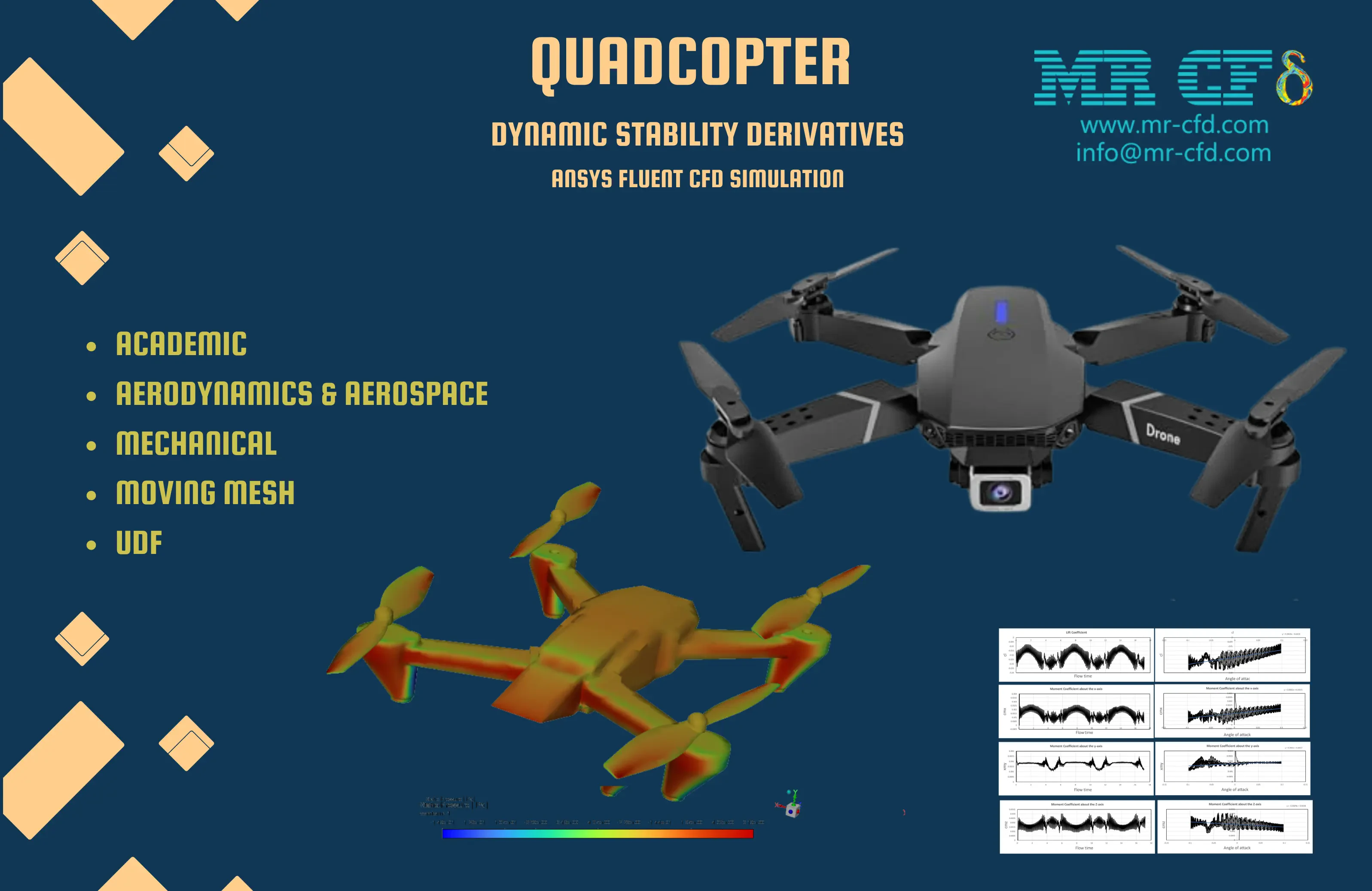
The problem numerically simulates the Dynamic Stability Derivatives of Quadcopter using ANSYS Fluent We designed the 3-D symmetry model using the SpaceClaim We mesh the model with ANSYS Meshing software, and the element number equals 1,710,236. We perform this simulation as unsteady (Transient). We use the Mesh Motion and UDF files to define the rotational and oscillation motion of the Quadcopter and blades.
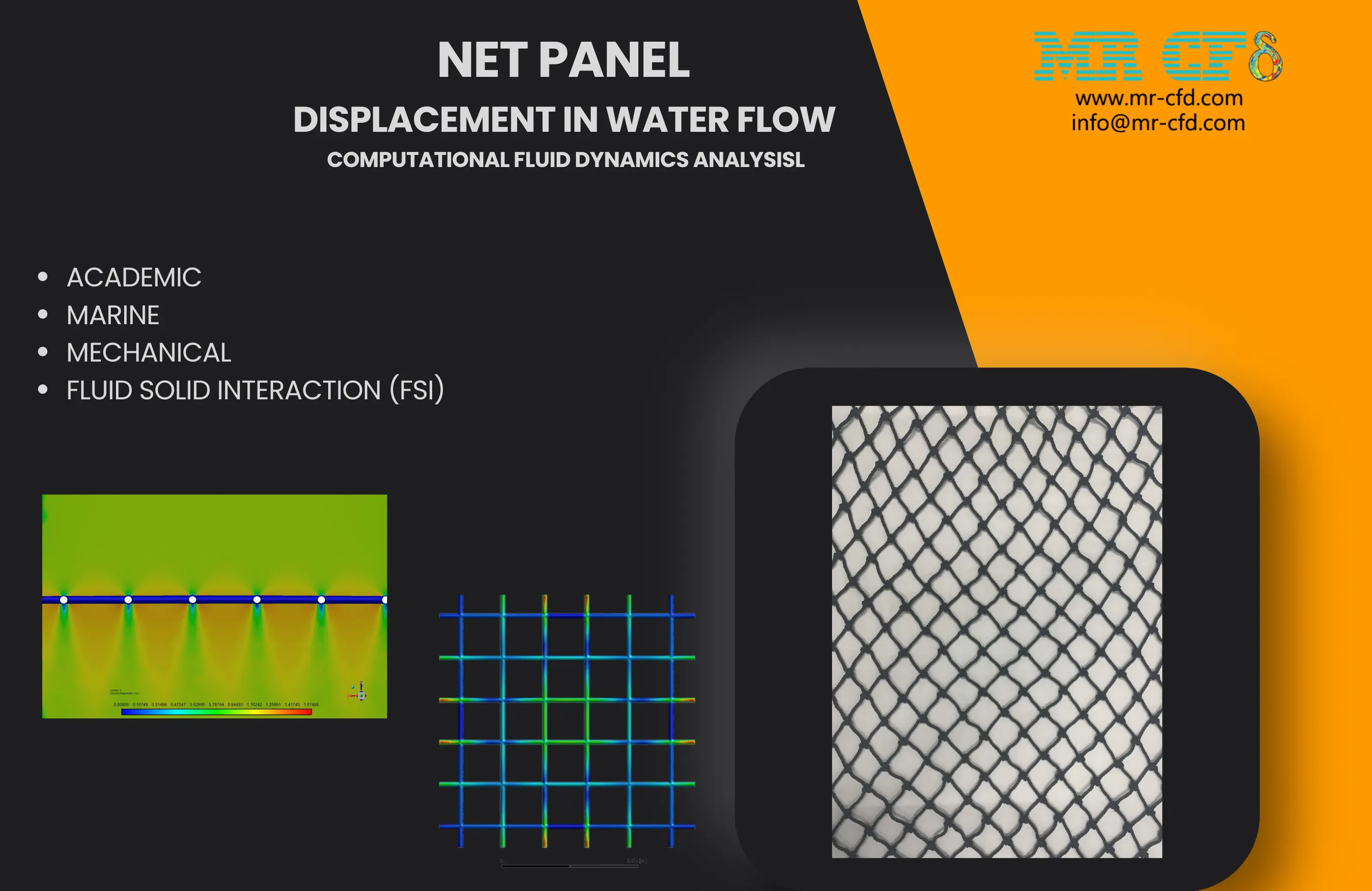
Net Panel Displacement in Water Flow CFD Analysis, Ansys Fluent
Intermediate, Advanced
Price: $15
This study investigates the displacement of a net panel subjected to water flow using ANSYS Fluent simulation. The geometry of a square net panel was created using ANSYS Design Modeler. The computational domain was then discretized using ANSYS Meshing, resulting in over 2,339,853 elements. The simulation aims to analyze the net panel's fluid-structure interaction The structural model utilized a Linear Elasticity submodel to simulate the net panel’s deformation
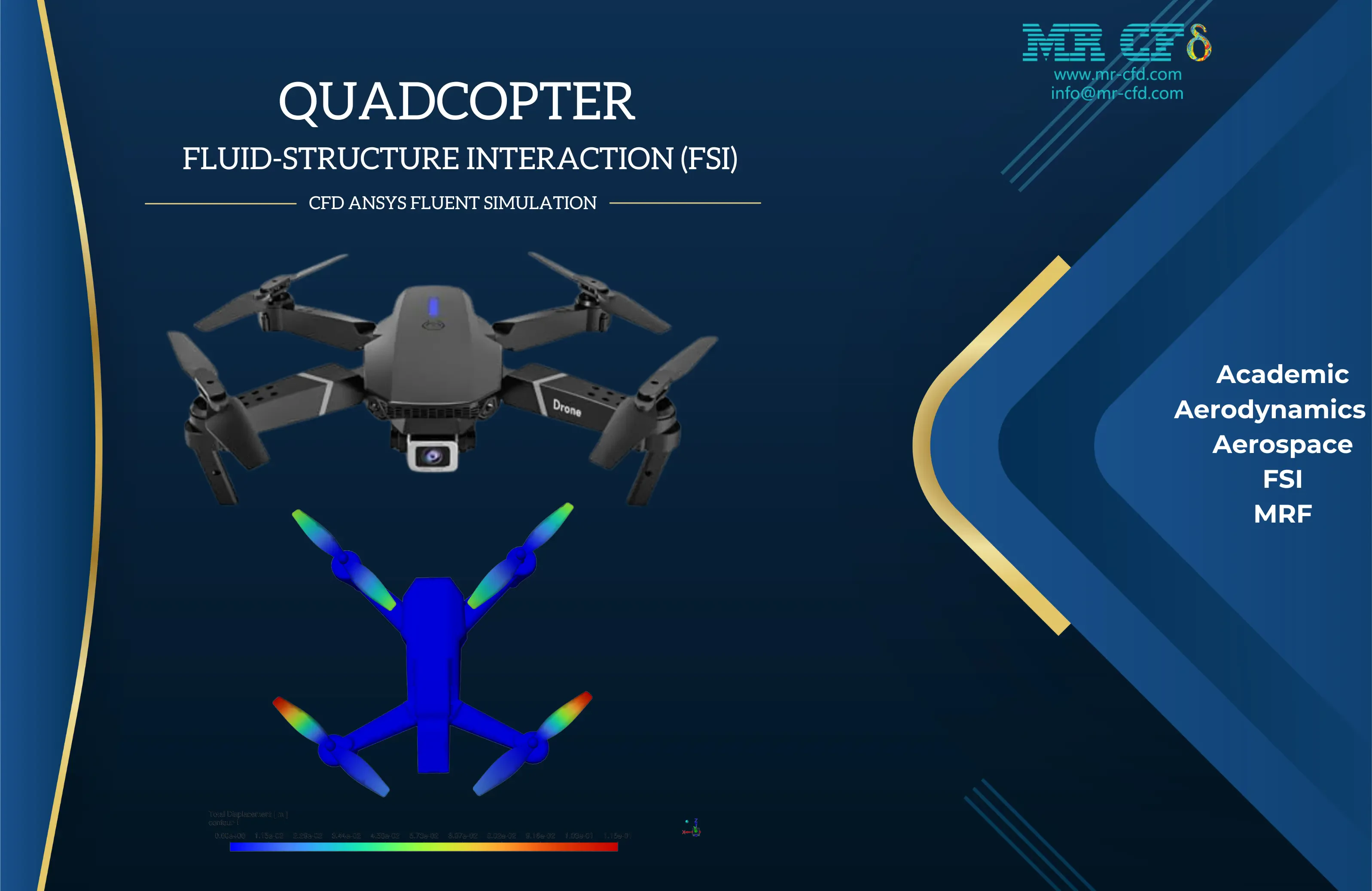
Quadcopter Fluid-Structure Interaction (FSI) Simulation using ANSYS Fluent
Intermediate, Advanced
Price: $649
This study presents a Fluid-Structure Interaction (FSI) simulation of a quadcopter using ANSYS Fluent The quadcopter geometry was created using ANSYS SpaceClaim The model was then meshed using ANSYS Meshing, which generated an unstructured mesh consisting of approximately 499,152 elements To accurately capture the blades’ rotation, two frame motion(MRF) zones are applied to the blades. The Structure model with the Linear Elasticity option was enabled to investigate the displacement of the blade
Price: $949
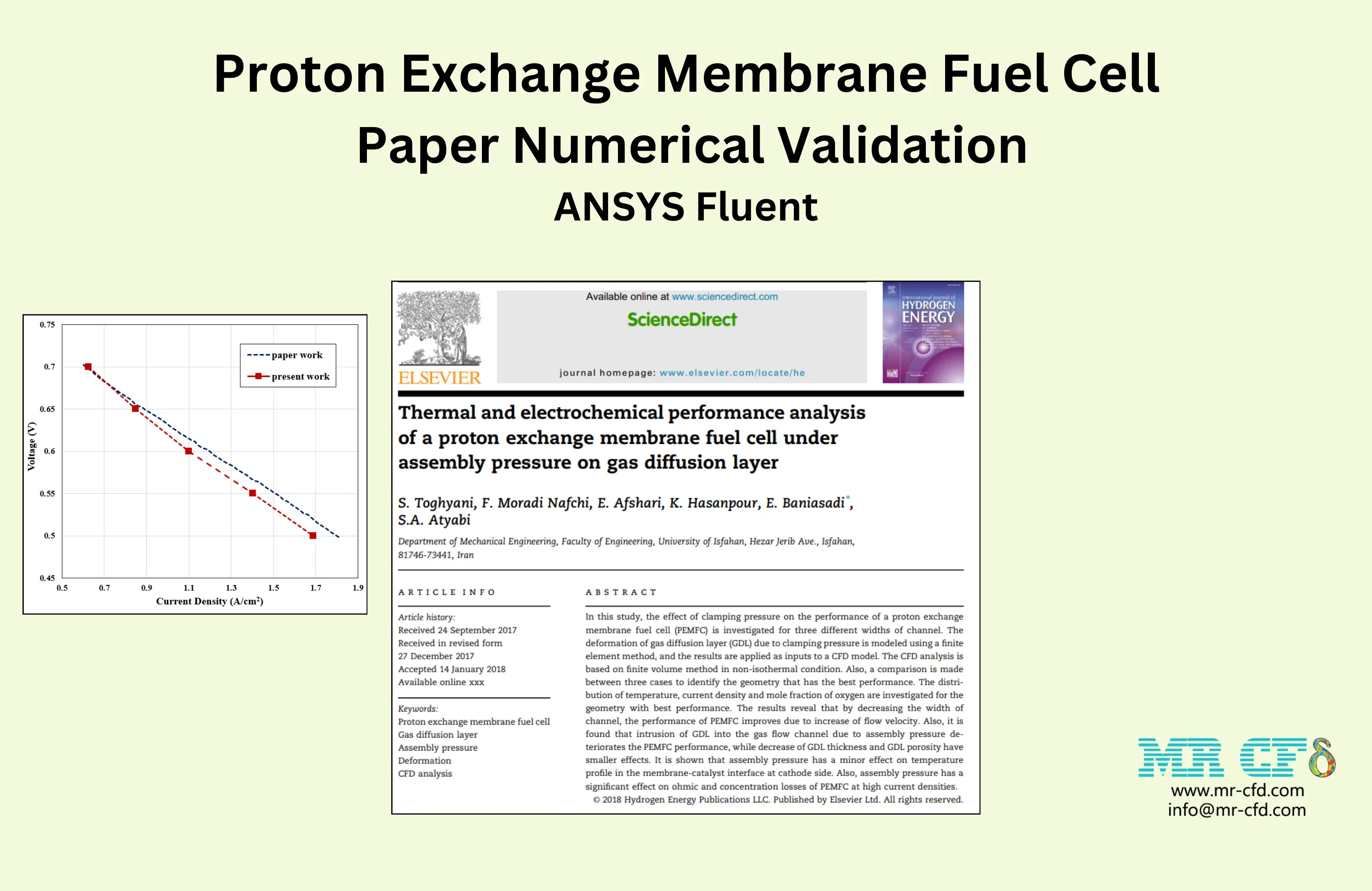
This project numerically simulates the PEM Fuel Cell using ANSYS Fluent software. We design the 3-D model with the Design Modeler software. We mesh the model with ANSYS Meshing software and the Structured mesh including 270,0000 elements is generated. We use the Fuel Cell and Electrolysis Model to define a fuel cell system. We used the PEMFC sub-model to define a proton-exchange membrane fuel cell. We used the Species model to define H2, O2, and H2O. The present CFD work is Validated with a reference Article.
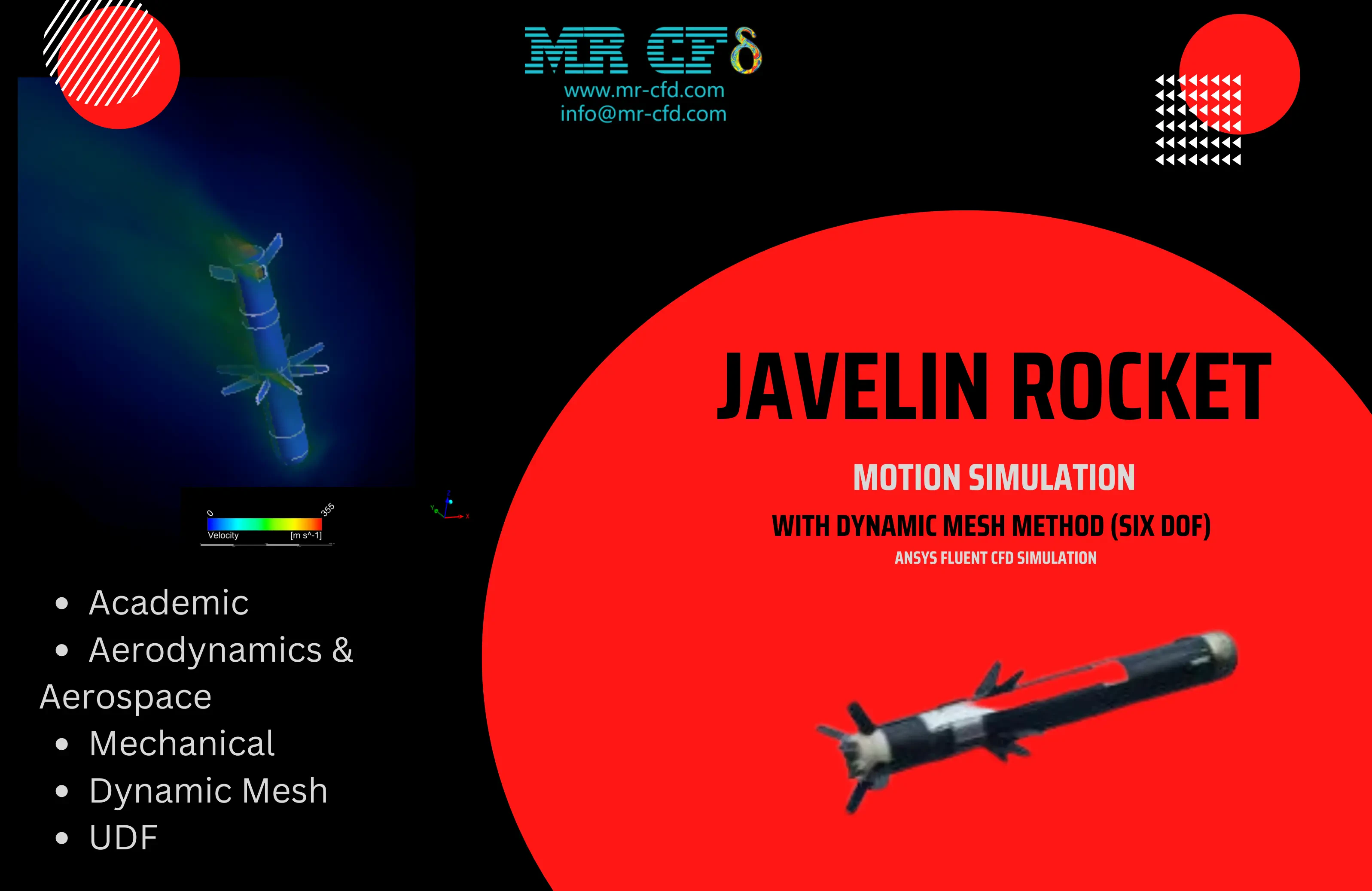
Javelin Rocket Motion Simulation with Dynamic Mesh Method (Six DOF) using ANSYS Fluent
Intermediate, Advanced
Price: $429
This report presents a simulation of the motion of a javelin rocket using the dynamic mesh method The geometry of the javelin rocket is created using Spaceclaim software A high-quality mesh is generated around the rocket geometry using ANSYS Meshing(about 250,000 elements) The six DOF solver settings are specified, including the mass properties and the degrees of freedom for translation and rotation.
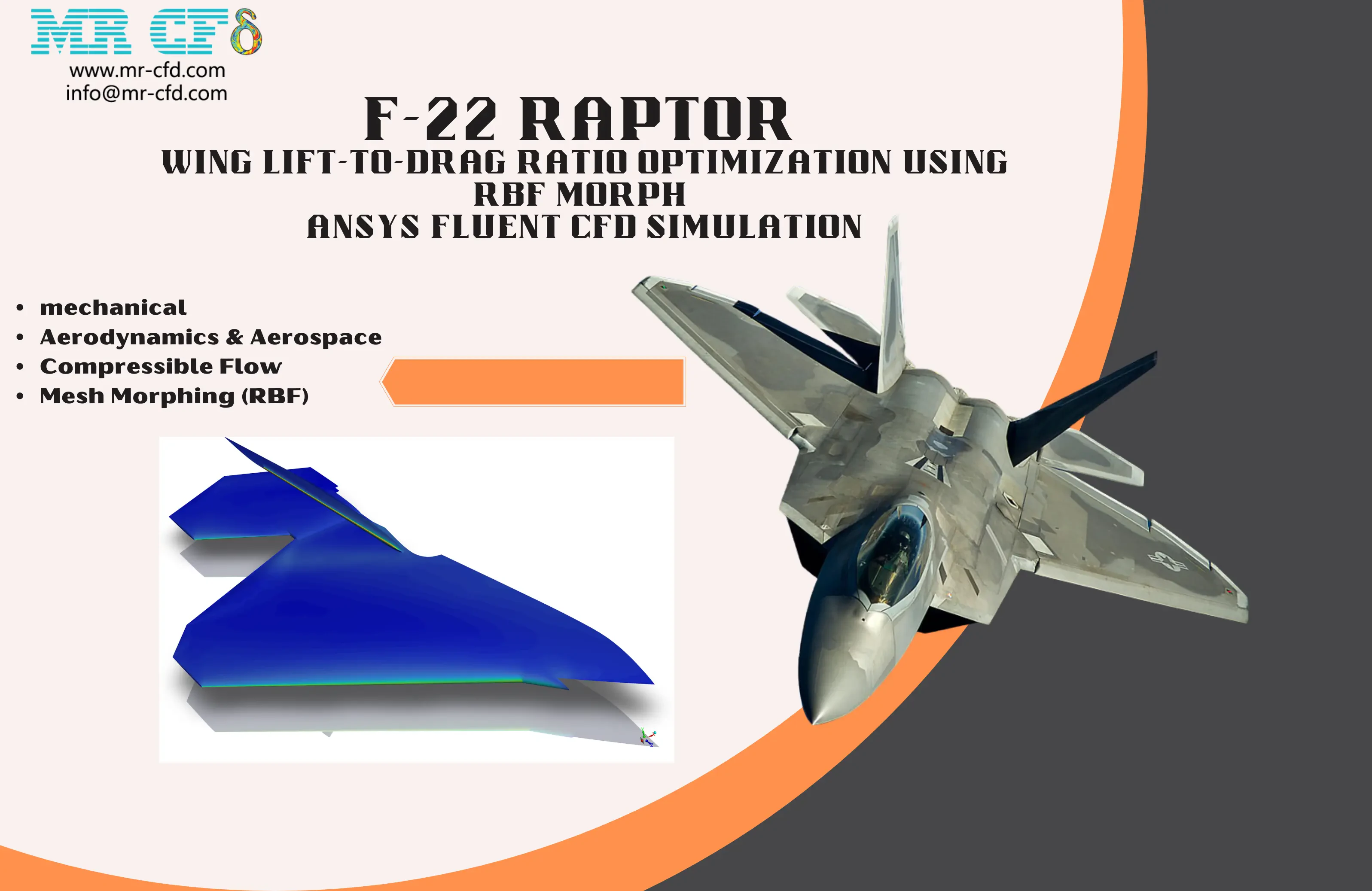
Price: $31.50
The problem numerically simulates the Lockheed Martin F-22 Raptor using ANSYS Fluent The geometry is designed in SpaceClaim, and the meshing is performed using fluent Meshing. The mesh type is polyhedral, and the element number equals 4,989,000. We aim to Maximize the Lift-to-Drag Ratio of wings. We use the Adjoint Solver to analyze the Shape Sensitivity. The Design Optimization is performed with the Gradient-based Radial Basis Function (RBF) used to apply Mesh Morphing.
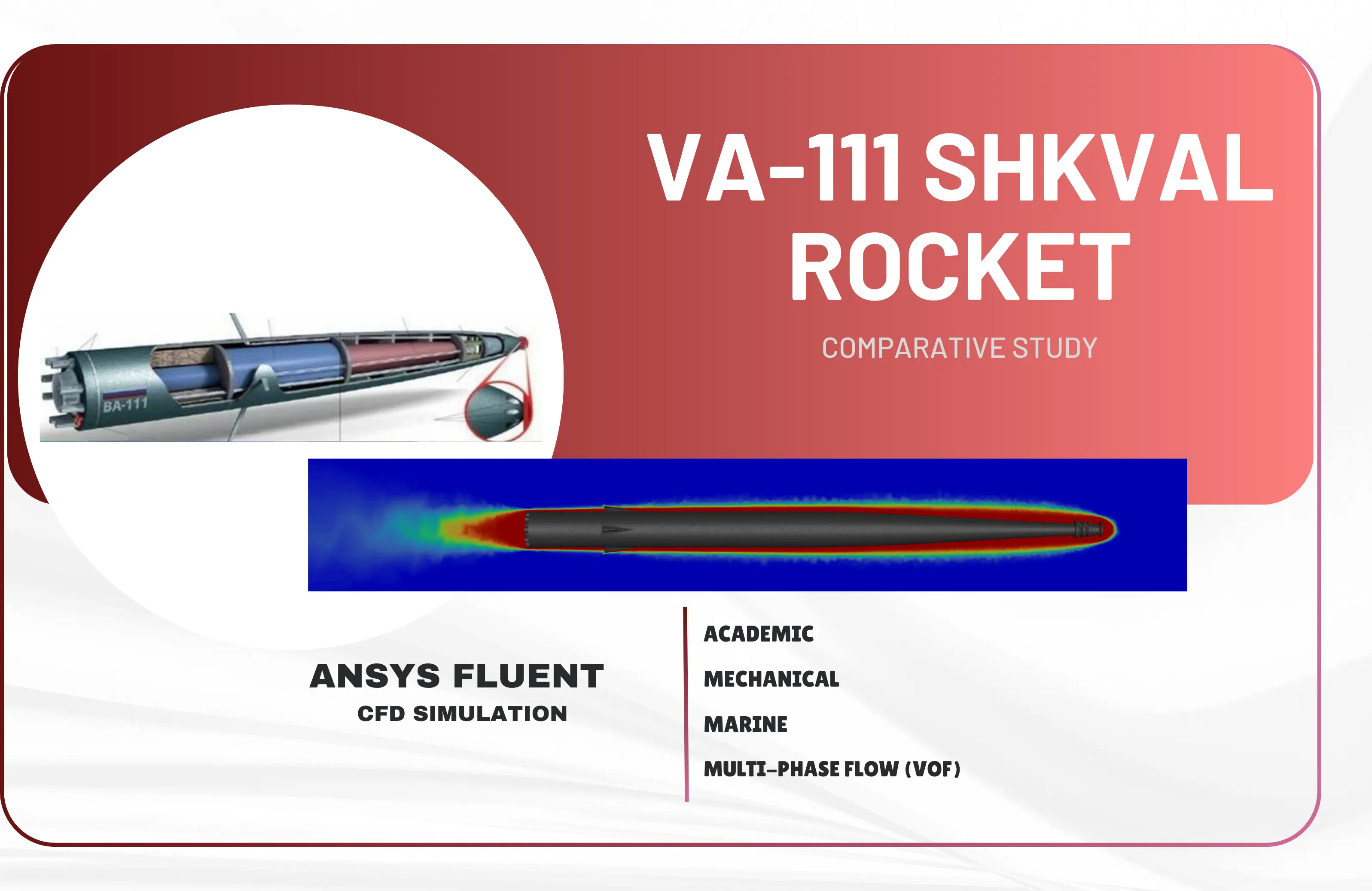
VA-111 Shkval Rocket Performance Comparative Study with and without Supercavitation injection
Advanced
Price: $14
This problem simulates a VA-111 Shkval rocket using ANSYS Fluent software. The geometry is designed in SpaceClaim, and the meshing is performed using Fluent Meshing; the element number equals 257,000 polyhedral cells. The simulation uses the Pressure-based and VOF Multiphase model to define a two-phase flow. The turbulence model is set to SST k-ω.
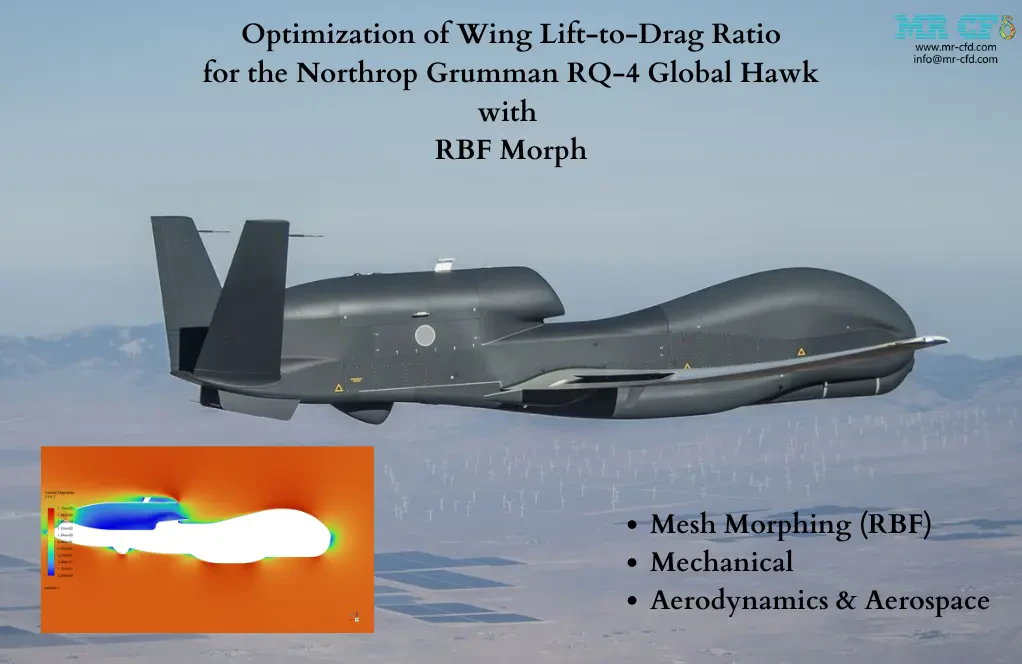
Optimization of Wing Lift-to-Drag Ratio for the Northrop Grumman RQ-4 Global Hawk with RBF Morph
Advanced
Price: $225
The problem numerically simulates the Northrop Grumman RQ-4 Global Hawk using ANSYS Fluent The geometry is designed in SpaceClaim, and the meshing is performed using fluent Meshing. The mesh type is polyhedral, and the element number equals 2,063,629. We aim to Maximize the Lift-to-Drag Ratio of wings. We use the Adjoint Solver to analyze the Shape Sensitivity. The Design Optimization is performed with the Gradient-based The Radial Basis Function (RBF) is used to apply Mesh Morphing.
Price: $649
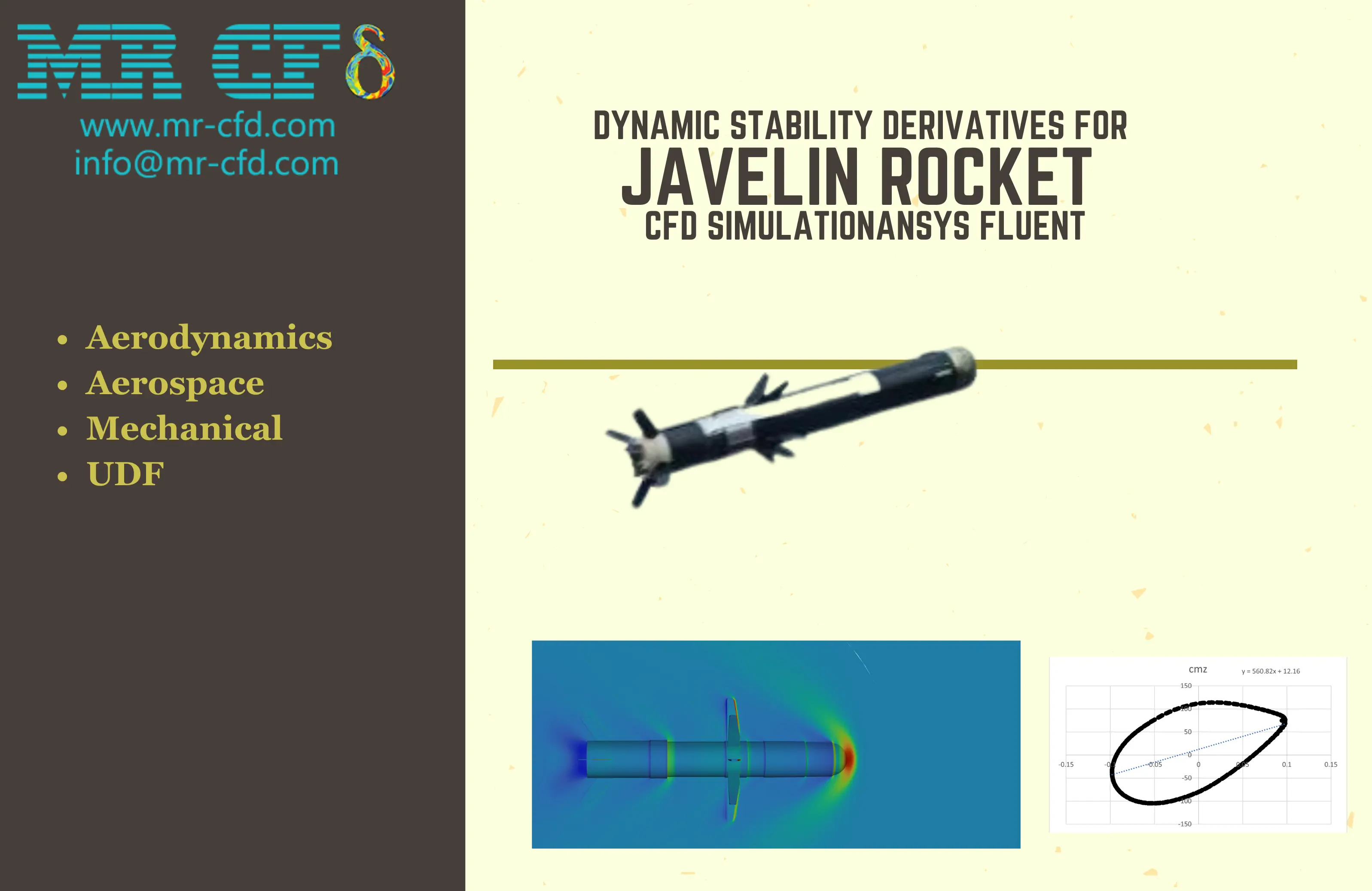
The problem numerically simulates the Dynamic Stability Derivatives of the Javelin Rocket using ANSYS Fluent. We designed the 3-D model using the SpaceClaim. We mesh the model with ANSYS Meshing software, and the element number equals 4,245,614. We perform this simulation as unsteady (Transient). We use the Mesh Motion and UDF files to define the rotational and oscillation motion of the Rocket.