

CFD Beginner Courses
Here's every CFD online course in the Beginner level.
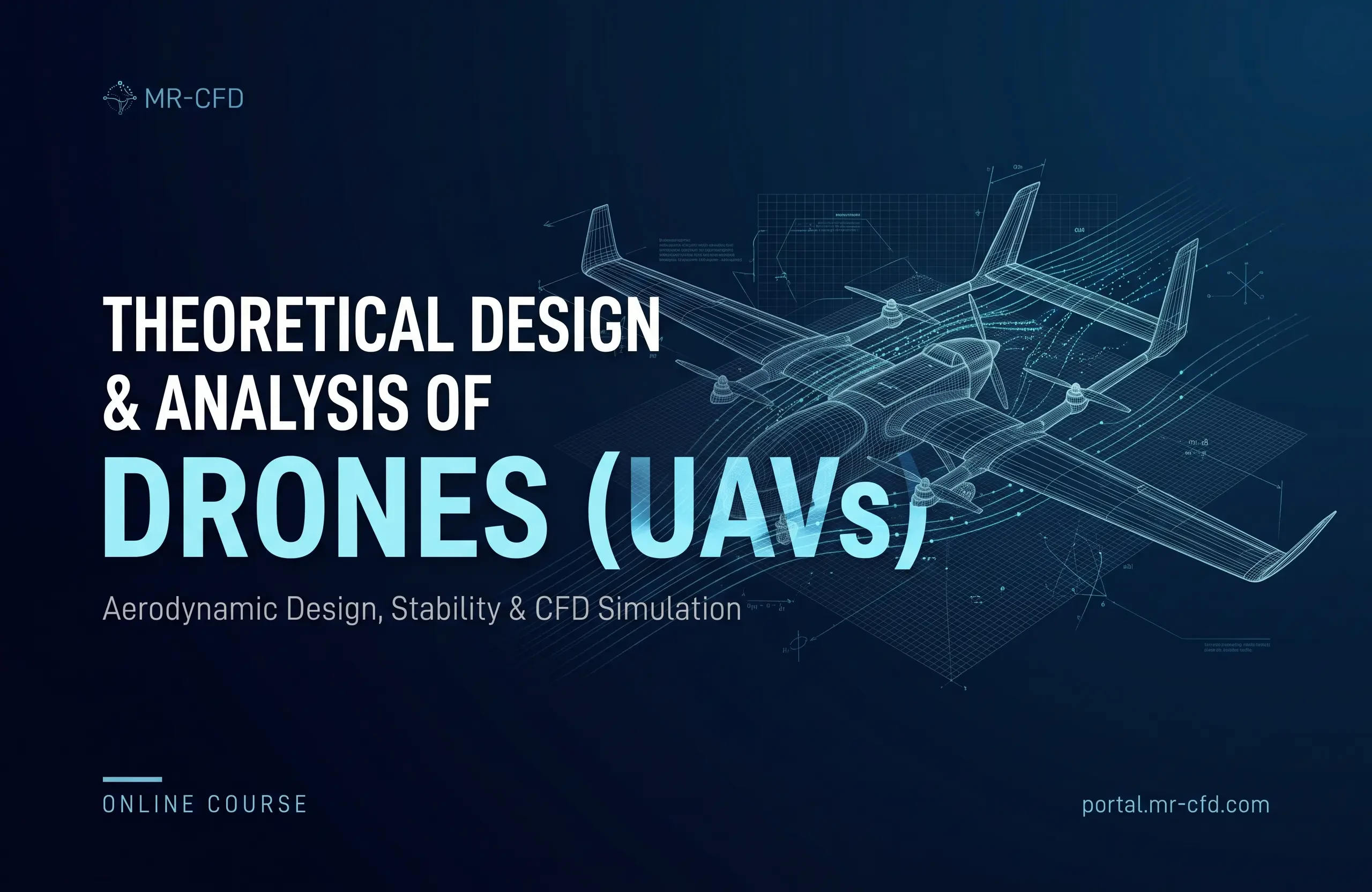
Drone (UAV) Aerodynamic Design | Drone CFD Simulation Course
Beginner, Intermediate, Advanced
Price: Free
End-to-End UAV Design: Master the complete UAV design methodology, from initial mission analysis to preliminary drone design. Industry-Standard CFD Tools: Gain hands-on expertise with Ansys Fluent and AVL for high-fidelity aerodynamic simulation. Performance & Stability Analysis: Evaluate drone aerodynamics, flight stability, and overall performance through project-driven CFD training.
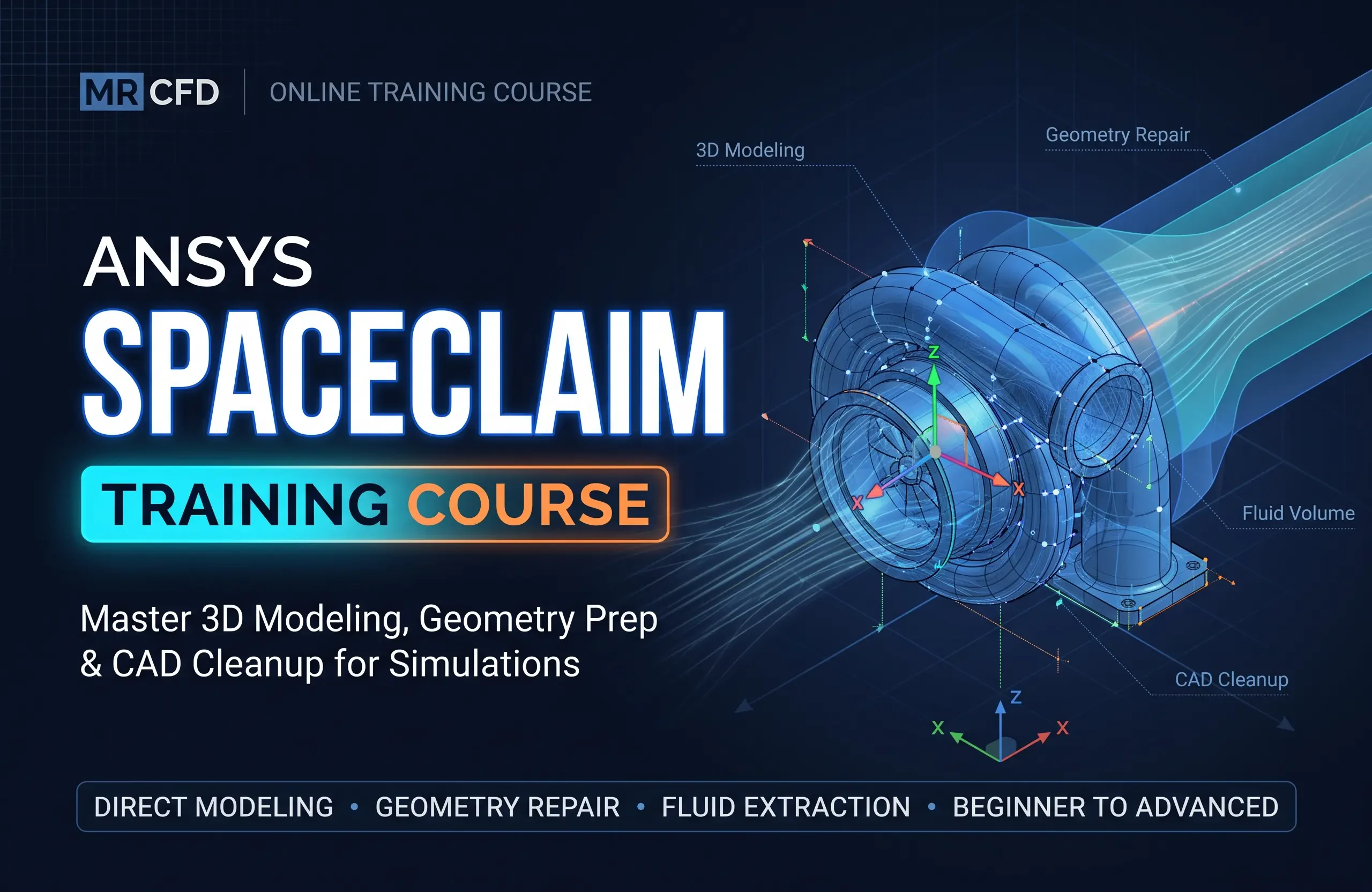
ANSYS SpaceClaim Training Course
Beginner, Intermediate, Advanced
Price: Free
Learn SpaceClaim from scratch! This complete training course teaches you 3D modeling, geometry editing, and CAD preparation for simulations. Master direct modeling techniques, geometry repair, and simplification tools essential for CFD and FEA analysis. Ideal for engineers and designers working with ANSYS simulations. Step-by-step tutorials take you from beginner to advanced user.

Optimization, DOE: CFD Simulation Masterclass
Beginner, Intermediate, Advanced
Price: $349
Master optimization process with our “Optimization (DOE and RSM): All Levels” CFD course using ANSYS Fluent. From basics to advanced, learn to perform Optimization procedures with different types of Design of Experiments (DOEs) and various Response Surface methodologies (RSMs). This course equips you with the essential skills to optimize all construction designs in all engineering fields using CFD. Ideal for beginners and experts alike, enhance your capabilities in design optimization for cutting-edge research and industrial applications.
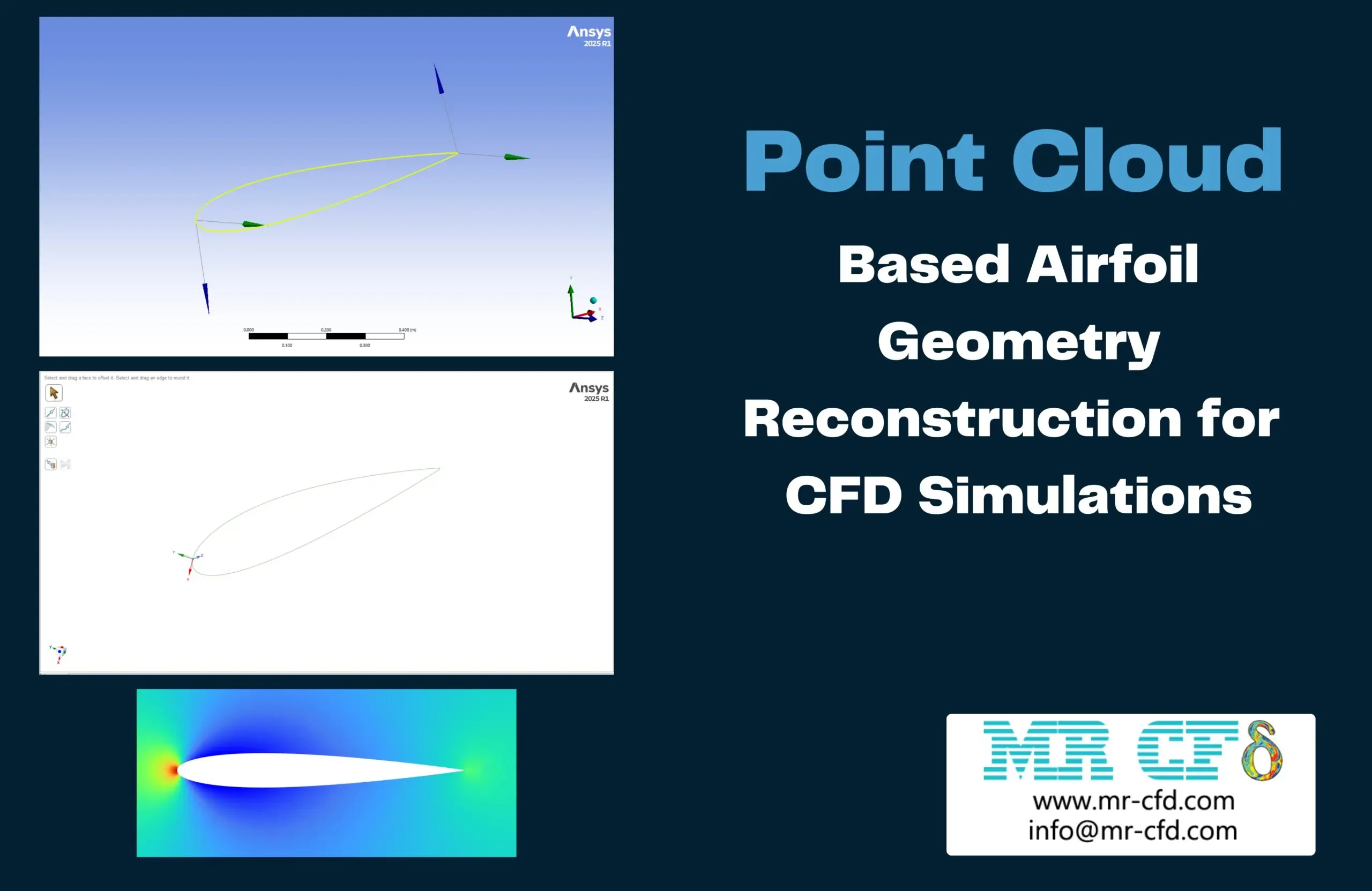
Point Cloud Based Airfoil Geometry Reconstruction for CFD Simulations
Beginner, Intermediate, Advanced
Price: Free
Point Cloud data serves as the foundation for reconstructing accurate 2D and 3D geometries. By converting raw coordinate points into smooth surfaces, simulations achieve higher precision. Point Cloud processing enhances meshing quality and avoids geometric inconsistencies. This approach ensures reliable results in CFD and other engineering analyses.
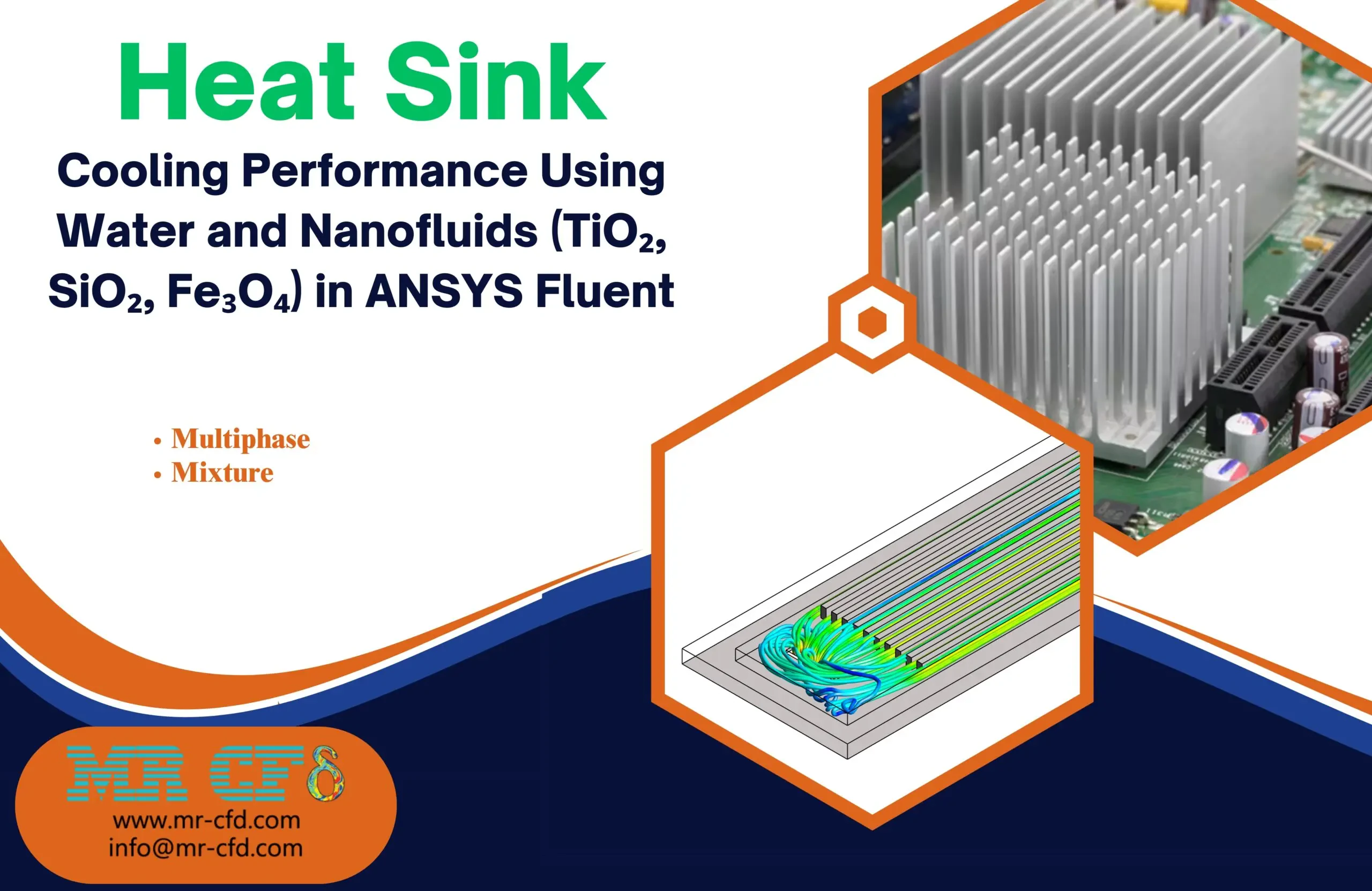
Heat Sink Cooling Performance Using Water and Nanofluids (TiO₂, SiO₂, Fe₃O₄) in ANSYS Fluent
Beginner, Intermediate
Price: $63
This project presents a numerical study of heat transfer in a heat sink using ANSYS Fluent. Four cases were simulated, including pure water (single-phase) and three nanofluids (water mixed with TiO₂, SiO₂, and Fe₃O₄) using the mixture multiphase model. The geometry was created in ANSYS DesignModeler, and a high-quality mesh of about 1.6 million elements was generated. A pressure-based, steady-state solver with the SIMPLE algorithm was applied. The results, illustrated in contour plots of velocity and temperature, show that nanofluids enhance cooling efficiency compared to pure water. Among the tested fluids, the Fe₃O₄–water mixture demonstrated the best thermal performance at the fins and base plate, highlighting its potential for advanced heat sink applications
Price: Free
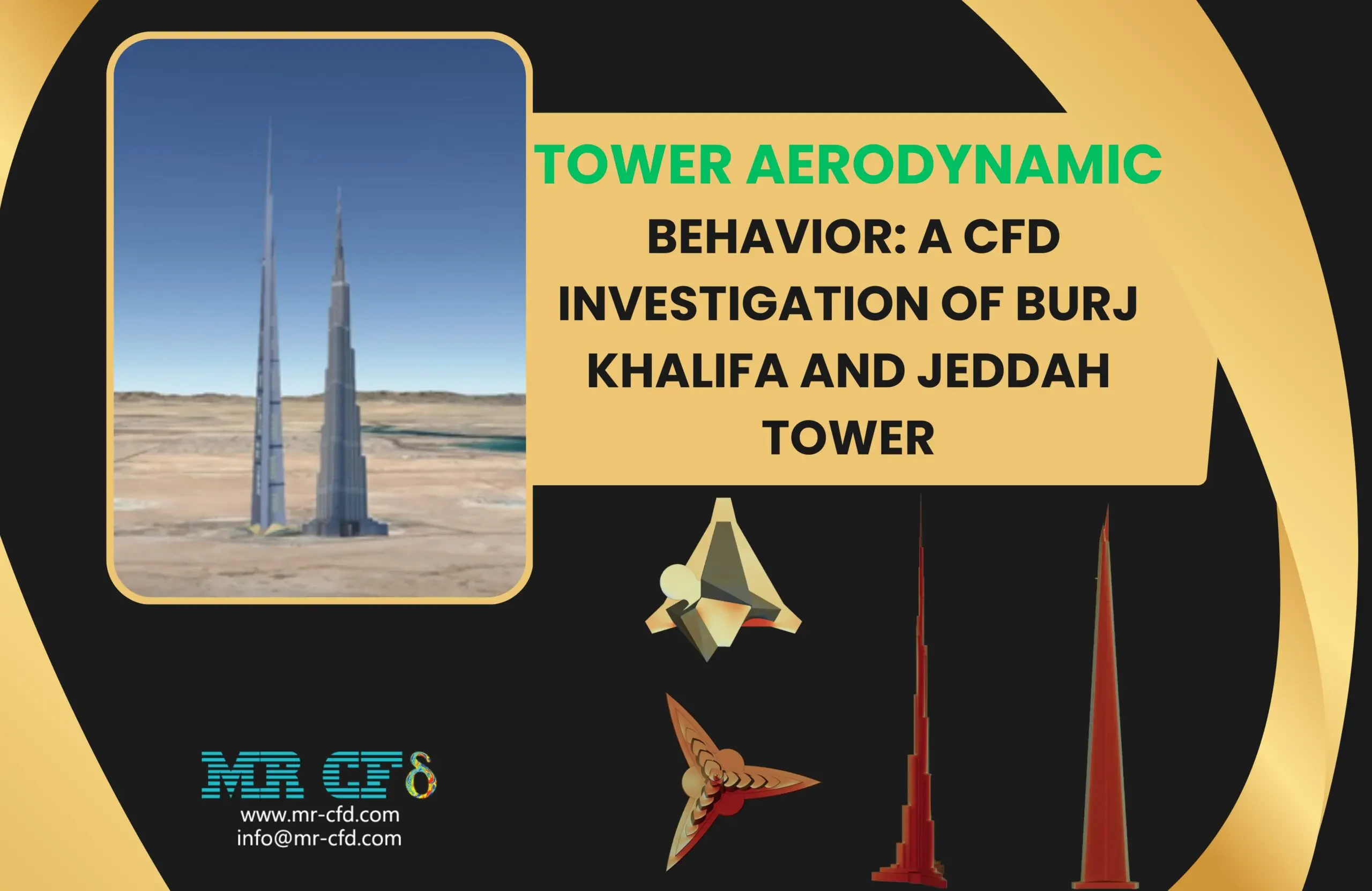
Tower aerodynamic project presents a CFD analysis of the Burj Khalifa (828 m) and Jeddah Tower (1000 m) under a steady 10 m/s wind using ANSYS Fluent. Geometries were built in SpaceClaim/Design Modeler and meshed in ANSYS Meshing, later converted into polyhedral elements for efficiency. A pressure-based steady solver with the Realizable k-ε turbulence model was applied, with velocity-inlet and pressure-outlet boundary conditions. Results show pressure drag dominates in both towers, while torque due to height is a critical factor, influenced strongly by tower geometry.
Quadcopter Aerodynamic Analysis and CFD Simulation in ANSYS Fluent
Beginner, Intermediate
Price: $319
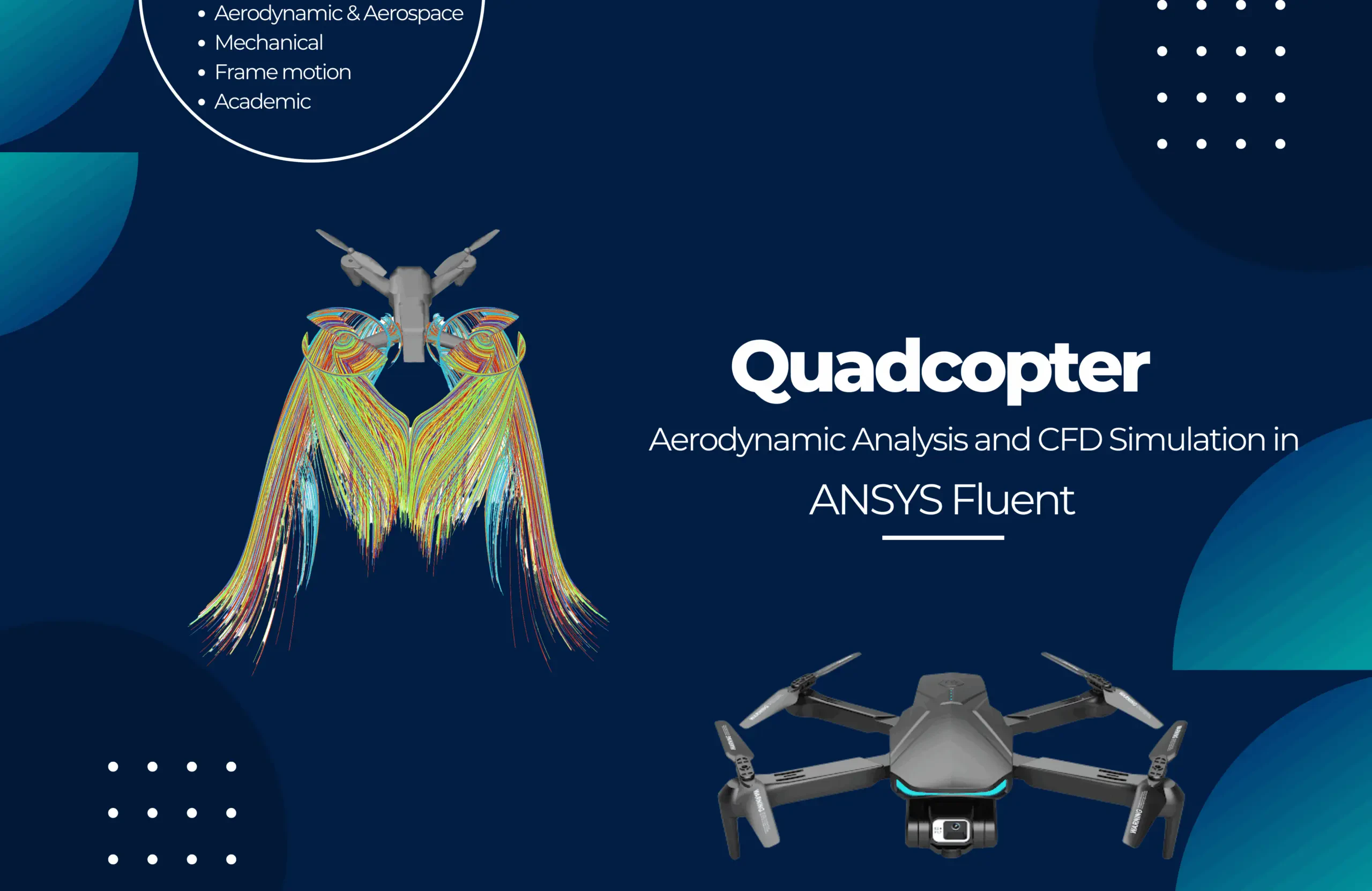
In Quadcopter Aerodynamic Analysis, a numerical simulation was conducted to investigate the Dynamic Stability Derivatives of a quadcopter using ANSYS Fluent. A 3D symmetric geometry of the quadcopter was designed in SpaceClaim, capturing the essential aerodynamic features of the body and blades. The geometry was meshed using ANSYS Meshing, resulting in a high-quality grid with 3736312 elements. The simulation was performed in an unsteady (transient) framework to capture the time-dependent aerodynamic behavior. Mesh Motion techniques and User-Defined Functions (UDFs) were employed to define the rotational motion of the blades and the oscillatory motions of the quadcopter. This approach enabled the extraction of stability derivative data, providing insight into the dynamic response and control requirements of the quadcopter system.
Price: $48
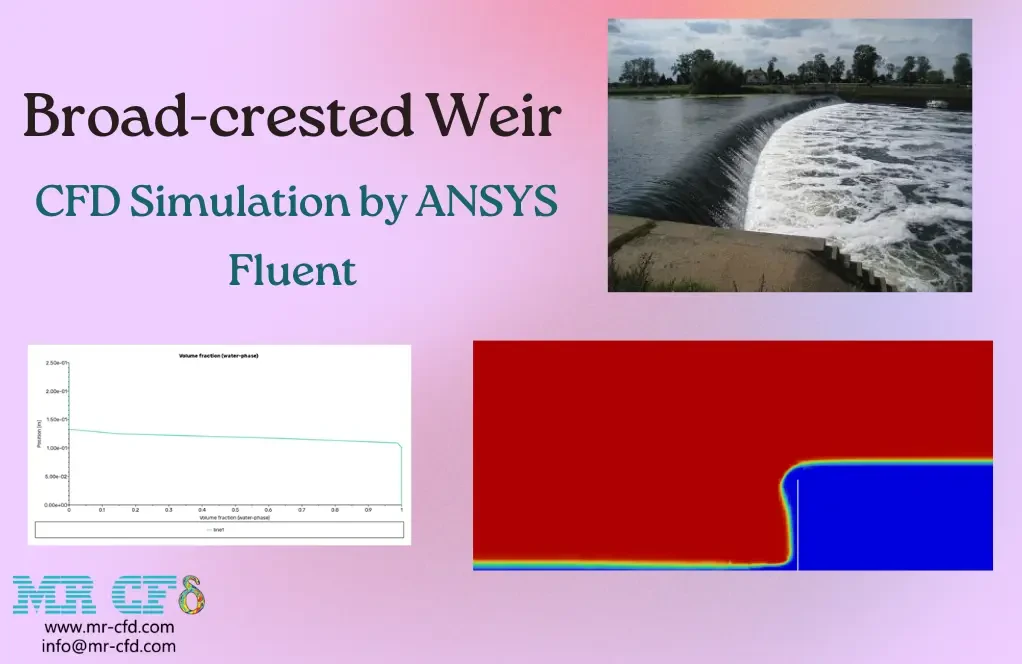
This project involves the simulation of a broad-crested weir using ANSYS Fluent to analyze fluid dynamics parameters. The primary goals are to assess the flow rate, drag force, and water level at various sections of the weir and compare these with experimental results. The geometry is created in SpaceClaim and meshed in ANSYS Meshing, resulting in a structured mesh with 1,222,021 elements for improved accuracy. The CFD simulation employs a pressure-based solver and a multiphase VOF model to address the incompressibility of fluids, with air as the primary phase and water as the secondary.
Pressure Cooker CFD Simulation by ANSYS Fluent
Beginner, Intermediate
Price: $140
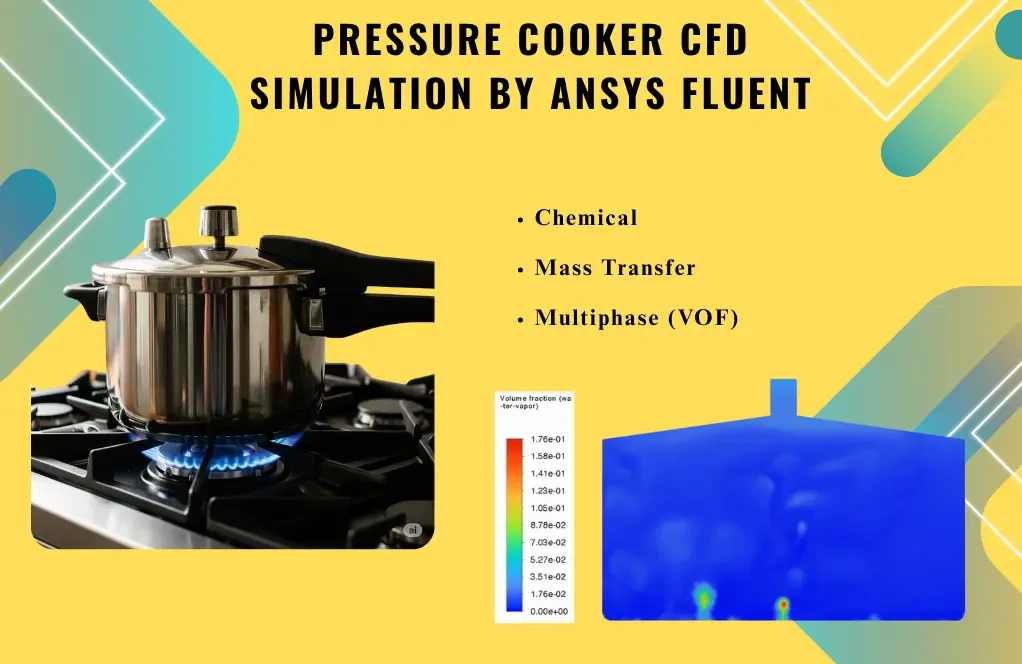
This report presents a simulation which investigates the multiphase flow and mass transfer phenomena within a pressure cooker, focusing on the interactions between liquid water, water vapor, and air. The evaporation rate, pressure build-up, and temperature distribution within the pressure cooker were analyzed over a 30-second period. A high-quality tetrahedron elements mesh was generated using ANSYS Meshing software. Appropriate multiphase settings and boundary conditions were applied to correctly simulate the boiling process and vapor generation.