

Wind Turbine Golden Training Package
Price:
$3,030
$519
The Wind Turbine GOLDEN Training Package delivers over 30 ANSYS Fluent tutorials, transforming teams into experts with instant project readiness. Tailored for professors, CEOs, and firms, it covers horizontal-axis turbine aerodynamics, contra-rotating and shrouded rotors, wind farms, and NREL Phase VI paper validation. It also covers Darrieus, H-type, Gorlov, helical, Savonius and Archimedes spiral turbines, 6DOF rotation, one-way and two-way FSI for blade stress and vibration, and FW-H and broadband noise prediction. Includes step-by-step exercises, 1-year support, 3-month HPC, lifetime updates, and 15 years of MR CFD expertise for stress-free onboarding and competitive edge.
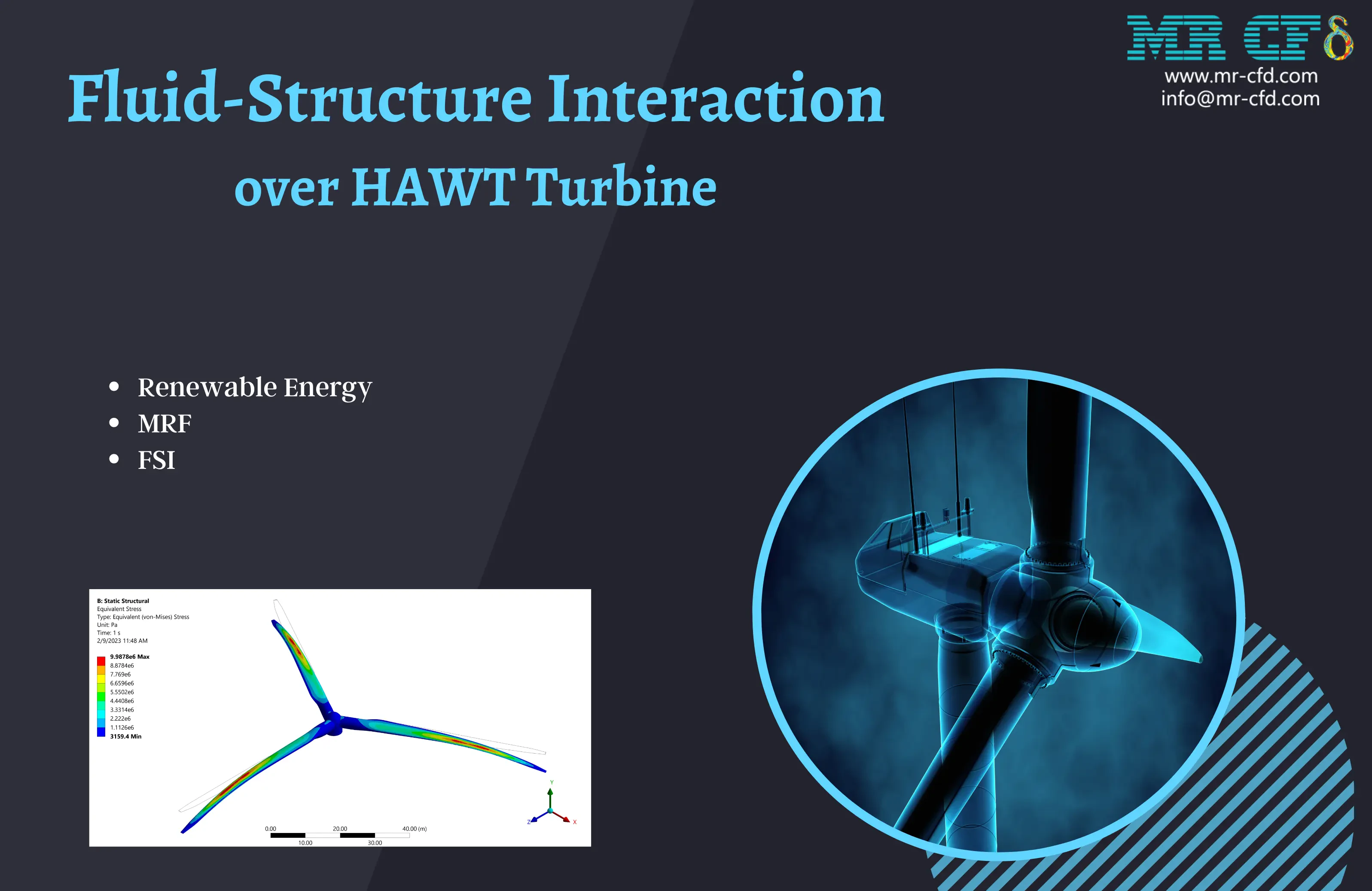
Fluid-Structure Interaction over HAWT Turbine Vibration (one-way)
Intermediate, Advanced
Price: $54
The problem numerically simulates the Fluid-Structure Interaction over HAWT Turbine using ANSYS Fluent software. We design the 3-D model by the Design Modeler software. Mesh grid is generated using ANSYS Meshing , and the element number equals 3,465,821. The MRF method is used to rotate the turbine. FSI model analyses total strain, and stress over the turbine.
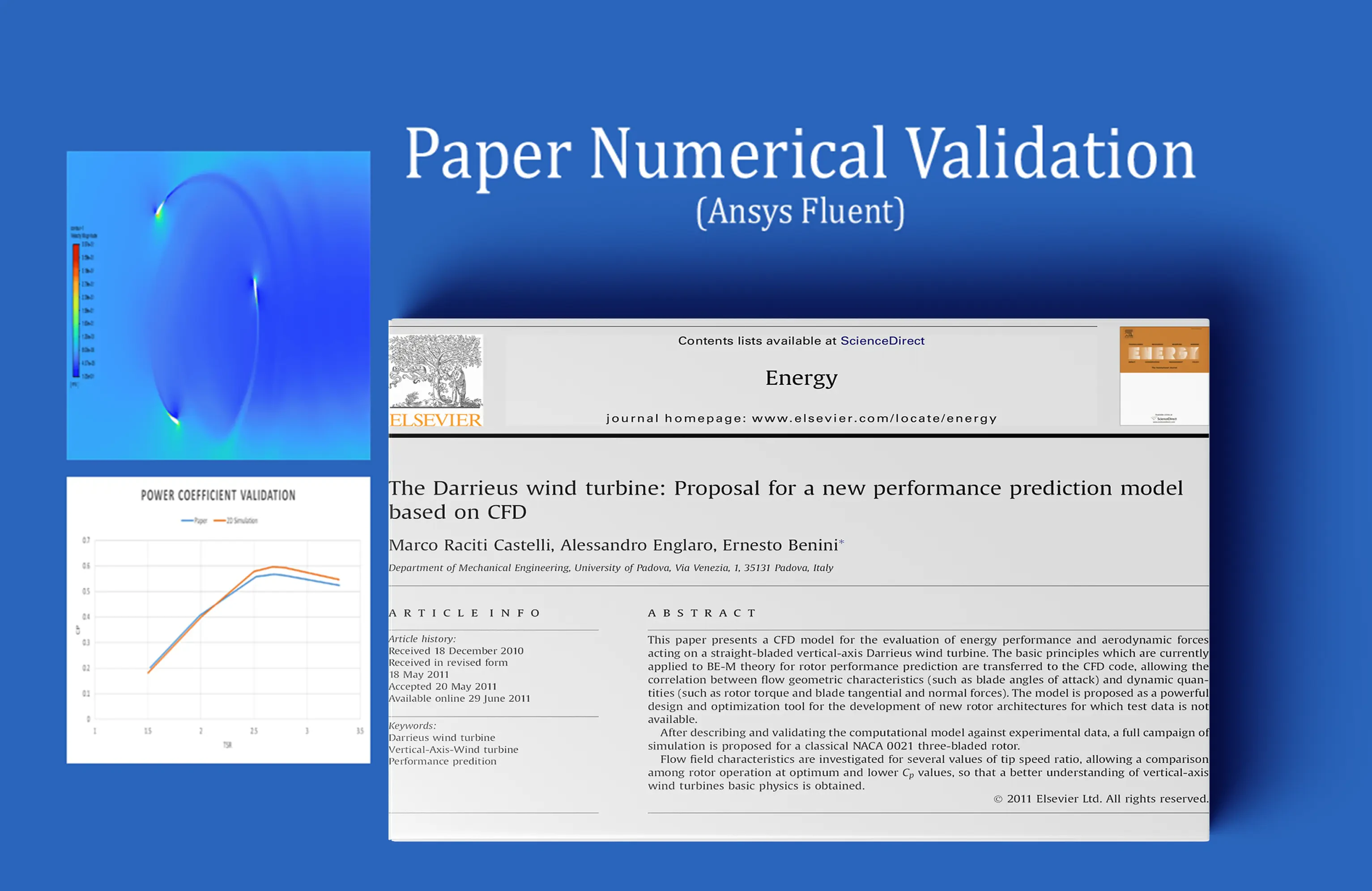
Darrieus Turbine, Paper Validation by ANSYS Fluent
Intermediate, Advanced
Price: $150
The problem numerically simulates Darrieus vertical axis wind turbine using ANSYS Fluent software. We perform this simulation as unsteady (Transient). We perform the simulation according to a Reference Article and validate the power coefficient. We use the Sliding Mesh model to rotate the rotor of the wind turbine.

HAWT and VAWT Comparison, (Mesh Motion and MRF)
Intermediate
Price: $72
CFD analyses For HAWT and VAWT using ANSYS Fluent software. Paper Validation For HAWT. 3-D modeling with the ANSYS Design Modeler and mesh Generation with ANSYS Meshing. The Multiple Reference Frame (MRF) or Frame Motion method is applied for HAWT. The Mesh Motion method is applied for VAWT.
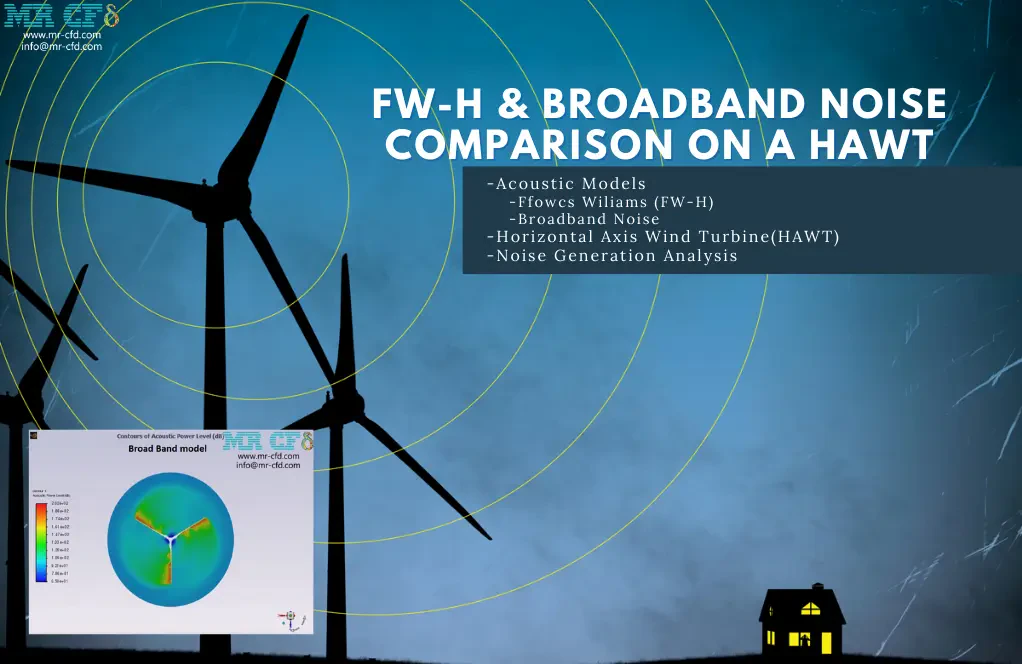
FW-H and Broadband Noise Comparison on a HAWT
Intermediate
Price: $190
The problem numerically analyses different Acoustic Models on a HAWT using ANSYS Fluent software. We design the 3-D model with the ANSYS Design Modeler and mesh the present model with ANSYS Meshing. The Horizontal Axis Wind Turbine sound generation and noise propagation. Ffowcs Williams-Hawkings (FW-H) Vs. Broadband noise models.
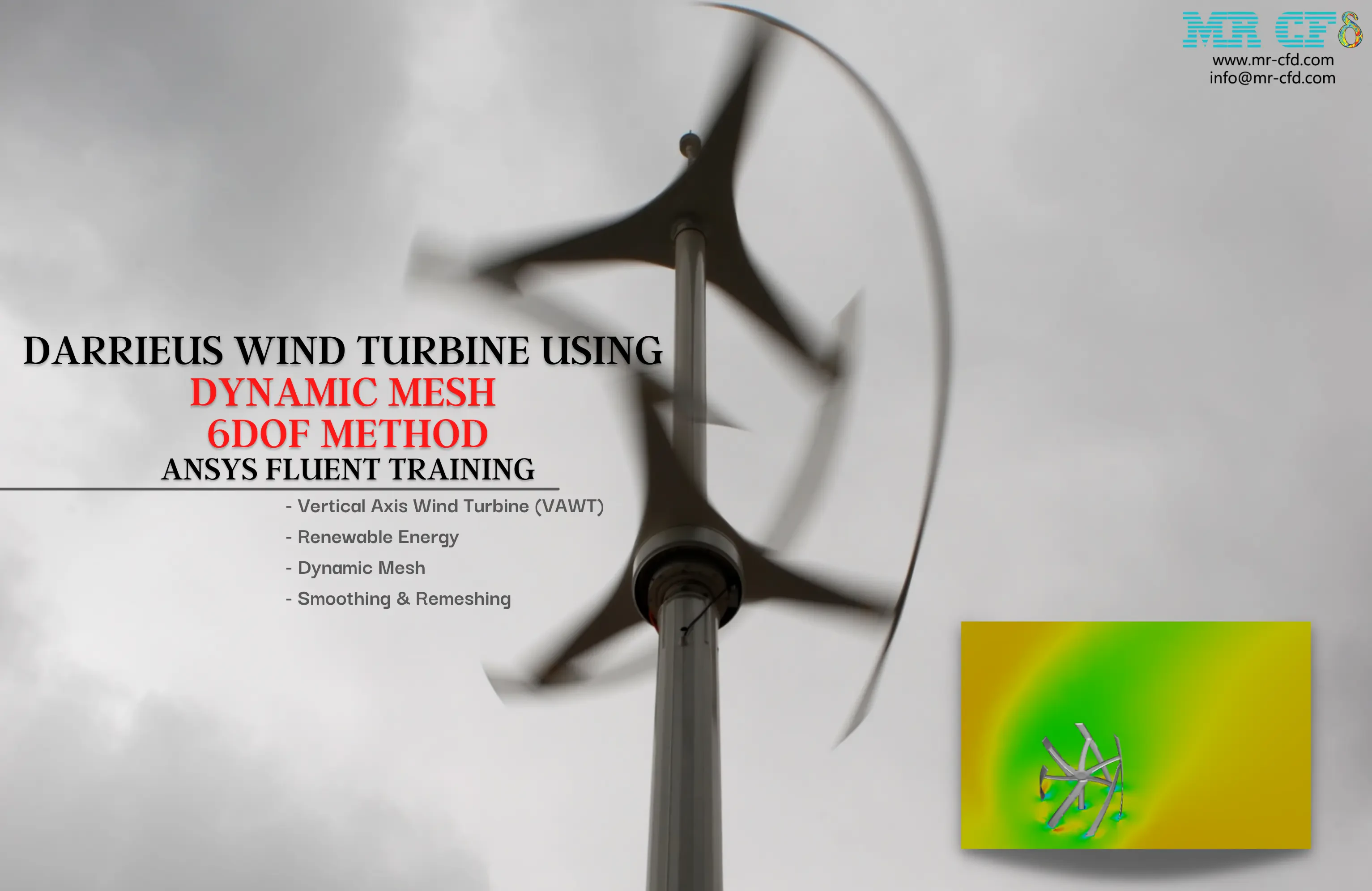
Darrieus Wind Turbine CFD Simulation using Dynamic Mesh 6DOF method, ANSYS Fluent Training
Intermediate, Advanced
Price: $32
The problem numerically simulates the Darrieus Wind Turbine motion using ANSYS Fluent software. We design the 3-D model by the Design Modeler software. We mesh the model with ANSYS Meshing software. The element number equals 2,966,928. We use the 6DOF Dynamic Mesh method to define the turbine rotation. Remeshing and Smoothing mesh methods are also used.
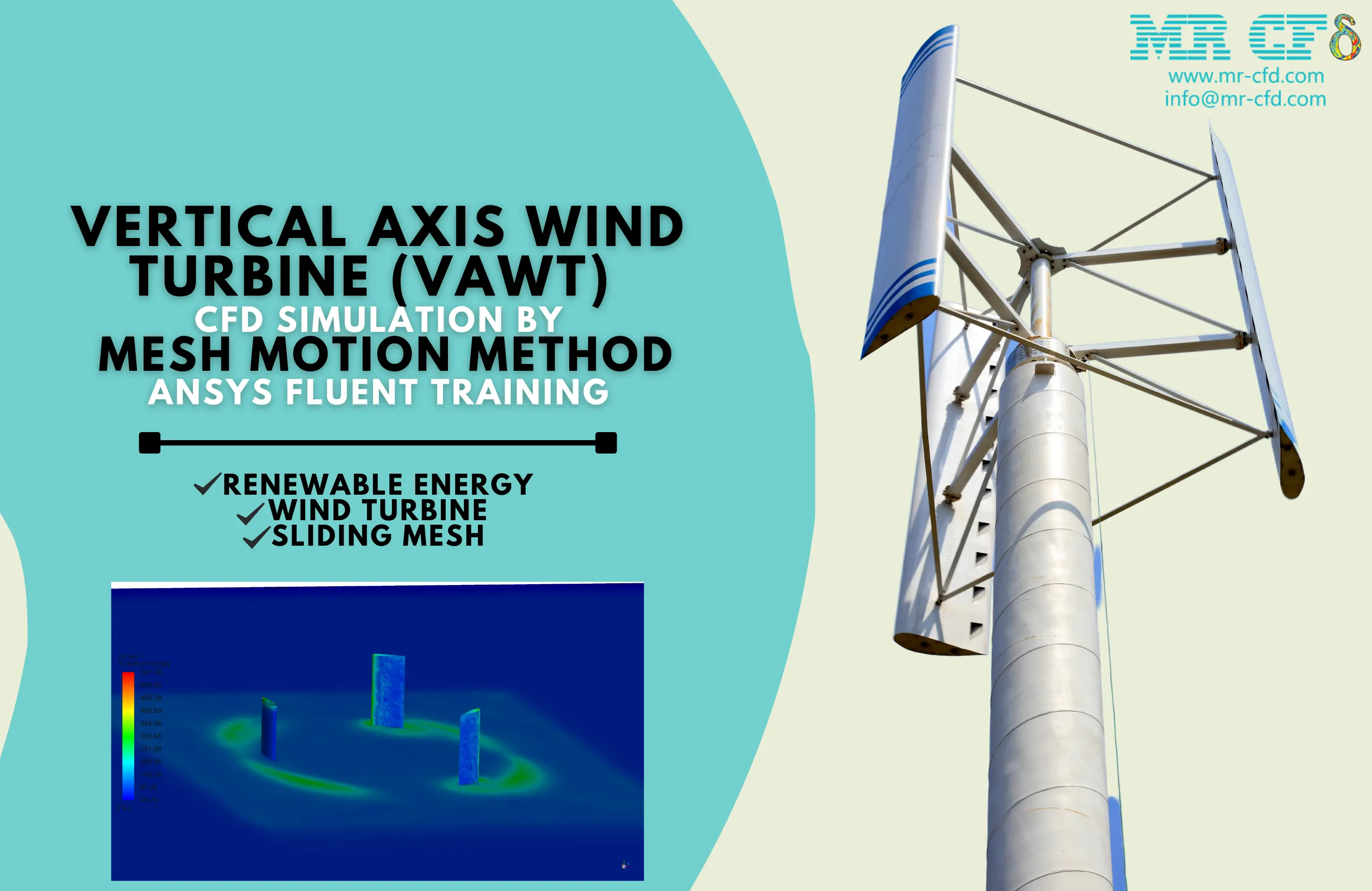
Vertical Axis Wind Turbine (VAWT) CFD Simulation by Mesh Motion Method, ANSYS Fluent Training
Intermediate
Price: $42
The problem numerically simulates the Vertical Axis Wind Turbine (VAWT) using ANSYS Fluent software. We design the 3-D model by the Design Modeler and create the mesh using ANSYS Meshing software. The element type is Hybrid (Structured and Unstructured) and their number equals 904,145. The Mesh Motion option is enabled to define the rotational motion of the wind turbine.
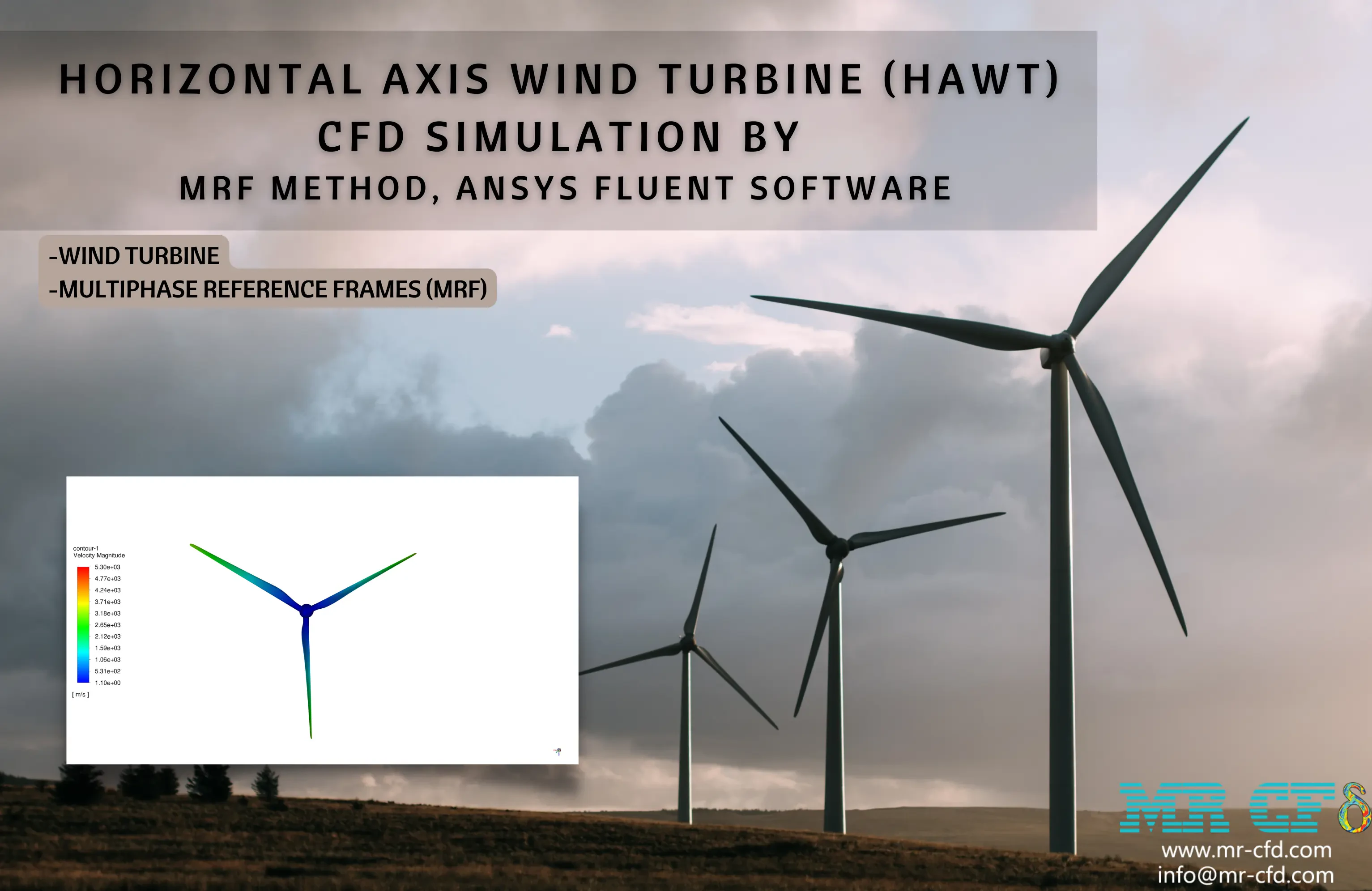
Horizontal Axis Wind Turbine (HAWT) CFD Simulation by MRF Method, ANSYS Fluent Tutorial
Intermediate
Price: $140
The problem numerically simulates the Horizontal Axis Wind Turbine (HAWT) using ANSYS Fluent software. We design the 3-D model by the Design Modeler and create the mesh using ANSYS Meshing software. The element number equals 2,696,011. The MRF option (Frame Motion) is enabled to define the rotational motion of the wind turbine.
Price: $54
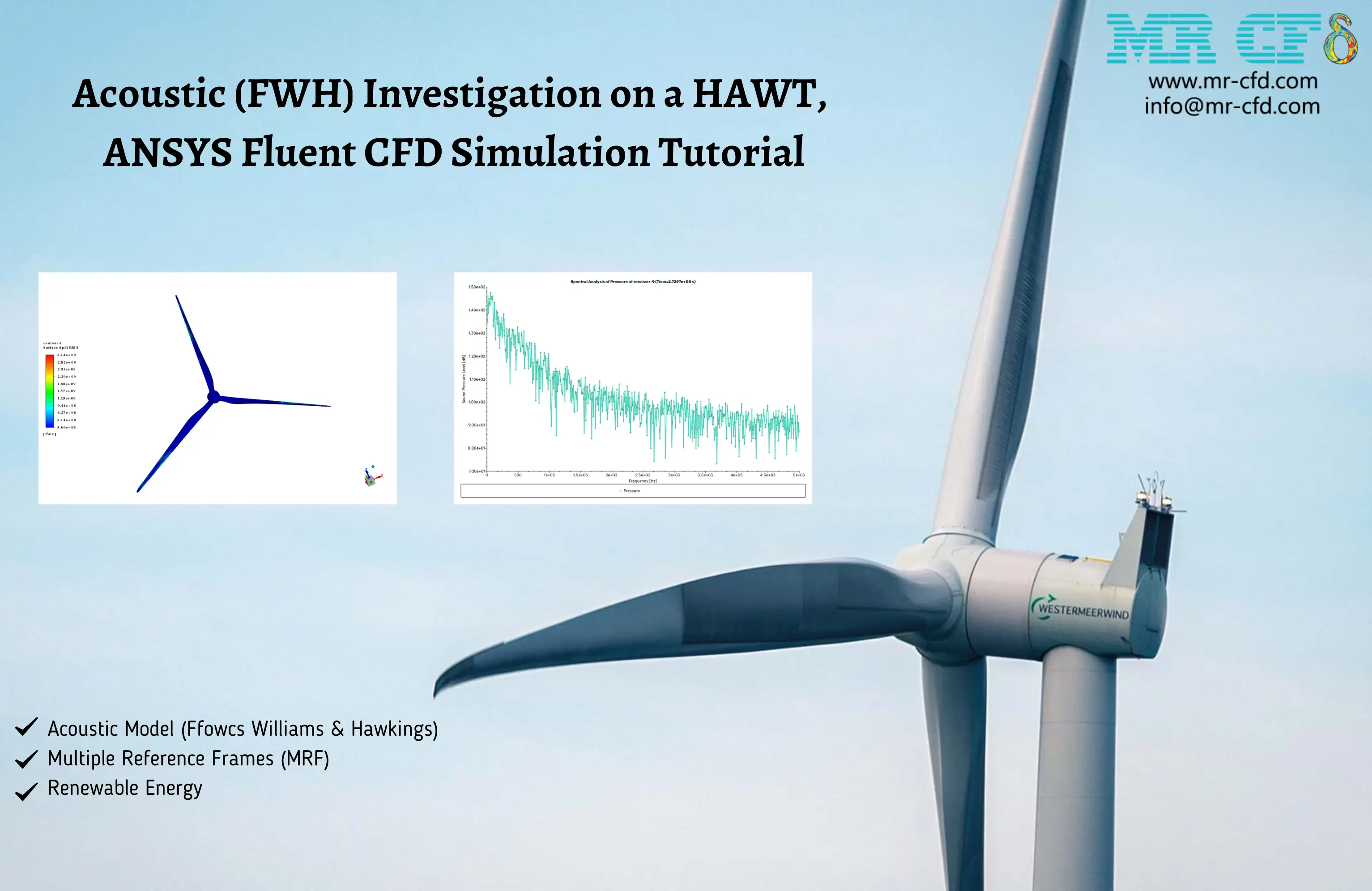
The current CFD Analysis simulates the Acoustic performance of a HAWT via ANSYS Fluent software. We have designed the initial geometry using ANSYS Design modeler software and created the mesh using ANSYS meshing software. The total number of elements is 2,696,011. The Ffowcs Williams & Hawkings acoustic model has been used for acoustic modeling. MRF method has been used in Cell Zone Conditions for turbine rotation.
Price: $54
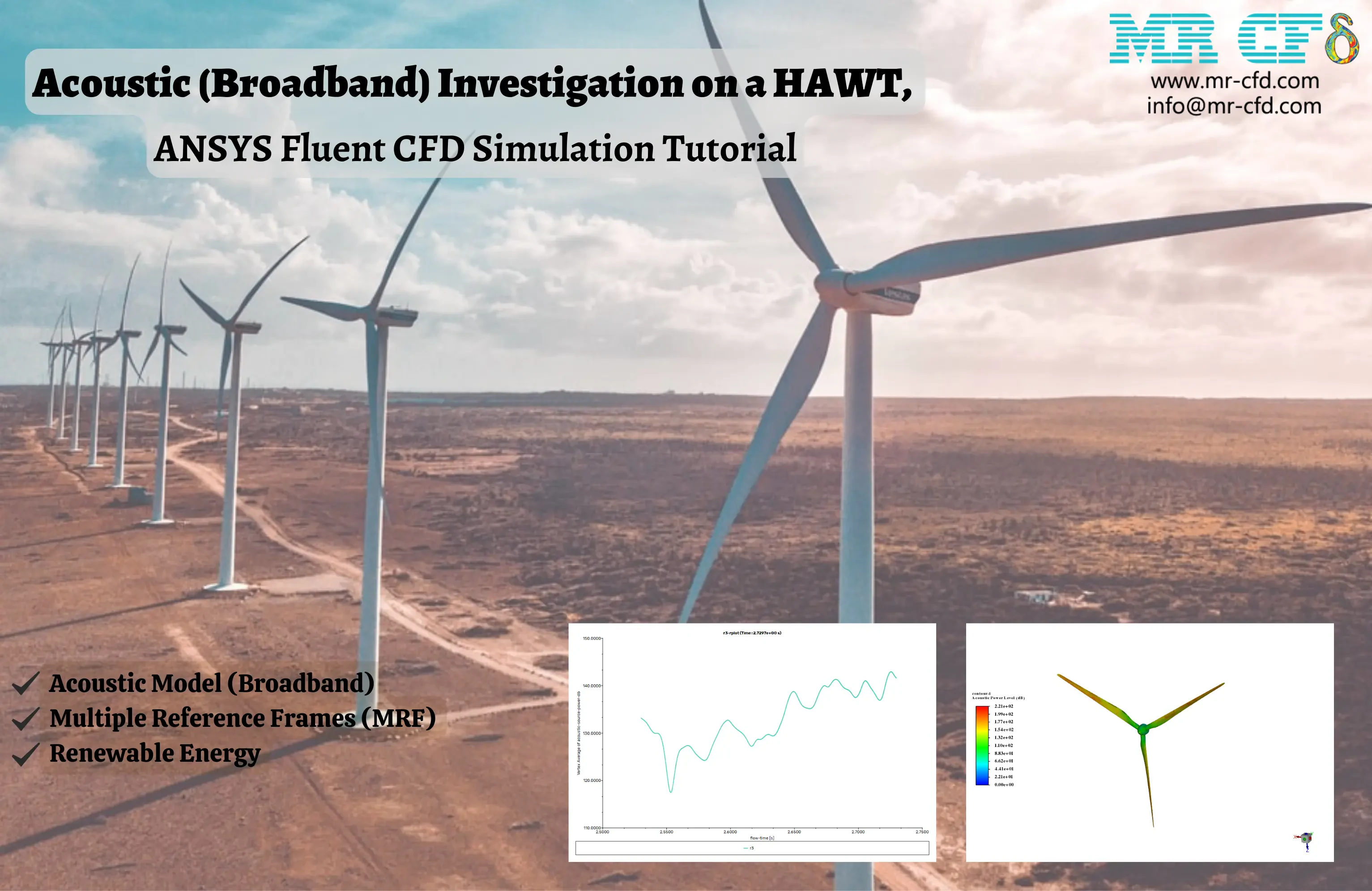
The current CFD Analysis simulates the Acoustic performance of a HAWT via ANSYS Fluent software. We have designed the initial geometry using ANSYS Design modeler software and created the mesh using ANSYS meshing software. The total number of elements is 2,696,011. The Broadband acoustic model of HAWT has been used for acoustic modeling. MRF method has been used in Cell Zone Conditions for HAWT rotation.
The Wind Turbine GOLDEN Training Package is MR CFD’s most complete ANSYS Fluent collection for wind energy simulation. It is built for professors, CEOs, research teams, and engineering firms that need in-house capability across every major turbine type and analysis level. With over 30 tutorials in one place, it takes your team from basic rotor setup to coupled structural and acoustic analysis, without building workflows from scratch.
Horizontal Axis Wind Turbines (HAWT): Rotor aerodynamics with moving reference frame and mesh motion approaches, torque and power evaluation, and wake analysis. The group also covers contra-rotating rotors, shrouded and duct-augmented micro-turbines, multi-turbine wind farms, and the Liam F1 urban turbine. Paper validation studies include the stall-regulated NREL Phase VI rotor and a published shrouded micro-wind turbine, so your team can benchmark its setup against reference results.
Vertical Axis & Novel Turbines: Darrieus, H-type, Gorlov, helical, and Savonius rotors simulated with sliding mesh, plus an Archimedes spiral turbine with mesh motion and SST k-ω turbulence. A six-degree-of-freedom (6DOF) model shows how to predict rotor rotation from the flow forces alone, without prescribing the speed.
Fluid-Structure Interaction & Aeroacoustics: Two-way FSI with dynamic mesh to evaluate blade torque, maximum stress, and deformation, alongside one-way FSI for strain and stress under aerodynamic load. Far-field noise prediction with the Ffowcs Williams-Hawkings (FW-H) model and observer receivers, Broadband Noise Source modeling for blade-surface acoustic power level, and a direct comparison of both acoustic approaches.
What’s included:
Step-by-step exercises from geometry and meshing to solving and post-processing
All levels, from beginner setups to advanced FSI, acoustics, and paper validation
1-year technical support from MR CFD experts
3-month HPC access
Lifetime updates, including future additions to the package
15 years of MR CFD expertise in wind energy CFD
Whether you’re a professor building a renewable energy curriculum, a CEO setting up a wind energy simulation team, or a firm evaluating rotor designs, wind farm layouts, or turbine noise for real projects, this package gives your team a single, proven resource to deliver accurate results from day one.