

ANSYS Fluent Online Courses
Here's every CFD online course related to ANSYS Fluent category.
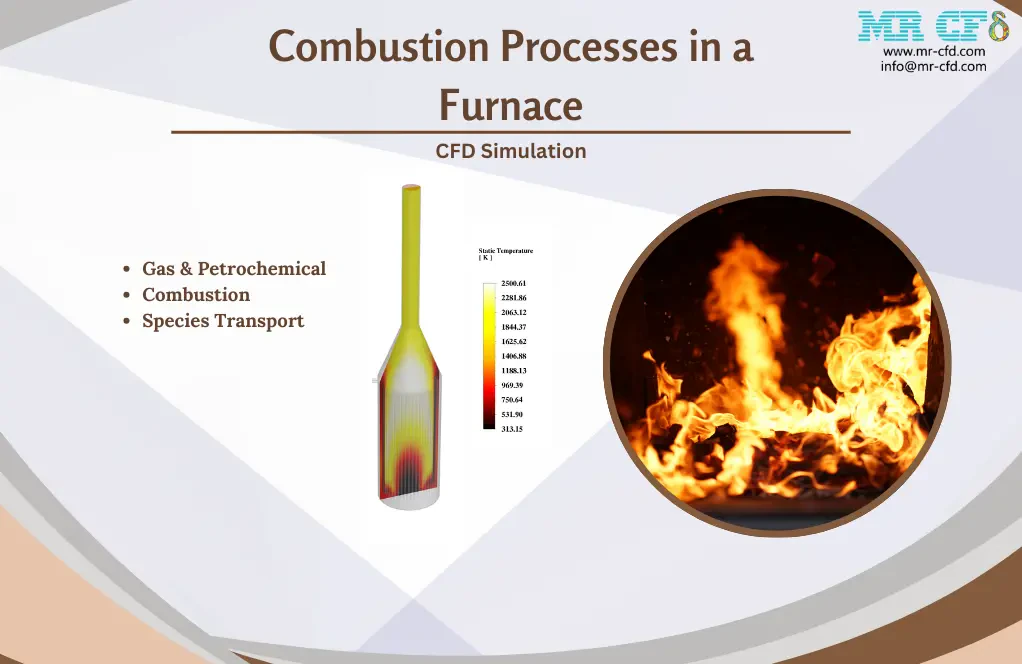
Combustion Processes in a Furnace CFD Analysis
Intermediate
Price: $16
This report details a Computational Fluid Dynamics (CFD) simulation of a furnace using ANSYS Fluent. The study investigates combustion processes, species transport, and NOx production to optimize furnace design and reduce emissions. The simulation employs a steady-state, pressure-based solver with the Realizable k-epsilon turbulence model. Results include density stratification, species distribution, temperature gradients, and flow patterns, providing valuable insights into combustion dynamics and pollutant formation within the furnace.
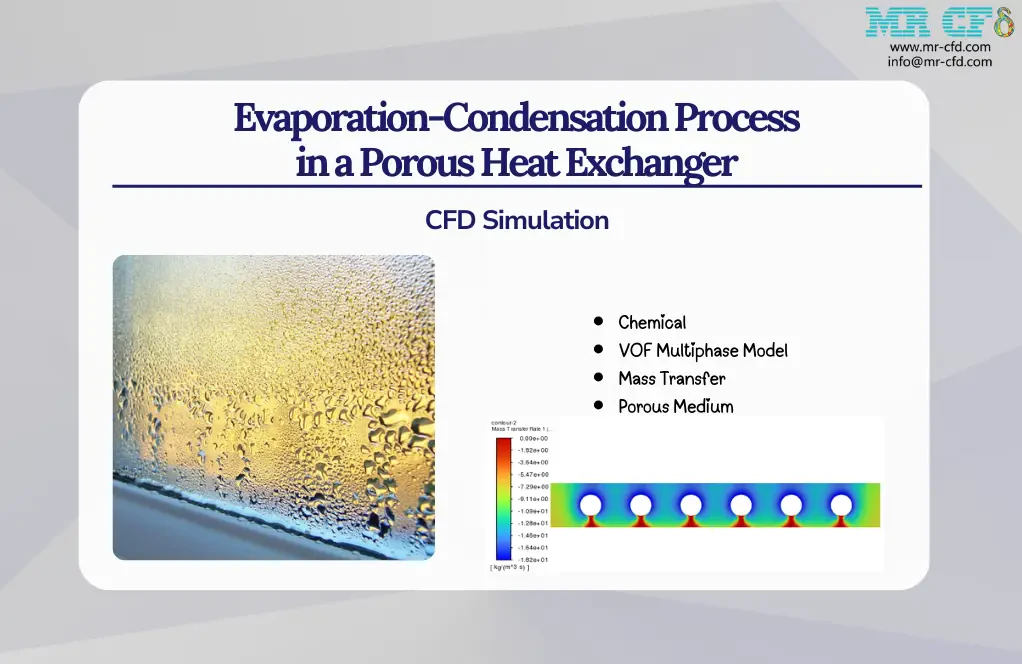
Price: $80
The study investigates Evaporation-Condensation Process in a Porous Heat Exchanger using ANSYS Fluent. The geometry is created in ANSYS Design Modeler, with a mesh of 8,777,268 elements generated using ANSYS Meshing. The simulation employs a pressure-based transient solver with the k-epsilon turbulence model and Volume of Fluid (VOF) multiphase model. It conducts a time-dependent analysis with enabled condensation in mass transfer mechanisms to simulate phase change from vapor to liquid water. Also, the domain is considered to be porous.
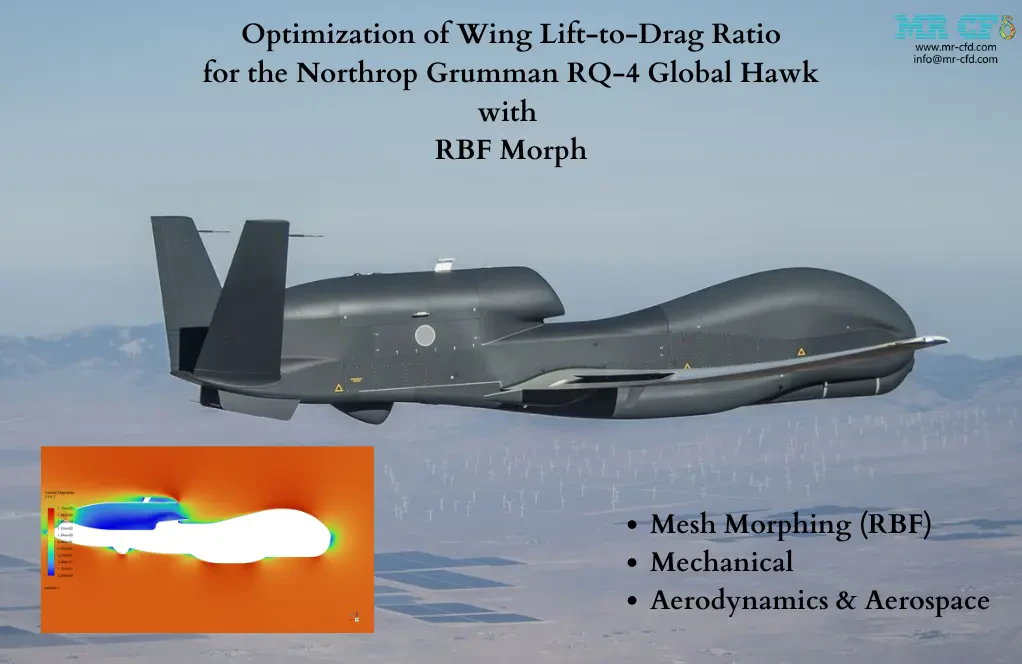
Optimization of Wing Lift-to-Drag Ratio for the Northrop Grumman RQ-4 Global Hawk with RBF Morph
Advanced
Price: $225
The problem numerically simulates the Northrop Grumman RQ-4 Global Hawk using ANSYS Fluent The geometry is designed in SpaceClaim, and the meshing is performed using fluent Meshing. The mesh type is polyhedral, and the element number equals 2,063,629. We aim to Maximize the Lift-to-Drag Ratio of wings. We use the Adjoint Solver to analyze the Shape Sensitivity. The Design Optimization is performed with the Gradient-based The Radial Basis Function (RBF) is used to apply Mesh Morphing.
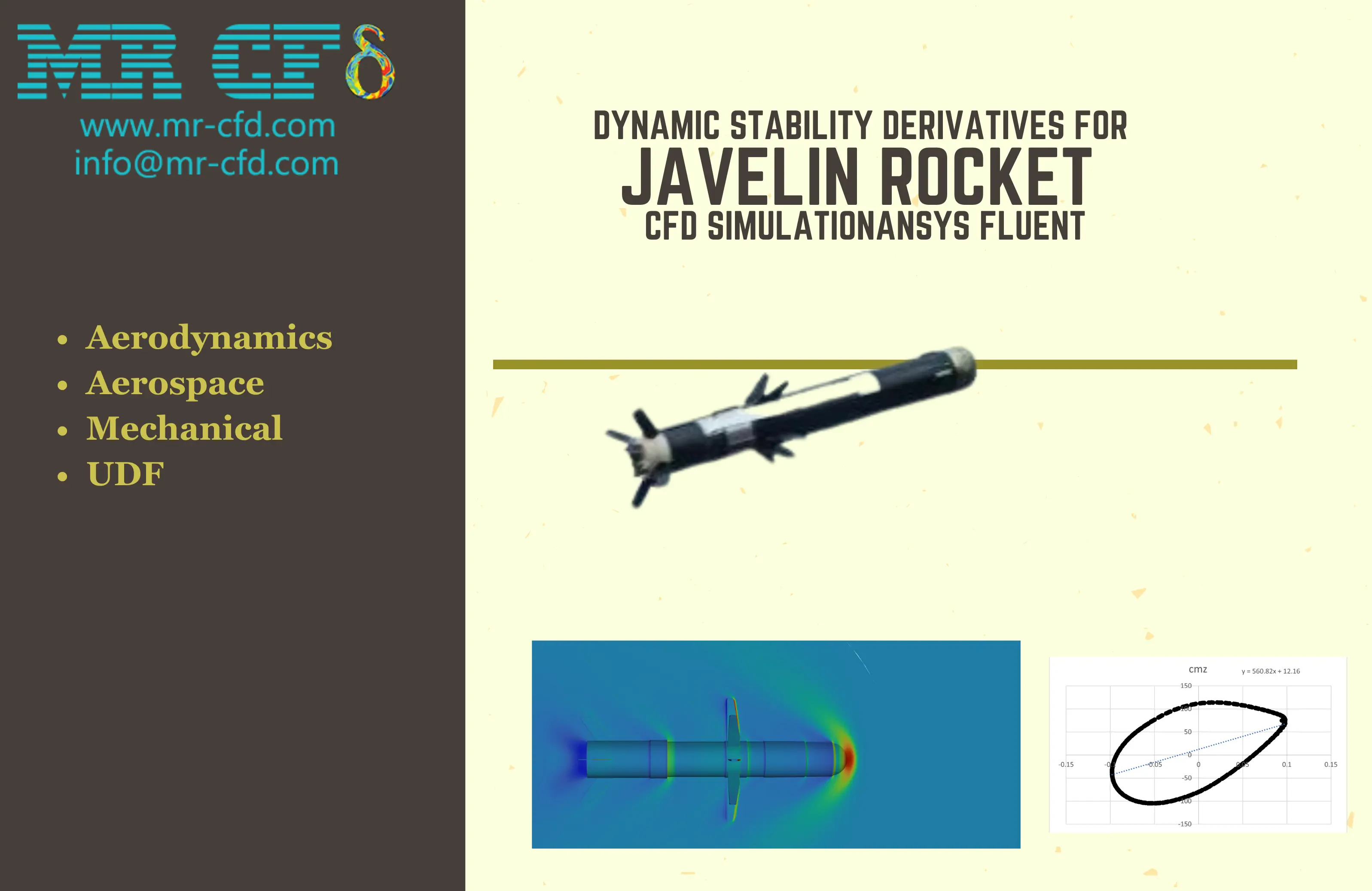
Price: $649
The problem numerically simulates the Dynamic Stability Derivatives of the Javelin Rocket using ANSYS Fluent. We designed the 3-D model using the SpaceClaim. We mesh the model with ANSYS Meshing software, and the element number equals 4,245,614. We perform this simulation as unsteady (Transient). We use the Mesh Motion and UDF files to define the rotational and oscillation motion of the Rocket.
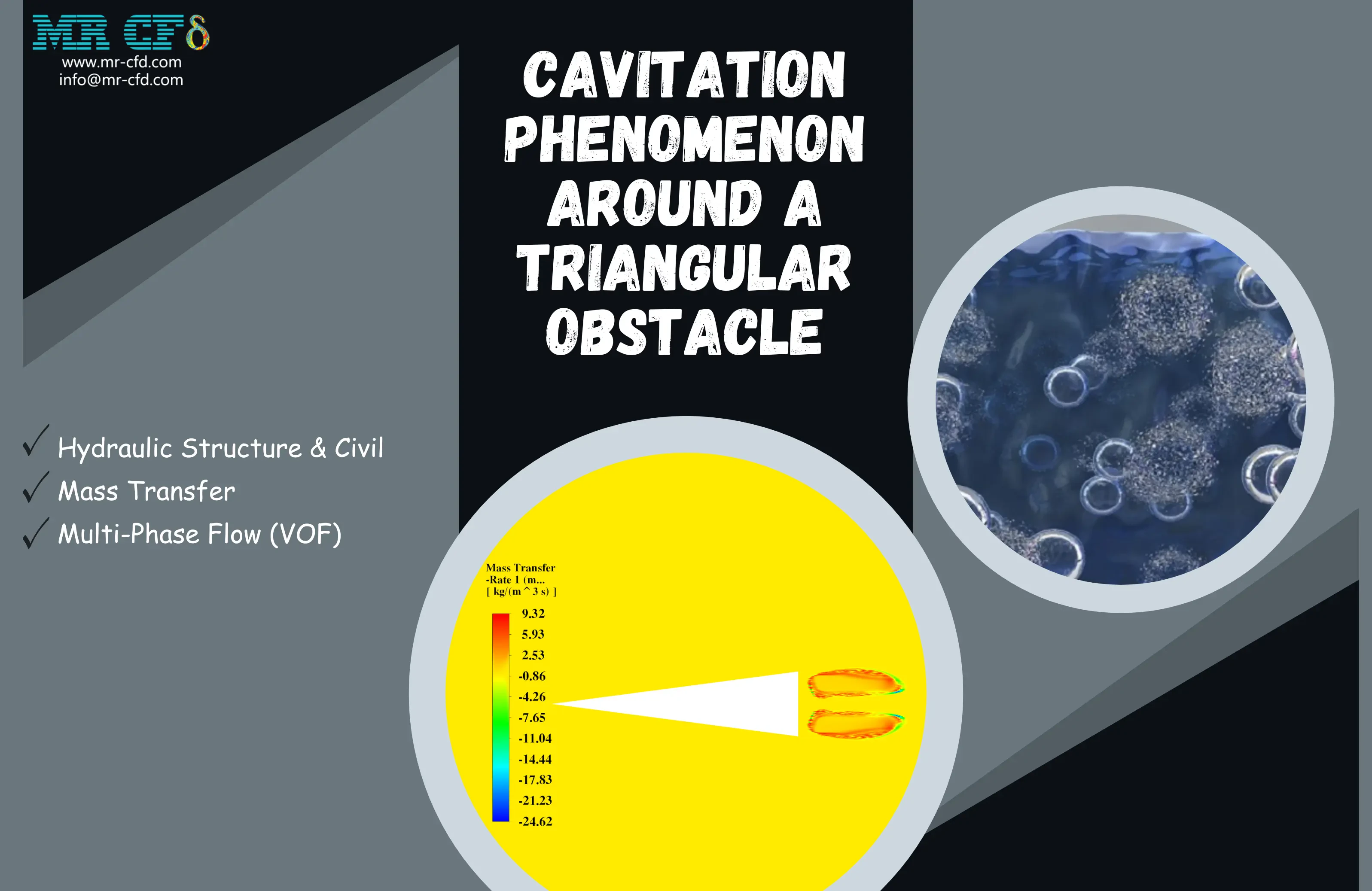
Cavitation Phenomenon Around a Triangular Obstacle
Beginner, Intermediate
Price: $14
The study investigates cavitation in water flow around a triangular obstacle using ANSYS Fluent CFD simulation. The geometry is created in ANSYS Design Modeler, with a mesh of 310,000 structured elements generated using ANSYS Meshing. The simulation employs a pressure-based transient solver with the k-epsilon turbulence model and Volume of Fluid (VOF) multiphase model. ANSYS Fluent conducts a time-dependent analysis with enabled cavitation in mass transfer mechanisms to simulate phase change from liquid water to vapor.
Price: $360
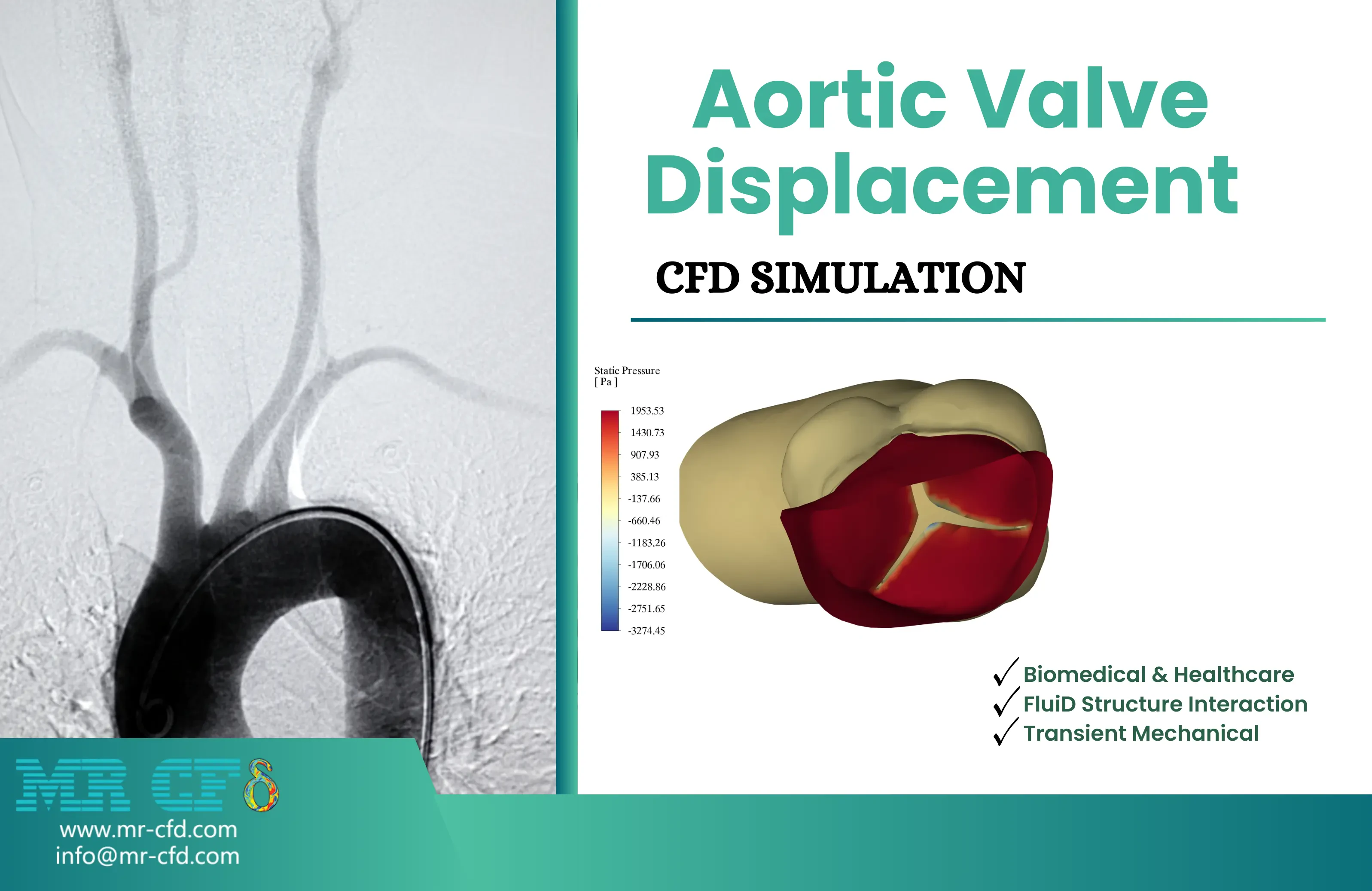
The study conducts a CFD analysis of aortic valve displacement using ANSYS Workbench. The geometry is designed in SpaceClaim based on CT-scan data, with a mesh of 67,926 fluid elements and 627,914 solid elements. The simulation uses a pressure-based transient solver with a laminar flow model. System coupling between Transient Structural and Fluent enables analysis of valve leaflet movement and blood flow interaction. Results show pressure gradients, velocity patterns, wall shear stress distribution, and valve leaflet deformation.
Price: $319
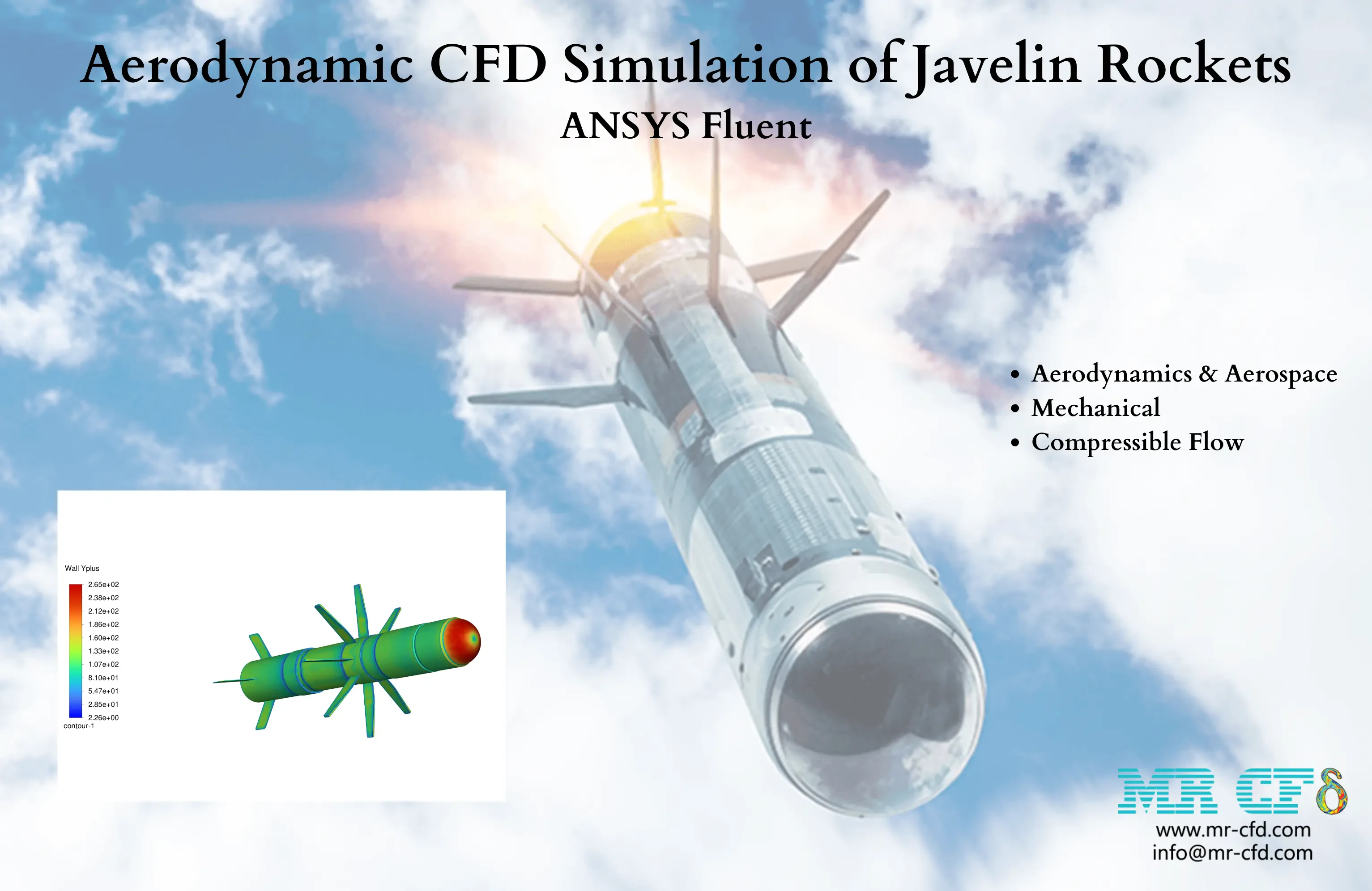
This problem simulates a javelin rocket using ANSYS Fluent software. The geometry is designed in SpaceClaim, and the meshing is performed using ANSYS Meshing. The simulation is carried out using the density-based solver. The turbulence model is set to Realizable k-ε.
Price: $48
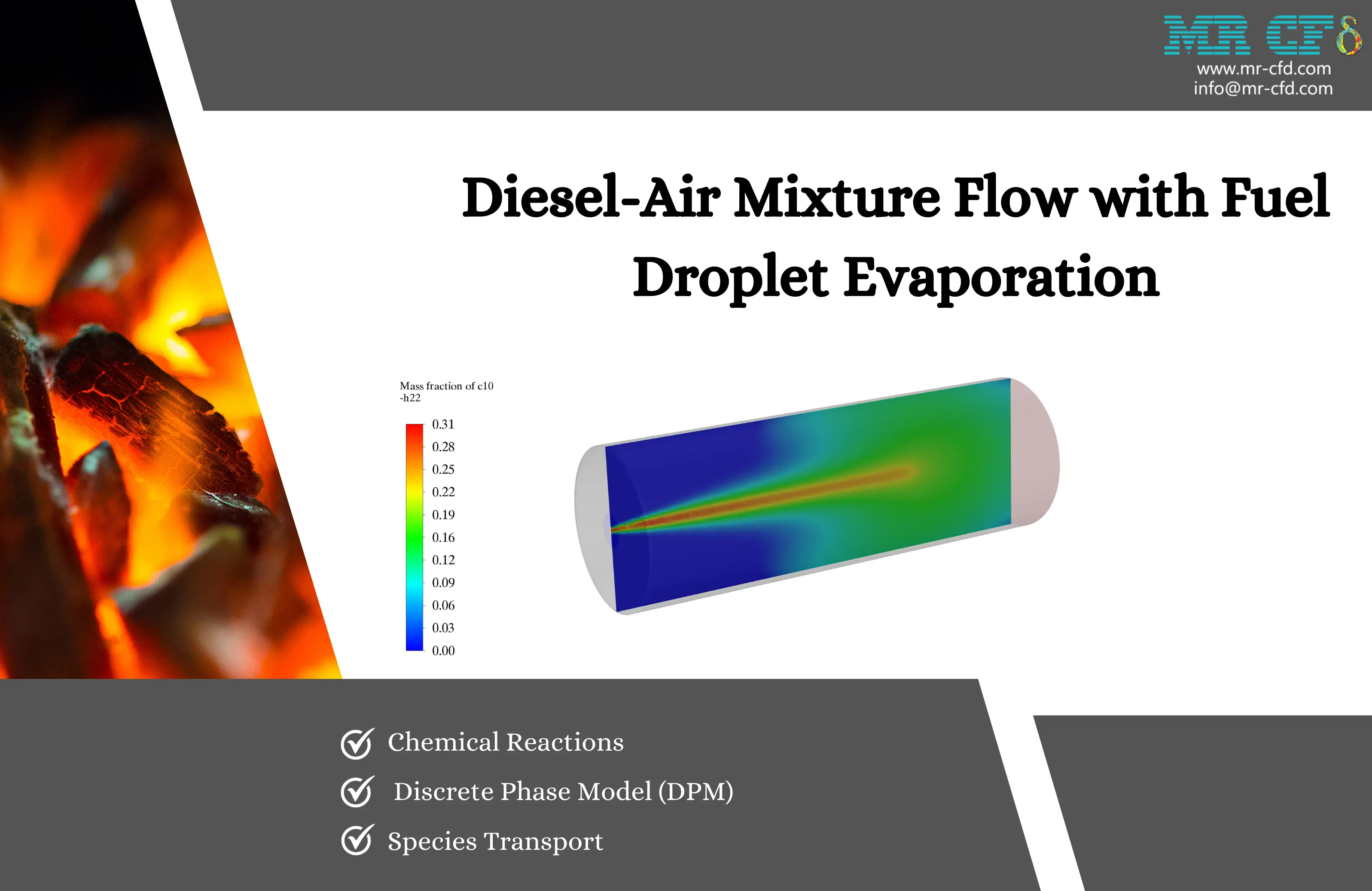
This study simulates diesel-air mixture flow with fuel droplet evaporation using ANSYS Fluent CFD software. The 3D cylindrical chamber geometry is designed in SpaceClaim. Meshing is performed using ANSYS Meshing, resulting in over 2 million elements. The Species Transport model with Eddy-Dissipation is employed for turbulence-chemistry interaction. The Discrete Phase Model (DPM) is utilized to simulate fuel droplet movement and evaporation.
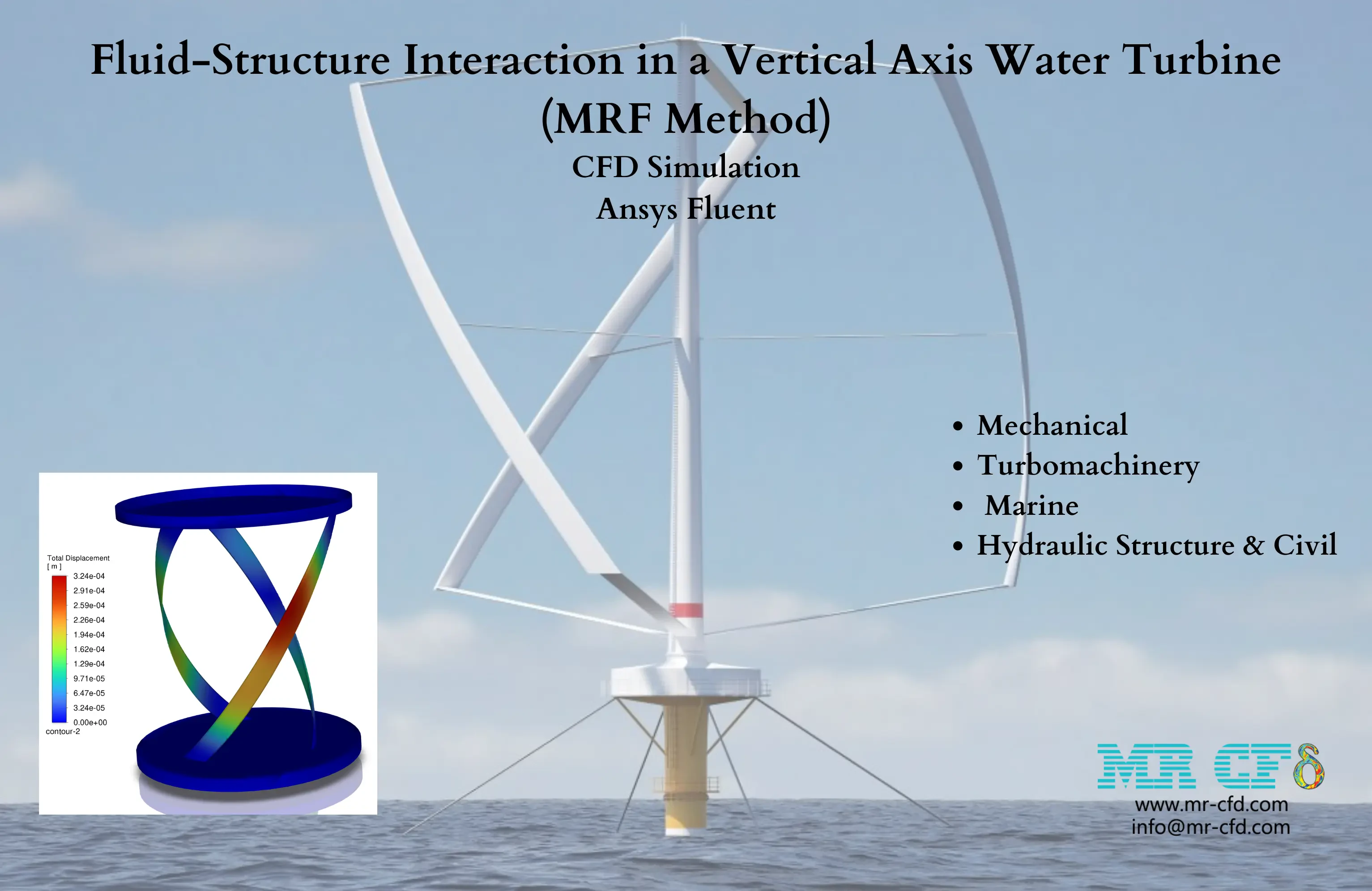
Fluid-Structure Interaction in a Vertical Axis Water Turbine using MRF Method, Ansys Fluent
Intermediate, Advanced
Price: $30
The problem numerically simulates the Fluid-Structure Interaction over Vertical Turbine using ANSYS Fluent software. We designed the 3-D model using the Design Modeler software. The mesh grid is generated using ANSYS Meshing, and the element number equals 705,465. The Frame Motion method is used to rotate the turbine. FSI model analyses total strain, and stress over the VAWT turbine.