

Electrical & Power Online Courses
Here's every CFD online course related to Electrical & Power category.
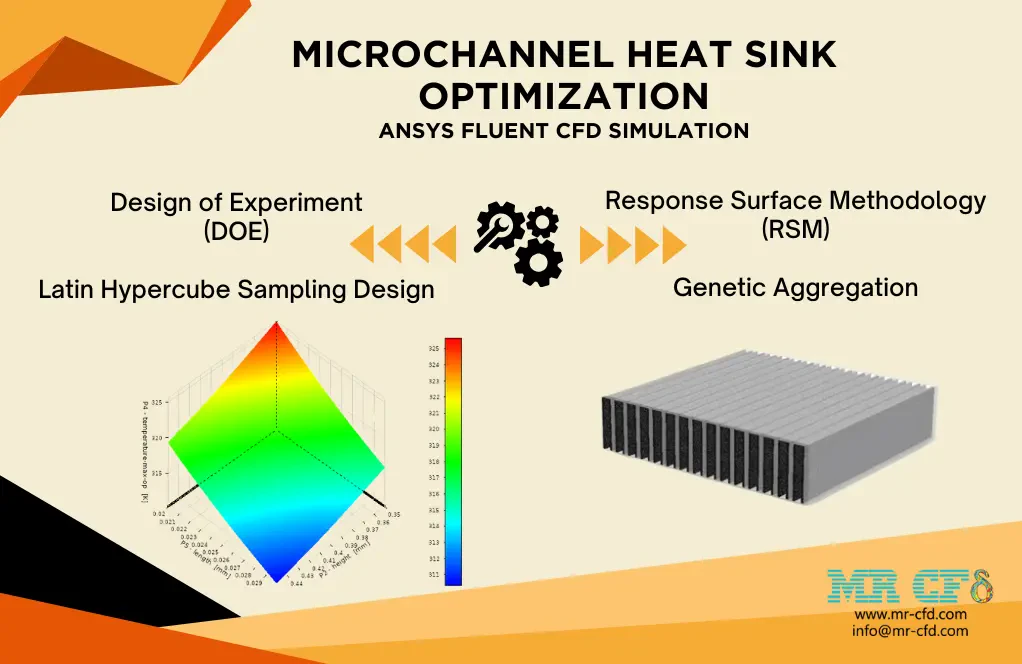
Microchannel Heat Sink Optimization: DOE Applying LHSD Method
Intermediate, Advanced
Price: $96
This product presents Microchannel Heat Sink Optimization using ANSYS software. We model with the Design Modeler software; we mesh with ANSYS Meshing software. We use the Design Exploration tool to perform the optimization process. We use the Latin Hypercube Sampling Design in the Design of Experiment (DOE). We use the Genetic Aggregation and the Response Surface Methodology (RSM).
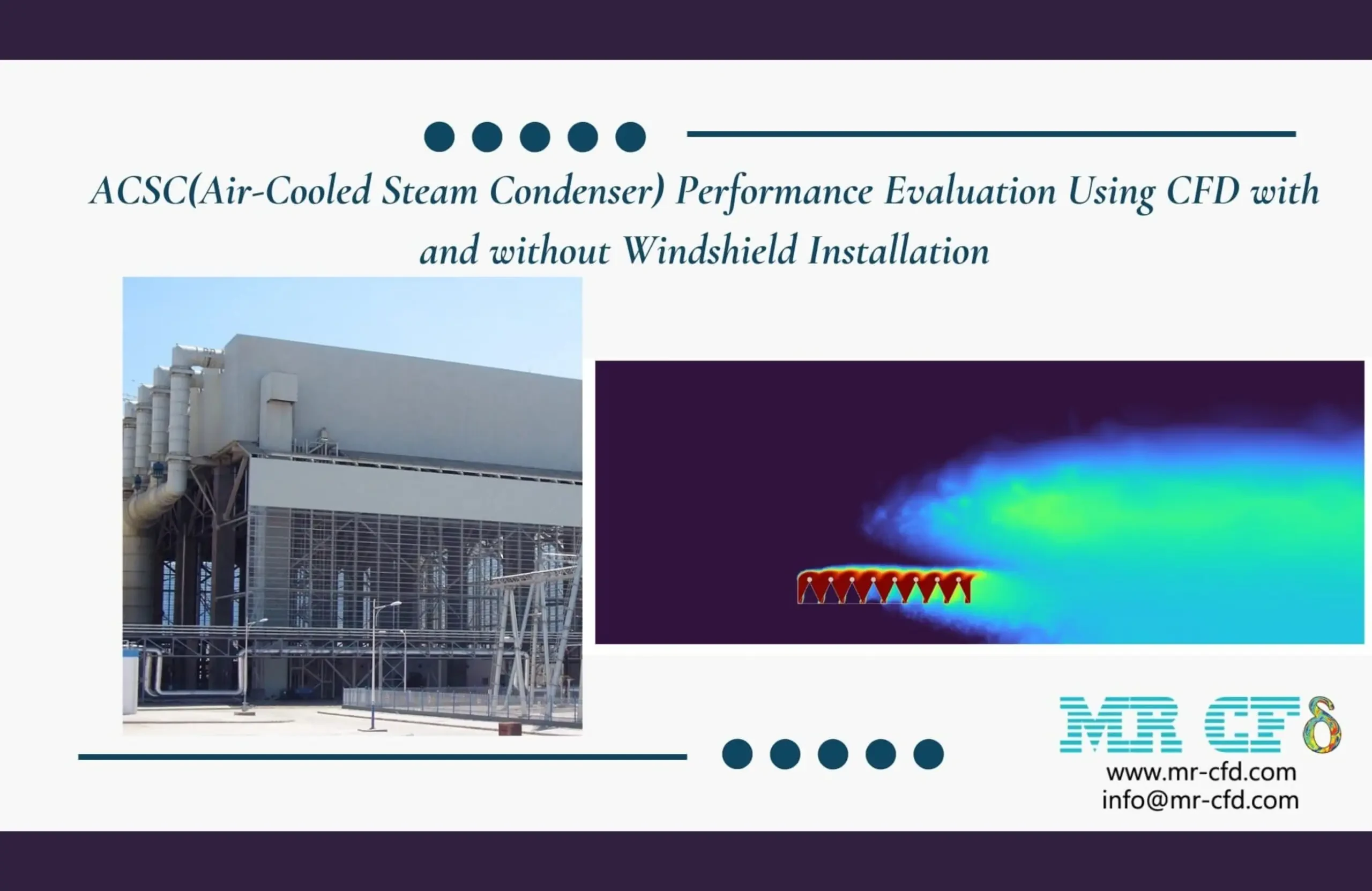
ACSC (Air-Cooled Steam Condenser) Performance Evaluation Using CFD with and without Windshield Installation
Intermediate, Advanced
Price: $14
CFD project simulates airflow through an Air-Cooled Steam Condenser (ACSC) system using ANSYS Fluent software. geometry was modeled in ANSYS SpaceClaim and meshed using ANSYS Meshing with 5,534,281 elements. Two cases were analyzed: with and without windshields to study their effect on airflow and cooling performance. The simulation is pressure-based and uses the realizable k-epsilon turbulence model.
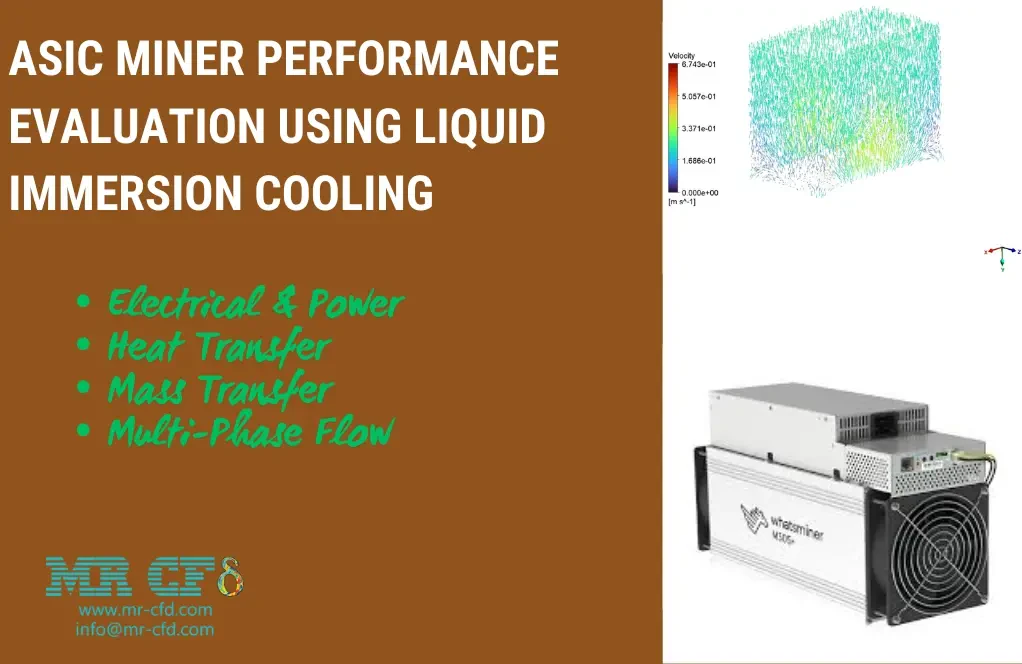
ASIC Miner Performance Evaluation Using Liquid Immersion Cooling
Beginner, Intermediate
Price: $18
The problem numerically simulates the performance of single-phase immersion cooling using ANSYS Fluent software. We design the 3-D model by the Space claim software. We Mesh the model by ANSYS Meshing software, and the element number equals1,591,373.. We perform this simulation as unsteady (Transient). We use the VOF Multi-Phase model to define Mass Transfer in the form of Evaporation-Condensation.
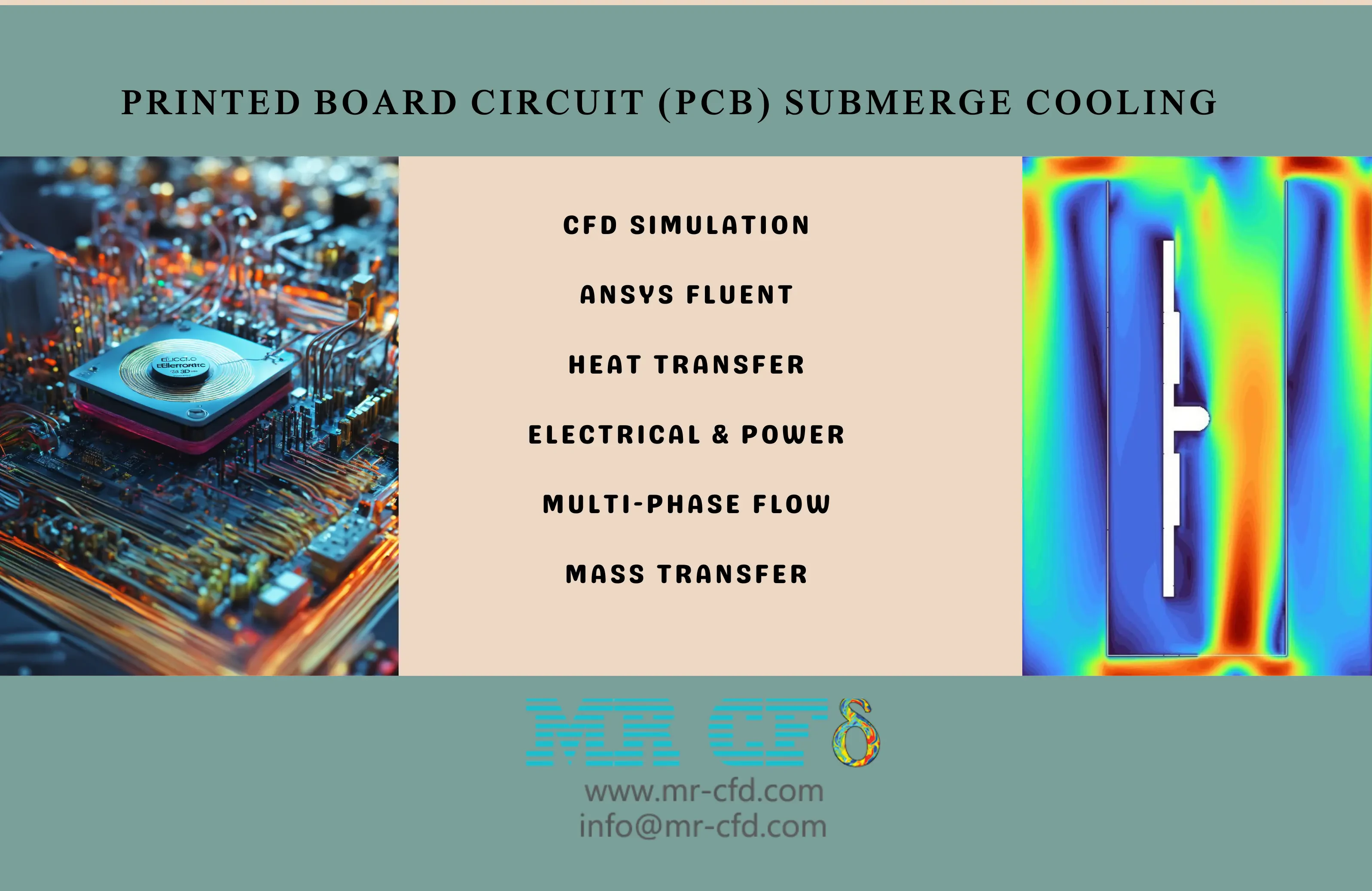
Price: $28
The problem numerically simulates a printed circuit board (PCB) cooling using ANSYS Fluent software. We design the 2-D model by the Space claim software. We Mesh the model by ANSYS Meshing software, and the element number equals 19106. We perform this simulation as unsteady (Transient). We use the VOF Multi-Phase model to define Mass Transfer in the form of Evaporation-Condensation.
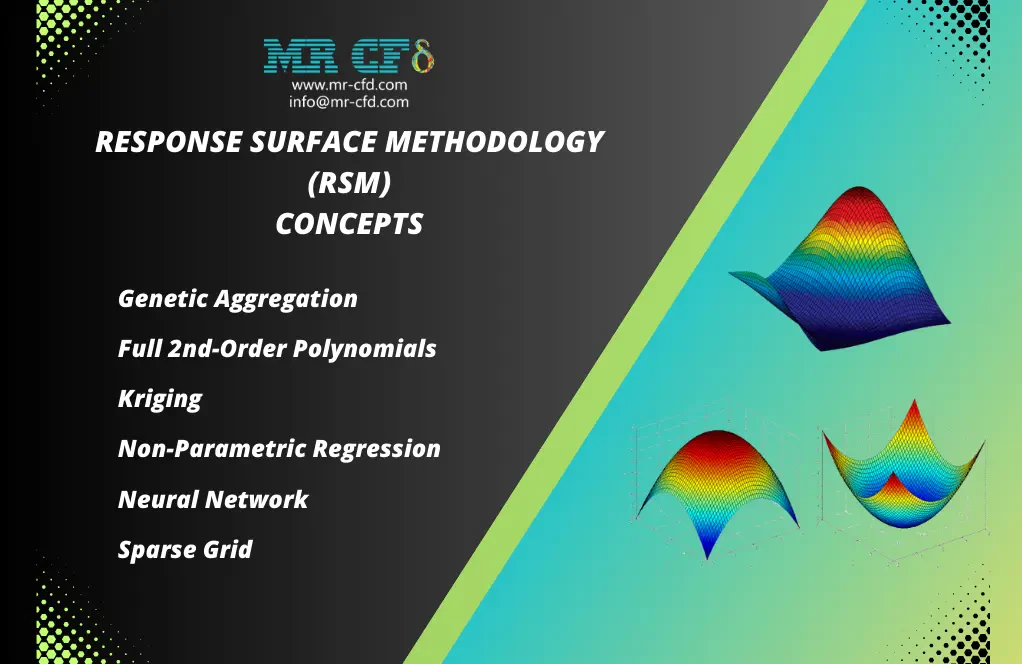
Response Surface Methodology (RSM) Concepts, Optimization by ANSYS Fluent
Beginner, Intermediate, Advanced
Price: Free
Introduction to the Response Surface Methodology (RSM) in ANSYS Fluent software Introduction to the Genetic Aggregation Introduction to the Full 2nd-Order Polynomials Introduction to the Kriging Introduction to the Non-Parametric Regression Introduction to the Neural Network Introduction to the Sparse Grid
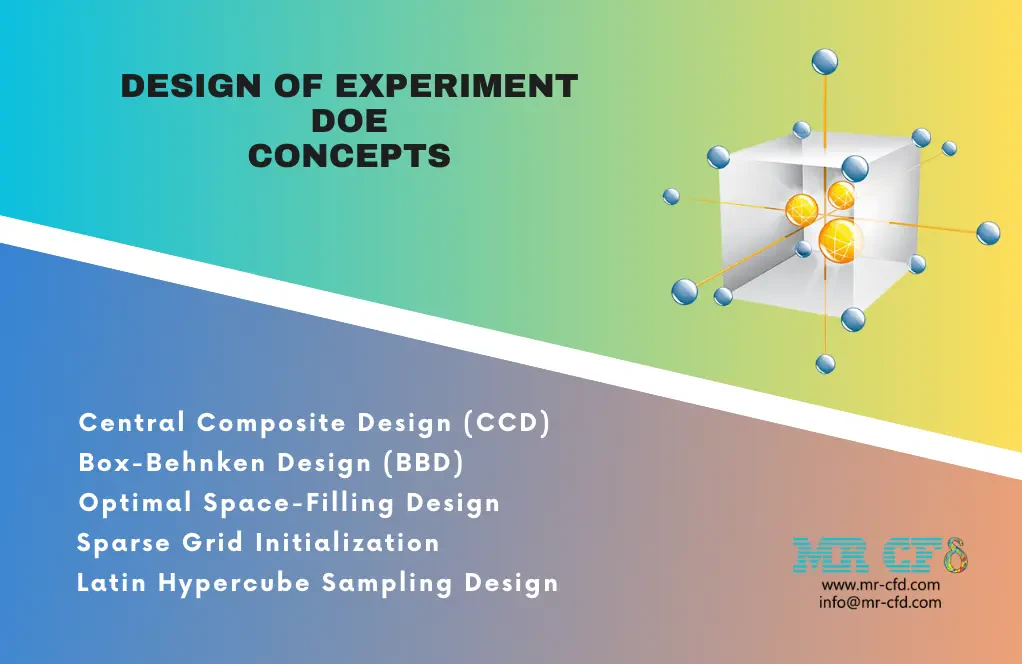
Price: Free
Introduction to the Design of Experiment (DOE) in ANSYS Fluent software Introduction to the Central Composite Design (CCD) Introduction to the Rotatable, VIF-Optimality, G-Optimality, and Face-Centered Introduction to the Box-Behnken Design (BBD) Introduction to the Optimal Space-Filling Design Introduction to the Sparse Grid Initialization Introduction to the Latin Hypercube Sampling Design Introduction to the Custom and Custom+Sampling
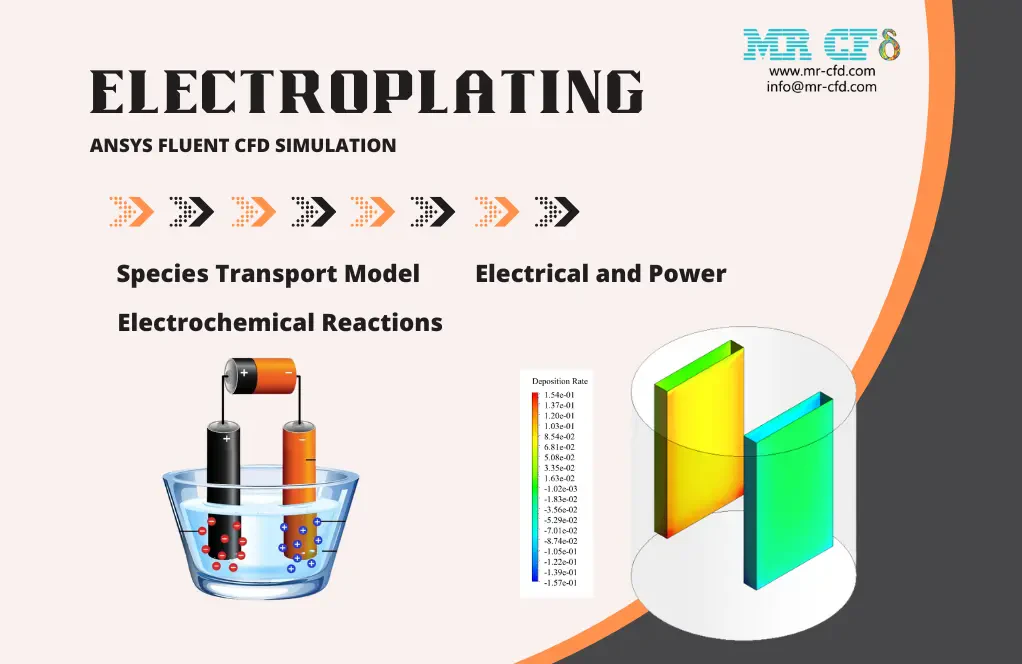
Price: $150
This product numerically simulates the Electroplating using ANSYS Fluent software. We design the 3-D model using the Design Modeler software. We mesh the model with ANSYS Meshing software; the element numbers are 89115. We use the Species Transport model to define the electrochemical reactions. We use the Potential/Electrochemistry model to apply the potential equations. The run calculation is in an unsteady state (transient).
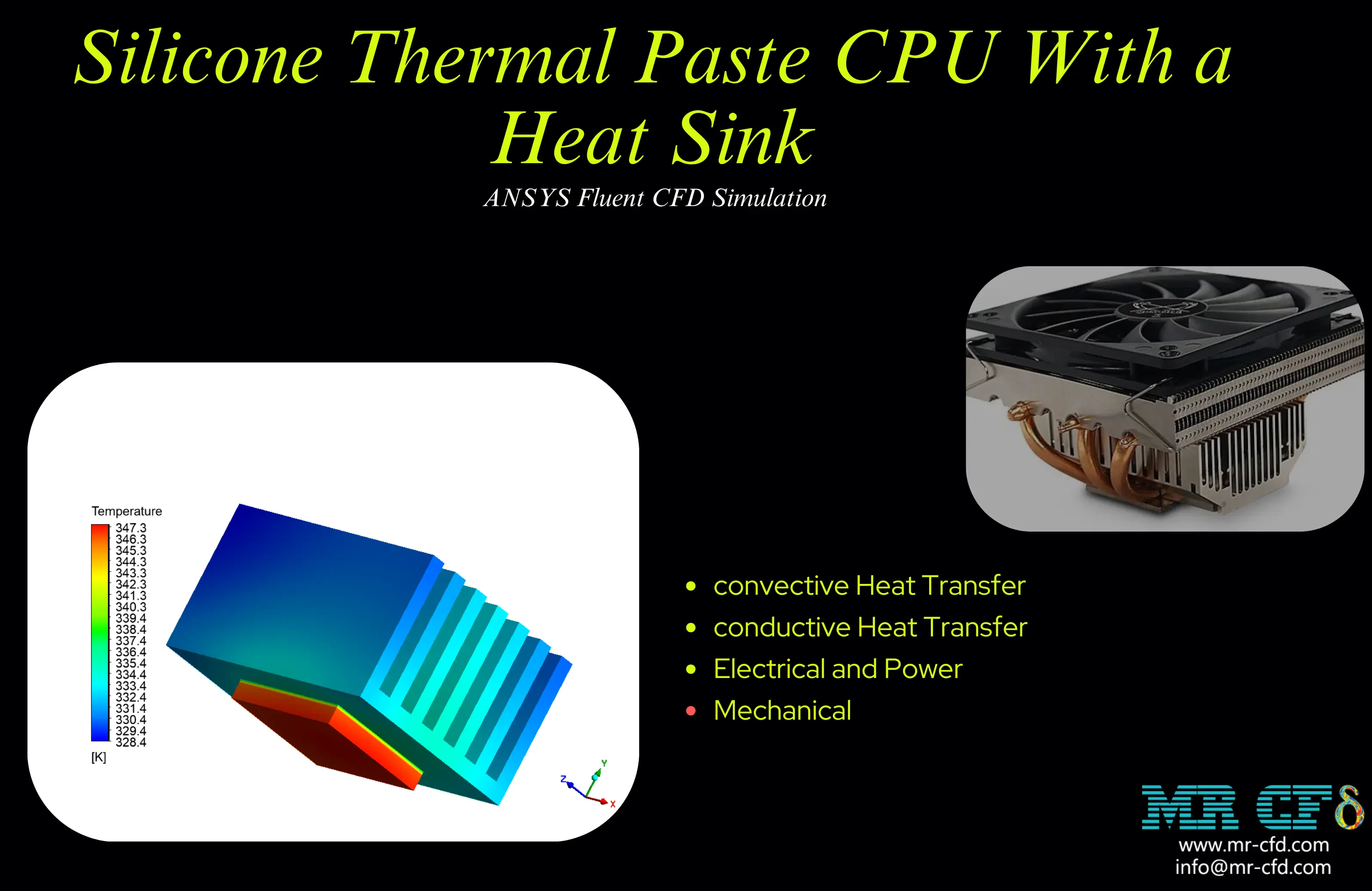
Silicone Thermal Paste CPU with a Heat Sink CFD Simulation by ANSYS Fluent
Beginner, Intermediate
Price: $8
Simulate forced convective cooling of a heat sink to dissipate 100 W of thermal power from a CPU with silicone thermal paste. Copper plate, silicone thermal paste, and aluminum heat sink with seven fins. Forced air flow at 7 m/s removes thermal energy through convection. CFD simulation using the k-ω SST turbulence model in ANSYS Fluent. The model was designed in Design Modeler for simulation. The simulation uses 1,477,676 mesh elements in Fluent Meshing for accuracy. Heat sink assembly ensures efficient cooling and maintains safe operating temperatures for the CPU.
Computational Fluid Dynamics (CFD): Introduction
Beginner, Intermediate, Advanced
Price: Free
This is the first session of a Computational Fluid Dynamics (CFD) course, focusing on equations and numerical methods for discretization and solving them in detail. The course is designed by the Mister CFD team to help students and engineers understand the numerical techniques used in software like Ansys Fluent, rather than focusing on fundamental coding. It introduces CFD as a method for solving nonlinear partial differential equations (Navier-Stokes equations) through numerical techniques, since general analytical solutions aren’t available. The document covers three main numerical methods: Finite Difference Method (FDM), Finite Volume Method (FVM), and Finite Element Method (FEM), with their advantages and limitations. It explains different types of Partial Differential Equations (PDEs) including their classifications based on order, linearity, and behavior (Elliptic, Parabolic, and Hyperbolic). The content concludes with detailed explanations of conservation equations, numerical errors in CFD, and the importance of Taylor series in discretization processes.