

Porous Online Courses
Here's every CFD online course related to Porous category.
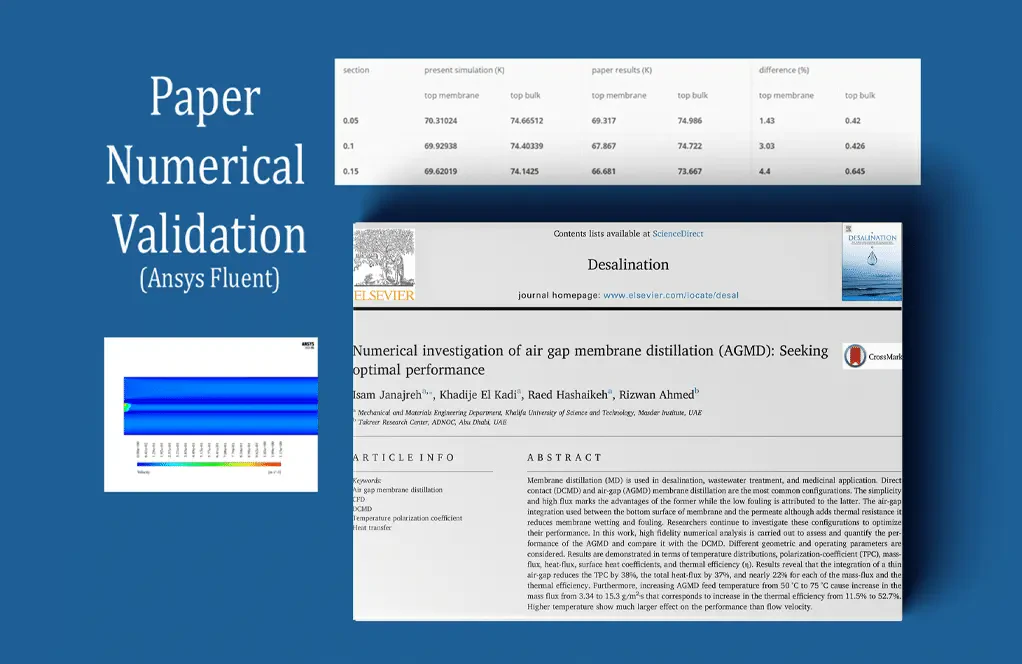
Air Gap Membrane Distillation (AGMD), Paper Numerical Validation, ANSYS Fluent Training
Intermediate, Advanced
Price: $360
The problem numerically simulates the Air Gap Membrane Distillation (AGMD) using ANSYS Fluent software. We design the 3-D model with the Design Modeler software. We mesh the model with ANSYS Meshing software. The mesh type is Structured, and the element number equals 344400. We define porous medium and heat sources in cell zone conditions. This simulation is validated with a reference article.
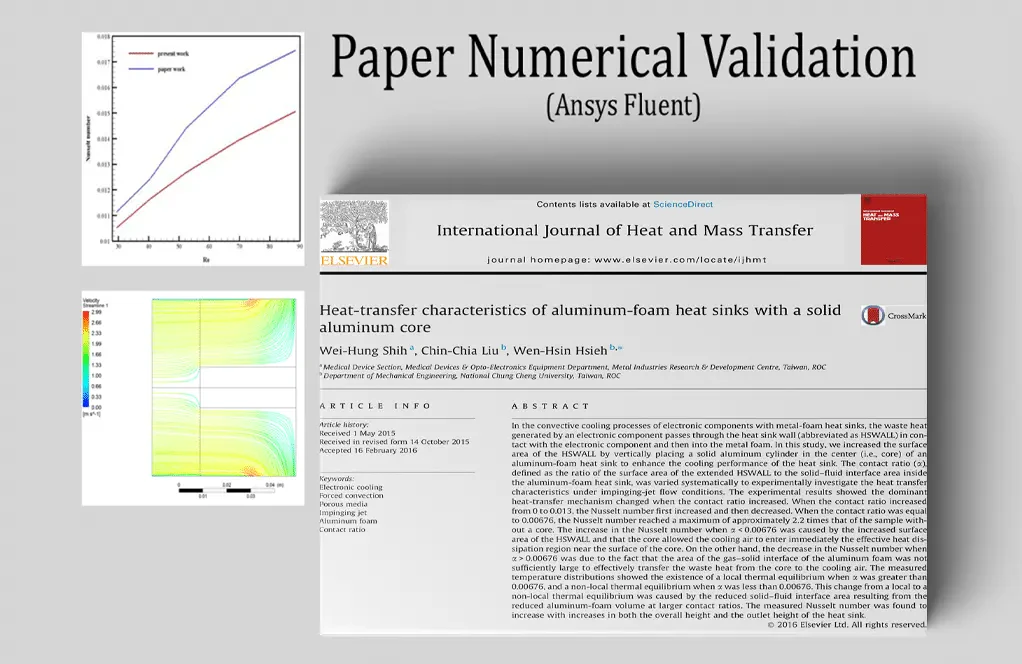
Non-Equilibrium Porous Aluminum Foam Heat Sink, Paper Validation
Intermediate, Advanced
Price: $84
The problem numerically simulates Non-Equilibrium Porous Aluminum Foam Heat Sink using ANSYS Fluent software. We design the 3-D model with the Design Modeler software. We Mesh the model with ANSYS Meshing software. The mesh type is Structured, and the element number equals 87000. This project is simulated and validated with a reference article. We use a Porous medium made of aluminum foam.
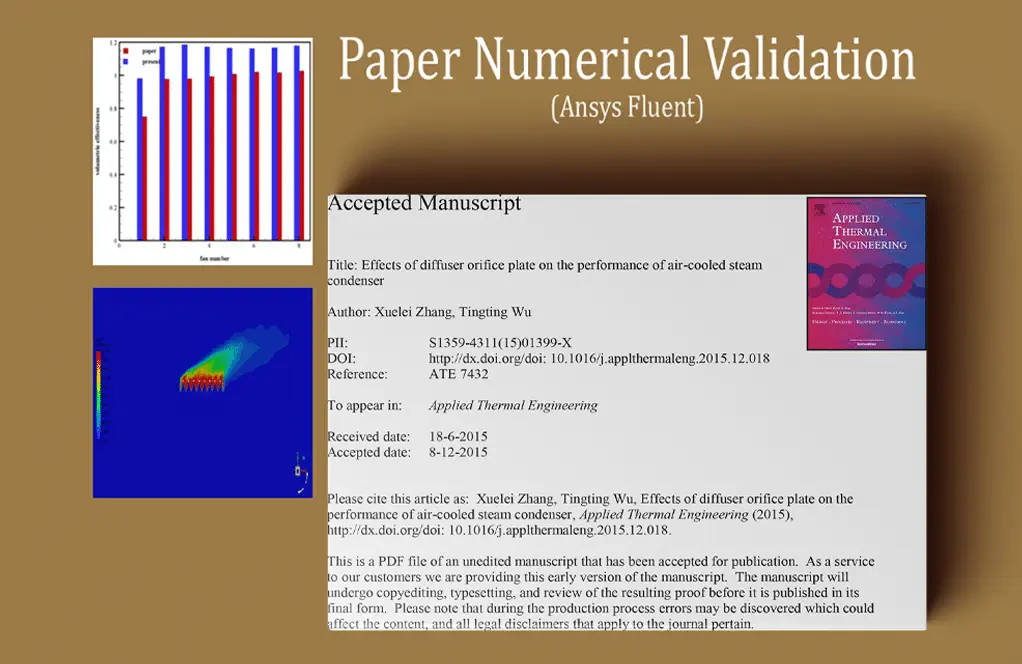
ACSC Performance with Diffuser Orifice Plate, Validation
Intermediate, Advanced
Price: $81
The problem numerically simulates ACSC Performance with Diffuser Orifice Plate using ANSYS Fluent software. We design the 3-D model with the Design Modeler software. We Mesh the model by ANSYS Meshing software, and the element number equals 2668772. This project is simulated and validated with a reference article. We use the Fan boundary condition and define a Pressure Jump.
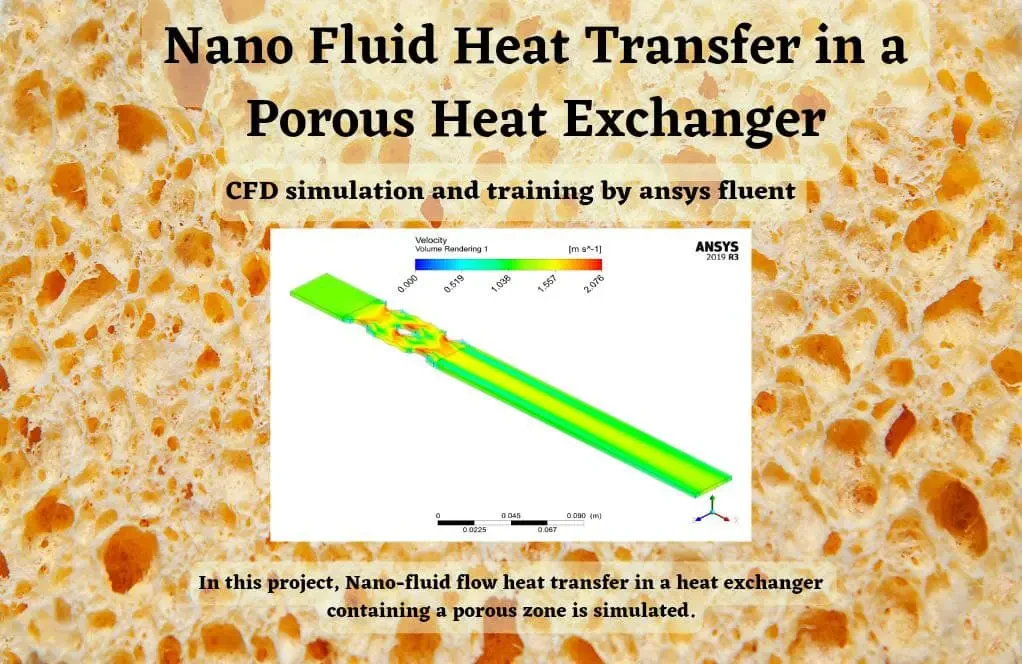
Nano Fluid Heat Transfer in a Porous Heat Exchanger
Beginner, Intermediate
Price: $32
The problem numerically simulates Nano Fluid Heat Transfer in a Porous Heat Exchanger using ANSYS Fluent software. We design the 3-D model by the Design Modeler software. We Mesh the model by ANSYS Meshing software, and the element number equals 4148881. The Energy Equation is activated to consider heat transfer.
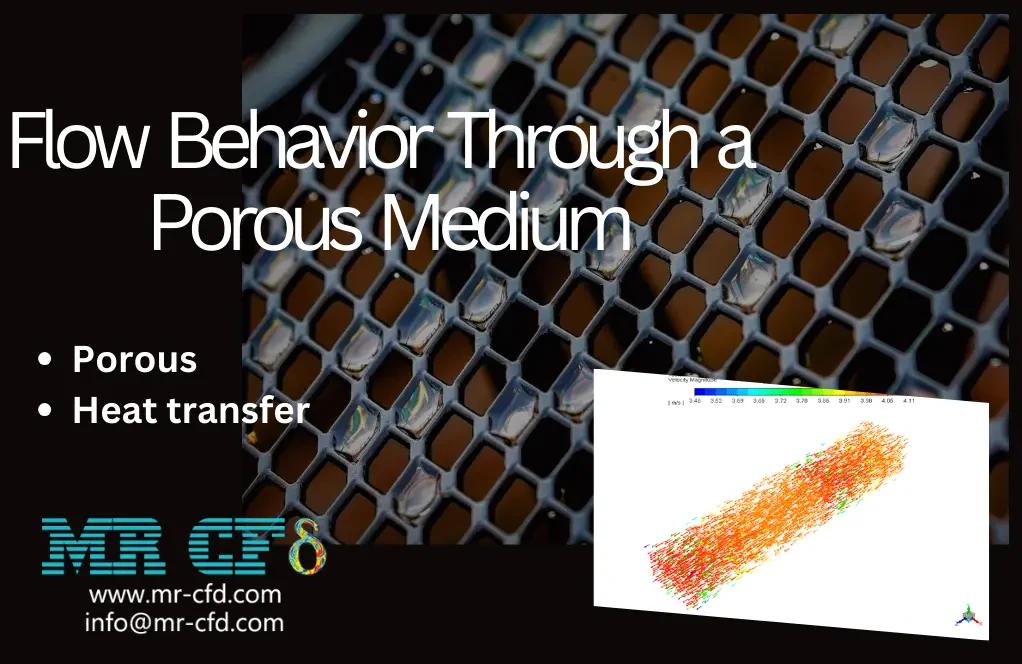
Flow Behavior Passing Through a Porous Medium, ANSYS Fluent Training
Beginner, Intermediate
Price: Free
The problem numerically simulates fluid behavior inside porous media using ANSYS Fluent software. We design the 3-D model by the Design Modeler software. We Mesh the model by ANSYS Meshing software. The mesh type is Structured, and the element number equals 35017. We use the porous tab in our model to investigate the different porosity effects on fluid behavior.
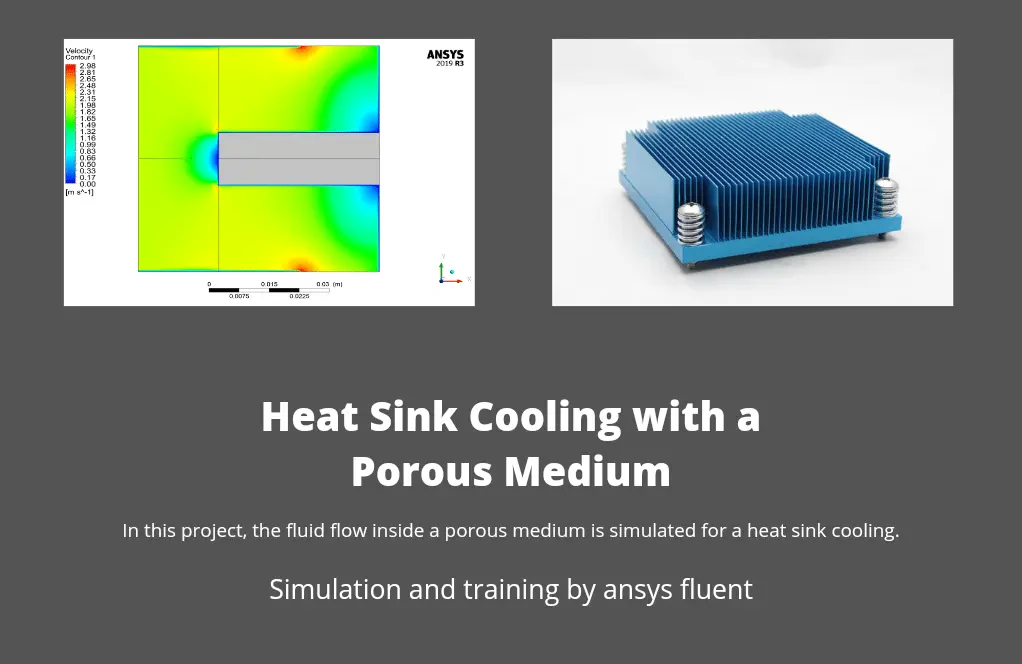
Heat Sink Cooling with a Porous Medium, ANSYS Fluent CFD Tutorial
Beginner, Intermediate
Price: $24
The present problem simulates the fluid flow inside a porous medium for heat sink cooling using ANSYS Fluent. We design the 3-D model by the Design Modeler software. We Mesh the model by ANSYS Meshing software. The mesh type is Structured, and the element number equals 7680. We use the Porous Medium to study the porous effect on heat transfer.
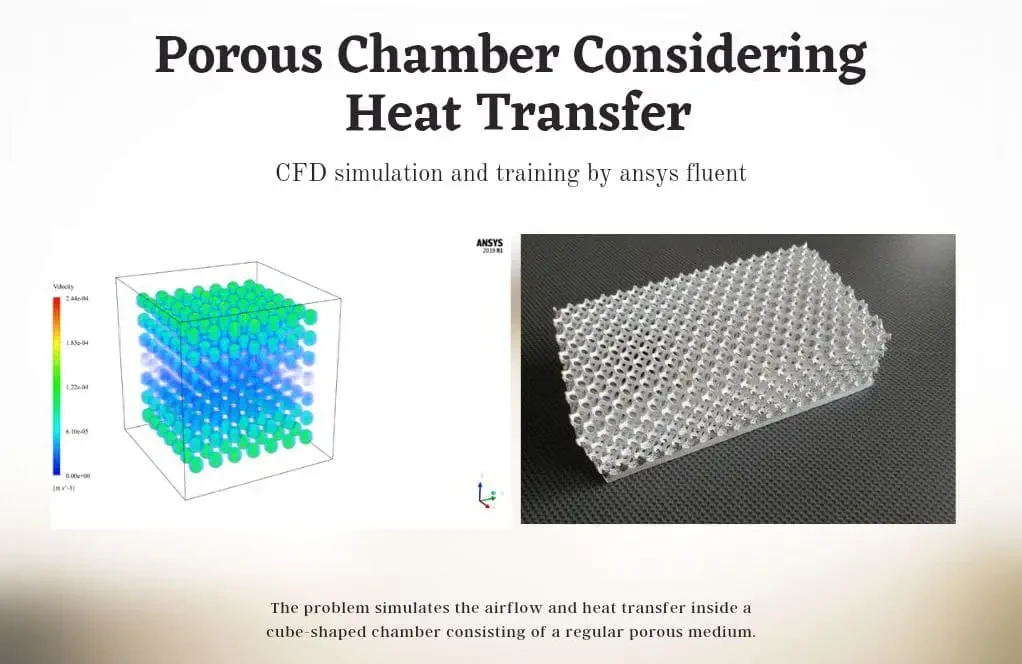
Porous Chamber Heat Transfer CFD Simulation, Tutorial
Beginner, Intermediate
Price: $16
The problem simulates the airflow and heat transfer inside a cube-shaped chamber consisting of a regular porous medium.
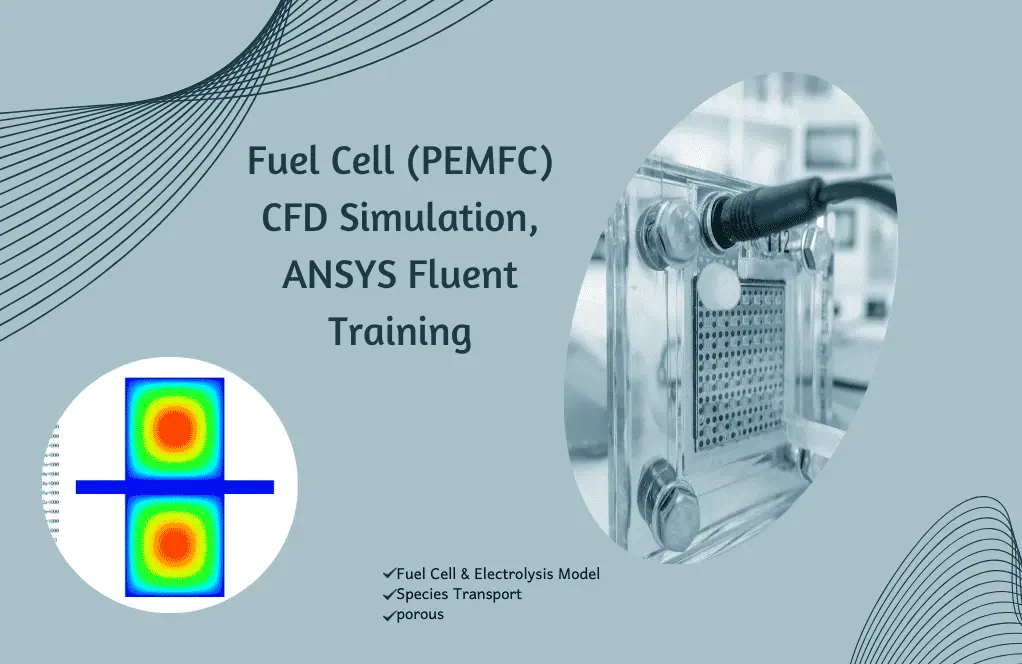
Price: $569
The present problem simulates a fuel cell using PEMFC (polymer electrolyte membrane fuel cell) model in porous medium by ANSYS Fluent software. The geometry of the present model is three-dimensional and has been designed using Design Modeler software. The meshing of the model has been done using ANSYS Meshing software. The mesh type is structured , and the element number is 142,000. Species Transport, Porous & Fuel cell, and electrolysis models are used.
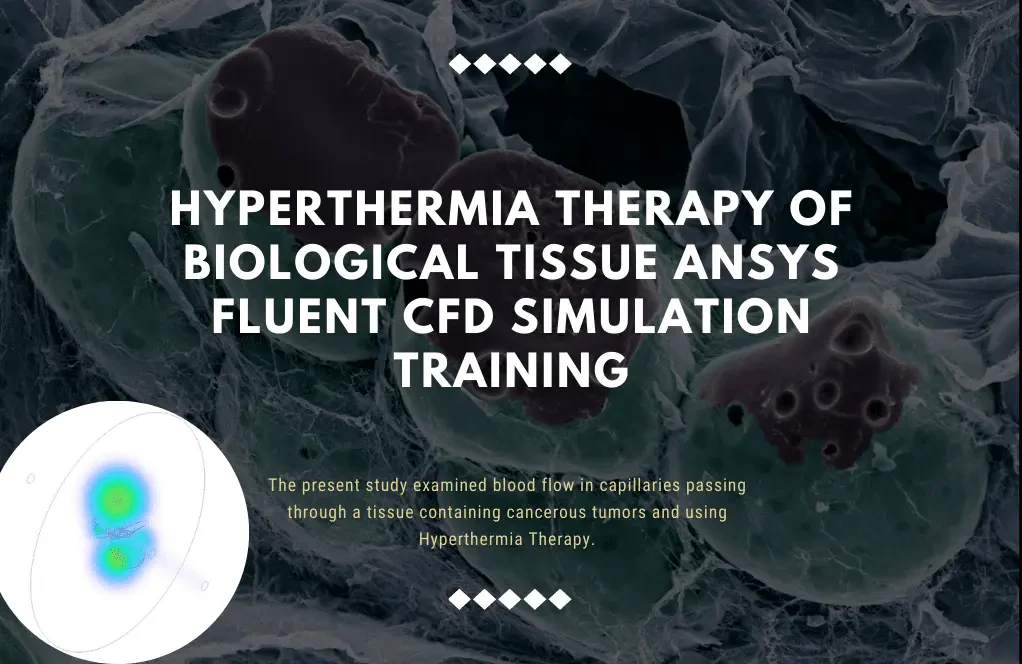
Hyperthermia Therapy of a Cancer Tissue ANSYS Fluent CFD Simulation Training
Intermediate, Advanced
Price: $96
The present study examined blood flow in capillaries passing through a tissue containing cancerous tumors using Hyperthermia Therapy by ANSYS Fluent software. We have designed the geometry using ANSYS Design modeler software and created the mesh on this geometry using ANSYS meshing software. The mesh type is unstructured with 717087 cells. The whole tissue can be considered a porous medium. This simulation is performed as unsteady (Transient). The Source Term option is used. The UDF code defines the amount of heat applied per volume unit.