

CFD Online Courses
Here's every CFD online course related to CFD category.

Electrolysis CFD Simulation Concepts in ANSYS Fluent
Beginner, Intermediate, Advanced
Price: Free
Introduction to the Electrolysis models in ANSYS Fluent software Introduction to the "Fuel Cell and Electrolysis" model ("Electrolysis" sub-models) Introduction to the "Potential/Electrochemistry" model ("PEM Electrolysis" and "Alkaline Electrolysis" sub-models) Introduction to the construction of the electrolyzer and its components Introduction to the electrochemistry concepts and electrochemical reactions Introduction to the governing equations of the electrolysis process
Price: $8
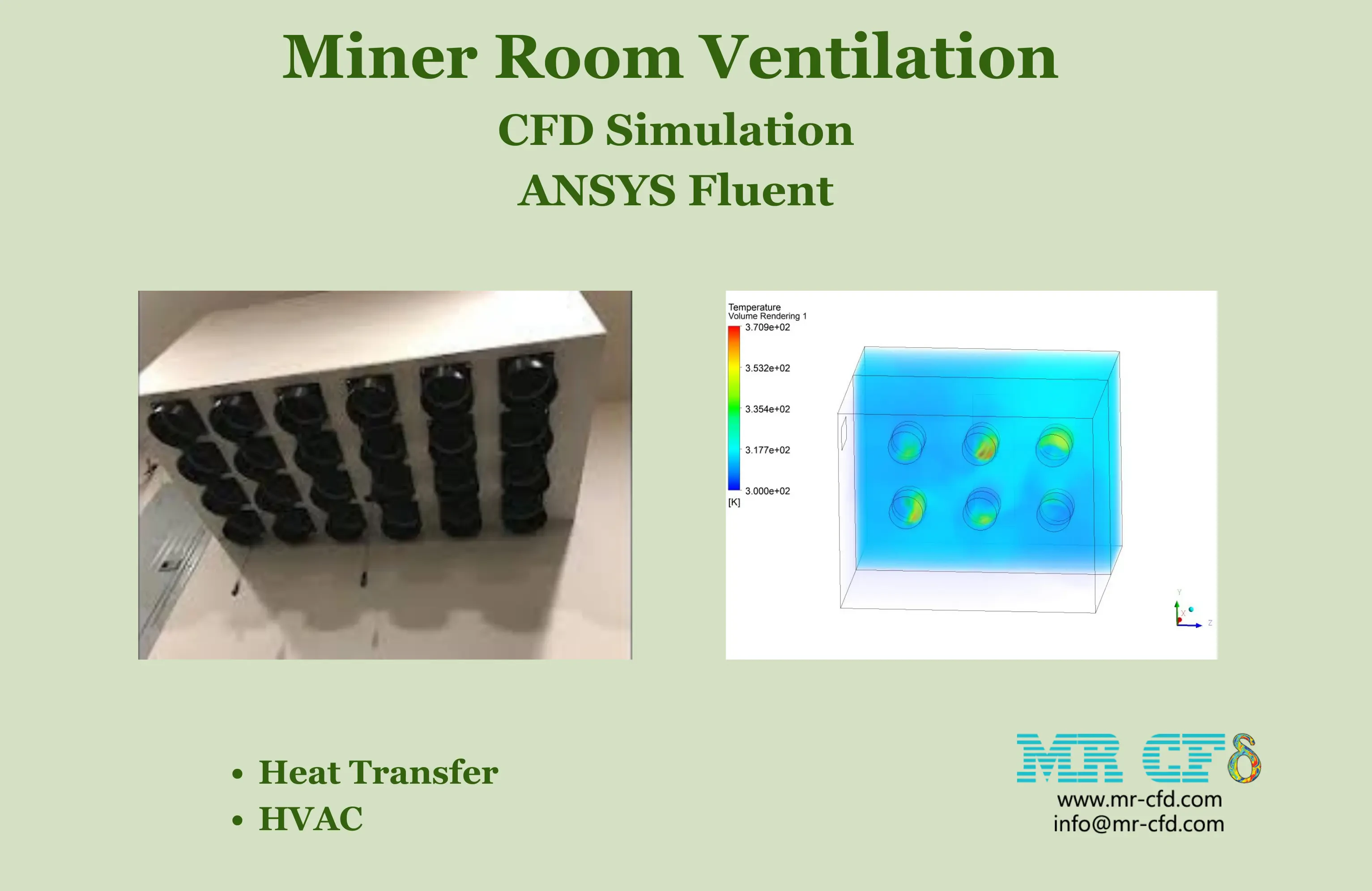
This project simulates a Miner Room Ventilation in ANSYS Fluent software. The geometry of the problem is designed in Spaceclaim then Meshed in ANSYS Meshing software with 1,530,586 cells. The turbulence of the air flow is simulated with RNG k-e model. The energy source in cell zone conditions is activated for the fans.
Price: $689
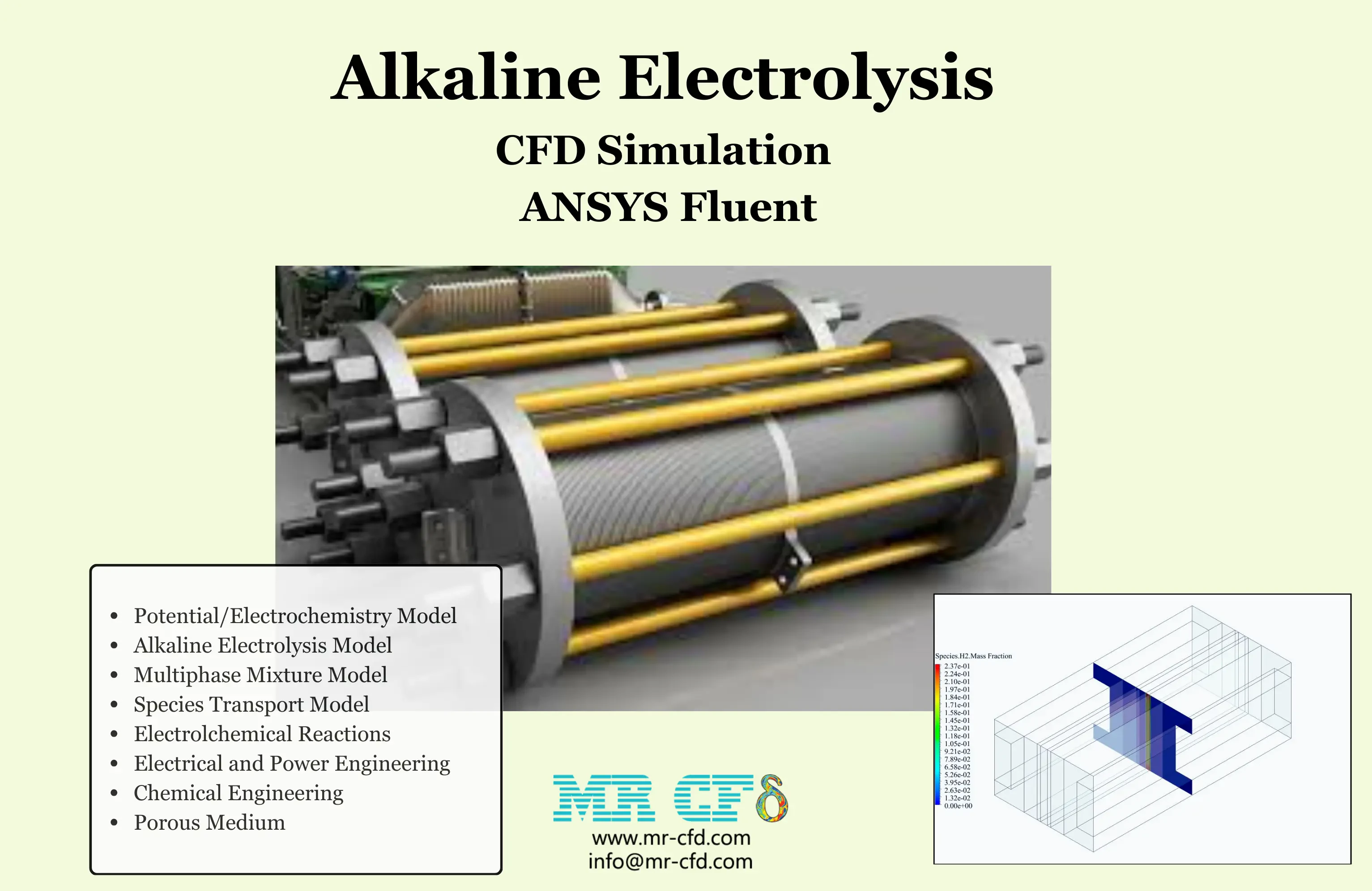
The problem numerically simulates the Alkaline Electrolysis using ANSYS Fluent software. We design the 3-D model with the Design Modeler software. We mesh the model with ANSYS Meshing software. The mesh is Structured, and the element number equals 428,800. We used the Potential/Electrochemistry model to define the potential equation. We used the Electrolysis sub-model and Alkaline Electrolysis type to define the electrolysis process. We used the Species model to define H2, O2, and H2O. We used the Mixture Multiphase model to define water.
Price: $64
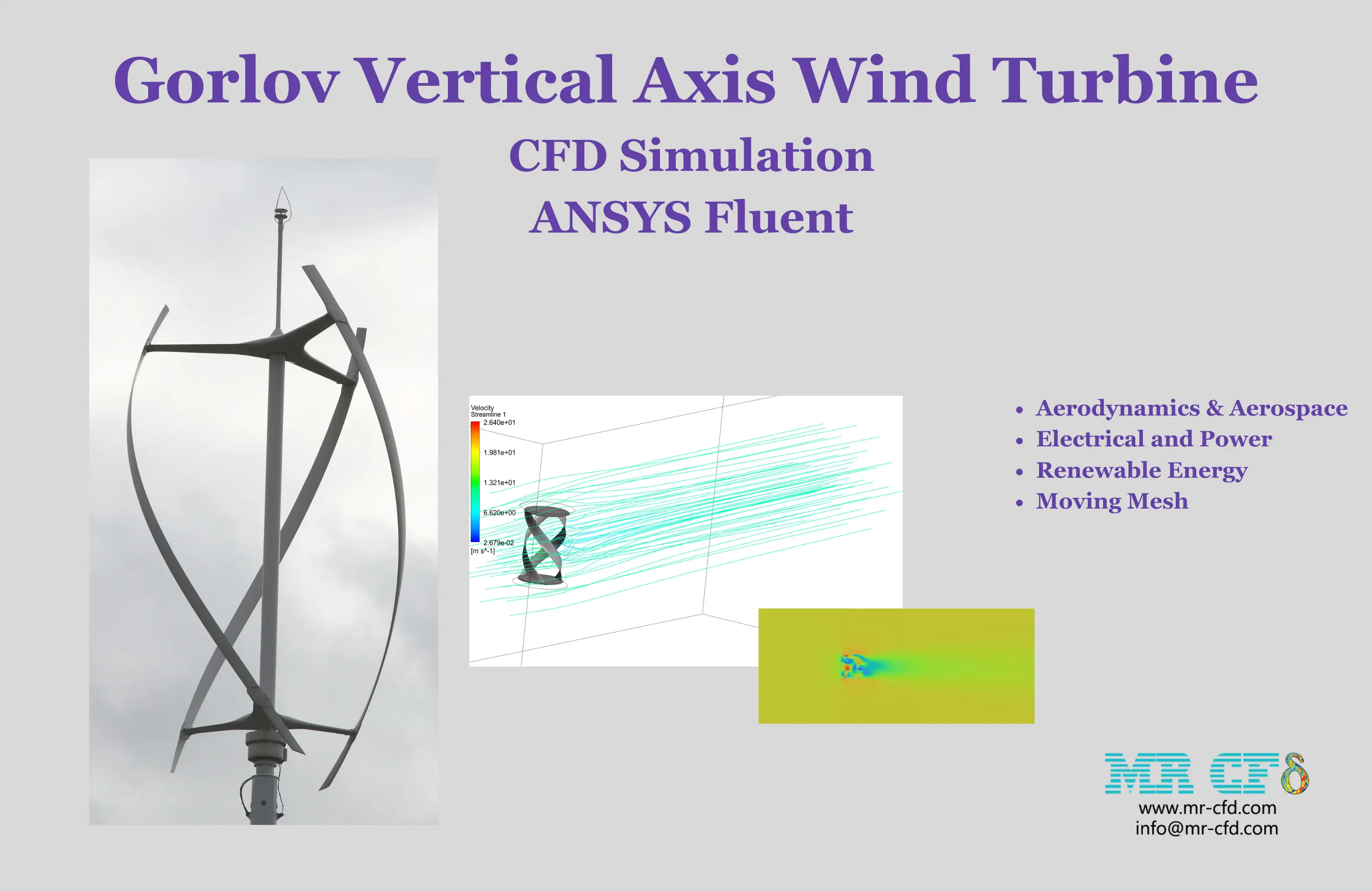
In this project, a Gorlov vertical axis wind turbine is simulated using ANSYS Fluent software. The geometry is re-designed in ANSYS Spaceclaim software and meshed in ANSYS Meshing software. The angular motion is simulated using the sliding mesh (mesh motion) model.
Price: $689
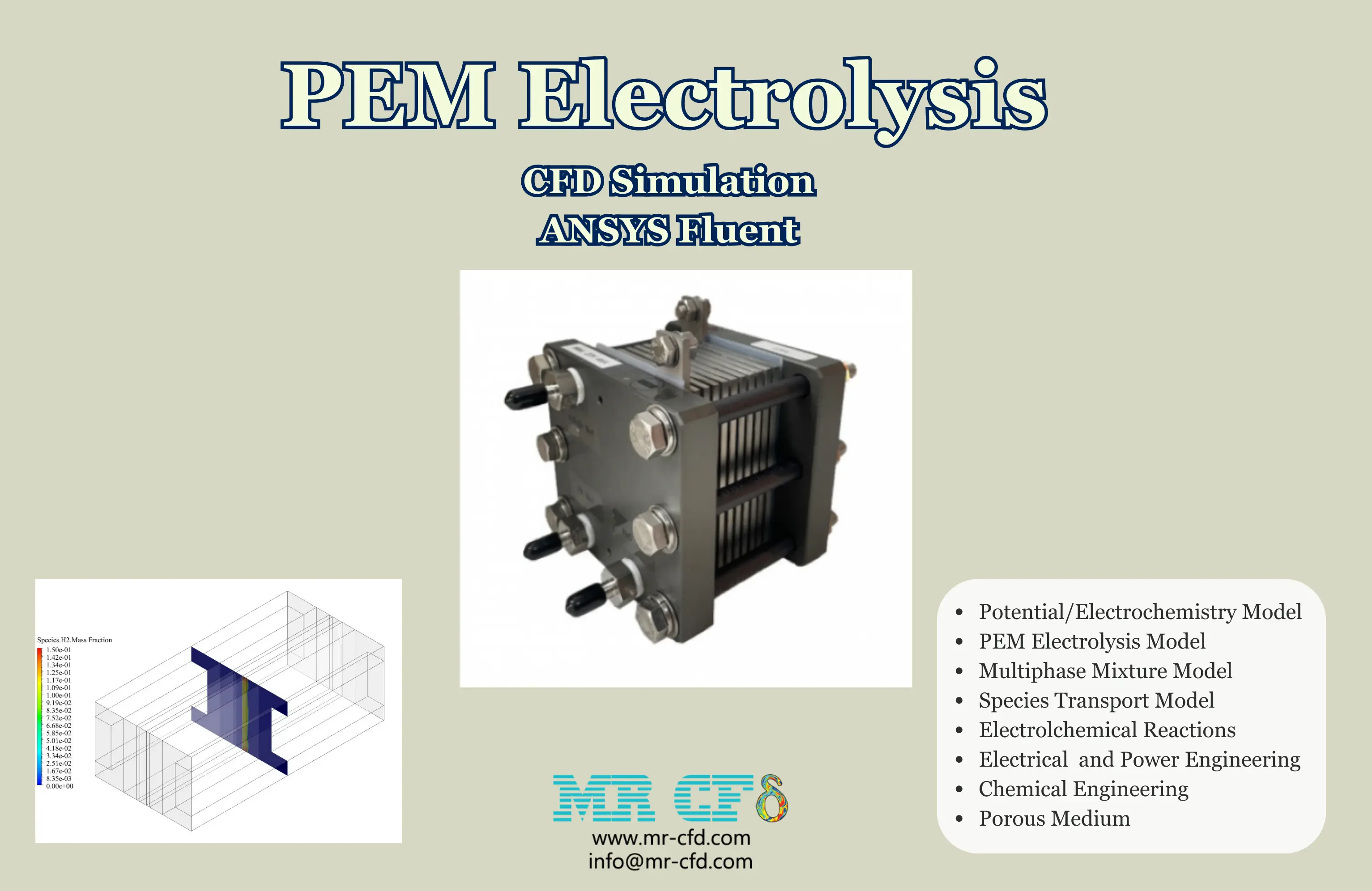
The problem numerically simulates the PEM Electrolysis using ANSYS Fluent software. We design the 3-D model with the Design Modeler software. We mesh the model with ANSYS Meshing software. The mesh is Structured, and the element number equals 428,800. We used the Potential/Electrochemistry model to define the potential equation. We used the Electrolysis sub-model and PEM Electrolysis type to define the electrolysis process. We used the Species model to define H2, O2, and H2O. We used the Mixture Multiphase model to define water.
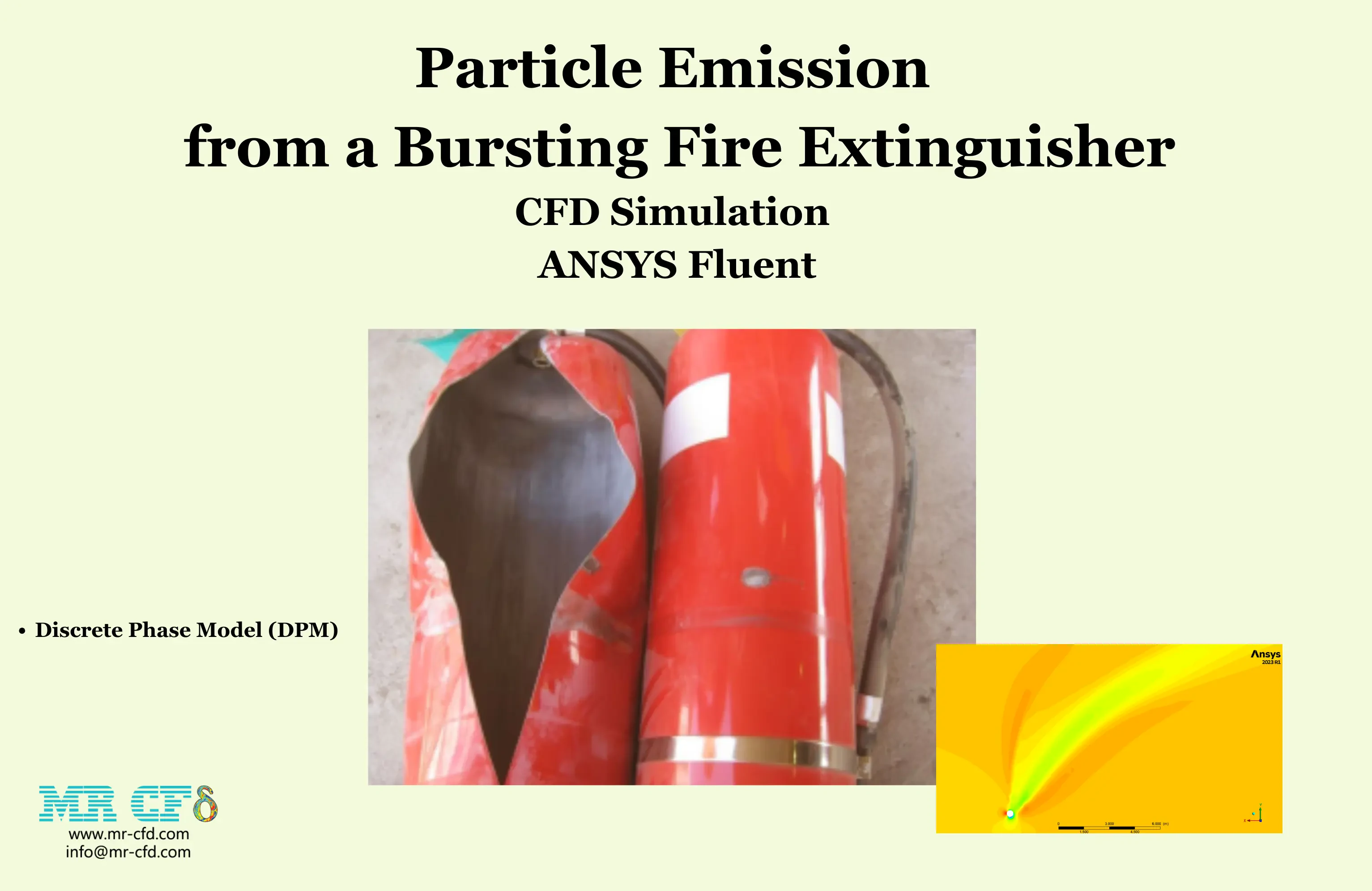
Particle Emission from a Bursting Fire Extinguisher CFD Simulation, ANSYS Fluent
Intermediate, Advanced
Price: $8
In this project, the Particle Emission from a Bursting Fire Extinguisher is modeled using ANSYS Fluent. The geometry was created in SpaceClaim, and a mesh consisting of 1,172,162 elements was generated using ANSYS Meshing. The Discrete Phase Model (DPM) was chosen to simulate emission released from capsule. The turbulence effect is modeled with the k-ε standard model.
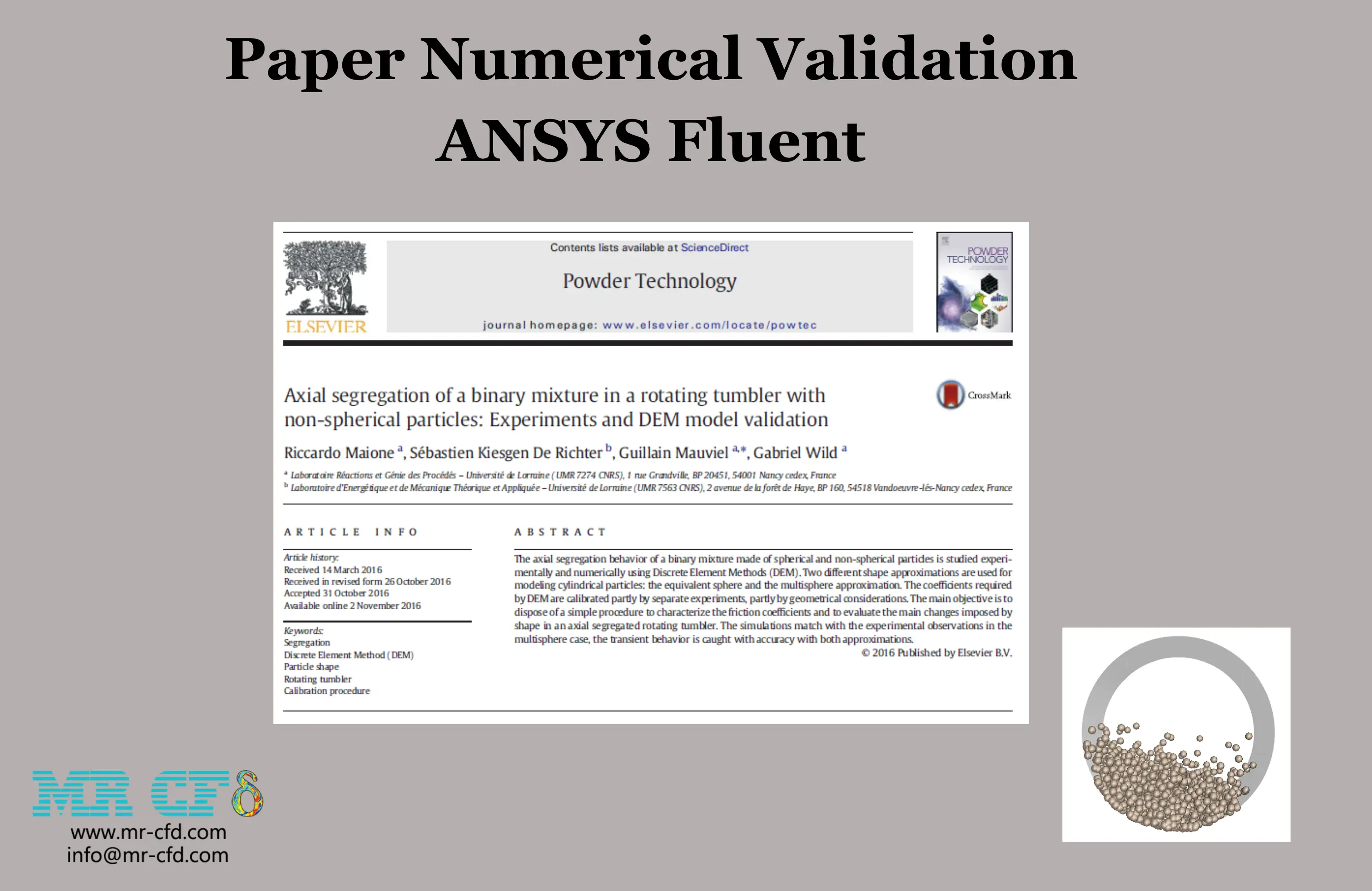
Axial Segregation of a Binary mixture in a rotating tumbler, DEM, Paper Numerical Validation
Advanced
Price: $32
The current CFD Analysis numerically validates the Paper "Axial segregation of a binary mixture in a rotating tumbler with non-spherical particles: Experiments and DEM model validation" via ANSYS Fluent software. We have designed and meshed the geometry using SpaceClaim and ANSYS Meshing producing 31,428 elements. Mesh Motion is used to simulate rotation of the tumbler.
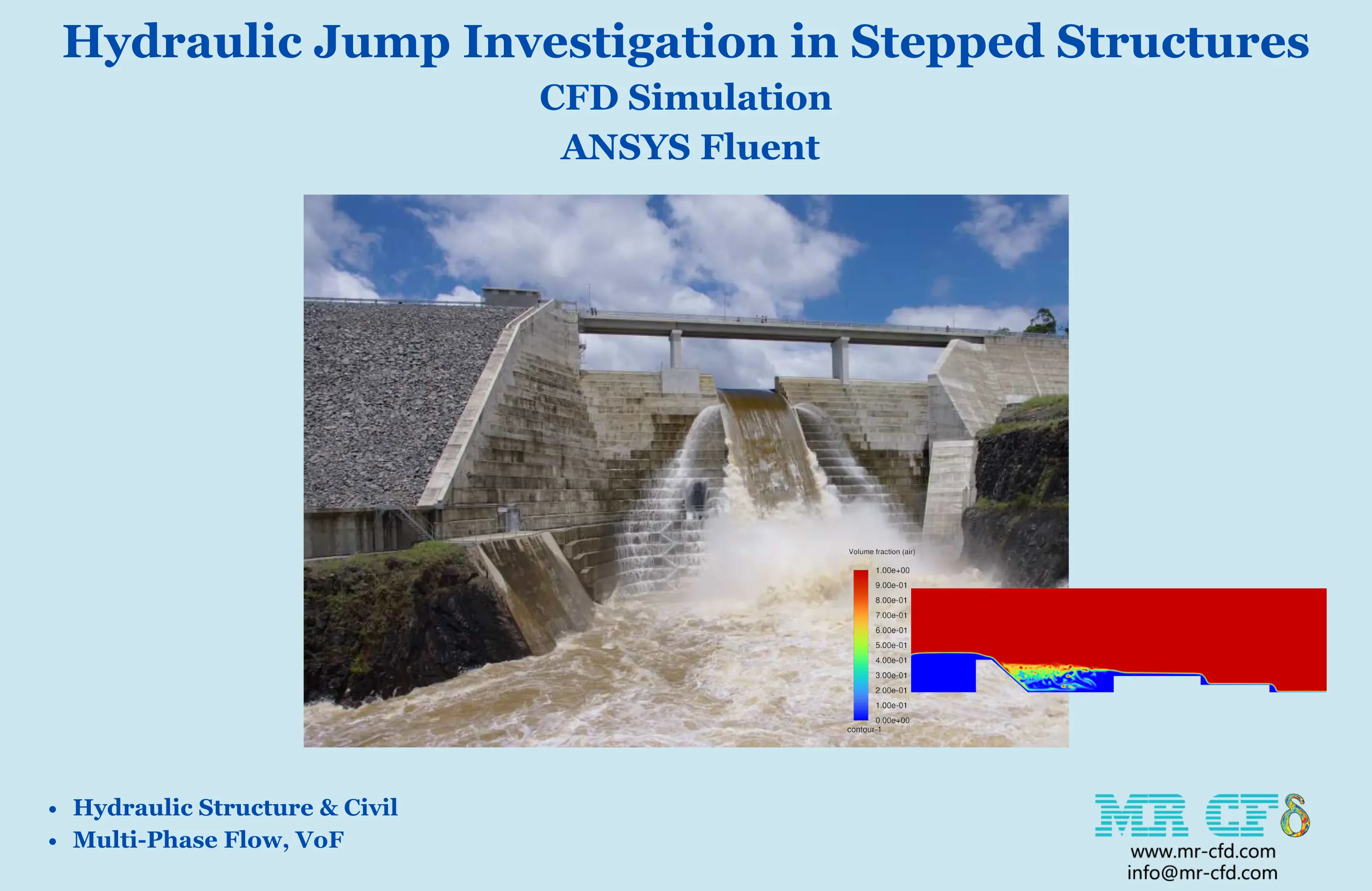
Hydraulic Jump Investigation in Stepped Structures, ANSYS Fluent
Beginner, Intermediate
Price: $10
⦁ This problem simulates Hydraulic Jump Investigation in Stepped Structures, using Ansys Fluent software. ⦁ The 2-D geometry is designed in Design Modeler software. ⦁ ANSYS Meshing software is used to generate the mesh; the element number equals 76,048. ⦁ In this project, the Formation of hydraulic jump is simulated using the VoF model. ⦁ Flow energy loss in this project is well modeled.
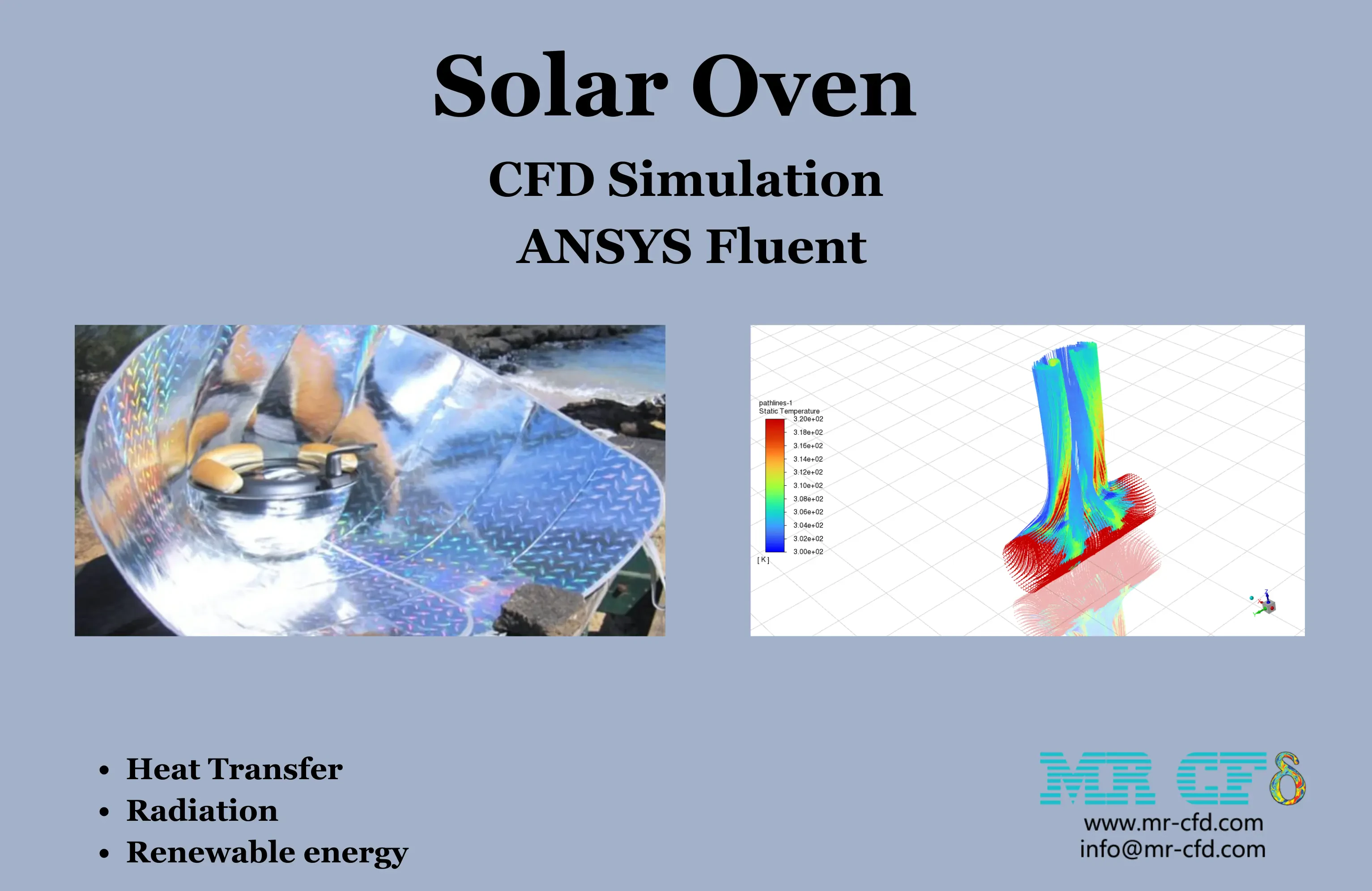
Solar Oven CFD Simulation, ANSYS Fluent Training
Intermediate
Price: $10
In this project, a Cooking Pot in a Solar Oven is simulated using ANSYS Fluent software. The geometry is created in SpaceClaim, and a mesh consisting of 989,310 elements is generated using ANSYS Meshing. The Discrete Ordinates (DO) model is chosen to simulate radiation heat transfer.