

Multi-Phase Flow Online Courses
Here's every CFD online course related to Multi-Phase Flow category.
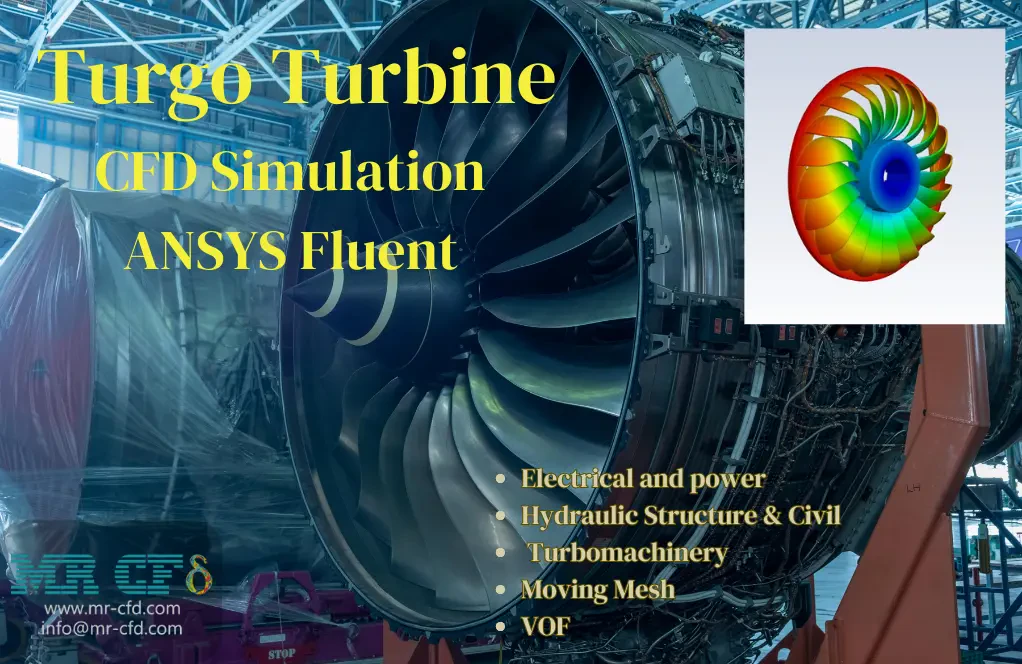
Turgo Turbine, ANSYS Fluent CFD Simulation Training
Intermediate
Price: $24
The present problem simulates the water flow inside a Turgo water turbine by ANSYS Fluent software. The geometry is designed using Design Modeler software. The meshing of the model has been done using ANSYS Meshing software and the element number is 4,344,106. Mesh Motion (Sliding Mesh) is used to define the rotation of the blades inside the chamber.
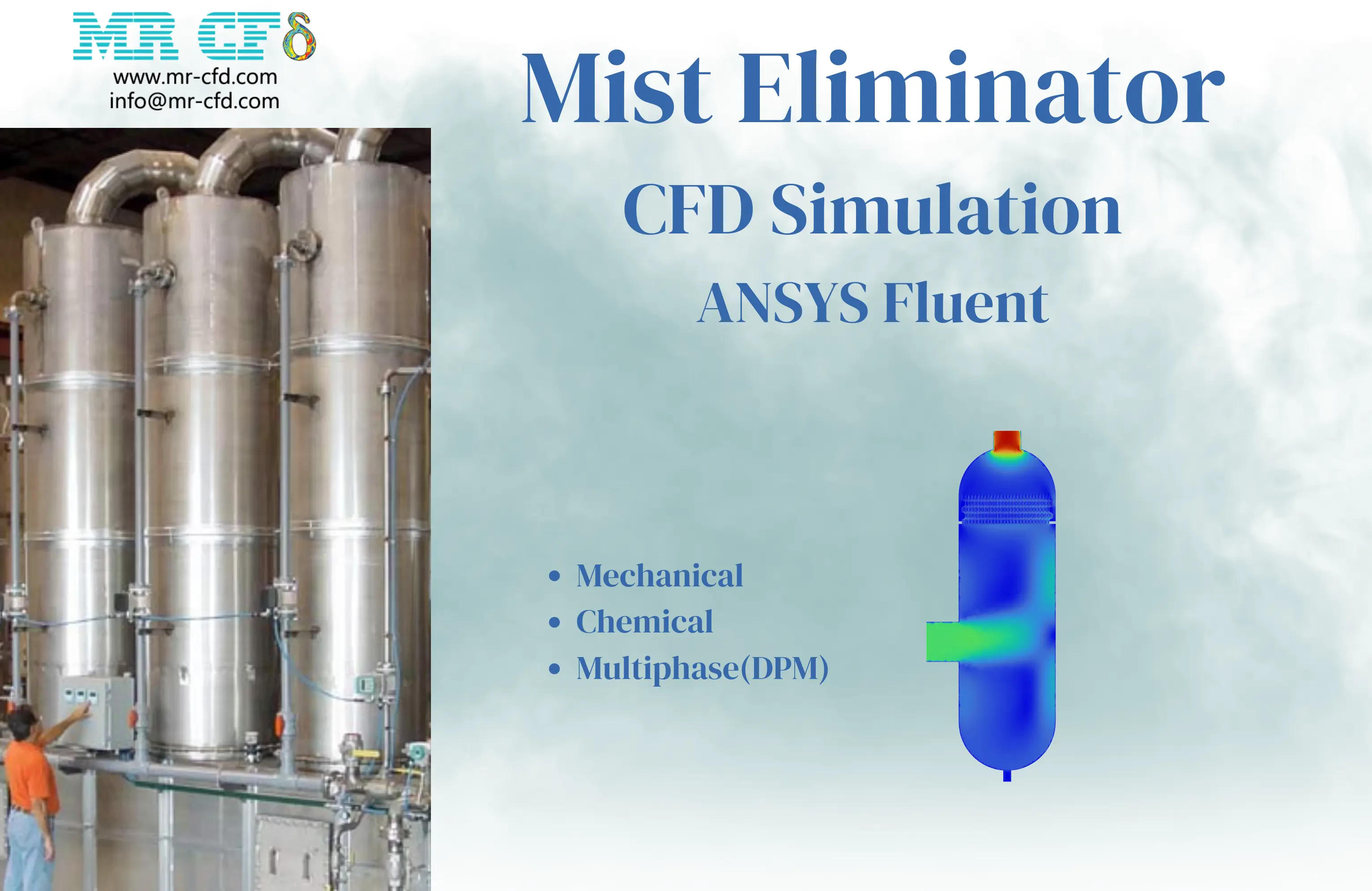
Mist Eliminator CFD Simulation, ANSYS Fluent
Beginner, Intermediate
Price: $140
In this project, we have simulated the performance of a Mist Eliminator using ANSYS Fluent software. Three-dimensional modeling was done using Design Modeler software. The meshing of the model has been done using ANSYS Meshing software and the element number equals 2,062,734. The Discrete Phase Model (DPM) is used to model water-liquid particles in transient mode. The Realizable K-epsilon model is selected for turbulence characteristics of fluid flow.
User-Defined Function (UDF) Concepts in ANSYS Fluent
Beginner, Intermediate, Advanced
Price: Free
Introduction to USer-Defined Function (UDF) in ANSYS Fluent software Introduction to UDF running methods Introduction to Mesh Terminology Introduction to Model-Specific Macros category Introduction to General Purpose Macros category Introduction to Multiphase Macros category Introduction to Discrete Phase Model (DPM) Macros category Introduction to Dynamic Mesh Macros category Introduction to Additional Macros category
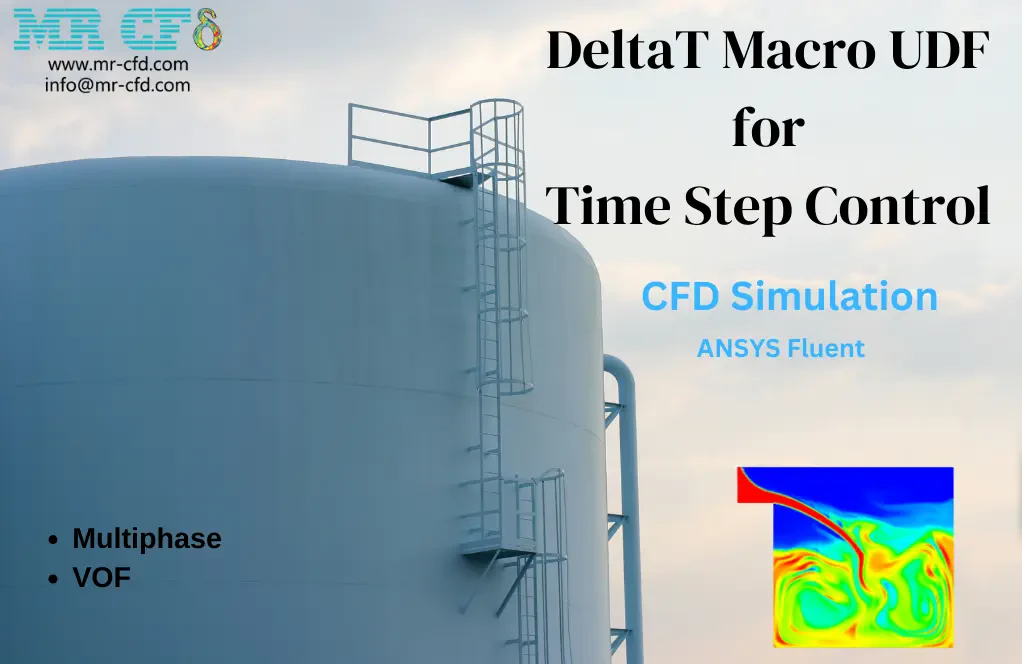
Delta T Macro UDF, Time Step Control CFD Simulation
Intermediate, Advanced
Price: $180
The problem numerically simulates the water filling in the tank using ANSYS Fluent software. We design the 2-D model with the Design Modeler software. We mesh the model with ANSYS Meshing software, and the element number equals 135996. We performed the simulation in a Transient (unsteady state). We use the VOF Multiphase model to define water and air. We use the User-Defined Function (UDF) to control time step size. We use the DELTAT Macro for UDF.

Price: $240
The problem numerically simulates the evaporation and condensation using ANSYS Fluent software. We design the 3-D model with the Design Modeler software. We mesh the model with ANSYS Meshing software; the element number equals 1,574,100. We use the VOF Multiphase model to define water, liquid, and vapor. We define a Mass Transfer between water liquid and water vapor. We use the User-Defined Function (UDF) to define a mass transfer (evaporation and condensation). We use the Mass-Transfer Macro for UDF.
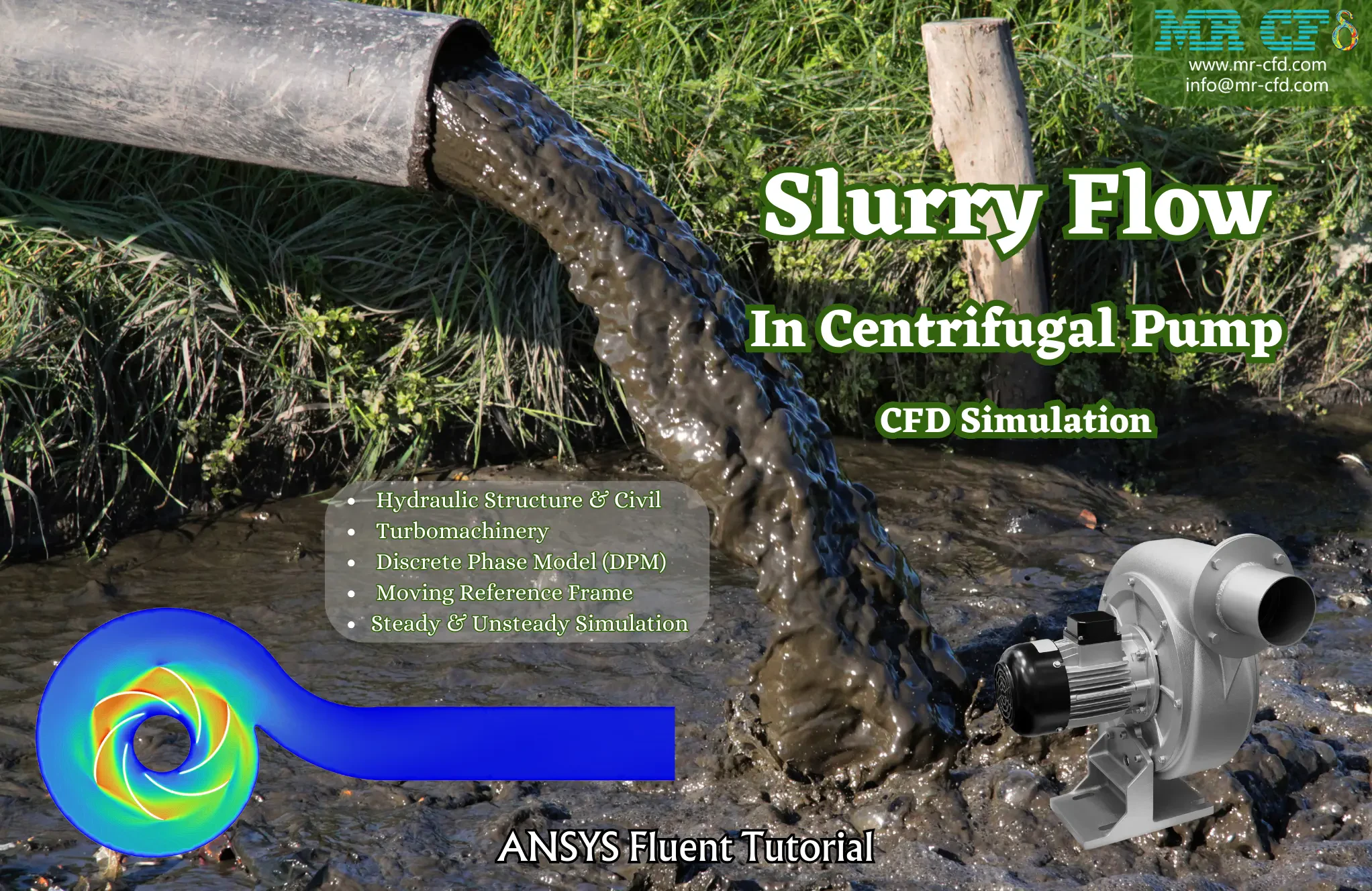
Slurry Flow Erosion In Centrifugal Pump CFD Simulation
Intermediate, Advanced
Price: $160
The problem numerically simulates Slurry Flow in Centrifugal Pump using ANSYS Fluent software. We design the 3-D model with the Design Modeler software. We Mesh the model with ANSYS Meshing software, and the polyhedra element number equals 1,498,132. We use the Frame Motion to define the rotational movement in the rotating zone. The DPM multiphase is activated to model the effect of solid particles on erosion. The activated erosion models are Generic, Finnie, McLaury, Oka, and DNV.
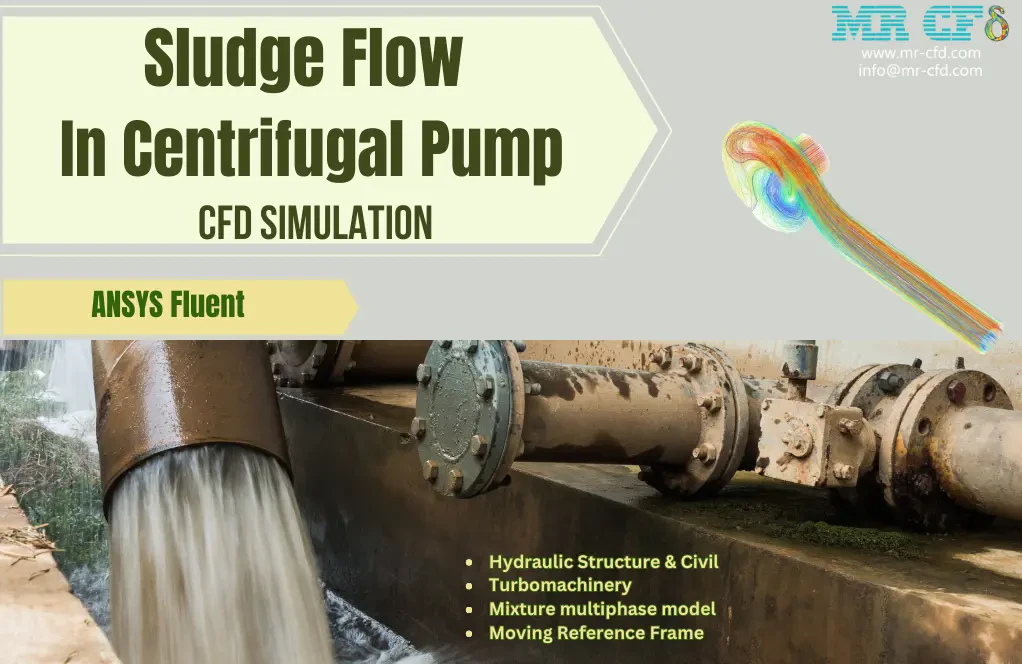
Sludge Flow In Centrifugal Pump CFD Simulation
Intermediate, Advanced
Price: $16
The problem numerically simulates Slurry Flow in Centrifugal Pump using ANSYS Fluent software. We design the 3-D model with the Design Modeler software. We Mesh the model with ANSYS Meshing software, and the polyhedra element number equals 1,498,132. We use the Frame Motion to define the rotational movement in the rotating zone. The Mixture multiphase model is activated to model the effect of solid particles.
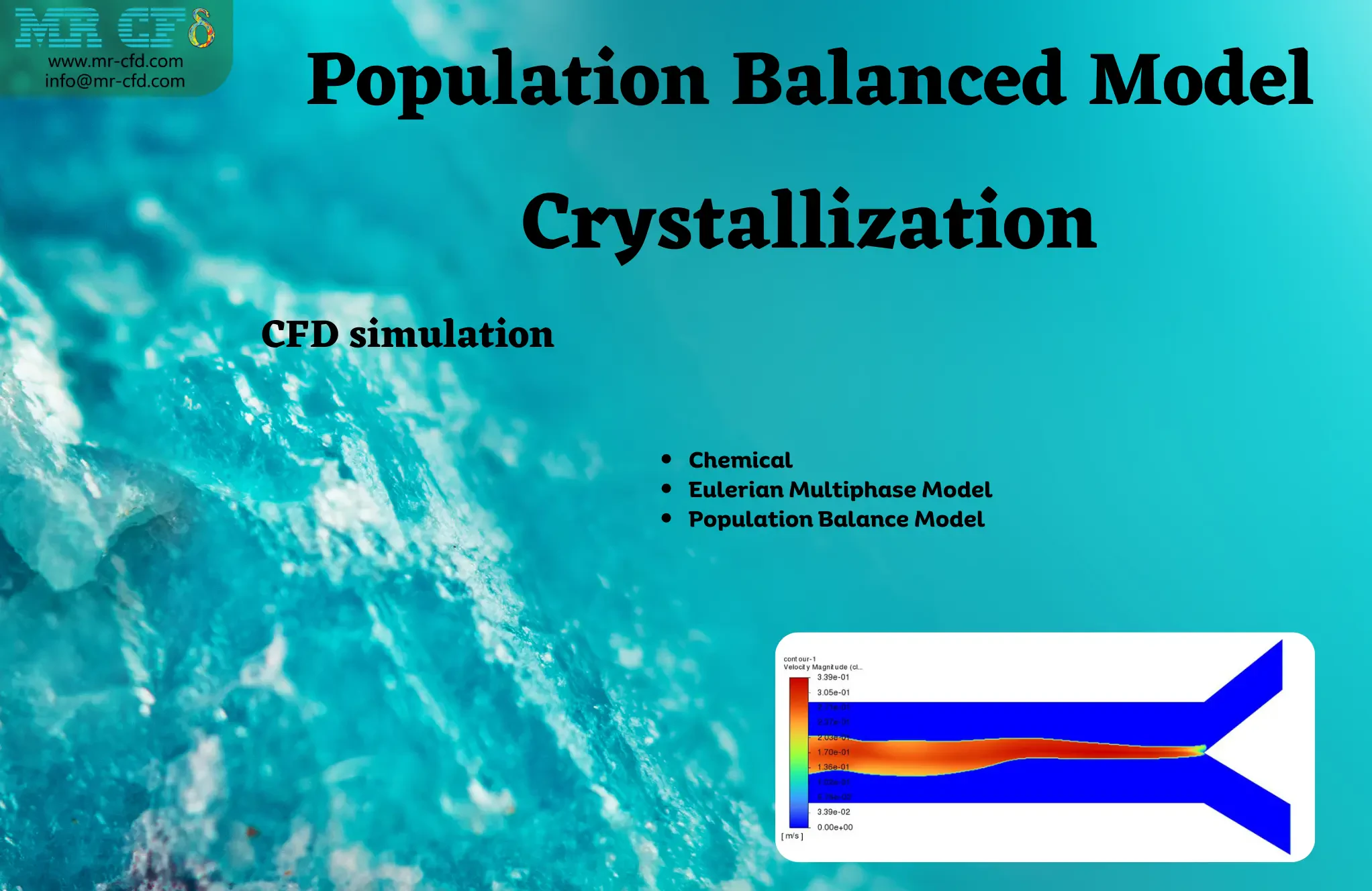
Price: $240
This project numerically simulates the Population Balanced Model Crystallization using ANSYS Fluent software. The 2-D geometry is designed in Design Modeler software. We used ANSYS Meshing Software to generate mesh; the element number equals 89,244. The multiphase Eulerian multiphase model simulates the mixture (water liquid, Ca, and CO3 ions) and Calcium-Carbonate. The crystallization modeling through PBM is also considered.
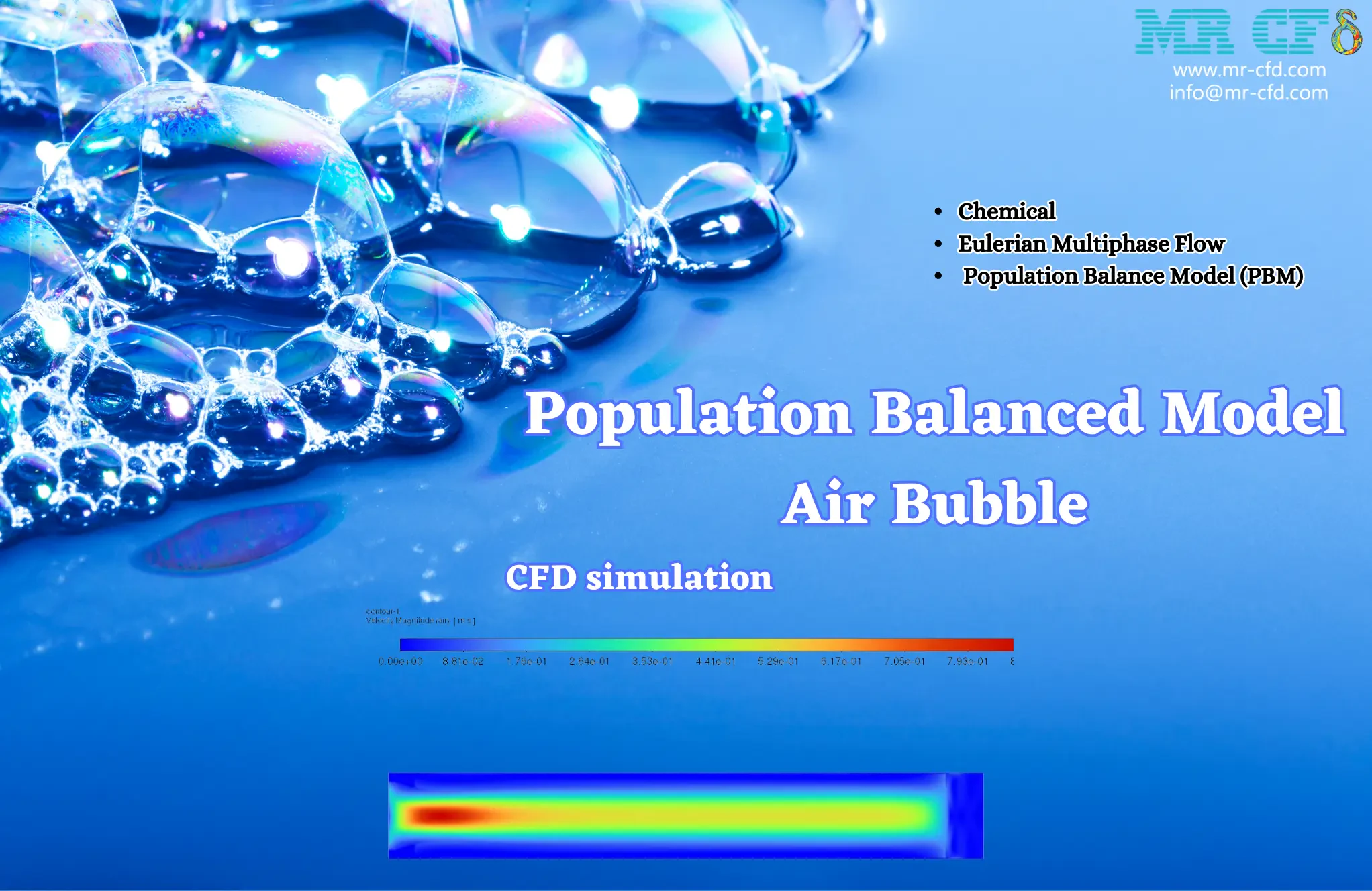
Price: $180
This project numerically simulates the Air Bubble PBM using ANSYS Fluent software. The 2-D geometry is designed in Design Modeler software. We used ANSYS Meshing Software to generate mesh; the element number equals 23,982. The multiphase Eulerian multiphase model simulates the two-phase flow of water and air. The population balance model also enables simulating bubble dynamics and interactions. Aggregation and Breakage kernels were activated, and the Luo model was used for both kernels. The mixture method for the turbulence interactions of the phases is activated.