

MR CFD’s All Courses
Here's every Course from Basic to Advanced, that can boost your skills and career.
Price: $809
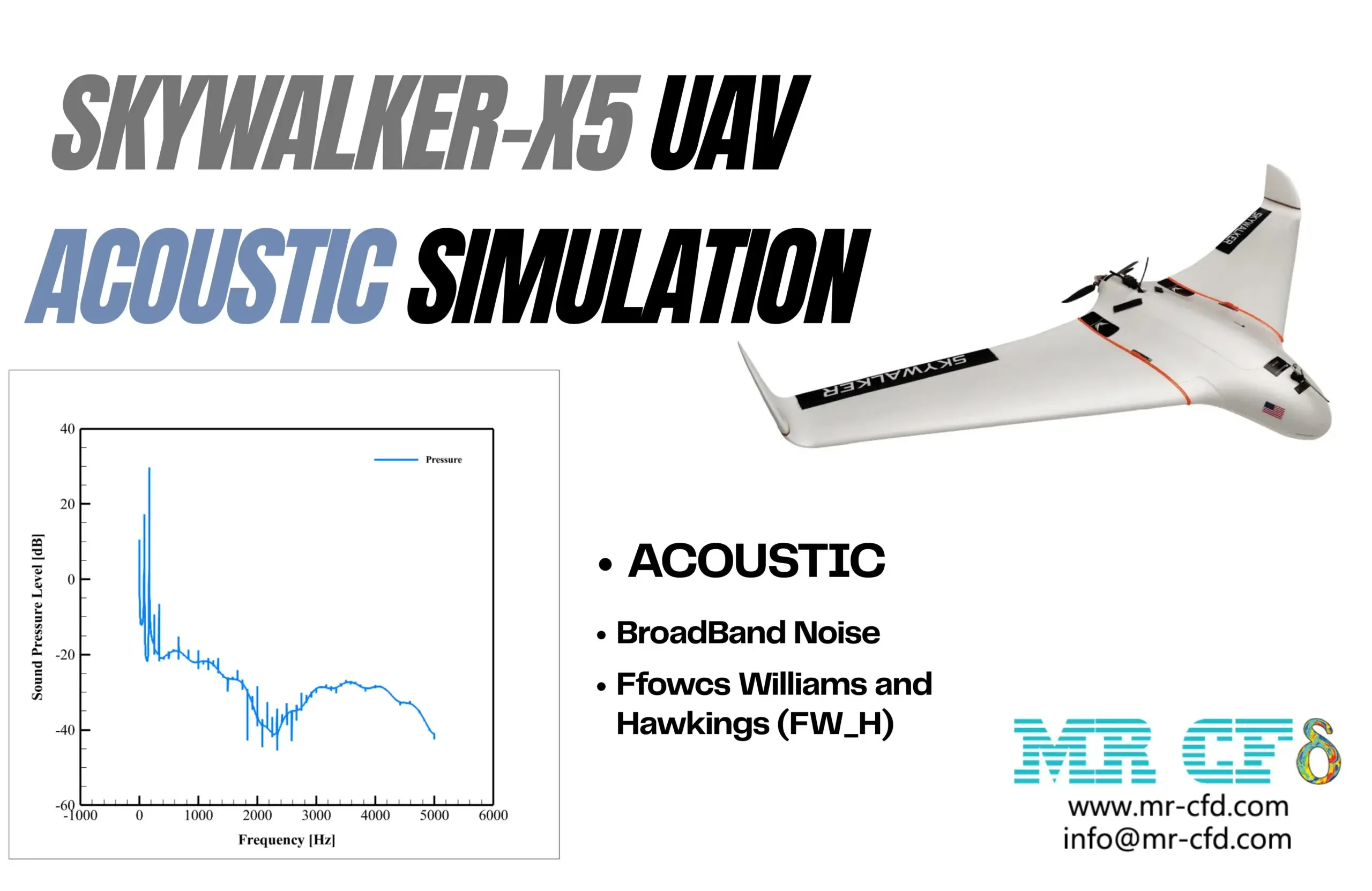
The problem numerically simulates a Skywalker-X5 UAV using ANSYS Fluent software. We design the 3-D model with the Design Modeler software. We mesh the model with ANSYS Meshing software. The element number equals 1,195,030 and their type is polyhedra. In this simulation, FW_H and BroadBand Noise are used for acoustic modeling.
Price: $809
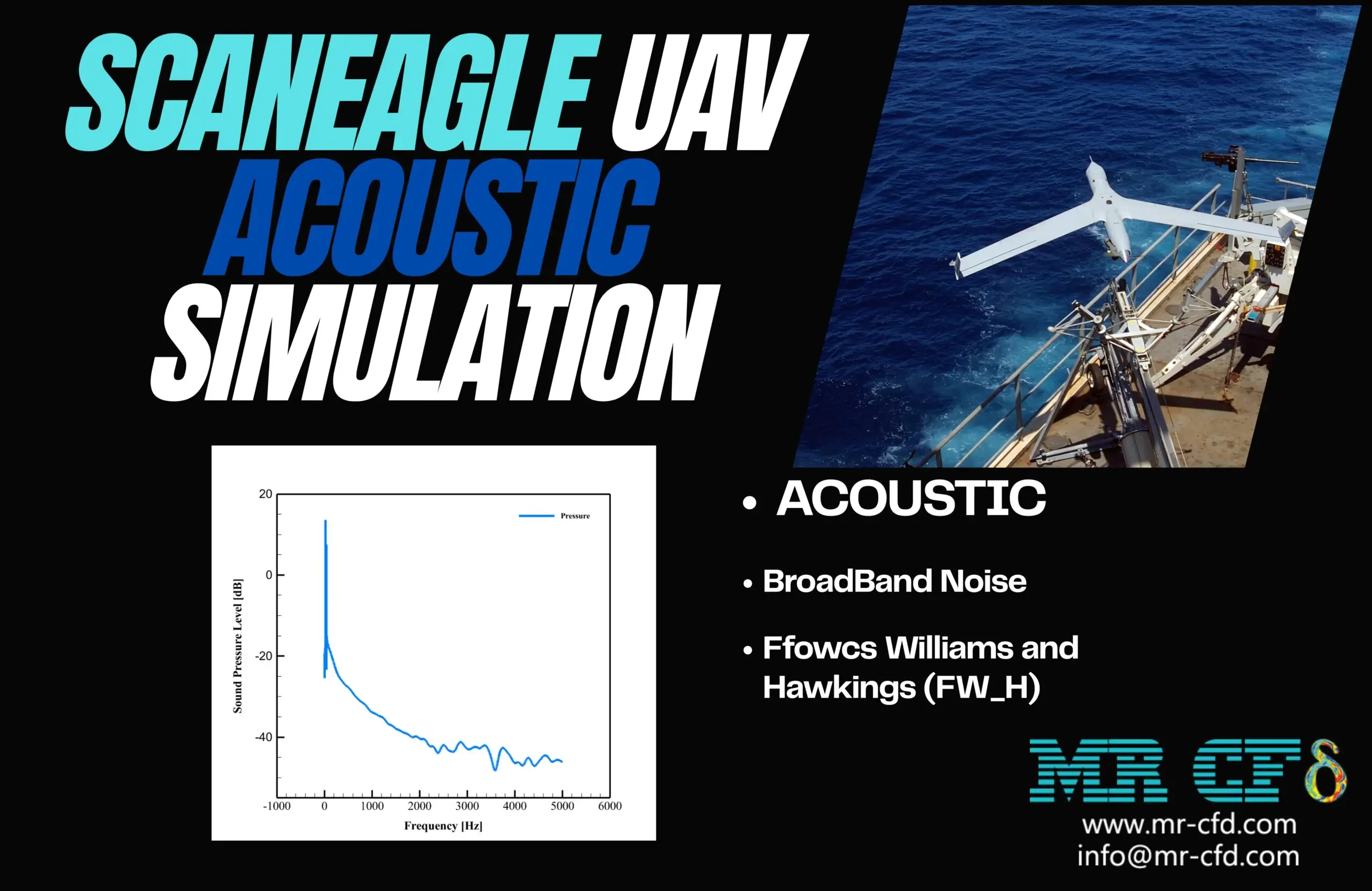
The problem numerically simulates a ScanEagle UAV using ANSYS Fluent software. We design the 3-D model with the Design Modeler software. We mesh the model with ANSYS Meshing software. The element number equals 3,213,450 and their type is polyhedra. In this simulation, FW_H and BroadBand Noise are used for acoustic modeling.
Price: $809
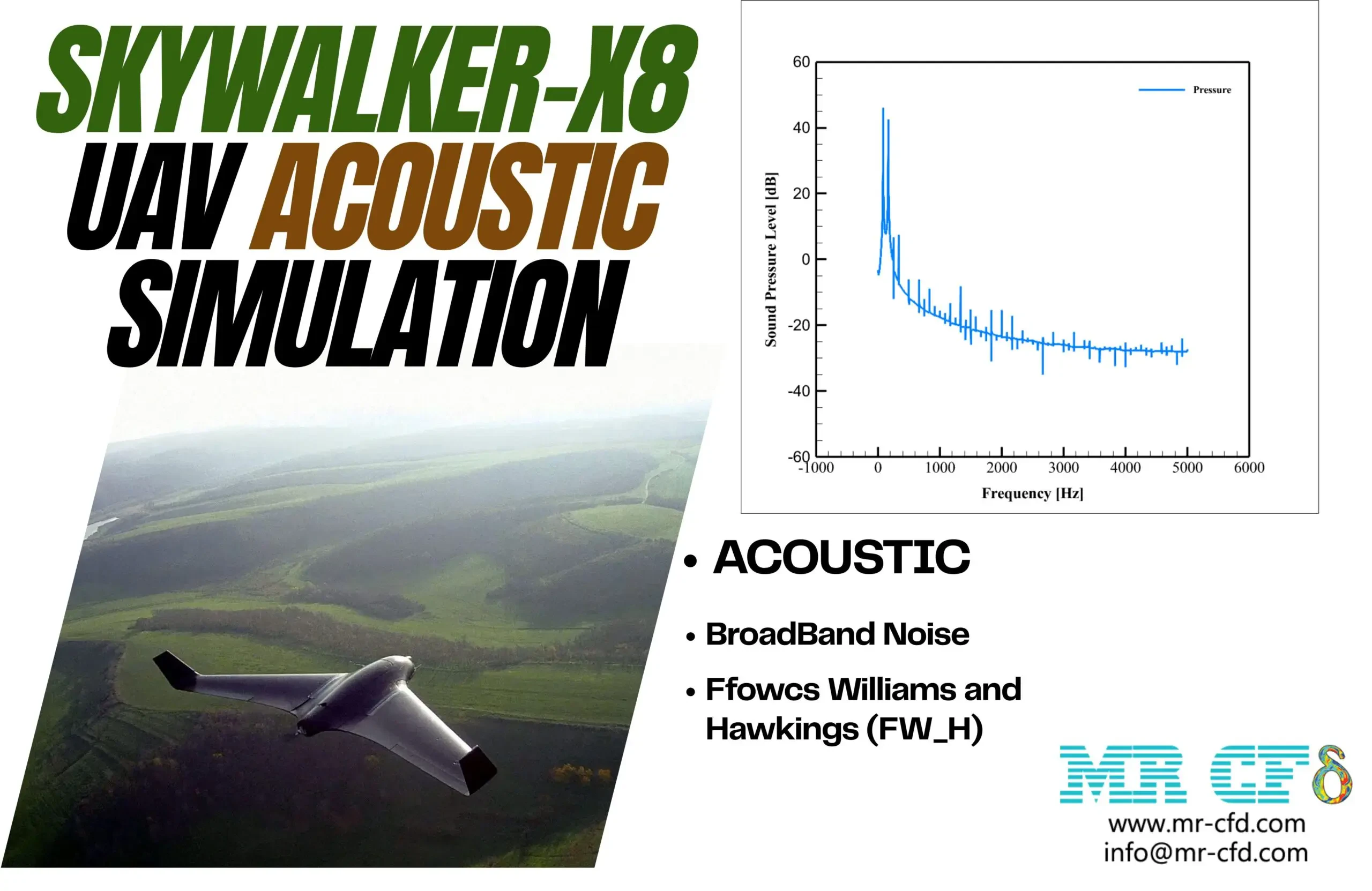
The problem numerically simulates a Skywalker-X8 UAV using ANSYS Fluent software. We design the 3-D model with the Design Modeler software. We mesh the model with Fluent Meshing software. The element number equals 928,595 and their type is polyhedra. In this simulation, FW_H and BroadBand Noise are used for acoustic modeling.
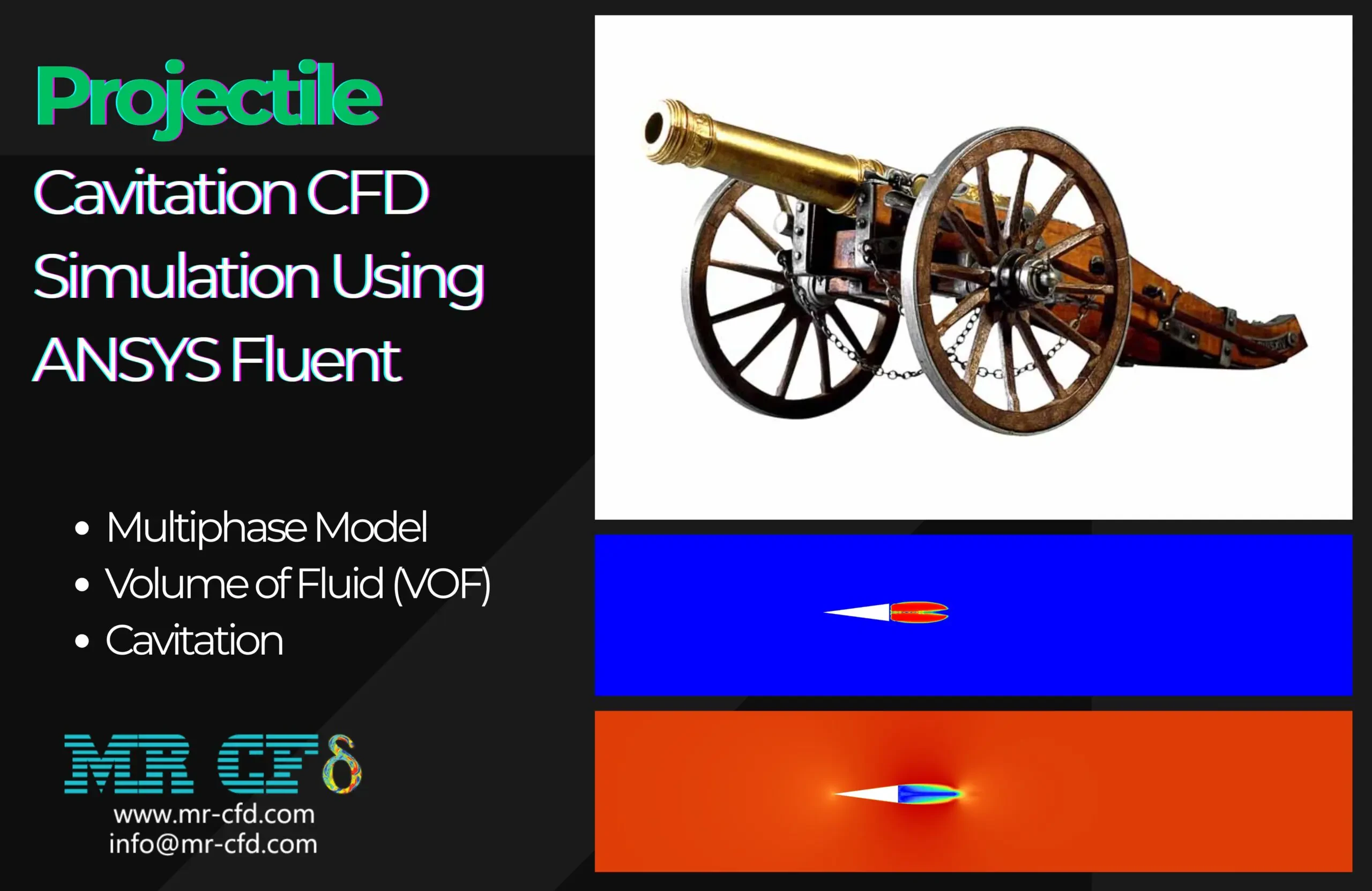
Projectile Cavitation (2D) CFD Simulation Using ANSYS Fluent
Intermediate, Advanced
Price: $120
A 2D symmetric geometry with a structured mesh of 310,000 cells was created, refined near the projectile walls for accuracy. This project investigates the cavitation phenomenon caused by a projectile moving through water using ANSYS Fluent. A transient, pressure-based solver with the Volume of Fluid (VOF) model captures the phase interaction between liquid and vapor. The simulation analyzes velocity, pressure, and vapor volume fraction around the projectile.
Price: $360
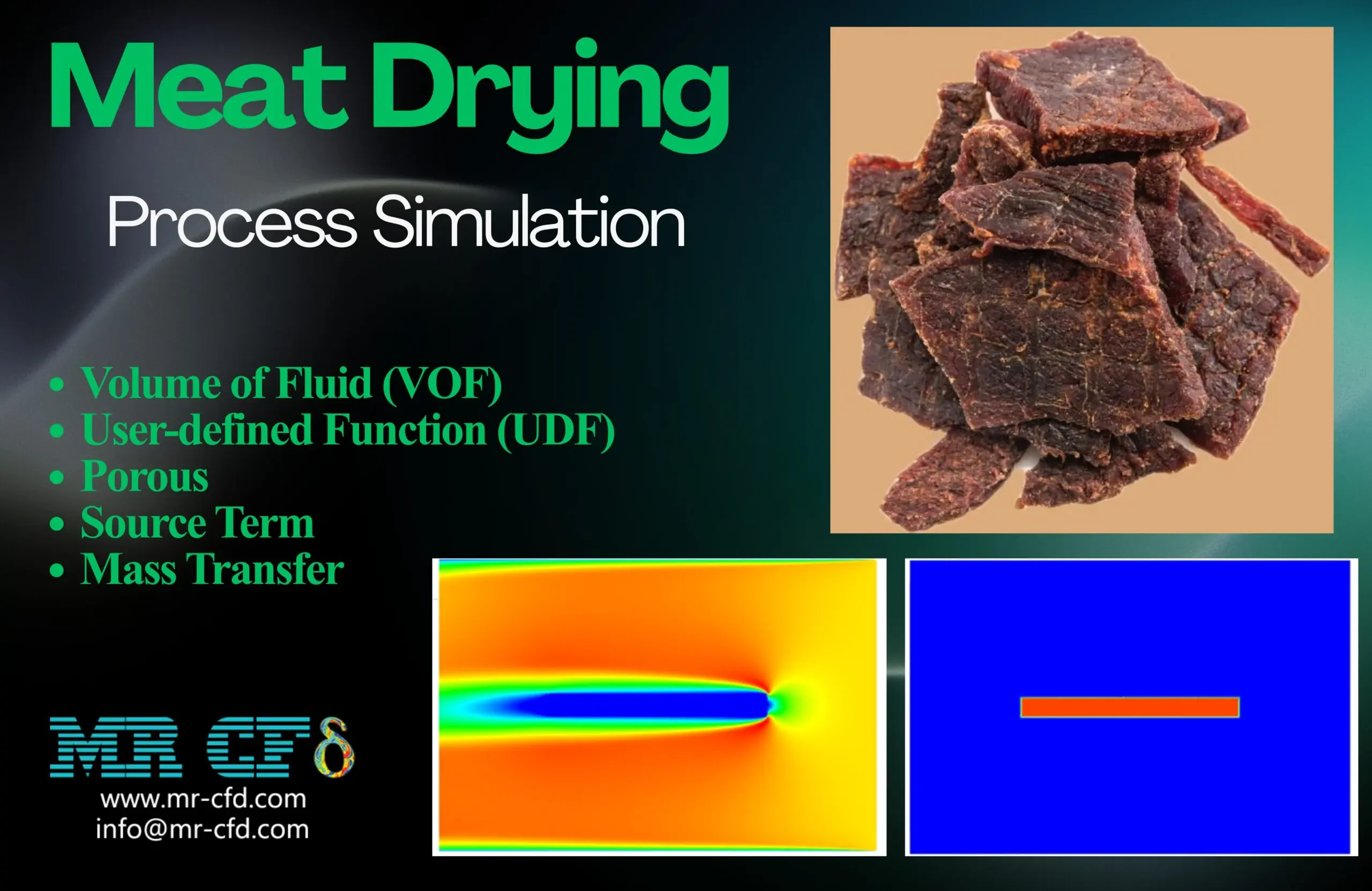
The geometry represents the meat sample and surrounding air domain, discretized with a structured mesh of 58,800 elements to accurately capture heat and mass transfer gradients. The meat drying process was simulated using CFD to analyze heat and mass transfer during drying. The VOF model was applied to capture multiphase interactions between liquid water and vapor. The meat was modeled as a porous medium to represent internal moisture transport. Infrared heating and air convection were used as drying mechanisms under two operating cases. Results showed that higher heat flux and temperature enhanced drying efficiency and reduced moisture content.
Price: $60
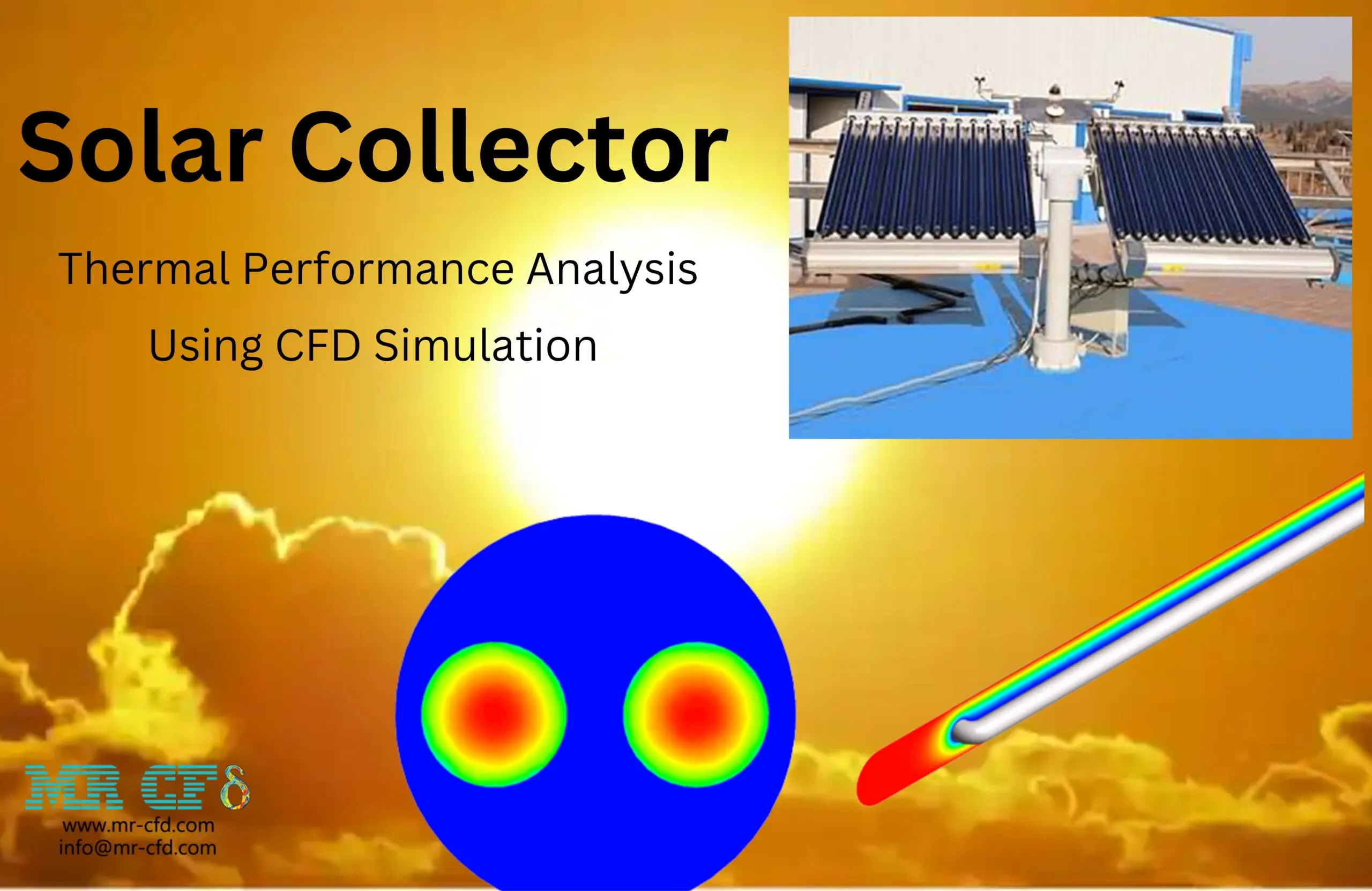
This project presents a CFD simulation of a solar collector designed to analyze heat transfer and fluid flow inside a U-shaped tube. The system uses water as the working fluid under steady-state conditions. The outer wall is maintained at a constant high temperature to simulate solar heating. Results show an effective temperature rise, confirming efficient thermal performance of the collector.
Price: $689
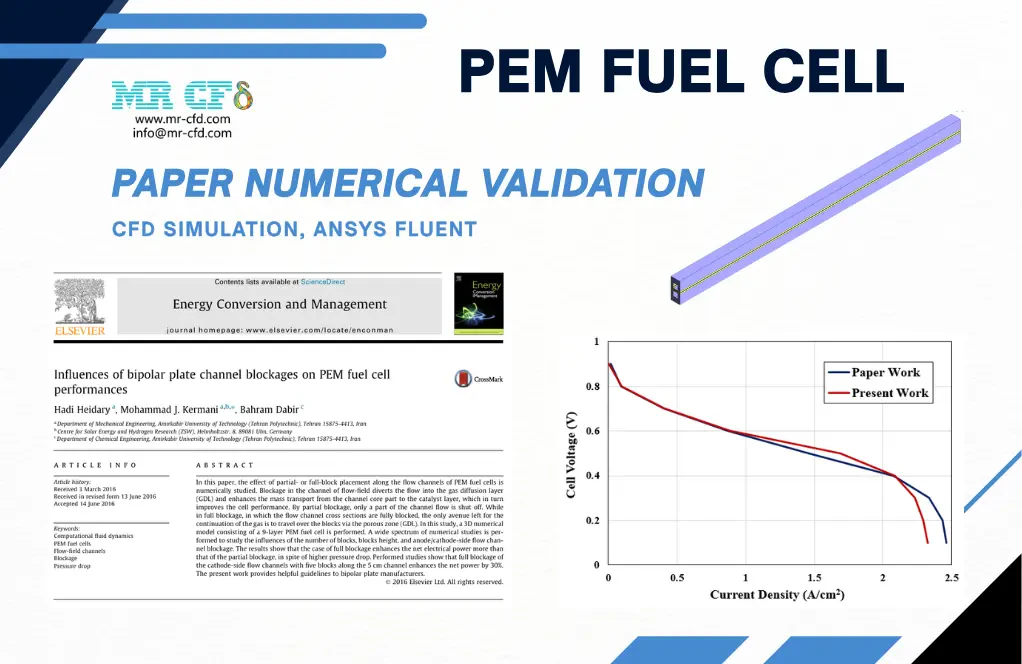
This project numerically simulates the PEM Fuel Cell using ANSYS Fluent software. We design the 3-D model with the Design Modeler software. We mesh the model with ANSYS Meshing software to generate a Structured mesh. We use the Fuel Cell and Electrolysis Model to define a fuel cell. We used the PEMFC sub-model to define a proton-exchange membrane fuel cell. We used the Species model to define H2, O2, and H2O. The present CFD work is Validated with a reference Article.
Price: $80
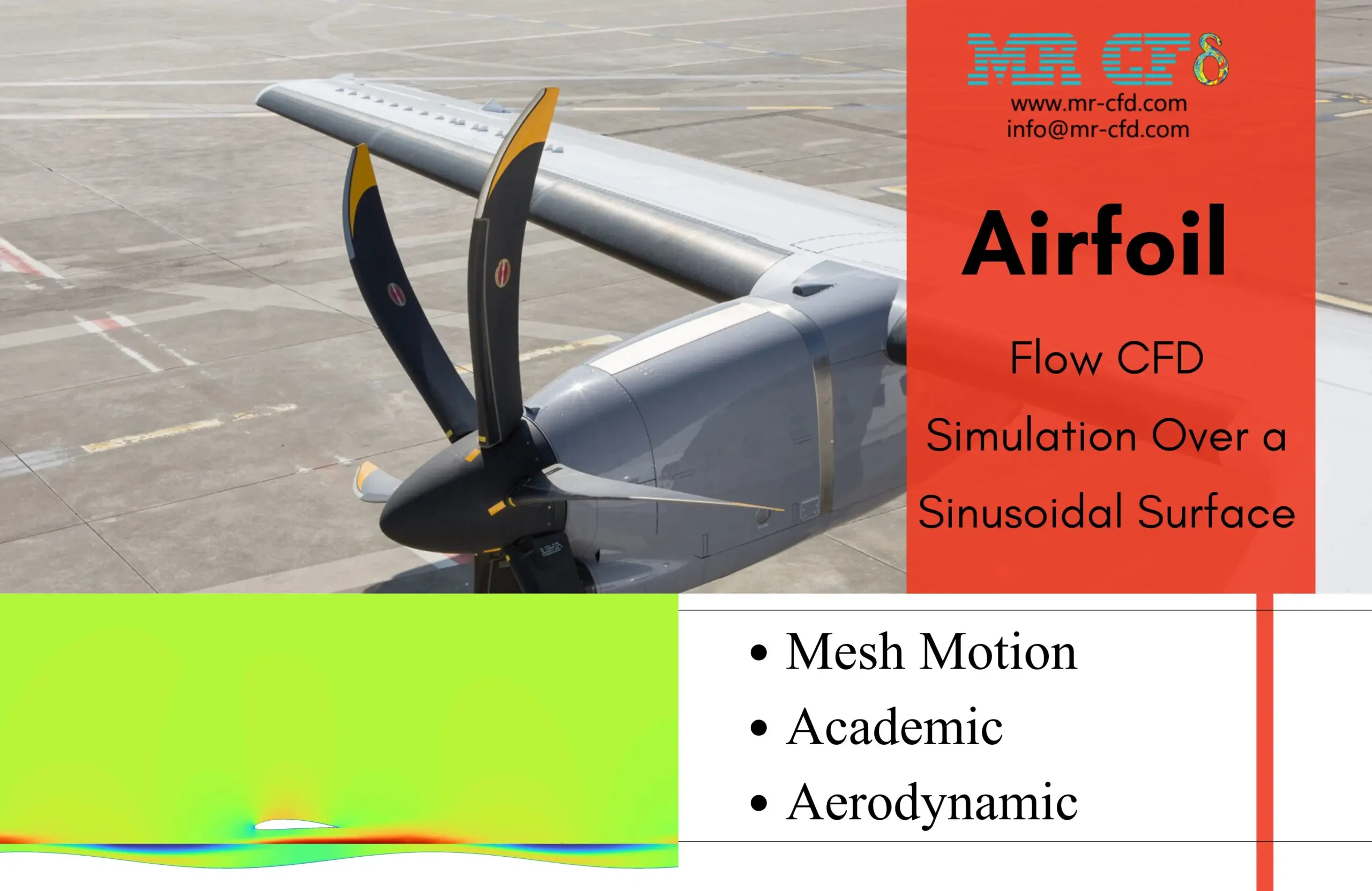
This simulation studies airflow around an airfoil placed above a sinusoidal wall using mesh motion in ANSYS Fluent to analyze aerodynamic effects. The 2D model includes an airfoil over a wavy bottom surface, divided into stationary and moving zones, with a structured refined mesh near the airfoil and wall. A transient pressure-based solver with the k–ω SST turbulence model was applied using a 55 m/s inlet velocity and mesh motion of 56 m/s for the moving zone. Velocity contours show accelerated flow over the airfoil’s upper surface, while pressure contours indicate low pressure above and high pressure below, confirming lift generation influenced by the wavy boundary.
Price: $270
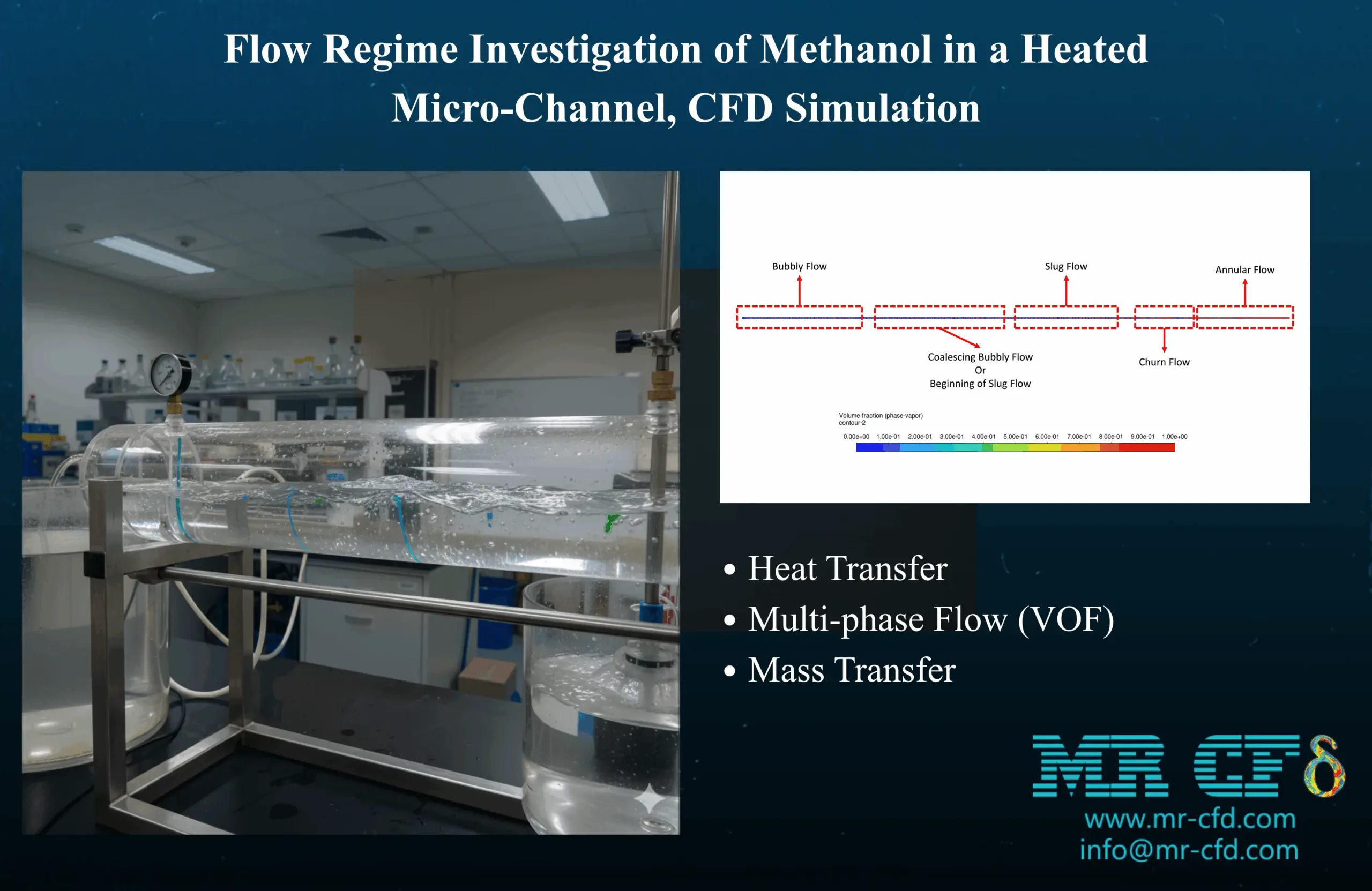
This report presents a simulation that investigates the two-phase flow boiling of methanol in a heated horizontal micro-channel. The development and transition of different flow regimes (bubbly, slug, churn, and annular) along the channel were analyzed. The 2D geometry of the micro-channel was created using ANSYS SpaceClaim software. A high-quality structured mesh was generated using ANSYS Meshing software. Appropriate multiphase model settings and boundary conditions were applied to correctly simulate the evaporation process and the resulting flow patterns.