

MR CFD’s All Courses
Here's every Course from Basic to Advanced, that can boost your skills and career.
Heat Pipe Evaporation and Condensation CFD Simulation Using ANSYS Fluent
Intermediate, Advanced
Price: $24
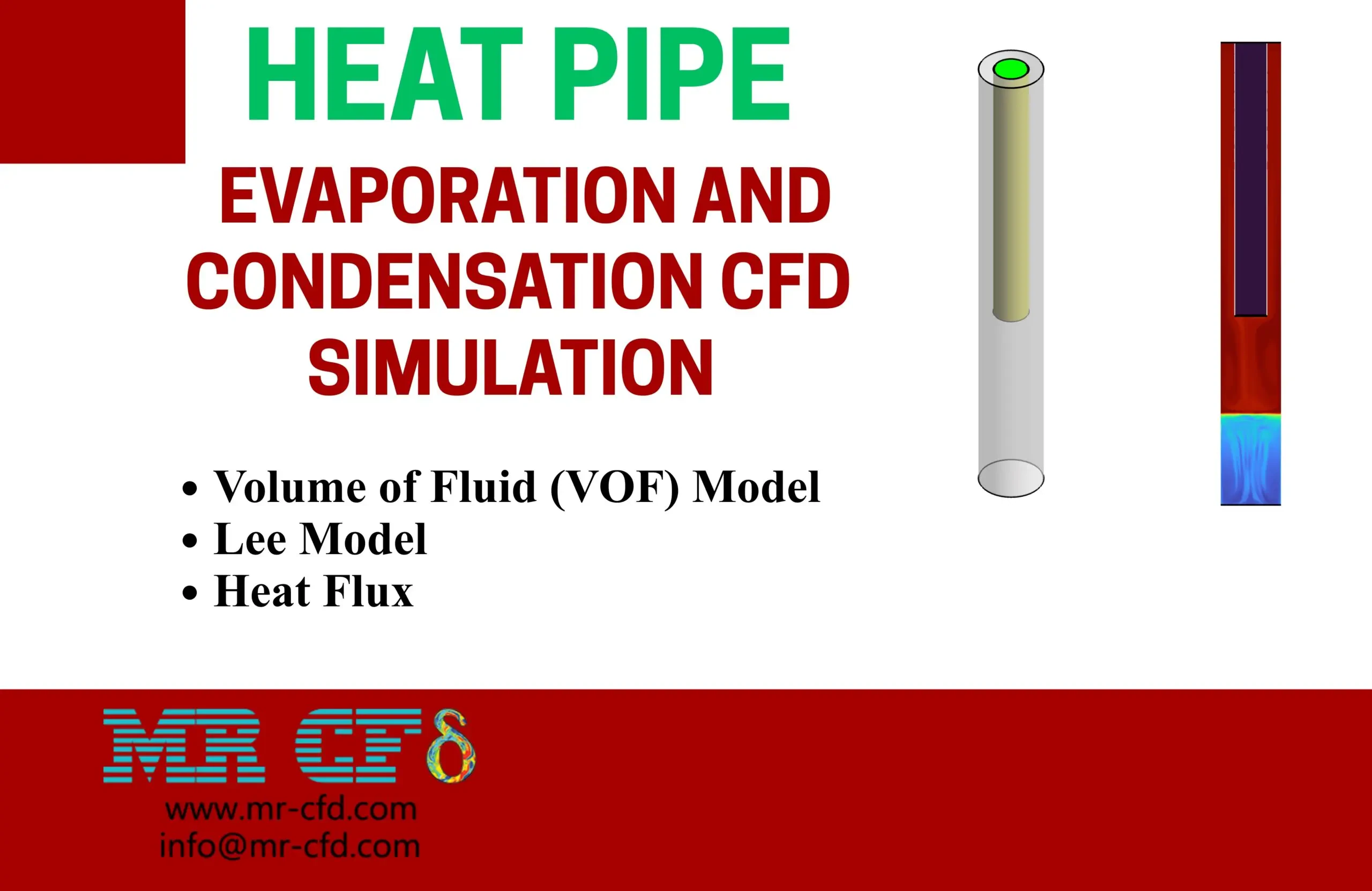
This transient 3D simulation models evaporation and condensation of water in a thermosyphon heat pipe using the VOF and k‑ε models. The domain, meshed with 3,900,000 elements, includes heated and cooled sections defined by heat‑flux and temperature boundaries. At t = 1.655 s, liquid accumulates in the evaporator, vapor rises to the condenser, and condensation occurs at cooler surfaces. Contours of mass transfer, liquid fraction, temperature, and velocity confirm stable phase circulation and efficient heat transport.
Price: $819
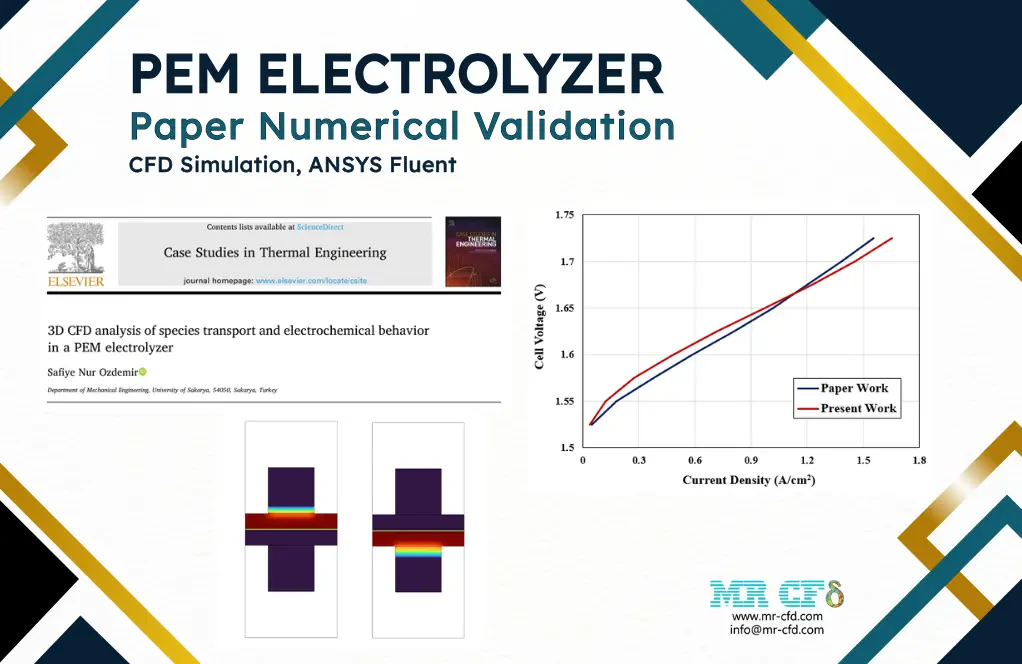
This project numerically simulates the PEM Fuel Cell using ANSYS Fluent software. We design the 3-D model with the Design Modeler software. We mesh the model with ANSYS Meshing software to generate a Structured mesh. We used the Potential/Electrochemistry model to define the potential equations. We used the Electrolysis sub-model and PEM Electrolysis type to define the electrolysis process. We used the Species model to define H2, O2, and H2O. We used the Mixture Multiphase model to define water and species phases. The present CFD work is Validated with a reference Article.
Acoustic and Aerodynamic Investigation of a Fan Using the MRF Technique in ANSYS Fluent
Intermediate
Price: $28
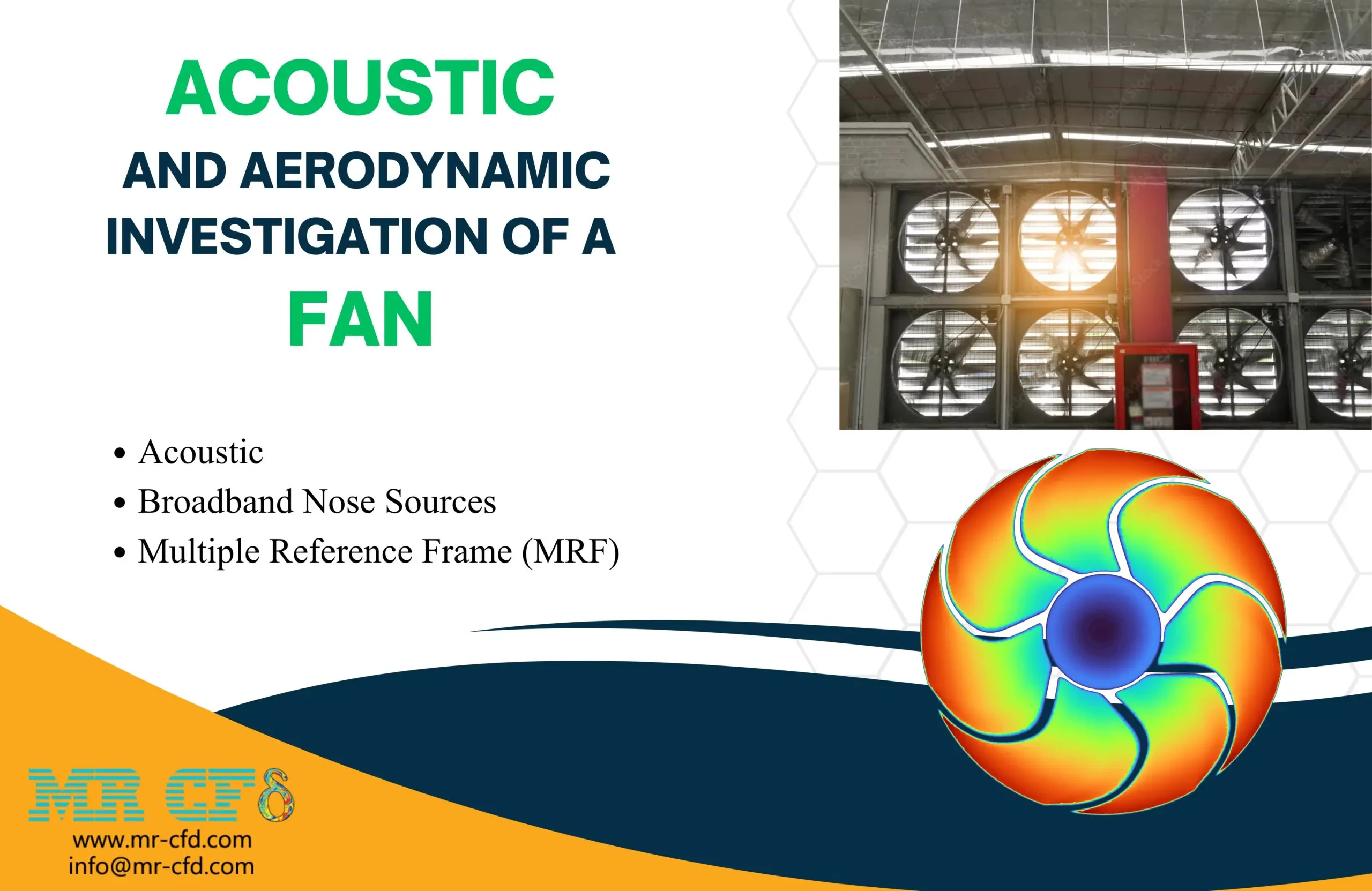
The fan geometry, consisting of six blades and three zones, was created in DesignModeler and meshed with an unstructured tetrahedral grid of about 3 million elements. Broadband noise sources were applied in ANSYS Fluent to evaluate the acoustic performance and sound power level distribution. The Multiple Reference Frame (MRF) approach was used to model the rotating zone at 3000 RPM under steady-state conditions. Results show high-pressure and velocity regions near the blade tips, leading to stronger acoustic power levels along the fan casing.
Distal-End Side-to-Side and End-to-Side Anastomoses for Coronary Artery Bypass Grafting in a Pulsatile Flow: Paper Validation
Intermediate, Advanced
Price: $36
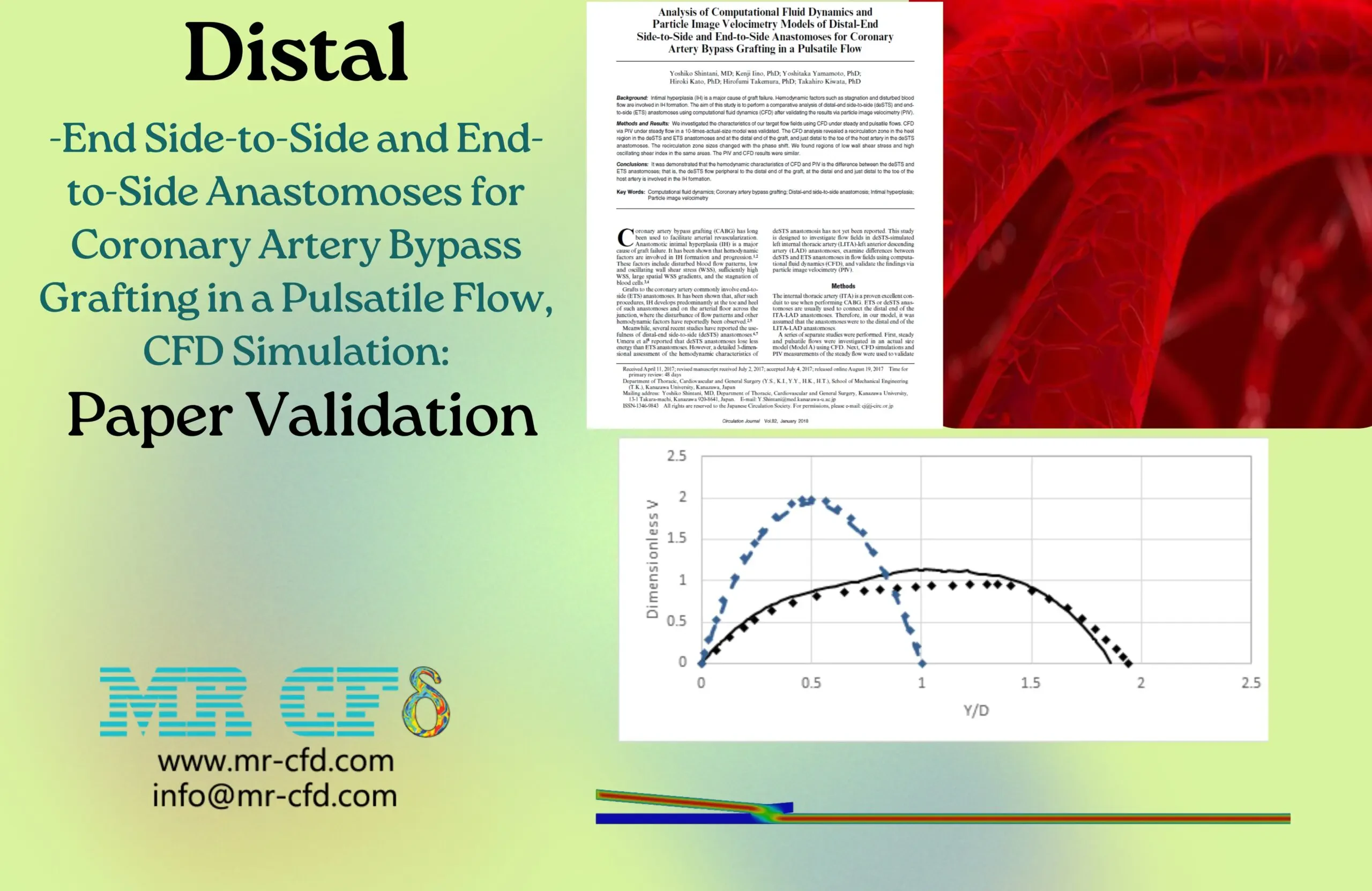
This project presents a CFD study based on the article “Analysis of Computational Fluid Dynamics and Particle Image Velocimetry Models of Distal-End Side-to-Side and End-to-Side Anastomoses for Coronary Artery Bypass Grafting in a Pulsatile Flow.” The objective is to reproduce and validate the hemodynamic behavior of distal-end side-to-side (deSTS) and end-to-side (ETS) anastomoses. All simulations were carried out in ANSYS Fluent using steady, laminar, and incompressible flow assumptions. The results include comparisons of velocity profiles and wall shear stress (WSS) to ensure accuracy with the reference study.
Price: $100
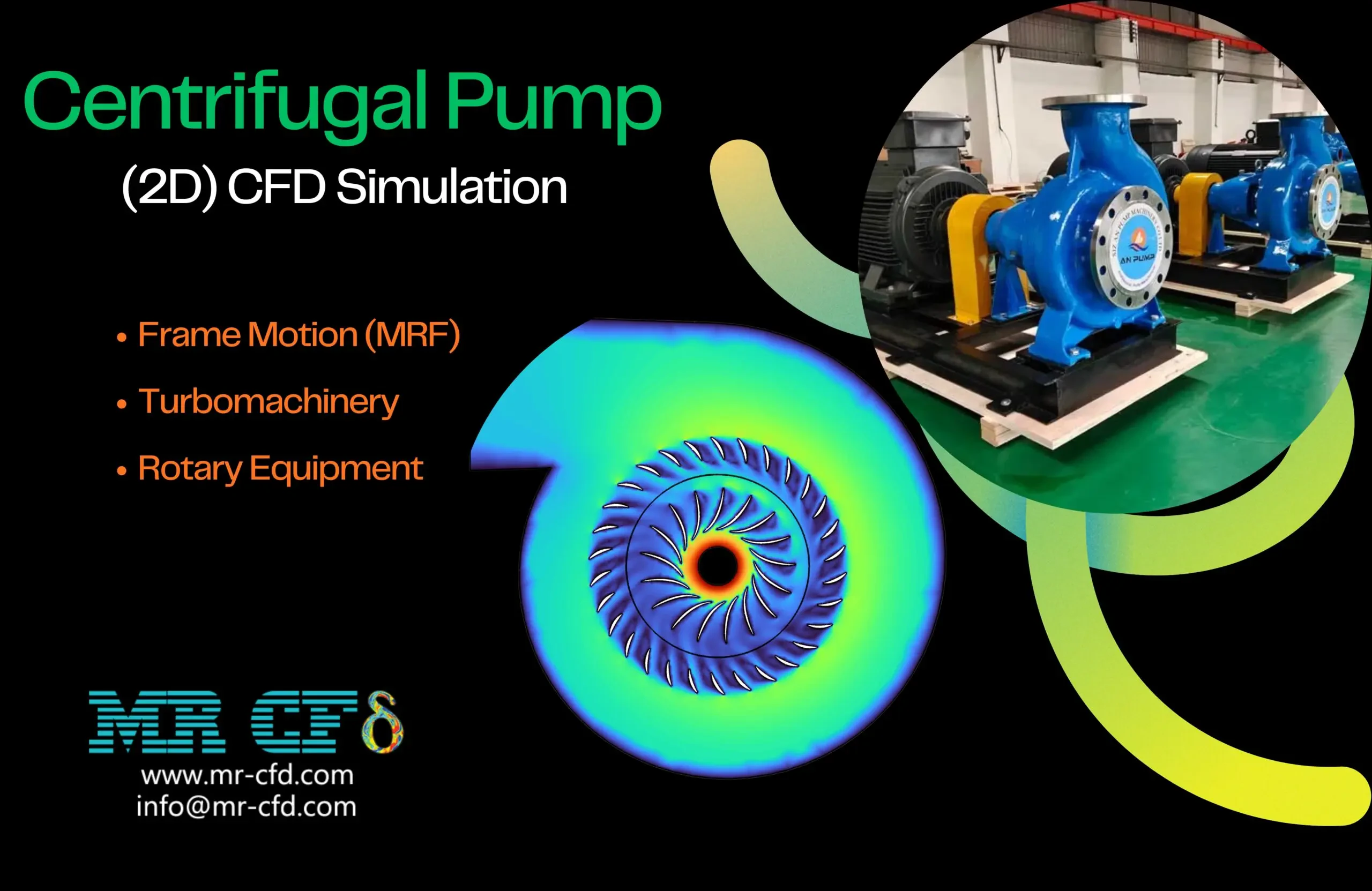
The centrifugal pump was modeled in ANSYS with two zones: the stationary casing and the rotating impeller. A triangular mesh with 17,536 cells was generated to discretize the geometry. The impeller was simulated using the Moving Reference Frame (MRF) approach with a rotation speed of 1500 RPM.

Optimization, DOE: CFD Simulation Masterclass
Beginner, Intermediate, Advanced
Price: $299
Master optimization process with our “Optimization (DOE and RSM): All Levels” CFD course using ANSYS Fluent. From basics to advanced, learn to perform Optimization procedures with different types of Design of Experiments (DOEs) and various Response Surface methodologies (RSMs). This course equips you with the essential skills to optimize all construction designs in all engineering fields using CFD. Ideal for beginners and experts alike, enhance your capabilities in design optimization for cutting-edge research and industrial applications.
Price: $20
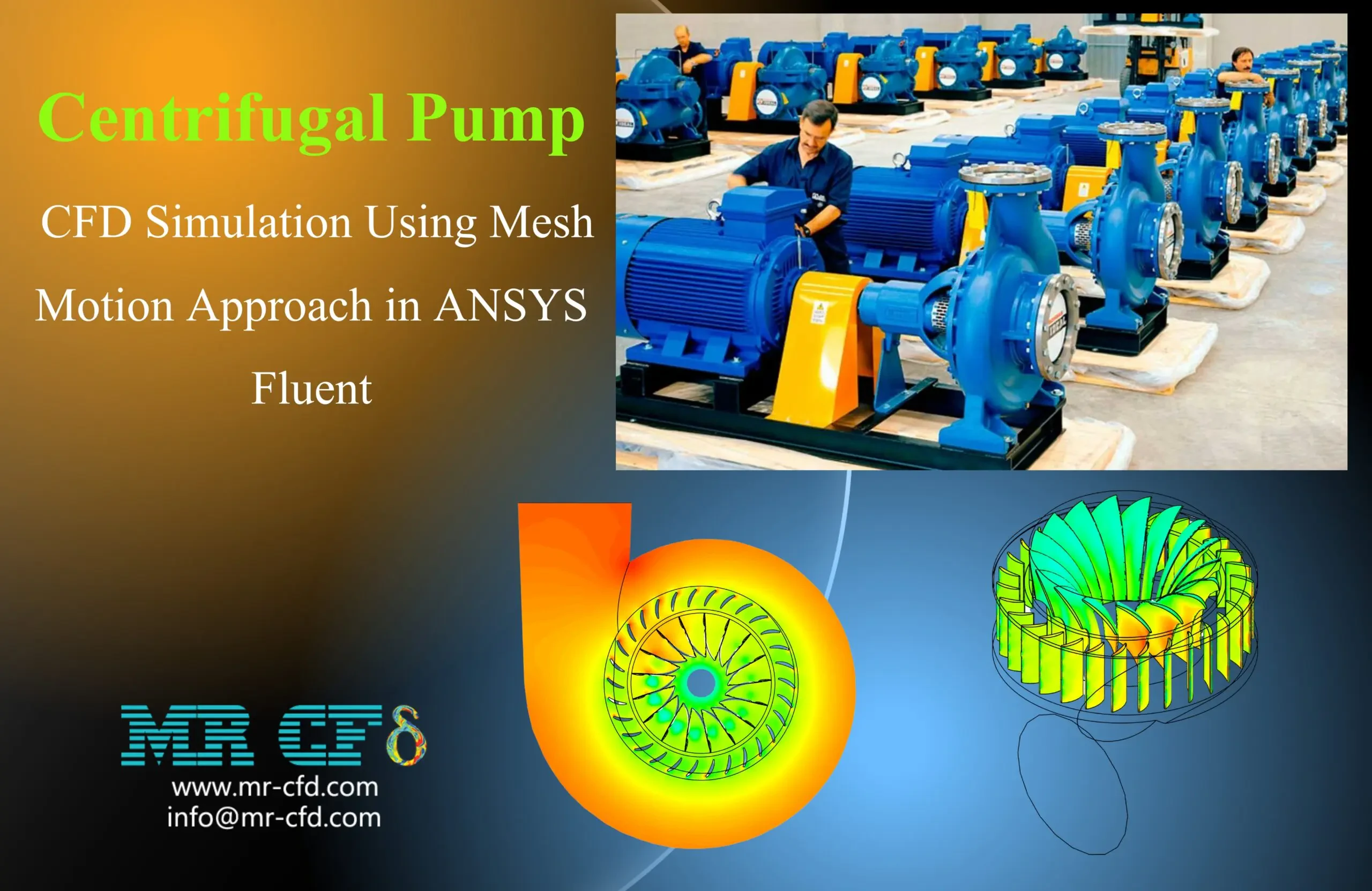
This project presents a CFD simulation of a centrifugal pump performed in ANSYS Fluent using the mesh motion approach. The geometry was modeled in SpaceClaim/DesignModeler and discretized into a high-quality tetrahedral mesh (About 2M elements). A pressure-based transient solver with the k–ω SST turbulence model was applied, with water as the working fluid. Results show a clear pressure rise from impeller inlet to outlet, confirming efficient energy transfer by the pump.
Slug Flow CFD Simulation and Fluid–Structure Interaction Analysis in a Bent Pipe
Intermediate, Advanced
Price: $210
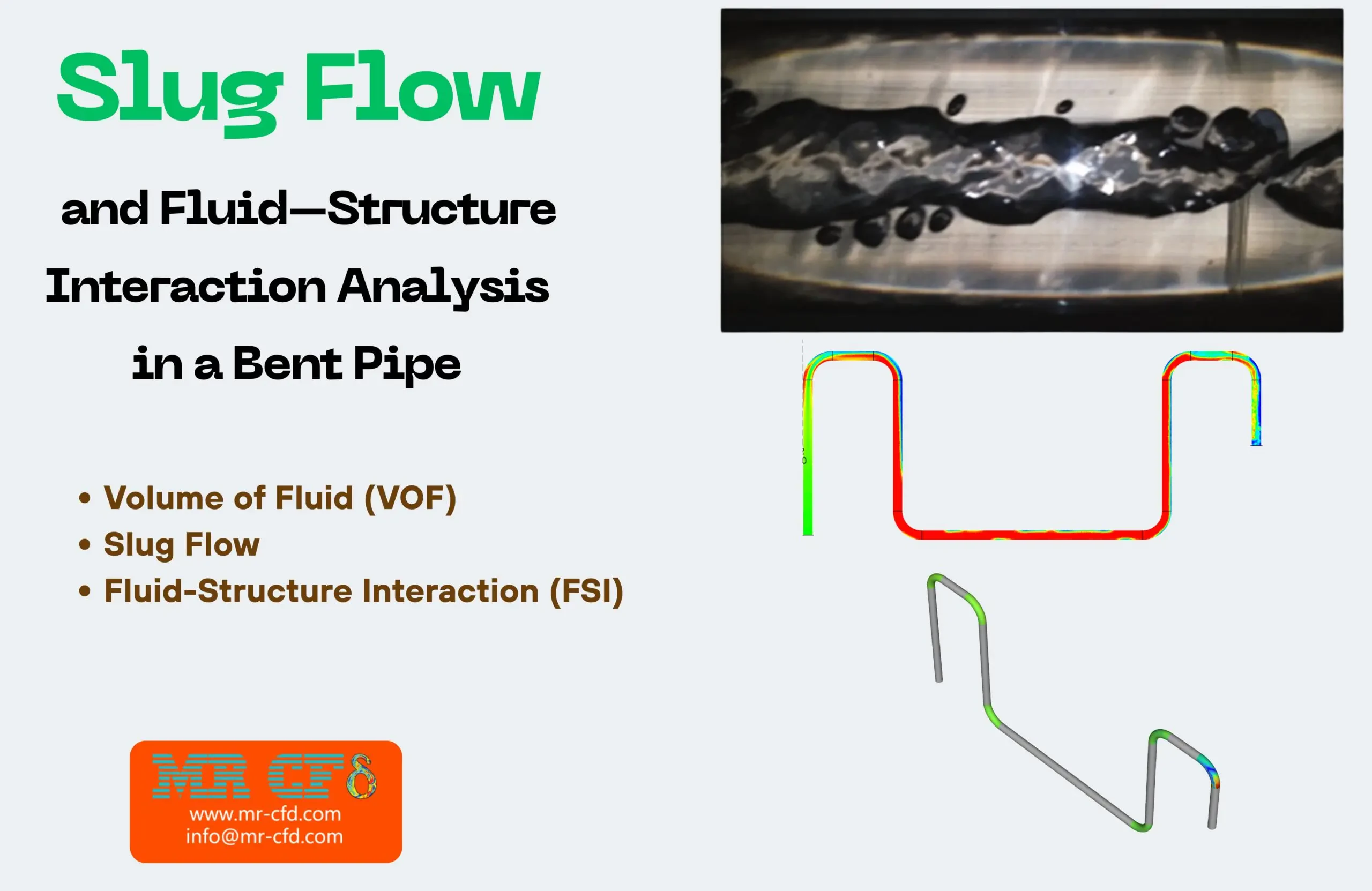
This project simulates slug flow of gas–liquid mixture in a bent pipe using ANSYS. The VOF multiphase model is applied to capture slug formation, phase separation, and velocity distribution. Results show strong gas redistribution and velocity rise up to 48 m/s in pipe bends. The structural response is negligible, with displacements around 10⁻¹⁴ m near curved sections.
Price: $16
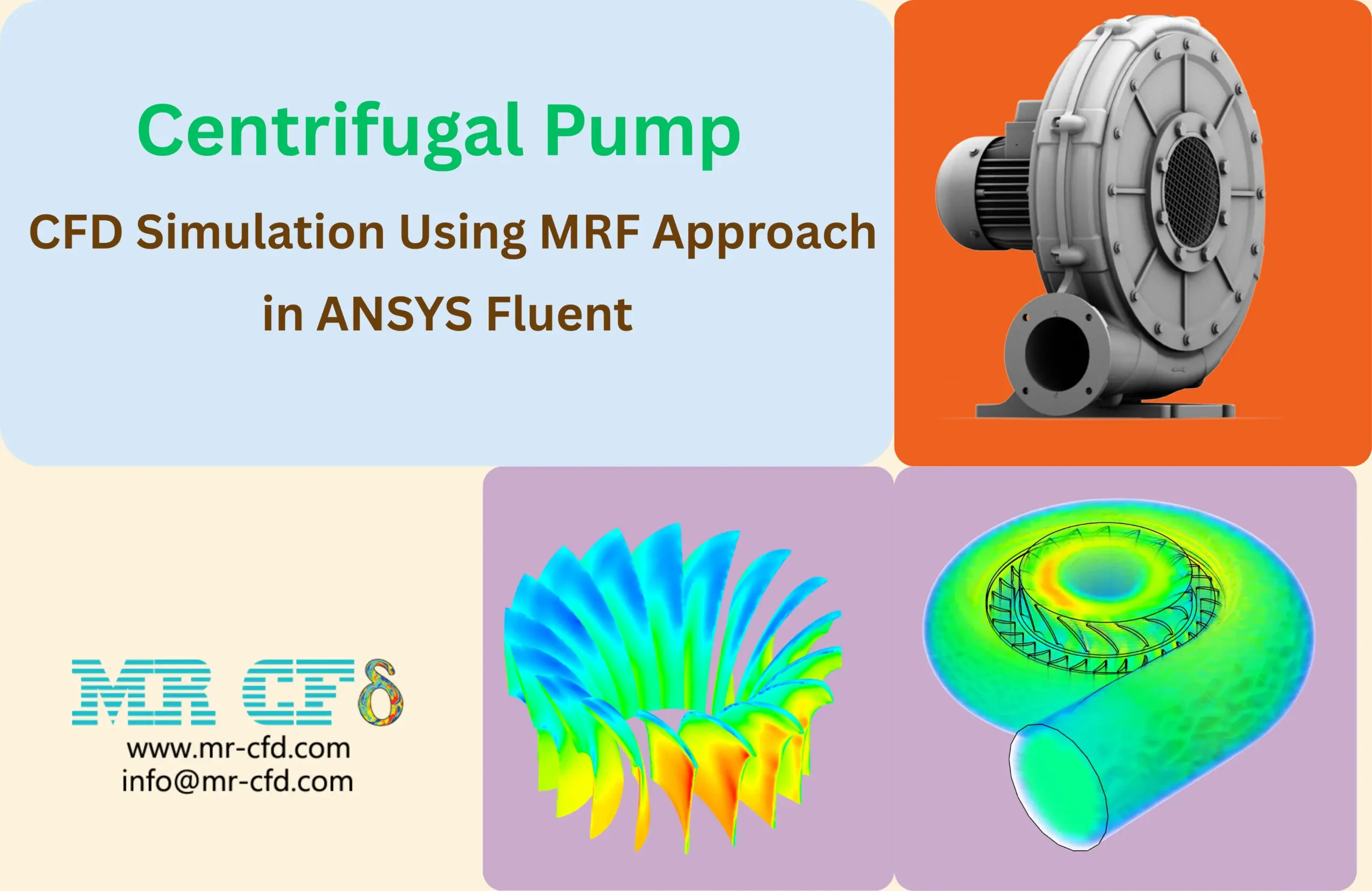
This project presents a CFD analysis of a centrifugal pump using ANSYS Fluent. The 3D geometry was modeled in SpaceClaim and meshed with about 2 million tetrahedral elements. The simulation used a steady pressure-based solver with the k-ω SST turbulence model and MRF for rotation at 1500 RPM. Results show a clear velocity increase up to ~300 m/s and a significant pressure rise across the impeller and volute.