

MR CFD’s All Courses
Here's every Course from Basic to Advanced, that can boost your skills and career.
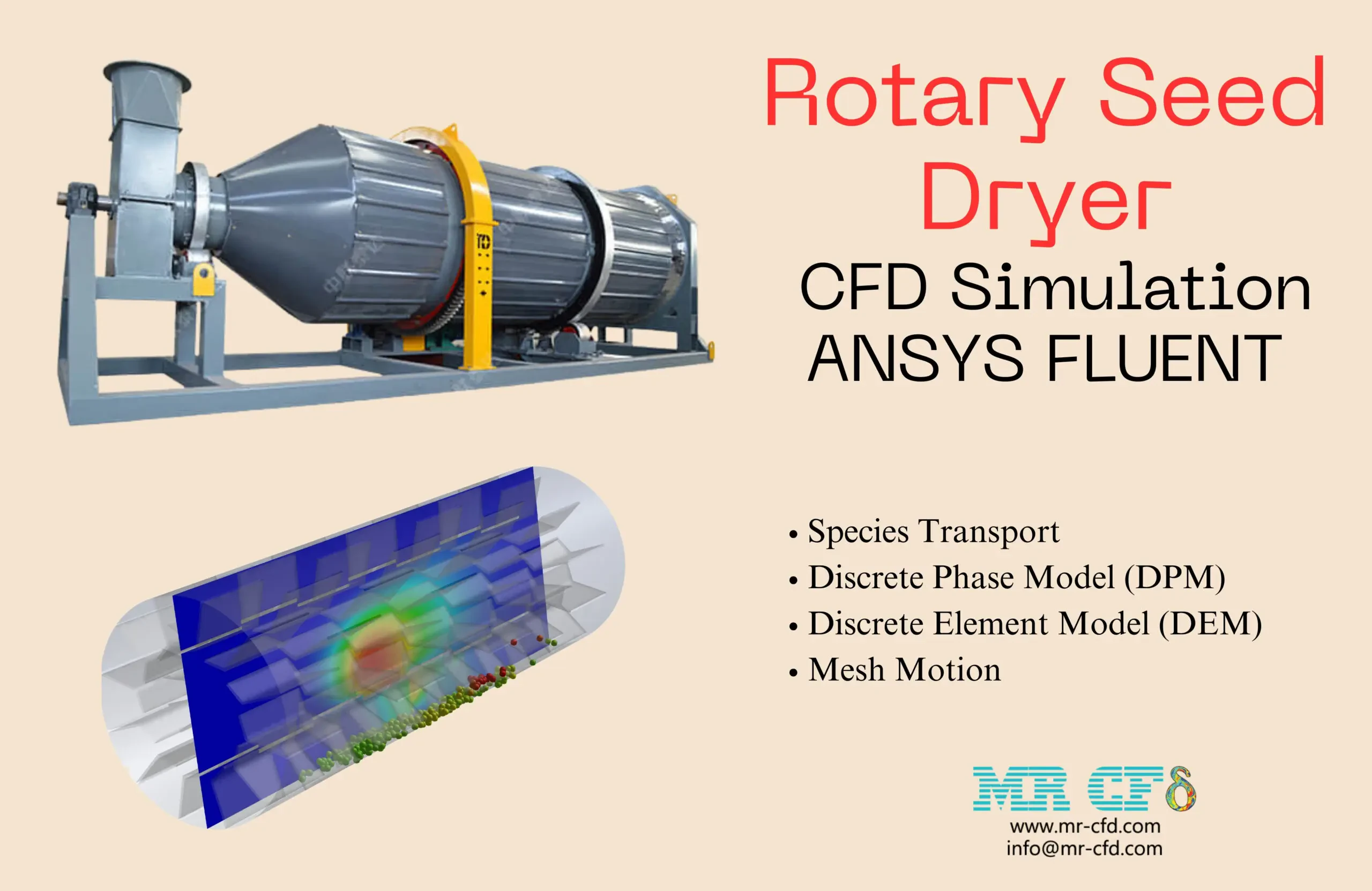
Rotary Seed Dryer CFD Simulation, Using DPM and Moving Mesh, by ANSYS FLUENT
Intermediate, Advanced
Price: $220
This work presents a CFD–DEM simulation of a rotary seed dryer. Hot air flows through the inclined drum at 350 K while the drum rotates at 20 RPM. Seeds are modeled with the Discrete Phase Model (DPM) coupled with evaporation into H₂O vapor. The Discrete Element Method (DEM) accounts for particle–particle and particle–wall collisions, improving realism of seed motion. Contours of H₂O mass fraction reveal zones of strong evaporation, reaching values up to 0.0026. The combined CFD–DPM–DEM approach shows how airflow, fin mixing, and collisions enhance drying efficiency.
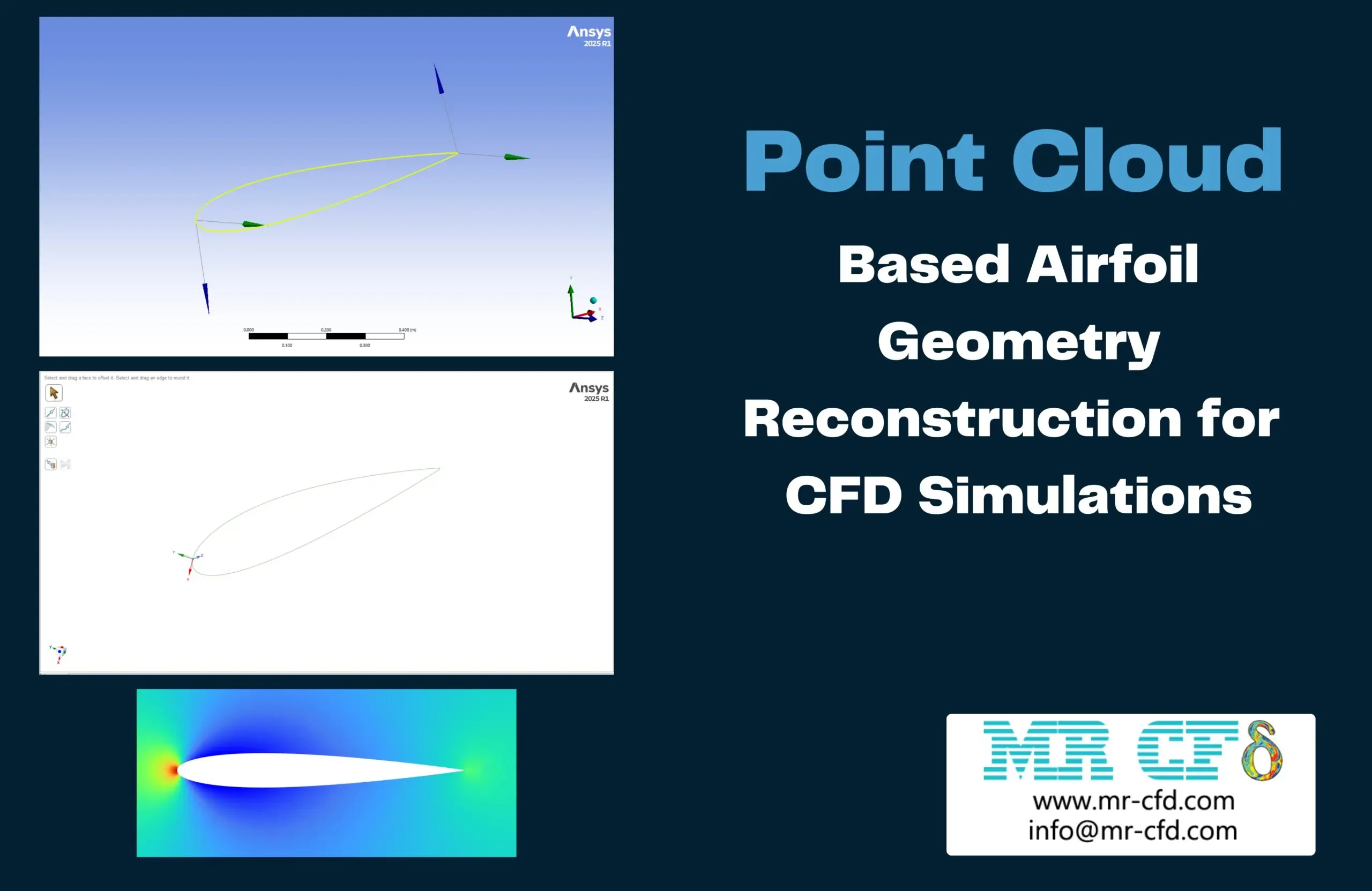
Point Cloud Based Airfoil Geometry Reconstruction for CFD Simulations
Beginner, Intermediate, Advanced
Price: Free
Point Cloud data serves as the foundation for reconstructing accurate 2D and 3D geometries. By converting raw coordinate points into smooth surfaces, simulations achieve higher precision. Point Cloud processing enhances meshing quality and avoids geometric inconsistencies. This approach ensures reliable results in CFD and other engineering analyses.
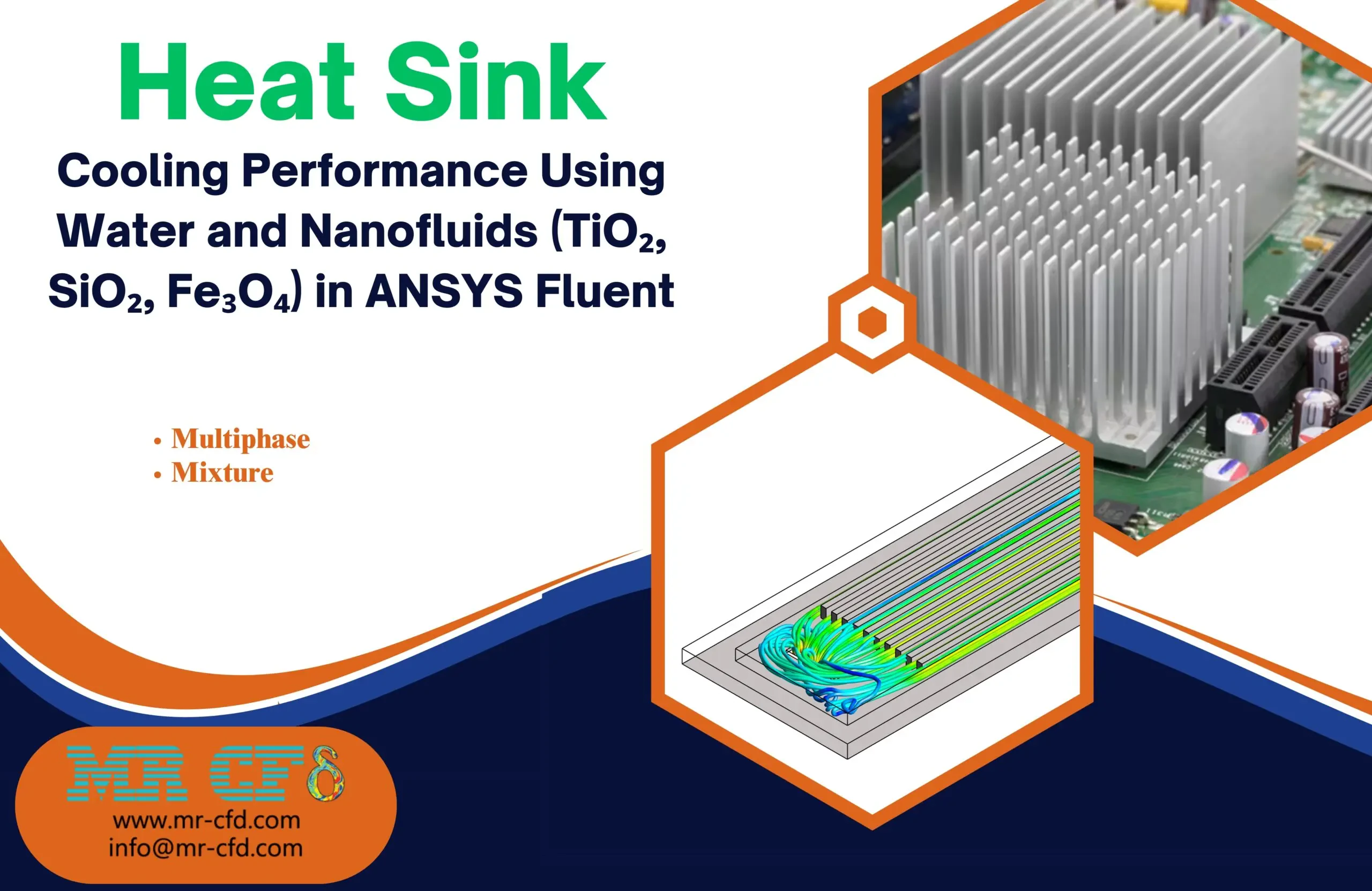
Heat Sink Cooling Performance Using Water and Nanofluids (TiO₂, SiO₂, Fe₃O₄) in ANSYS Fluent
Beginner, Intermediate
Price: $63
This project presents a numerical study of heat transfer in a heat sink using ANSYS Fluent. Four cases were simulated, including pure water (single-phase) and three nanofluids (water mixed with TiO₂, SiO₂, and Fe₃O₄) using the mixture multiphase model. The geometry was created in ANSYS DesignModeler, and a high-quality mesh of about 1.6 million elements was generated. A pressure-based, steady-state solver with the SIMPLE algorithm was applied. The results, illustrated in contour plots of velocity and temperature, show that nanofluids enhance cooling efficiency compared to pure water. Among the tested fluids, the Fe₃O₄–water mixture demonstrated the best thermal performance at the fins and base plate, highlighting its potential for advanced heat sink applications
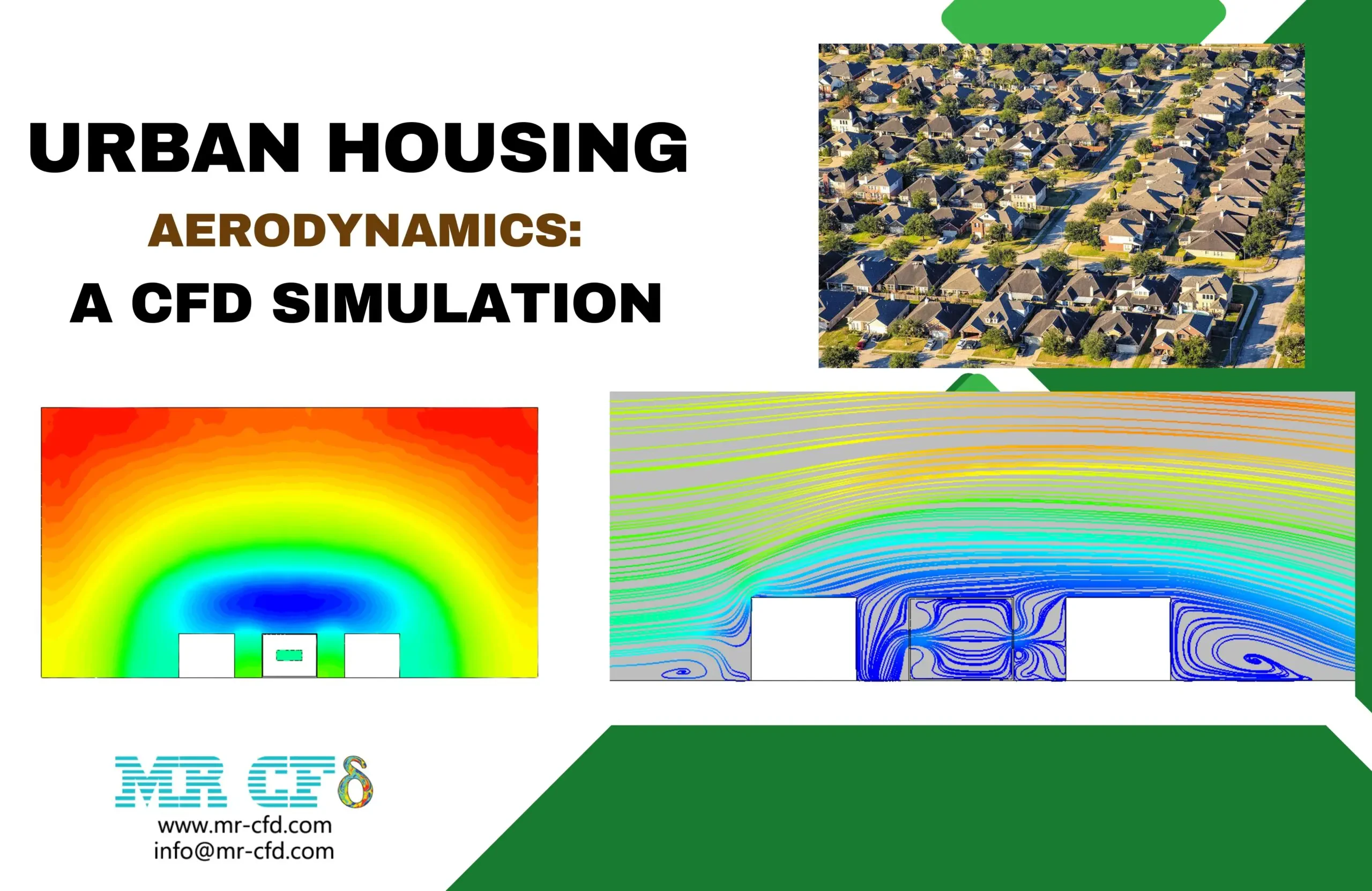
Urban Housing Aerodynamics: A CFD Simulation
Intermediate
Price: Free
In the urban housing aerodynamics project, investigates the effect of building spacing on cross-ventilation performance in an urban housing layout using Computational Fluid Dynamics (CFD). Numerical simulations were carried out in ANSYS Fluent based on a reference study comparing steady RANS, LES, and wind tunnel experiments. Three geometric cases were modeled, varying the distance between adjacent buildings (100 mm, 200 mm, and 300 mm), and meshed with high-quality tetrahedral elements. A k-ε turbulence model with a velocity inlet profile was applied to replicate realistic wind conditions. The results show that increasing the distance between buildings enhances airflow into the central house due to greater pressure differentials, leading to improved ventilation efficiency.
Oscillating Multiphase Flow with Dynamic Mesh
Intermediate, Advanced
Price: $270
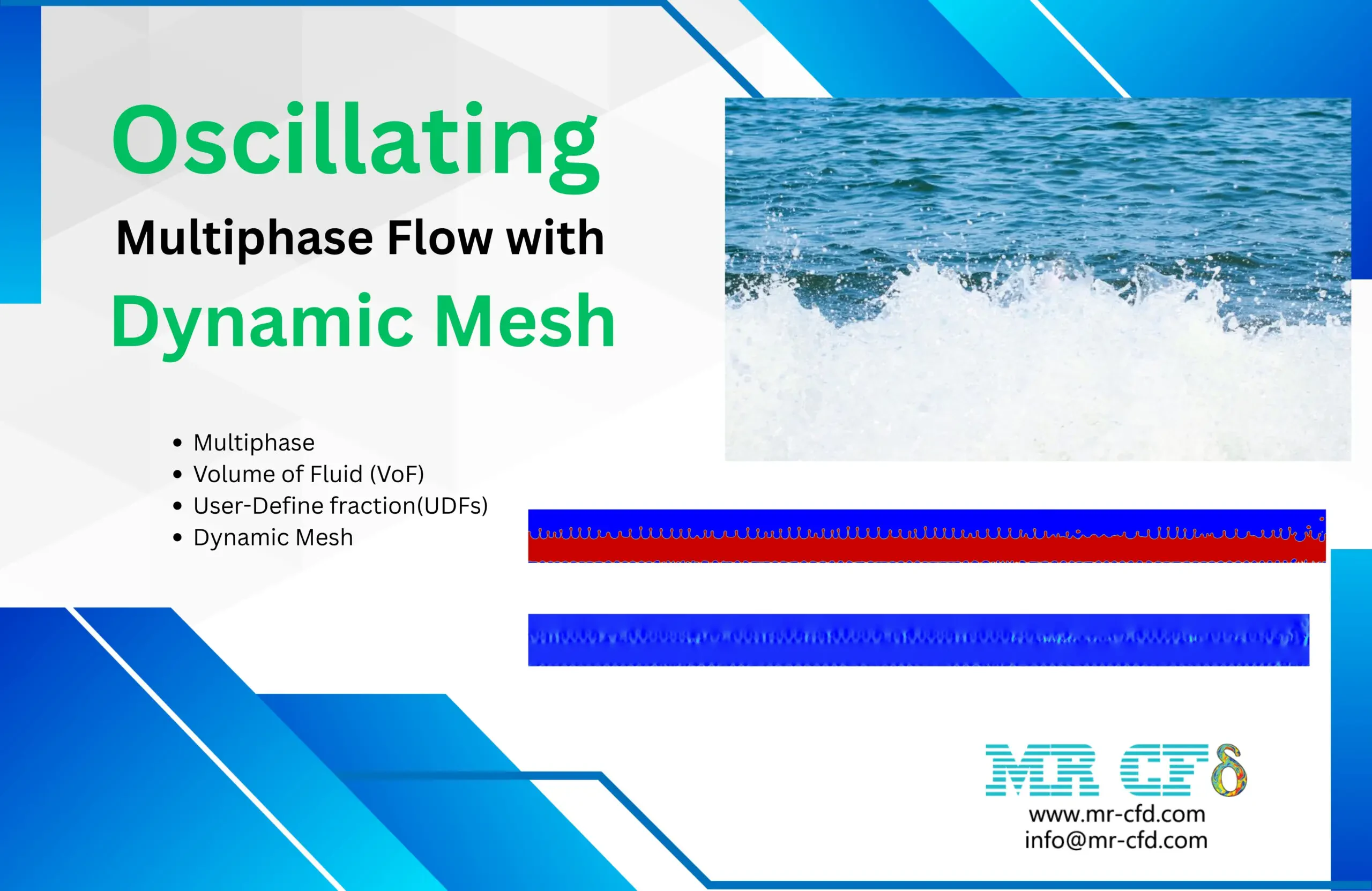
In the oscillating multiphase CFD study, the interaction of water and air inside a narrow rectangular channel is investigated using ANSYS Fluent. The geometry is created in ANSYS Design Modeler and meshed with a structured grid of 480,760 cells in ANSYS Meshing. The Volume of Fluid (VOF) method is applied for tracking the water and air interface, with water defined as the primary phase and air as the secondary phase. A dynamic mesh technique with smoothing and re-meshing options is enabled, along with a moving wall defined by a User-Defined Function (UDF).
Price: $480
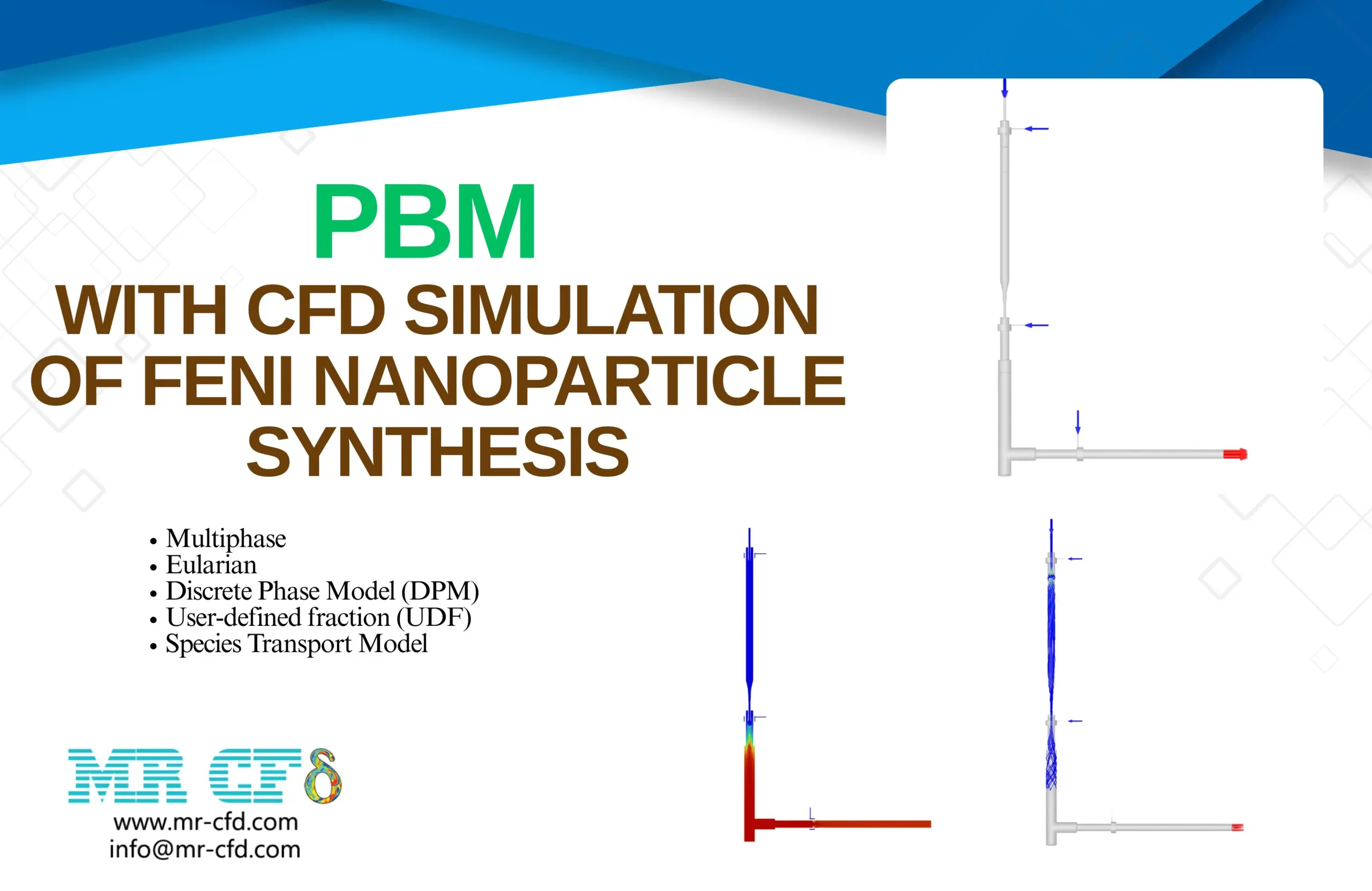
PBM with CFD Simulation of FeNi Nanoparticle Synthesis is performed using ANSYS Fluent . A Multiphase Eulerian approach is applied with FeNi alloy represented in the secondary phase. Powder precursors (FeCl₂ and NiCl₂) are injected into the domain using the Discrete Phase Model (DPM). The Species Transport Model with finite-rate Arrhenius kinetics is used to simulate the reduction reactions. User-Defined Functions (UDFs) implement nucleation, growth, and agglomeration phenomena for nanoparticle prediction.
Thermal Effects on the Mixing Behavior of Glycerin and Water by ANSYS Fluent
Intermediate, Advanced
Price: $120
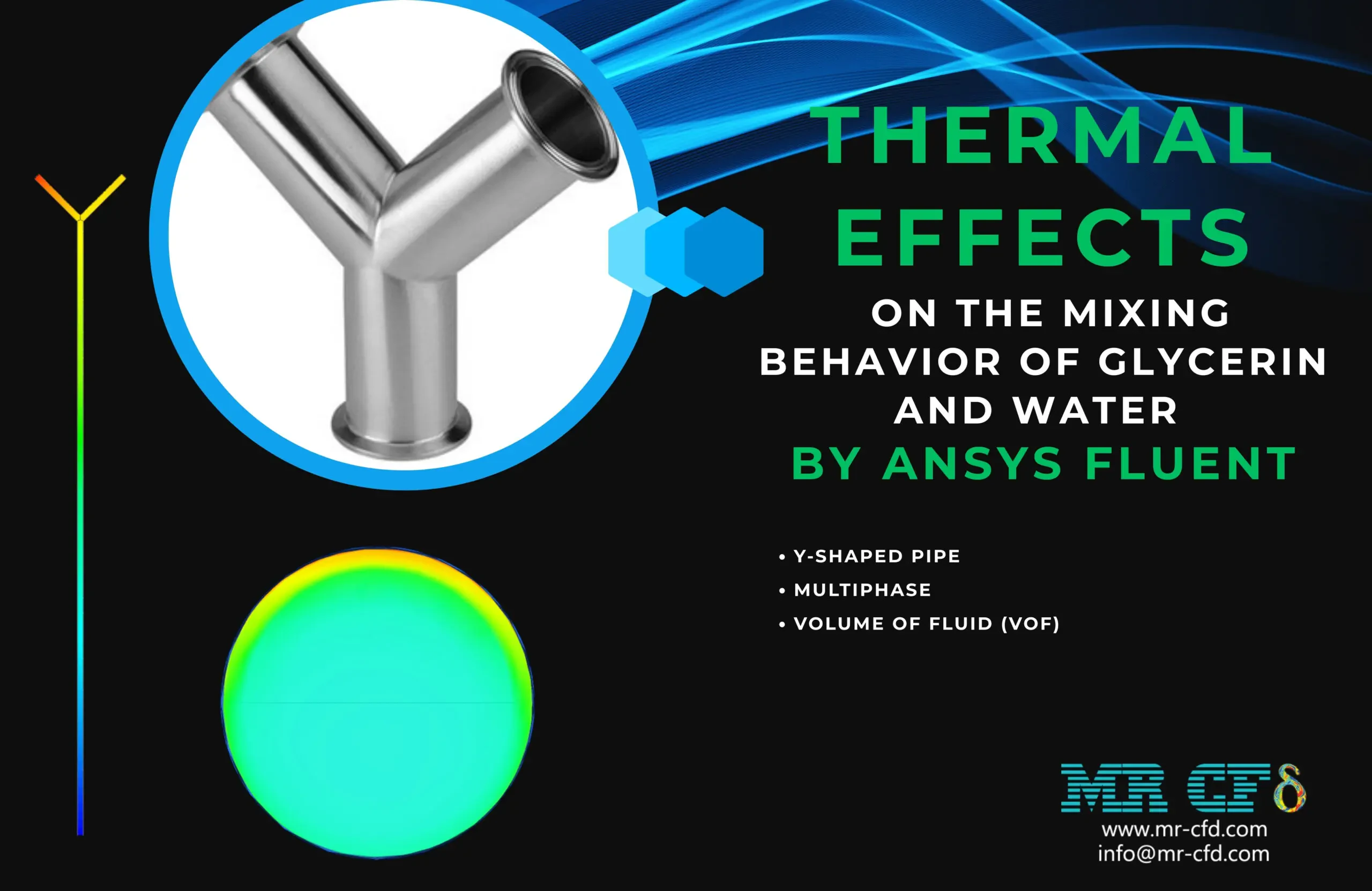
In the thermal effects on mixing in pipesCFD study investigates the thermal effect on the mixing of glycerin and water in a Y-shaped pipe using ANSYS Fluent. The geometry is created in ANSYS Design Modeler and meshed in ANSYS Meshing to generate a high-quality computational grid. The Volume of Fluid (VOF) method with an implicit formulation is applied, and the realizable k–epsilon model is used for turbulence modeling. A mass flow inlet of 0.15 kg/s is set for both phases, and simulations are carried out without heat flux and with a 30,000 W heat flux.

Price: Free
Tower aerodynamic project presents a CFD analysis of the Burj Khalifa (828 m) and Jeddah Tower (1000 m) under a steady 10 m/s wind using ANSYS Fluent. Geometries were built in SpaceClaim/Design Modeler and meshed in ANSYS Meshing, later converted into polyhedral elements for efficiency. A pressure-based steady solver with the Realizable k-ε turbulence model was applied, with velocity-inlet and pressure-outlet boundary conditions. Results show pressure drag dominates in both towers, while torque due to height is a critical factor, influenced strongly by tower geometry.
Quadcopter Aerodynamic Analysis and CFD Simulation in ANSYS Fluent
Beginner, Intermediate
Price: $319
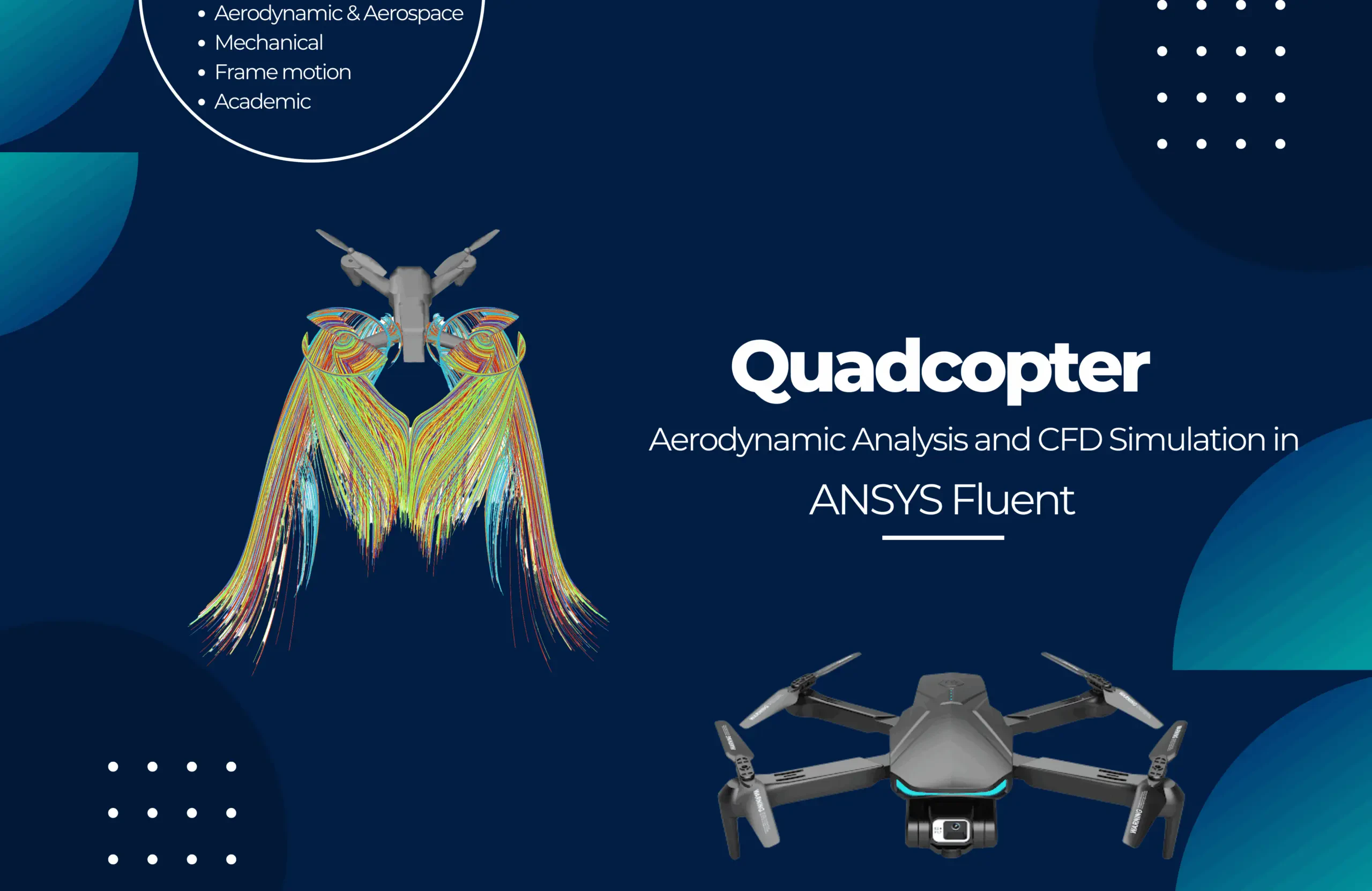
In Quadcopter Aerodynamic Analysis, a numerical simulation was conducted to investigate the Dynamic Stability Derivatives of a quadcopter using ANSYS Fluent. A 3D symmetric geometry of the quadcopter was designed in SpaceClaim, capturing the essential aerodynamic features of the body and blades. The geometry was meshed using ANSYS Meshing, resulting in a high-quality grid with 3736312 elements. The simulation was performed in an unsteady (transient) framework to capture the time-dependent aerodynamic behavior. Mesh Motion techniques and User-Defined Functions (UDFs) were employed to define the rotational motion of the blades and the oscillatory motions of the quadcopter. This approach enabled the extraction of stability derivative data, providing insight into the dynamic response and control requirements of the quadcopter system.