

Design Modeler Online Courses
Here's every CFD online course related to Design Modeler category.
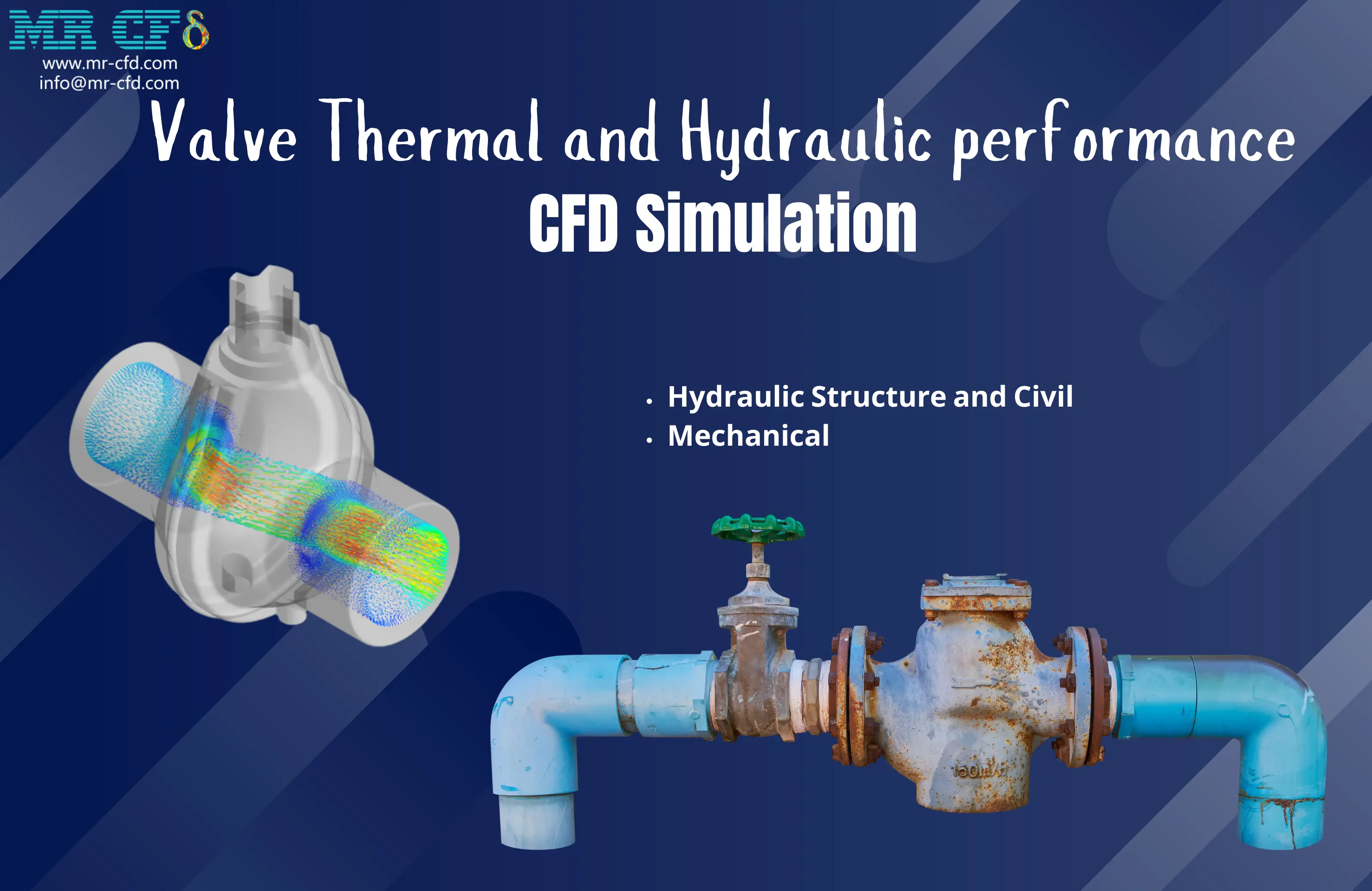
Valve Thermal and Hydraulic performance CFD Simulation
Beginner, Intermediate
Price: $8
This project investigates the steel valve Thermal and Hydraulic performance through CFD analysis in ANSYS Fluent. The study focuses on the cooling of hot water (400K) flowing through the valve while exposed to external air convection (300K). The geometry was designed in ANSYS Design Modeler and meshed using ANSYS Meshing, resulting in a mesh of 2,237,861 elements. The simulation uses a pressure-based solver with the RNG k-ε turbulence model and enabled energy equation for steady-state conditions. The study demonstrates the impact of valve geometry on flow patterns, pressure distribution, and temperature gradients, providing insights into heat transfer and cooling efficiency.
Price: $8
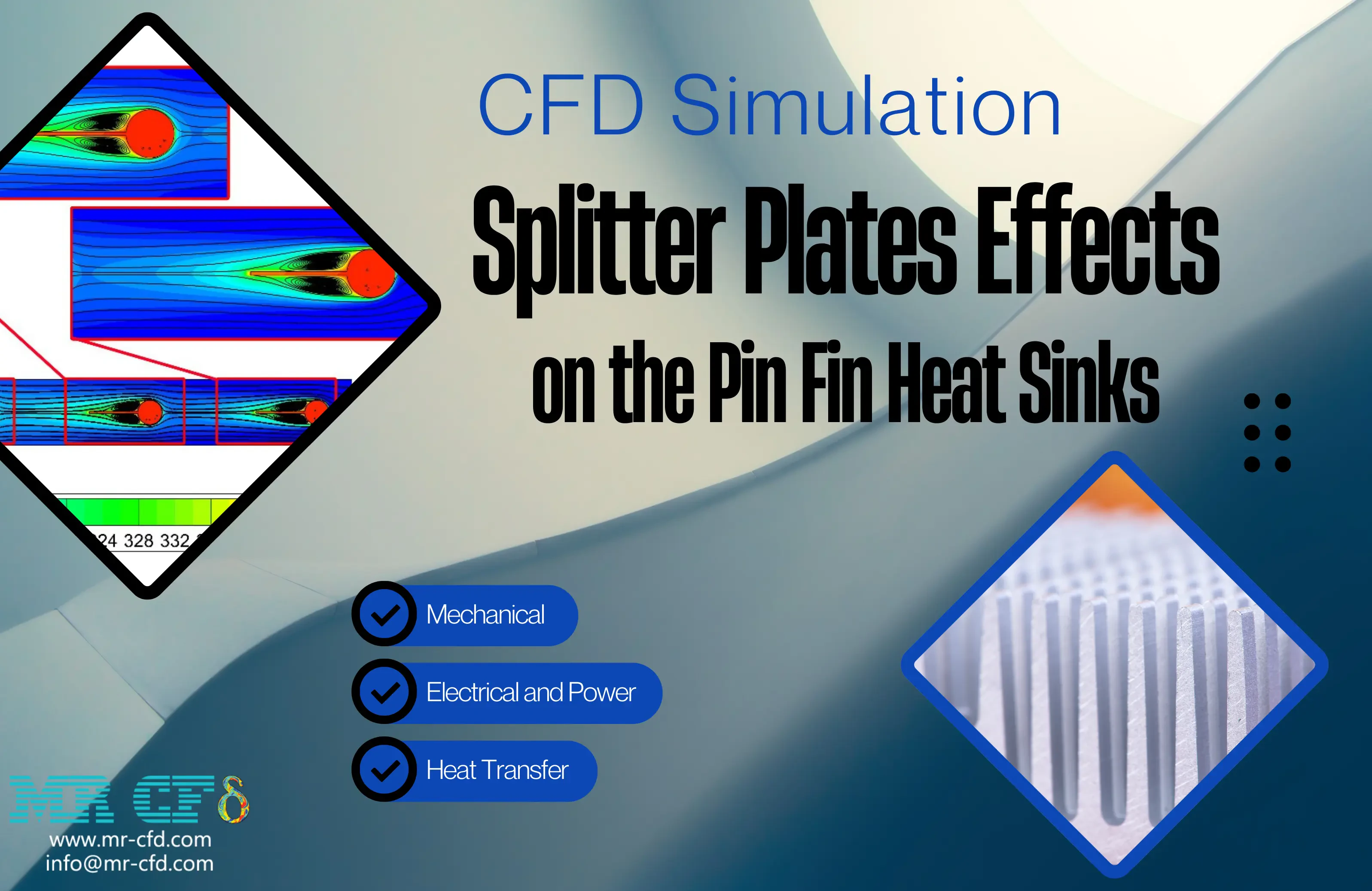
This project investigates the thermal performance enhancement of a heat sink through CFD analysis in ANSYS Fluent. The study focuses on a heat sink design featuring cylindrical pin fins with splitter plates. The geometry was designed in ANSYS Design Modeler and meshed using ANSYS Meshing, resulting in a structured mesh of 804,434 elements. The study demonstrates the impact of splitter plates on flow patterns and heat transfer, potentially improving overall cooling efficiency.
Price: $14
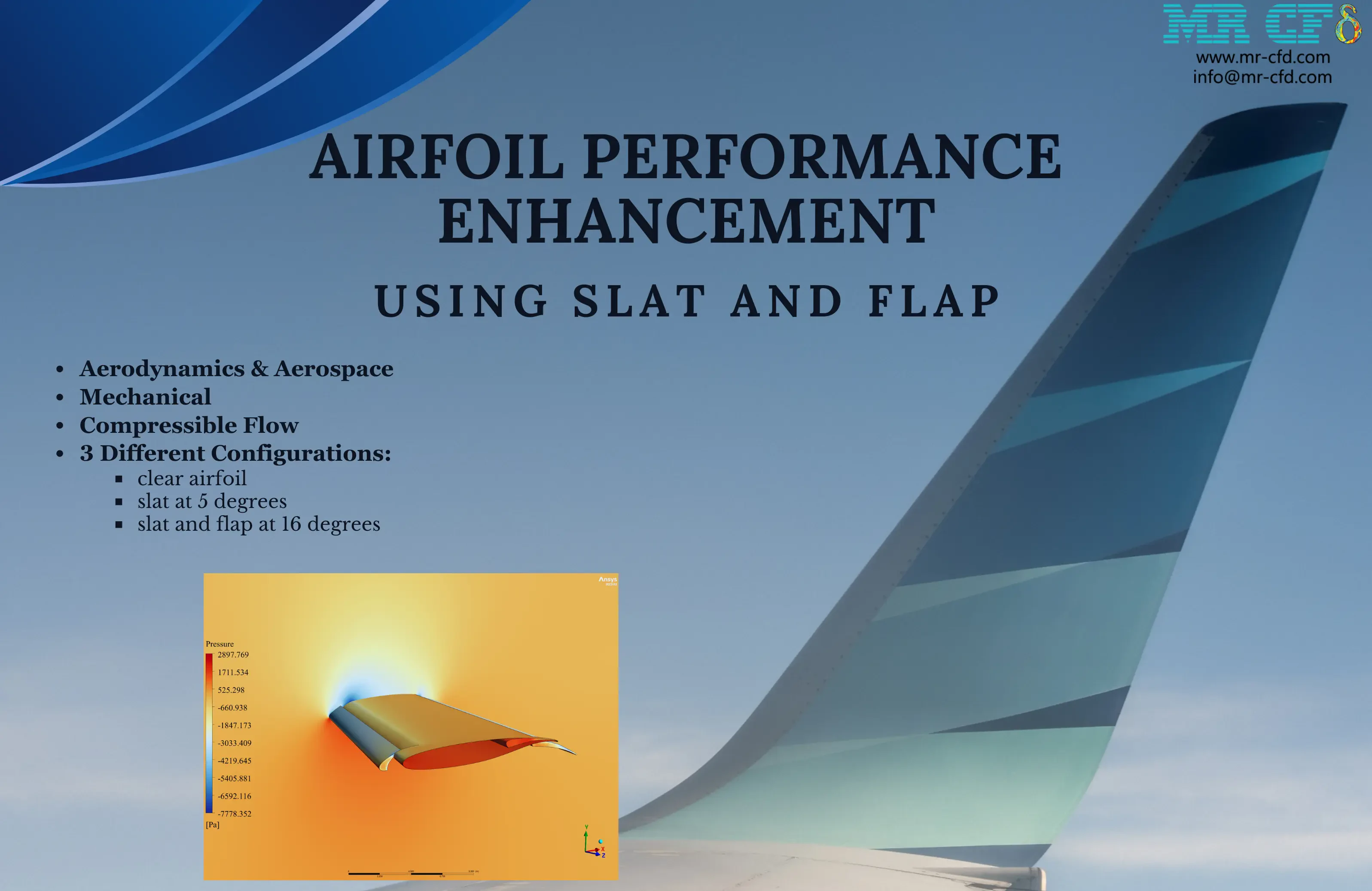
This project investigates the aerodynamic performance enhancement of an airfoil through CFD analysis in ANSYS Fluent. Three configurations are studied: a clean airfoil, an airfoil with a slat, and an airfoil with both slat and flap. The geometry was designed in ANSYS Design Modeler and meshed using ANSYS Meshing, resulting in approximately 5 million elements. The simulations use a density-based solver to account for compressibility effects. The study demonstrates significant improvements in lift-to-drag ratio, particularly when both slat and flap are employed.
Price: $100
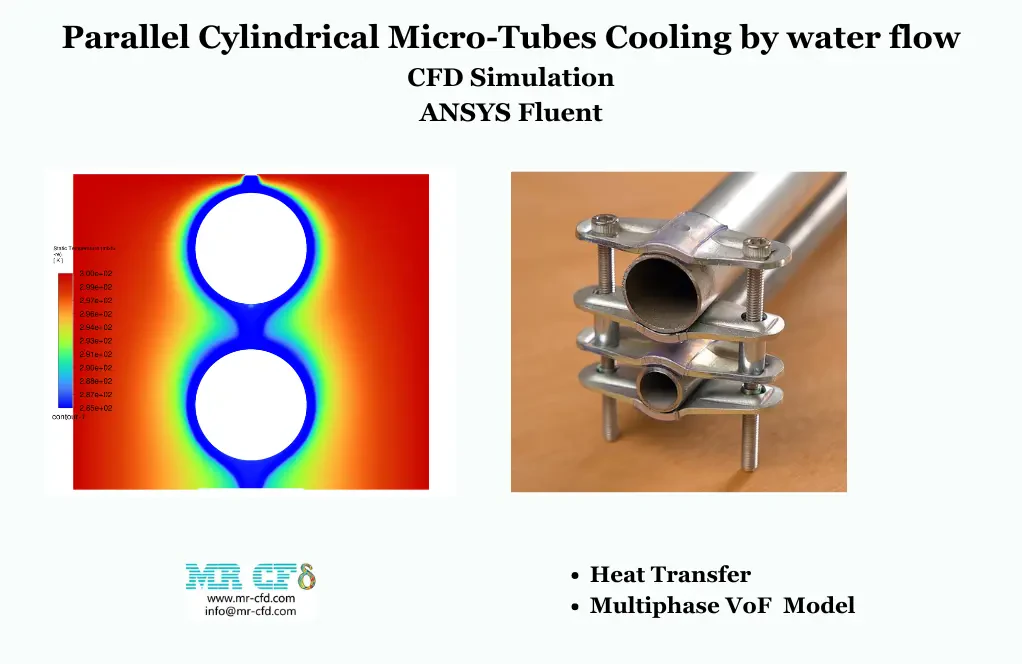
This problem simulates Cooling of two parallel cylindrical micro-tubes using Ansys Fluent software. The 2-D geometry is designed in Design Modeler software. ANSYS Meshing software is used to generate the mesh; the element number equals 40,613. In this project, the Cooling by water flow is simulated using the VOF How water flows and reduces the temperature of the tube wall, in this project is well modeled.

Six Blade Stirring Mixer CFD Simulation, ANSYS Fluent Training
Beginner, Intermediate
Price: $16
The present problem simulates a Six Blade Stirring Mixer using ANSYS Fluent software. We have designed the geometry using DesignModeler software and created the mesh on this geometry using ANSYS Meshing software. The mesh type is unstructured with 5,447,852 cells. The Mixture multiphase model has been used to simulate the present model. The Multiple Reference Frames (MRF) model is used to simulate the motion of impeller. The solution is steady, and the k-Ꜫ model is chosen to simulate the turbulence of the flow.
Price: $10
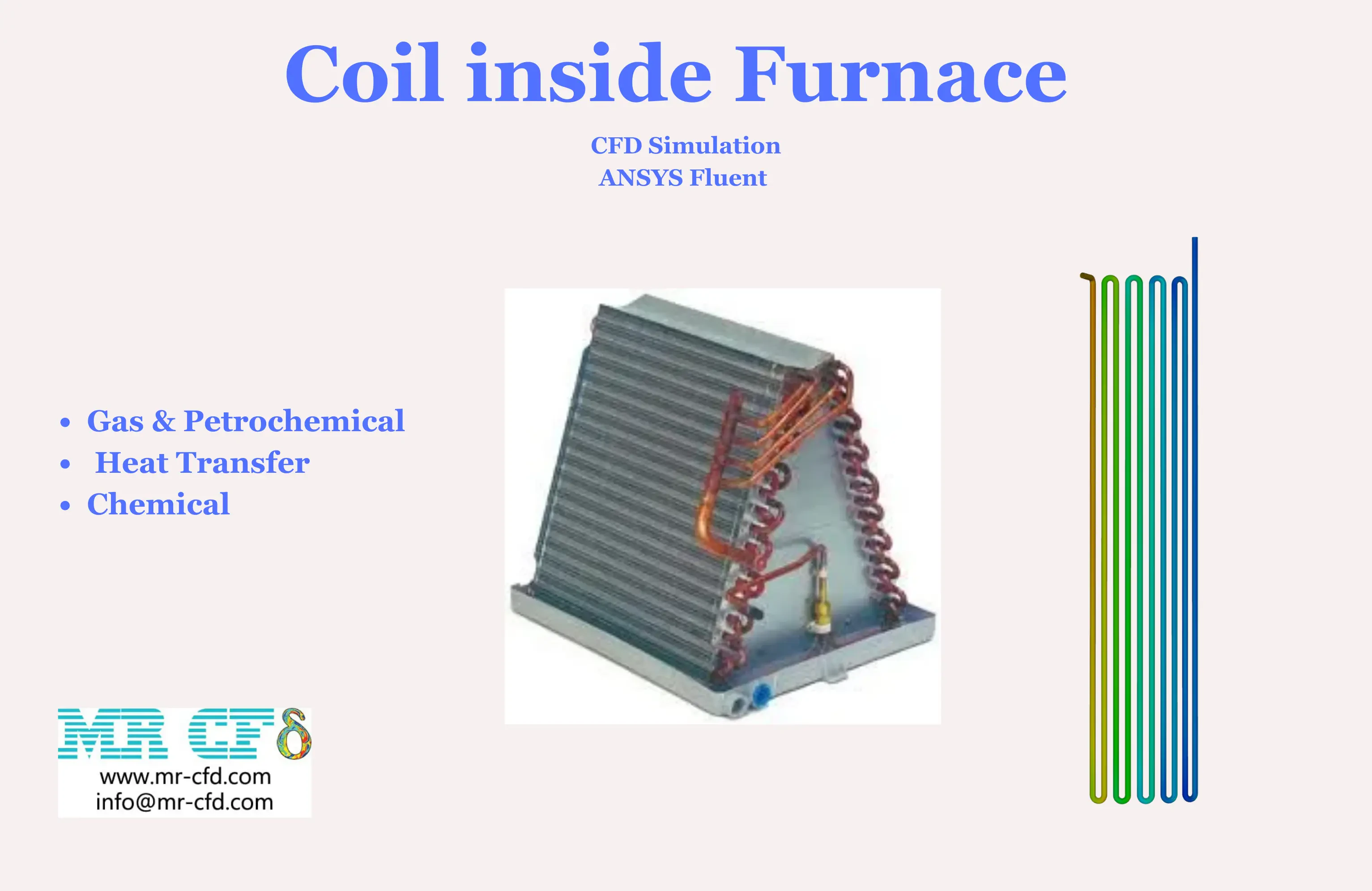
In this project, the flow inside a coil is modeled using ANSYS Fluent software. The geometry was created in Design Modeler, and a mesh consisting of 4,824,847 elements was generated using ANSYS Meshing. In this project we are going to find the outlet temperature and calculate the static pressure and static temperature throughout the domain.
Methane Combustion in a Gas Stove CFD Simulation, ANSYS Fluent
Beginner, Intermediate
Price: $28
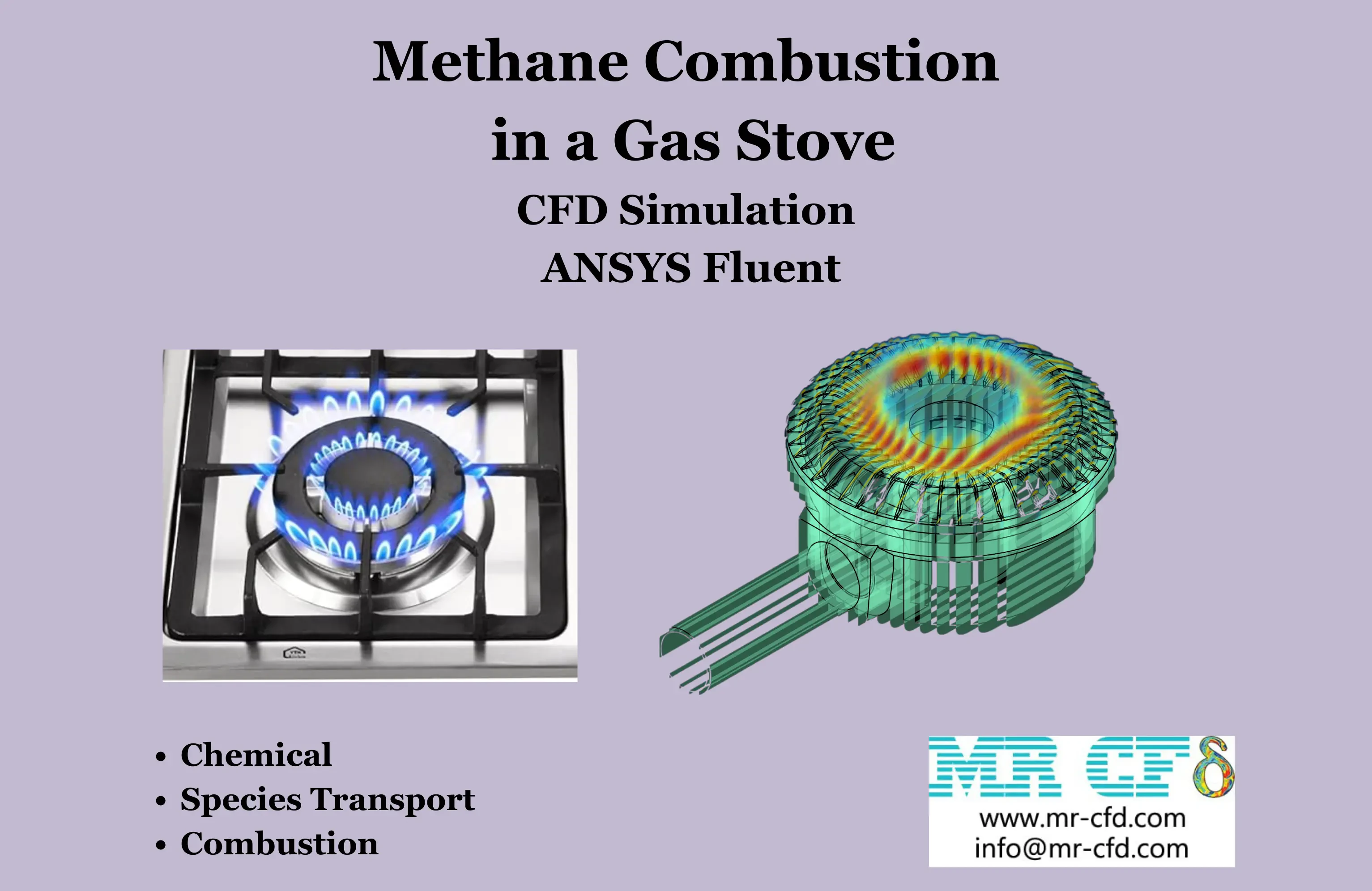
In this project, the combustion of methane in a gas stove was modeled using ANSYS Fluent. Methane mechanism was chosen for reaction mechanism and eddy dissipation model used for turbulence-chemistry. The geometry was created in Design Modeler, and a mesh consisting of 5,533,297 elements was generated using Fluent Meshing.
Centrifugal Blower (Mesh Motion) CFD Simulation, ANSYS Fluent
Beginner, Intermediate
Price: $10
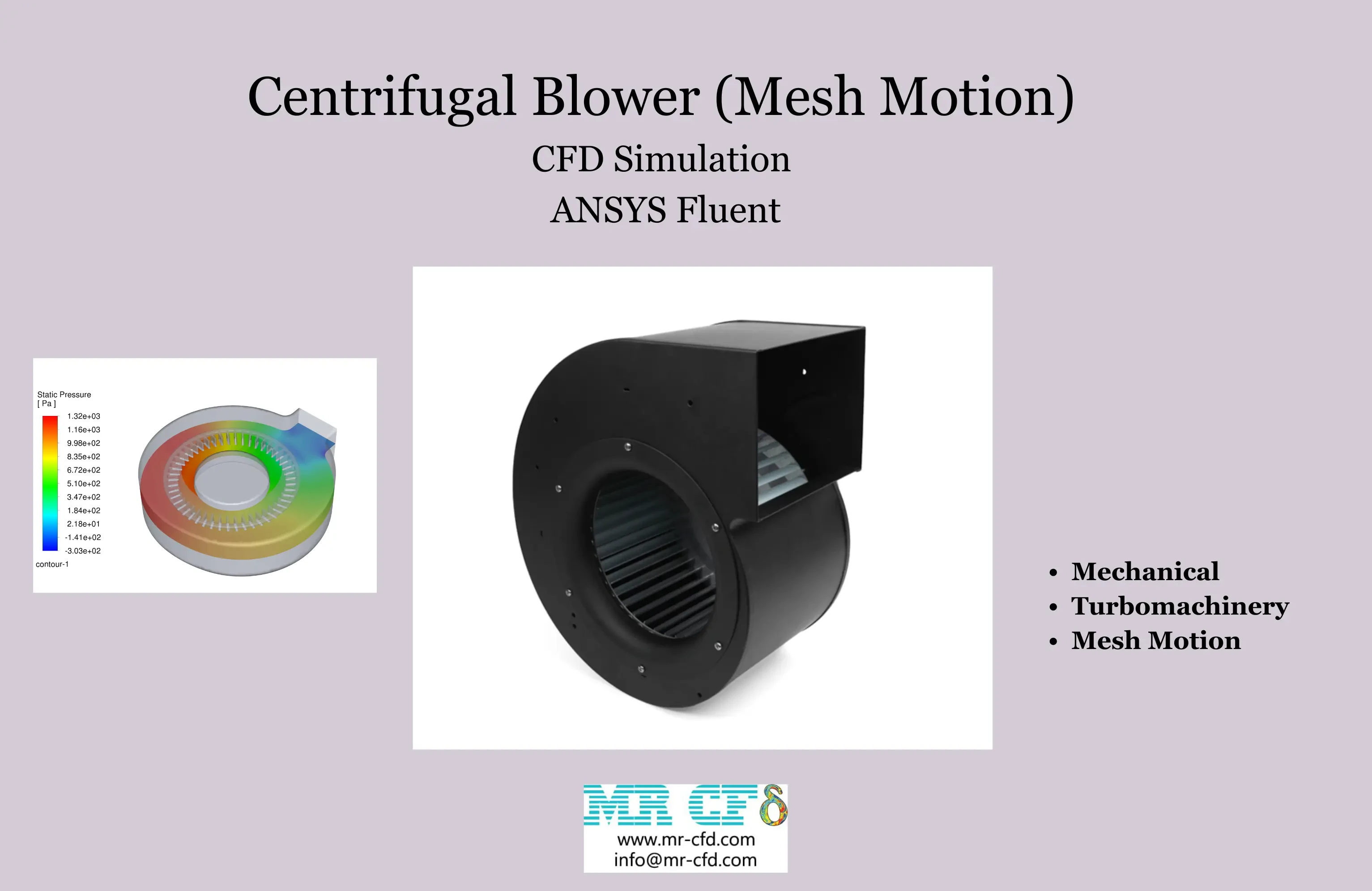
The problem numerically simulates Centrifugal Blower using ANSYS Fluent software. We design the 3-D model by the Design Modeler software. We Mesh the model by ANSYS Meshing software, and the element number equals 5,479,874 . We use the Mesh Motion method to define rotational motion in cell zone conditions.
Immersion Cooling Effect on a Heat sink Performance CFD Simulation
Beginner, Intermediate
Price: $6
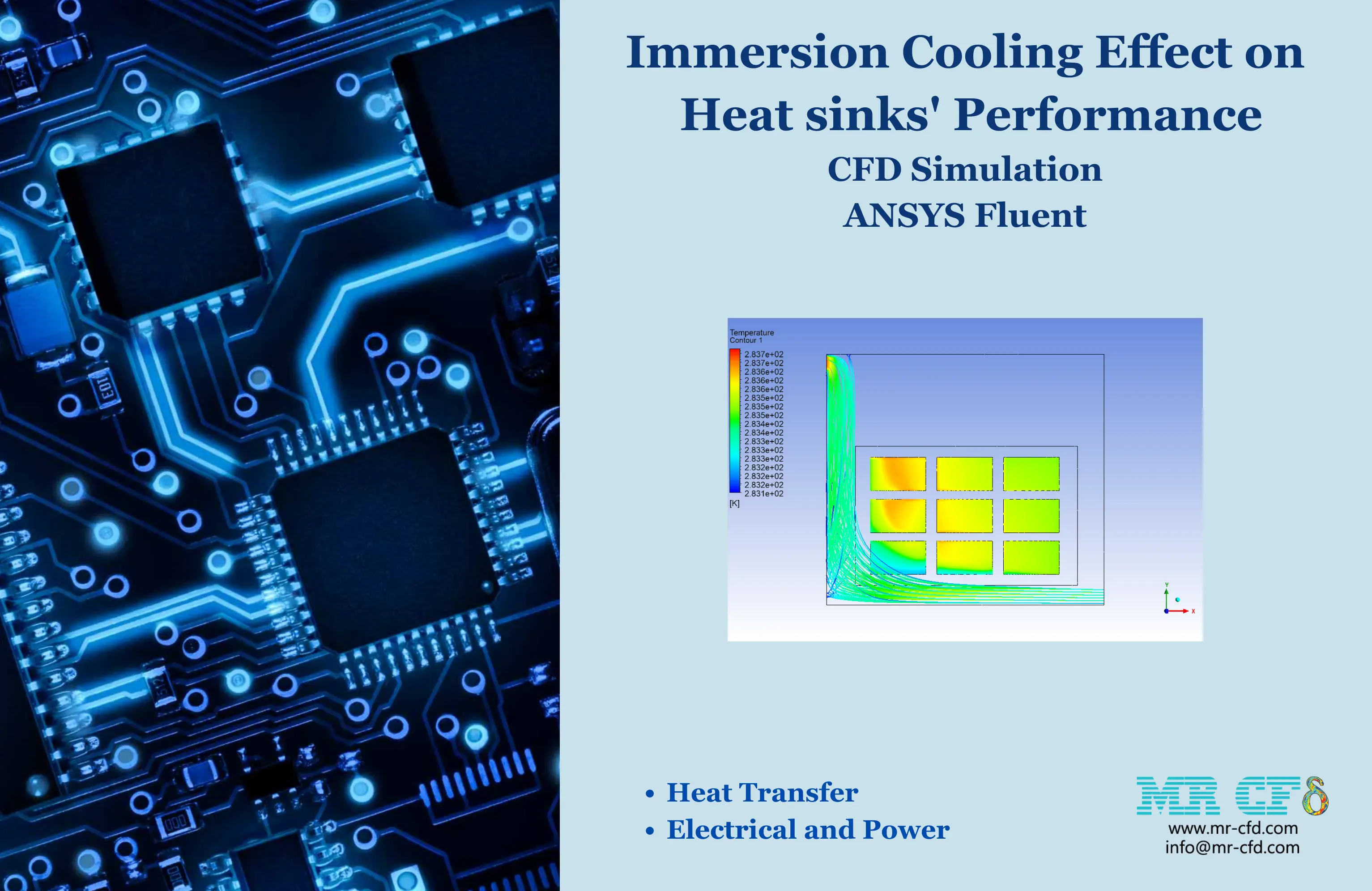
This project simulates the effect of immersion cooling on heat sinks' performance in ANSYS Fluent software. The 3D model is designed using the Spaceclaim, then meshed using ANSYS Meshing producing 85,000 cells. The k-epsilon RNG turbulence model is employed to accurately predict flow patterns.