

For Professionals Online Courses
Here's every CFD online course related to For Professionals category.
Price: $689
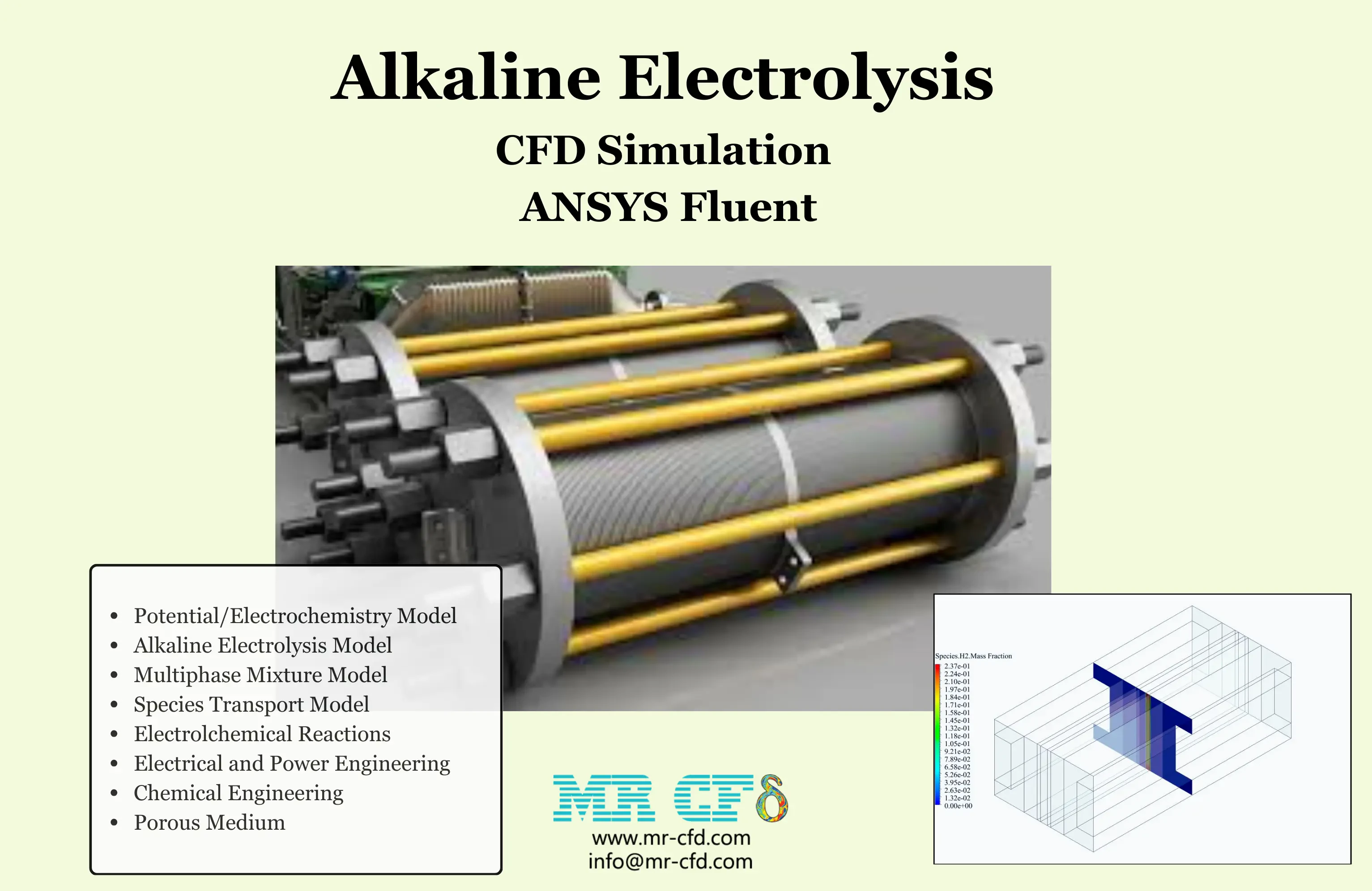
The problem numerically simulates the Alkaline Electrolysis using ANSYS Fluent software. We design the 3-D model with the Design Modeler software. We mesh the model with ANSYS Meshing software. The mesh is Structured, and the element number equals 428,800. We used the Potential/Electrochemistry model to define the potential equation. We used the Electrolysis sub-model and Alkaline Electrolysis type to define the electrolysis process. We used the Species model to define H2, O2, and H2O. We used the Mixture Multiphase model to define water.
Price: $689
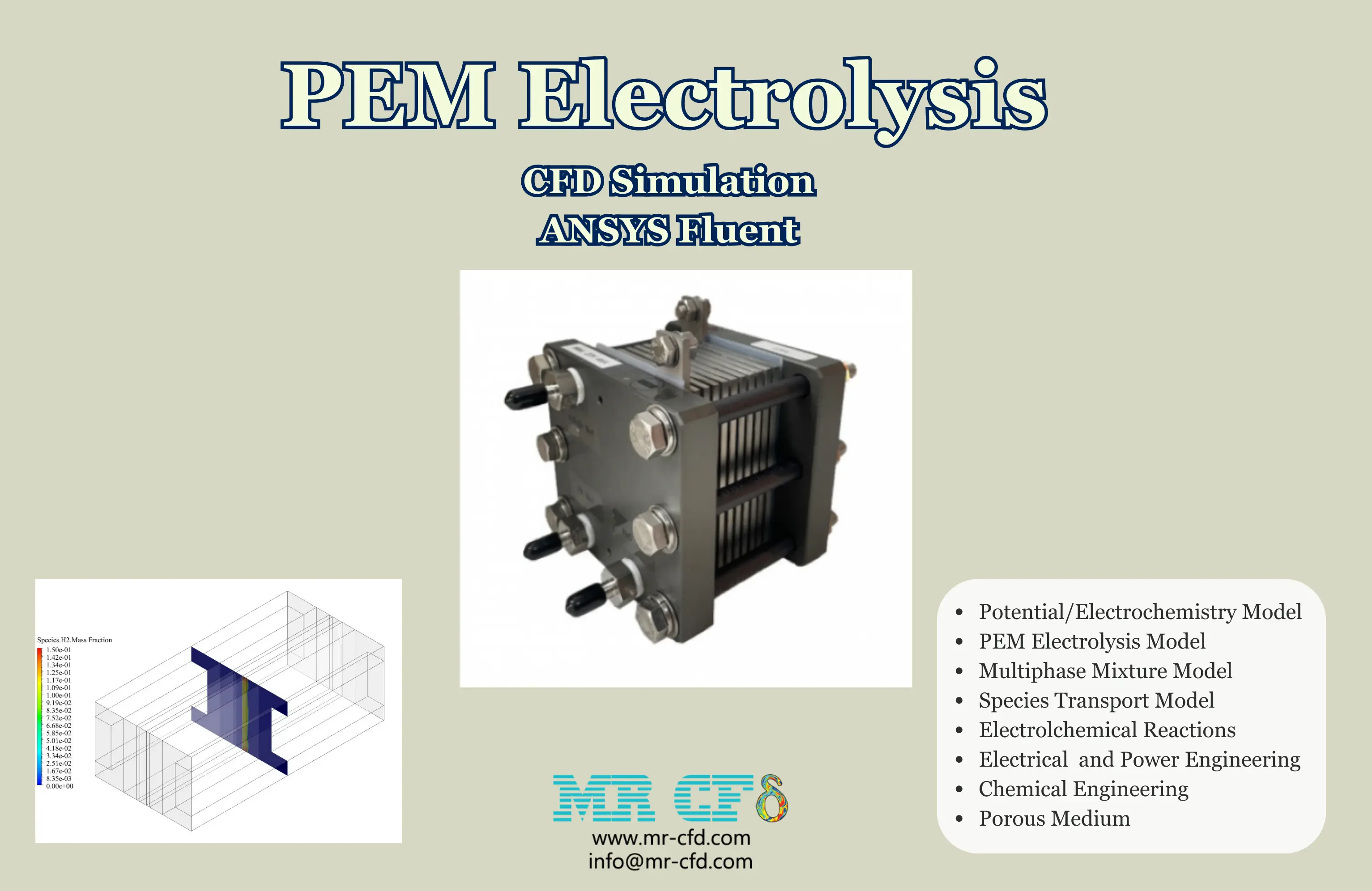
The problem numerically simulates the PEM Electrolysis using ANSYS Fluent software. We design the 3-D model with the Design Modeler software. We mesh the model with ANSYS Meshing software. The mesh is Structured, and the element number equals 428,800. We used the Potential/Electrochemistry model to define the potential equation. We used the Electrolysis sub-model and PEM Electrolysis type to define the electrolysis process. We used the Species model to define H2, O2, and H2O. We used the Mixture Multiphase model to define water.
Arc Welding
Beginner, Intermediate, Advanced
Price: $210
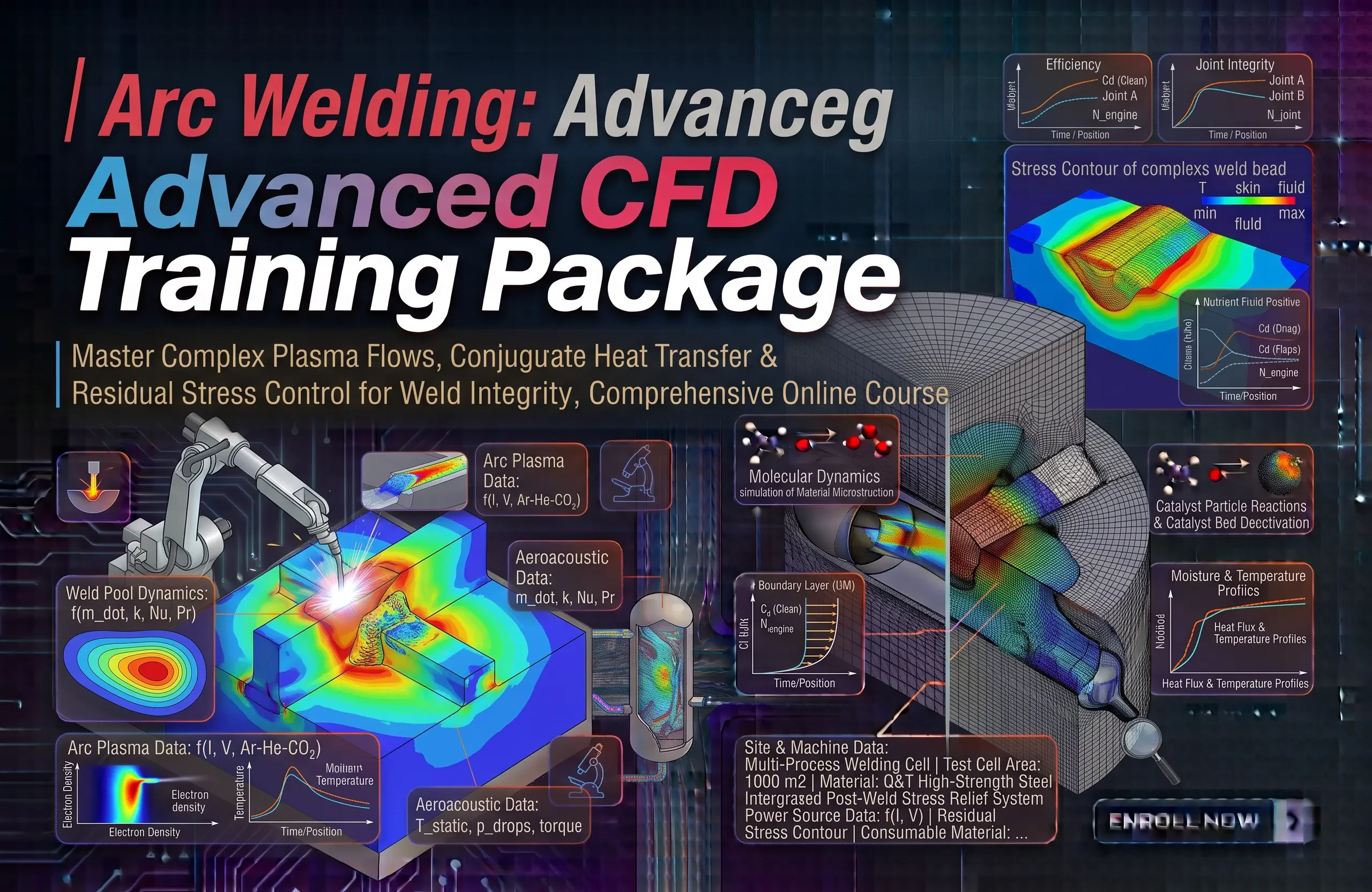
Arc welding process simulated using ANSYS Fluent User-Defined Scalar (UDS) calculates electrical potential/properties User-Defined Function (UDF) computes electric field heat release, added as an energy equation source term Geometry built in SpaceClaim Mesh of 335,560 elements generated in ANSYS Meshing

Fuel Cell Concepts in ANSYS Fluent
Beginner, Intermediate, Advanced
Price: Free
Introduction to the Fuel Cell models in ANSYS Fluent software Introduction to the "Fuel Cell and Electrolysis" model ("PEMFC", "SOFC", and "Electrolysis" sub-models) Introduction to the "PEM Fuel Cell" model Introduction to the "SOFC with unresolved electrolyte" model Introduction to the electrochemistry concepts and electrochemical reactions Introduction to the different thermophysical properties Introduction to the user-defined scalars (UDS) and user-defined Memory (UDM)
Trombe Wall CFD Simulation, Paper Numerical Validation, ANSYS Fluent
Intermediate, Advanced
Price: $360
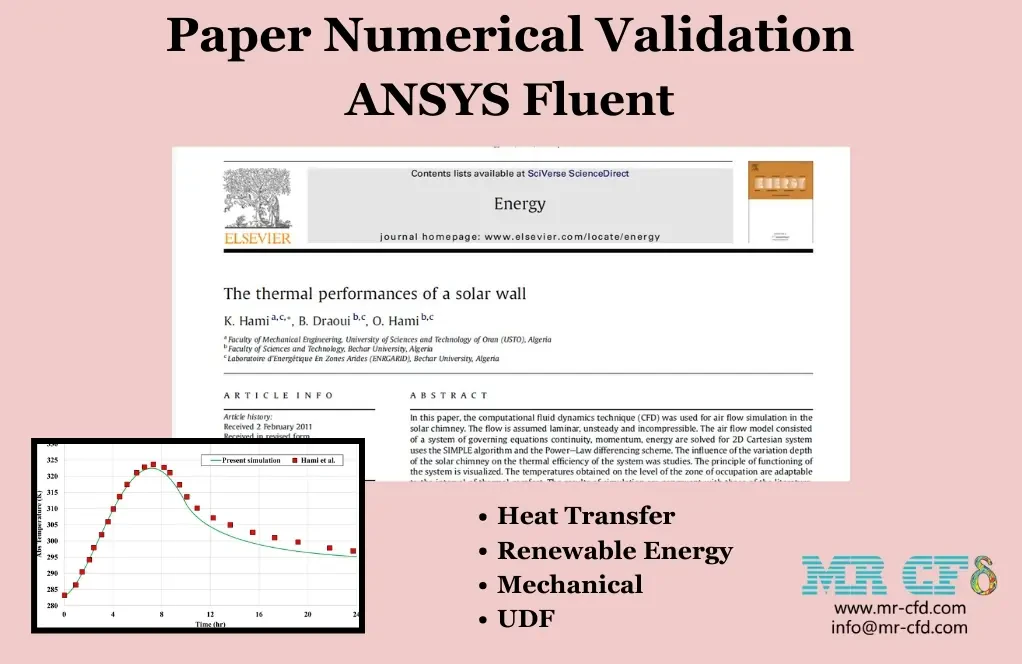
The current CFD Analysis numerically Validates the Paper "The thermal performances of a solar wall" via ANSYS Fluent software. We have designed and meshed the geometry using Design Modeler and ANSYS Meshing, producing 26,550 structured cells. UDF is used for the heat source in the absorber.
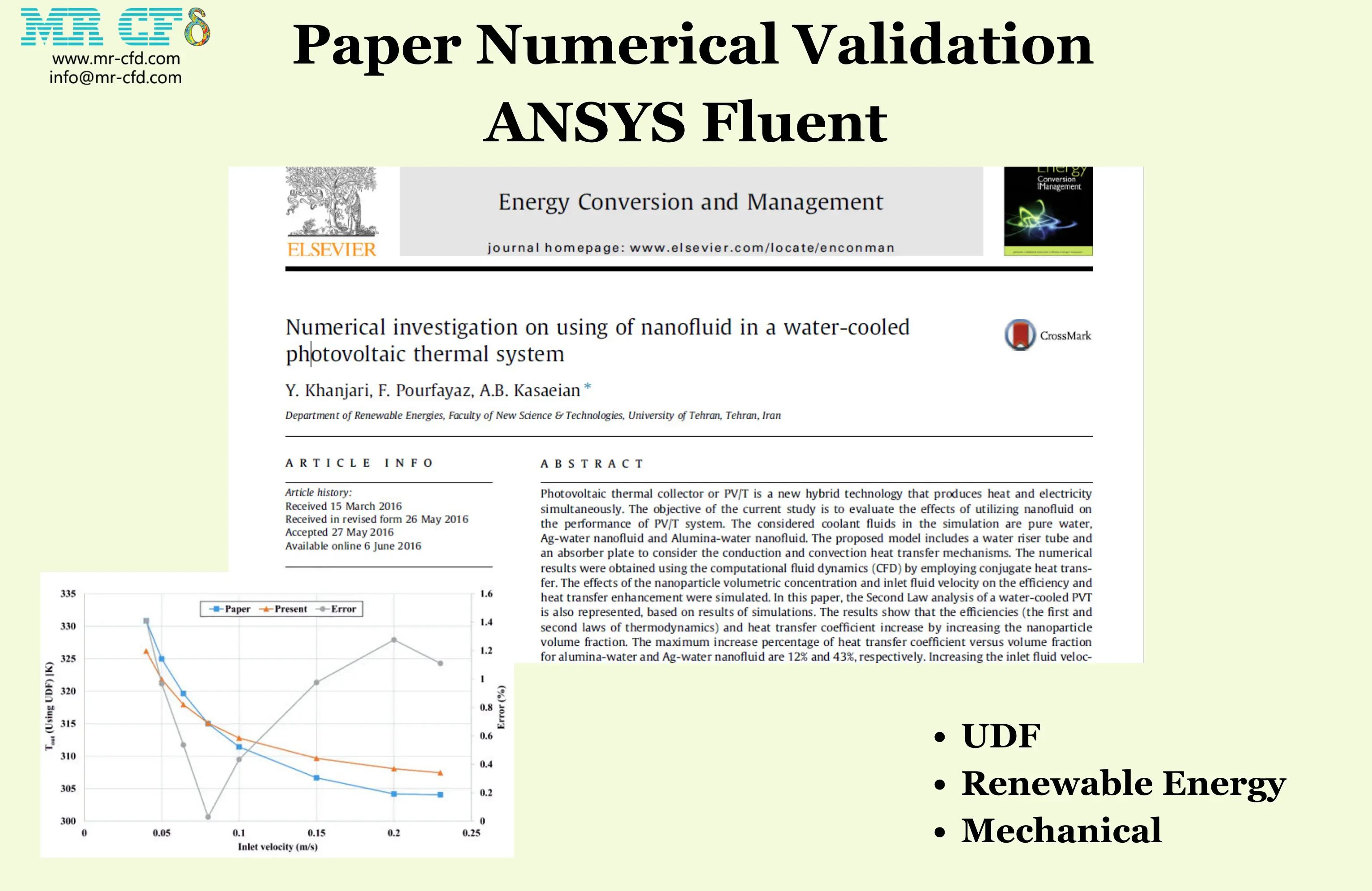
Water-Cooled Photovoltaic Thermal (PVT) System using Nanofluid, Paper Numerical Validation
Intermediate, Advanced
Price: $360
The current CFD Analysis numerically Validates the Paper "Numerical investigation on using of nanofluid in a water-cooled photovoltaic thermal systems" via ANSYS Fluent software. We have designed and meshed the geometry using Design Modeler, producing structured cells. UDF in SOURCE Macro is used for the heat generation.
Price: $569
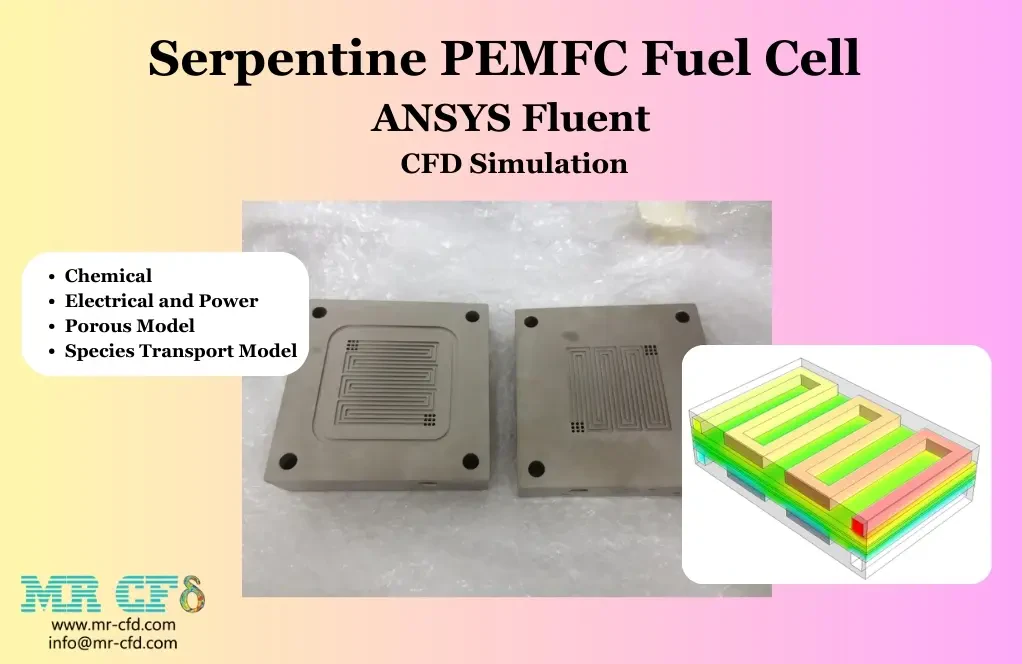
The problem numerically simulates a Serpentine Fuel Cell using ANSYS Fluent software. We design the 3-D model with the Design Modeler software. We mesh the model with ANSYS Meshing software, and the element number equals 9,396,122. We use the Fuel Cell and Electrolysis Model to define a fuel cell. We used the PEMFC sub-model to define a proton exchange membrane fuel cell. We used the Species model to define H2, O2, and H2O.
Price: $569
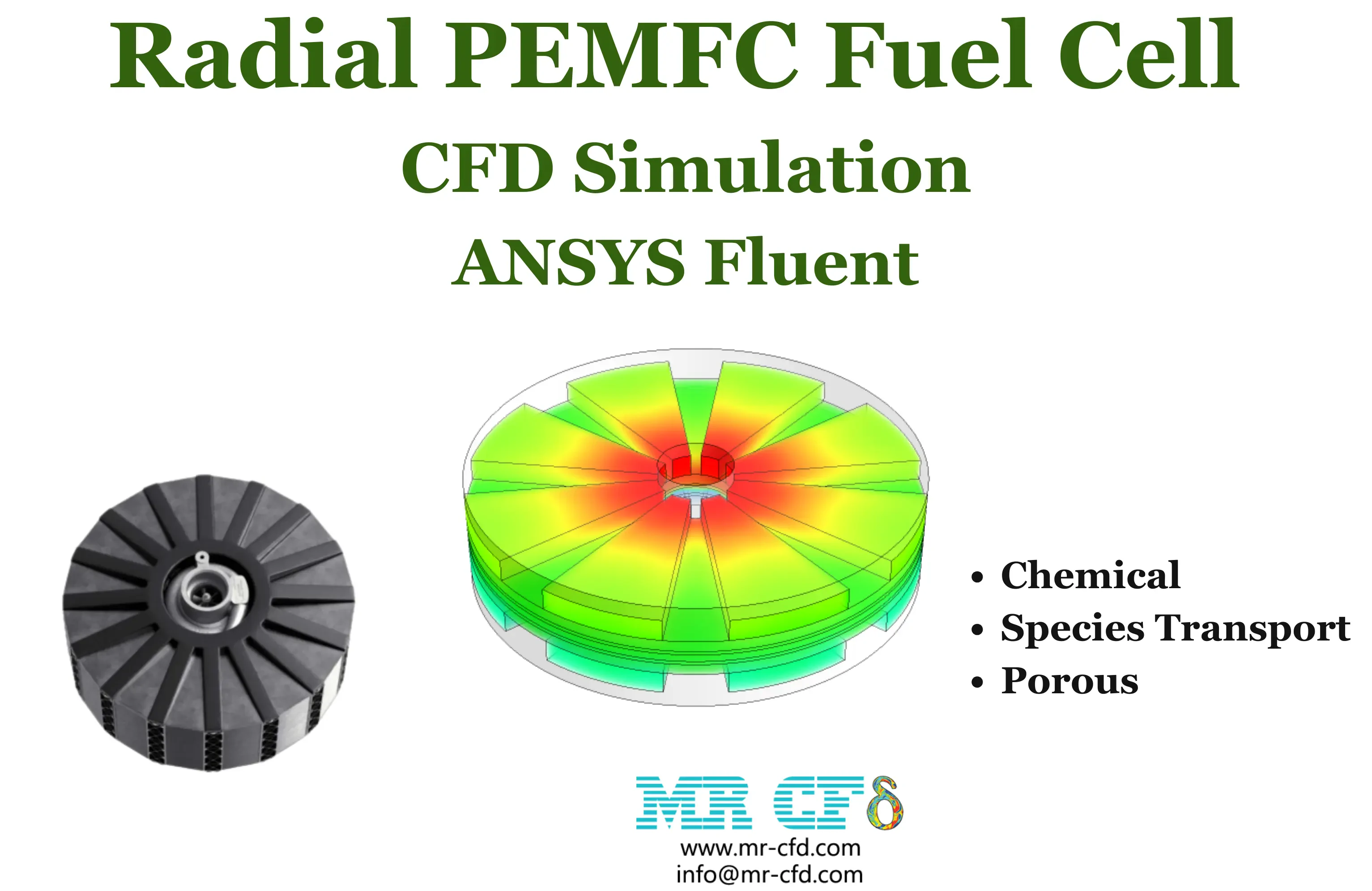
The problem numerically simulates a Radial Fuel Cell using ANSYS Fluent software. We design the 3-D model with the Design Modeler software. We mesh the model with ANSYS Meshing software, and the element number equals 2,393,706. We use the Fuel Cell and Electrolysis Model to define a fuel cell. We used the PEMFC sub-model to define a proton exchange membrane fuel cell. We used the Species model to define H2, O2, and H2O.
Price: $629
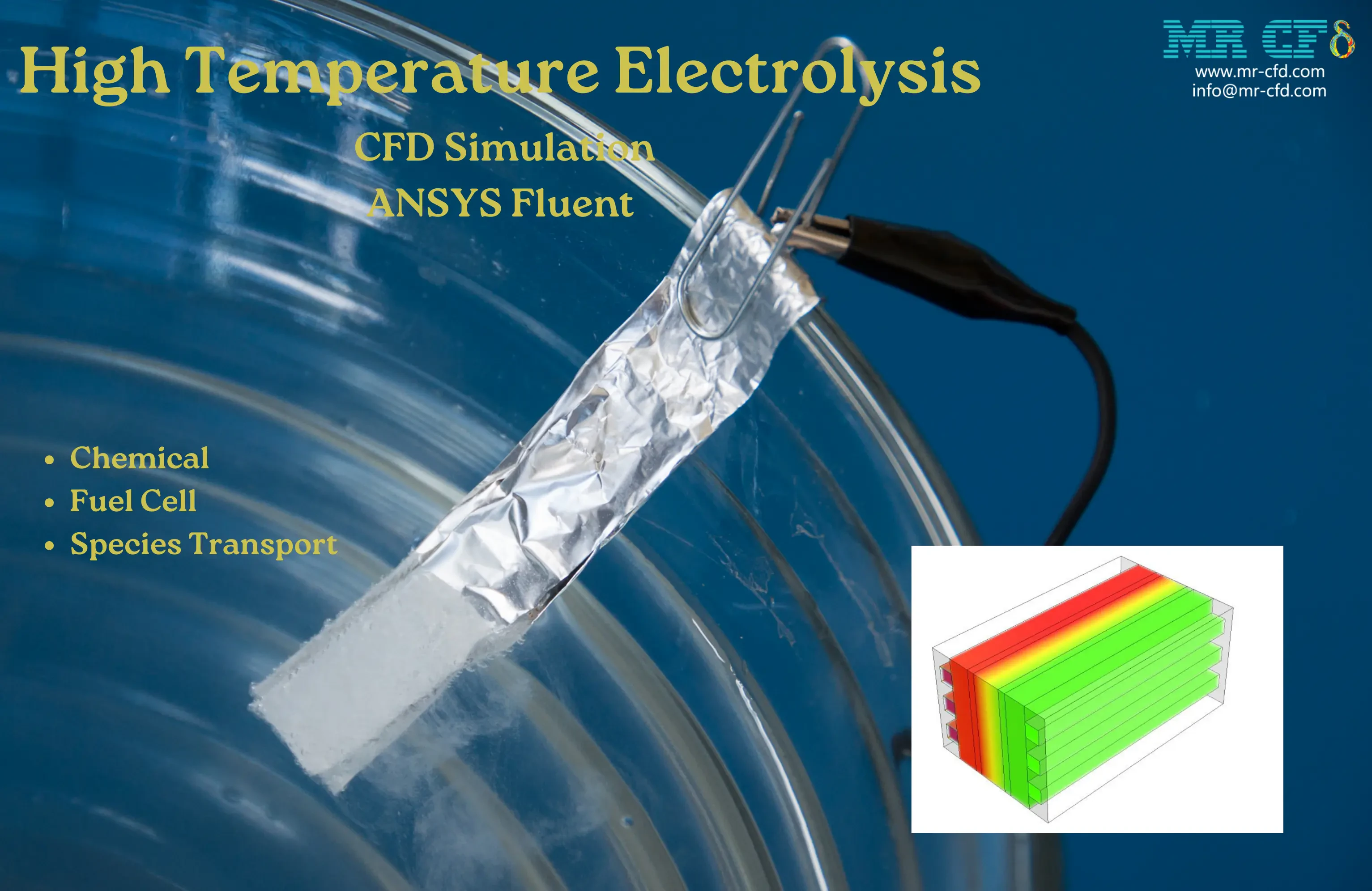
The problem numerically simulates the Electrolysis using ANSYS Fluent software. We design the 3-D model with the Design Modeler software. We mesh the model with ANSYS Meshing software, and the element number equals 2,393,706. We use the Fuel Cell and Electrolysis Model and the Electrolysis sub-model. We used the Species model to define H2, O2, and H2O.