

Species Transport Online Courses
Here's every CFD online course related to Species Transport category.
Price: $10
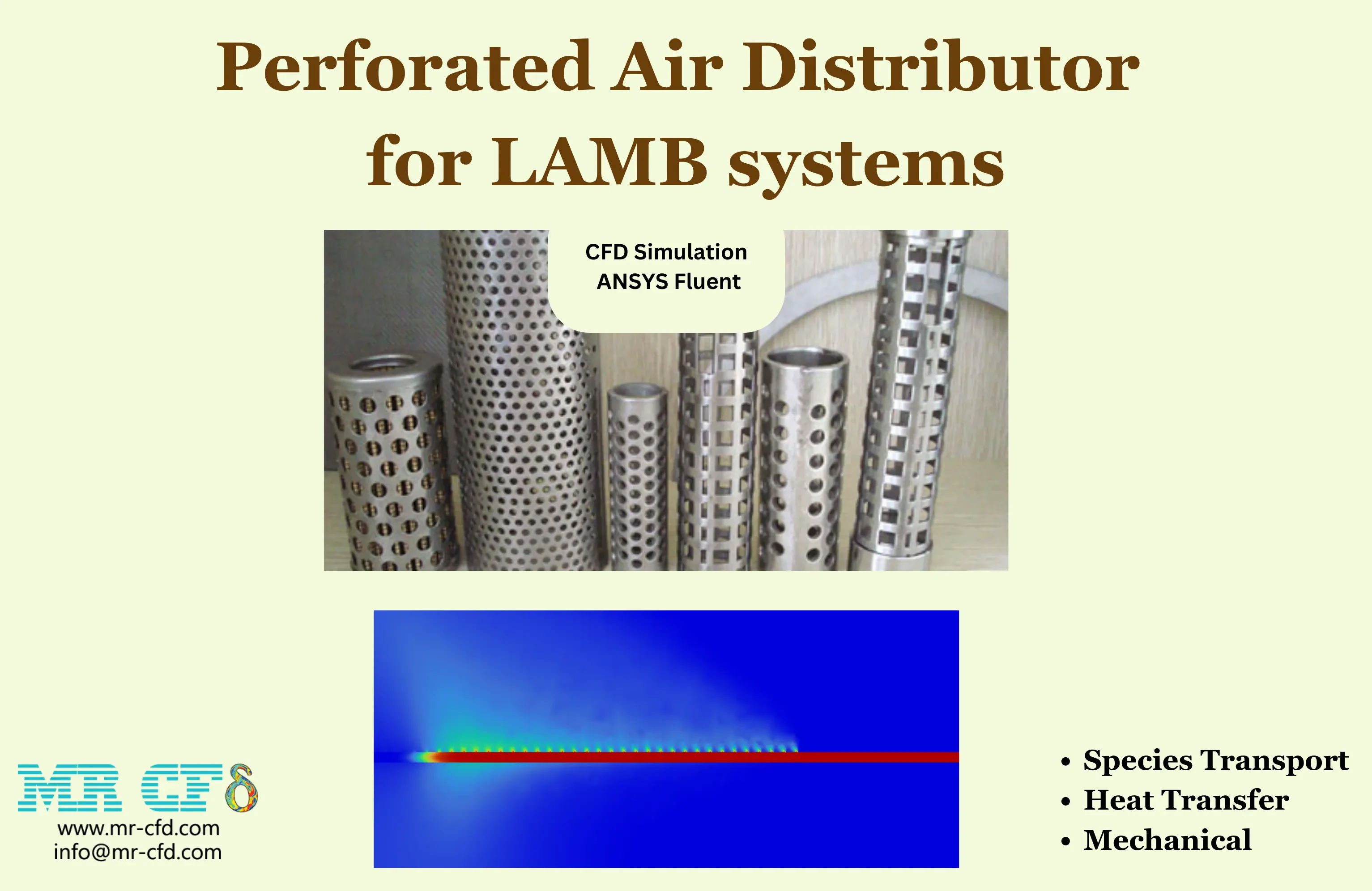
The problem numerically simulates a Perforated Air Distributor for LAMB systems using ANSYS Fluent software. We design the model in Spaceclaim and then meshed it with ANSYS Meshing. The the Species model is activated to see how species are transported. The RNG k-ɛ model is performed to simulate turbulent behavior of the flow.
Turbulent Asymmetric Vortex Flame CFD Simulation, Paper Numerical Validation
Intermediate, Advanced
Price: $32
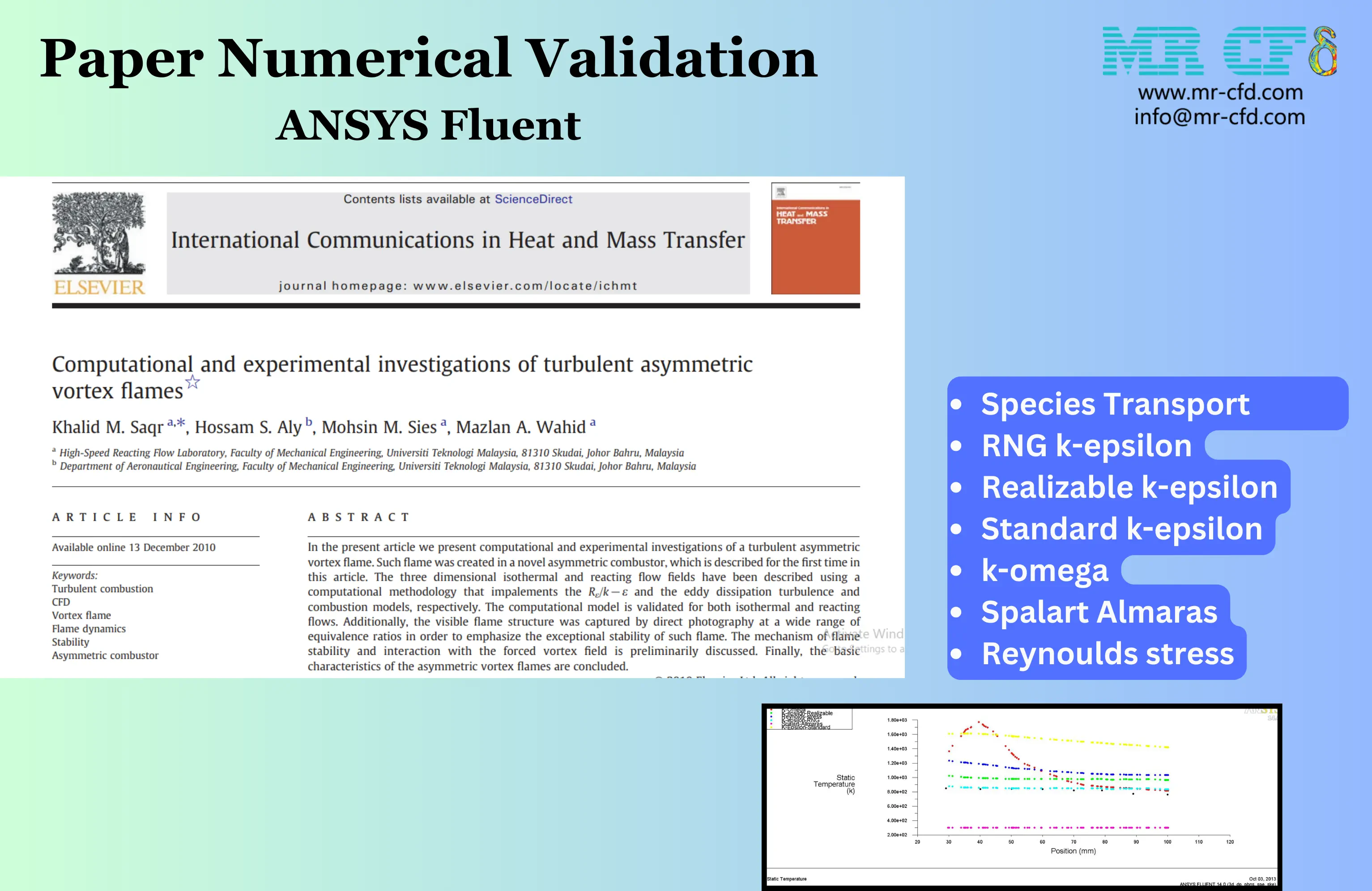
The current CFD Analysis numerically Validates the Paper "Computational and experimental investigations of turbulent asymmetric vortex flames" via ANSYS Fluent software. We have designed and meshed the geometry using GAMBIT®, producing unstructured 375,534 cells. The Species Transport model is used to simulate the reaction. The turbulent flow is simulated using these turbulence models: RNG k-epsilon, Realizable k-epsilon, Standard k-epsilon, k-omega, Spalart Almaras and Reynolds stress.
Price: $569
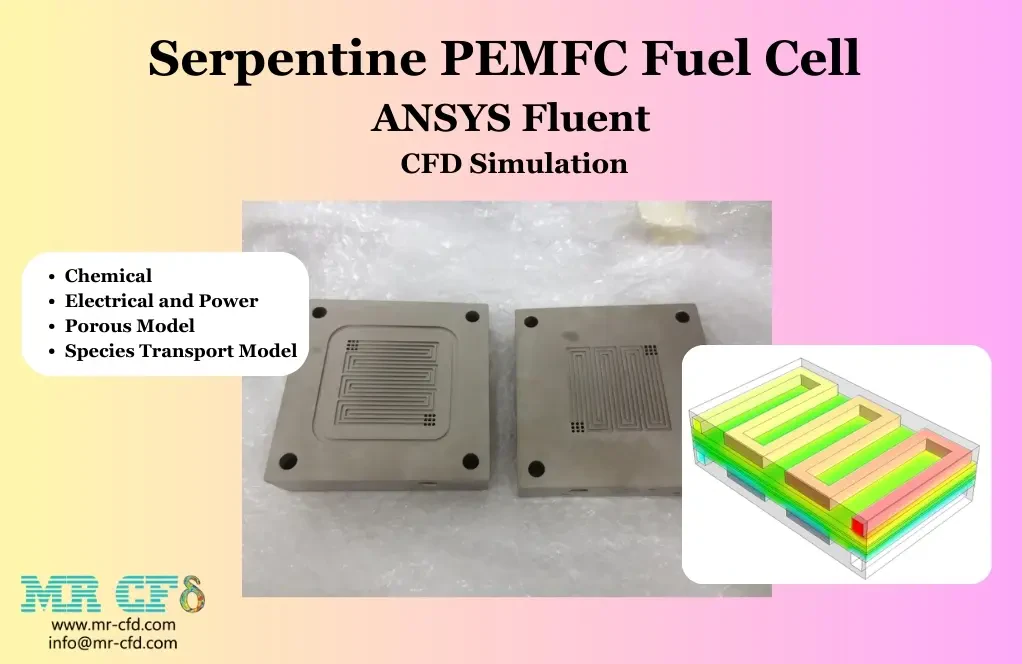
The problem numerically simulates a Serpentine Fuel Cell using ANSYS Fluent software. We design the 3-D model with the Design Modeler software. We mesh the model with ANSYS Meshing software, and the element number equals 9,396,122. We use the Fuel Cell and Electrolysis Model to define a fuel cell. We used the PEMFC sub-model to define a proton exchange membrane fuel cell. We used the Species model to define H2, O2, and H2O.
Price: $569
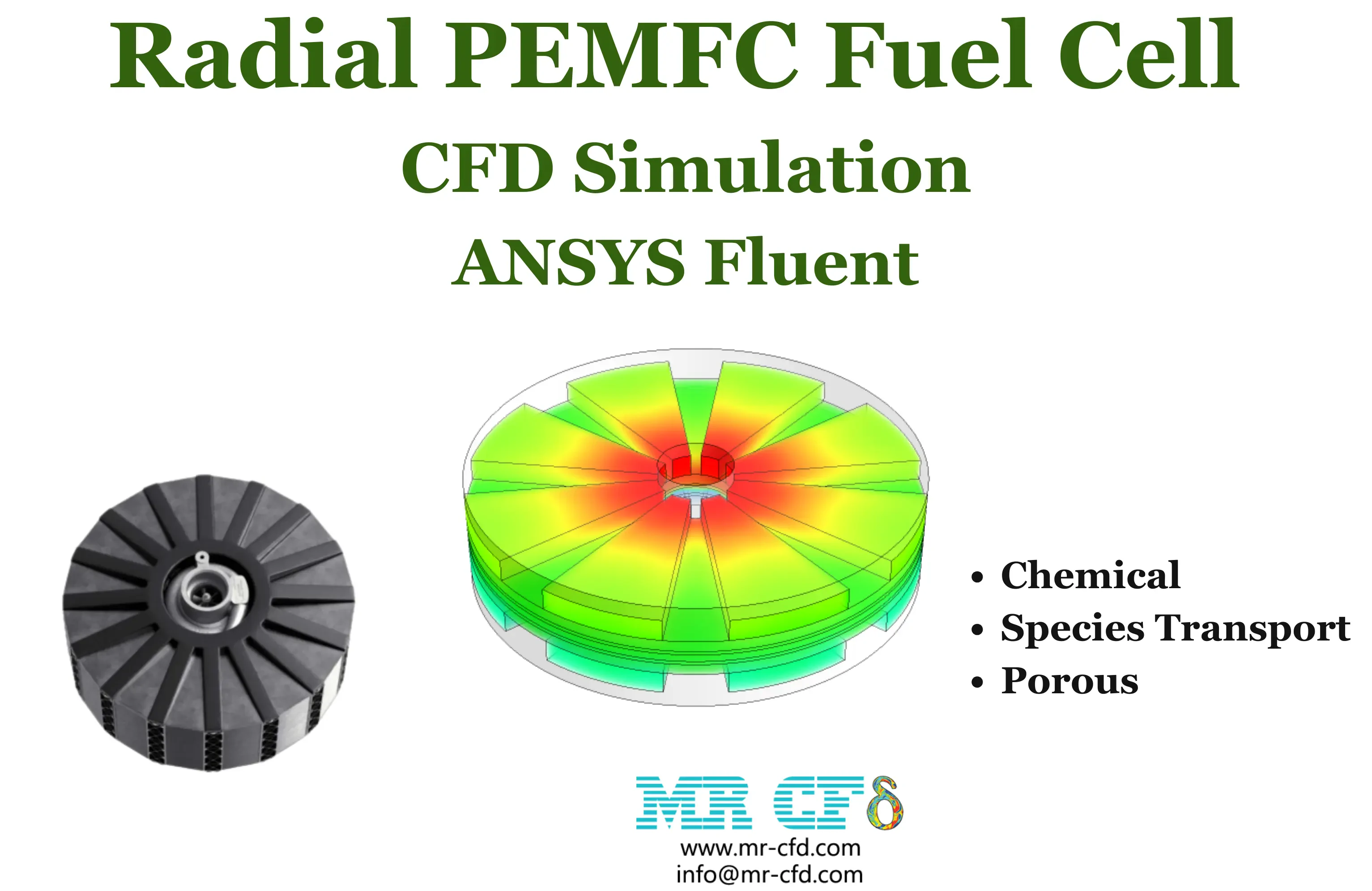
The problem numerically simulates a Radial Fuel Cell using ANSYS Fluent software. We design the 3-D model with the Design Modeler software. We mesh the model with ANSYS Meshing software, and the element number equals 2,393,706. We use the Fuel Cell and Electrolysis Model to define a fuel cell. We used the PEMFC sub-model to define a proton exchange membrane fuel cell. We used the Species model to define H2, O2, and H2O.
Price: $629
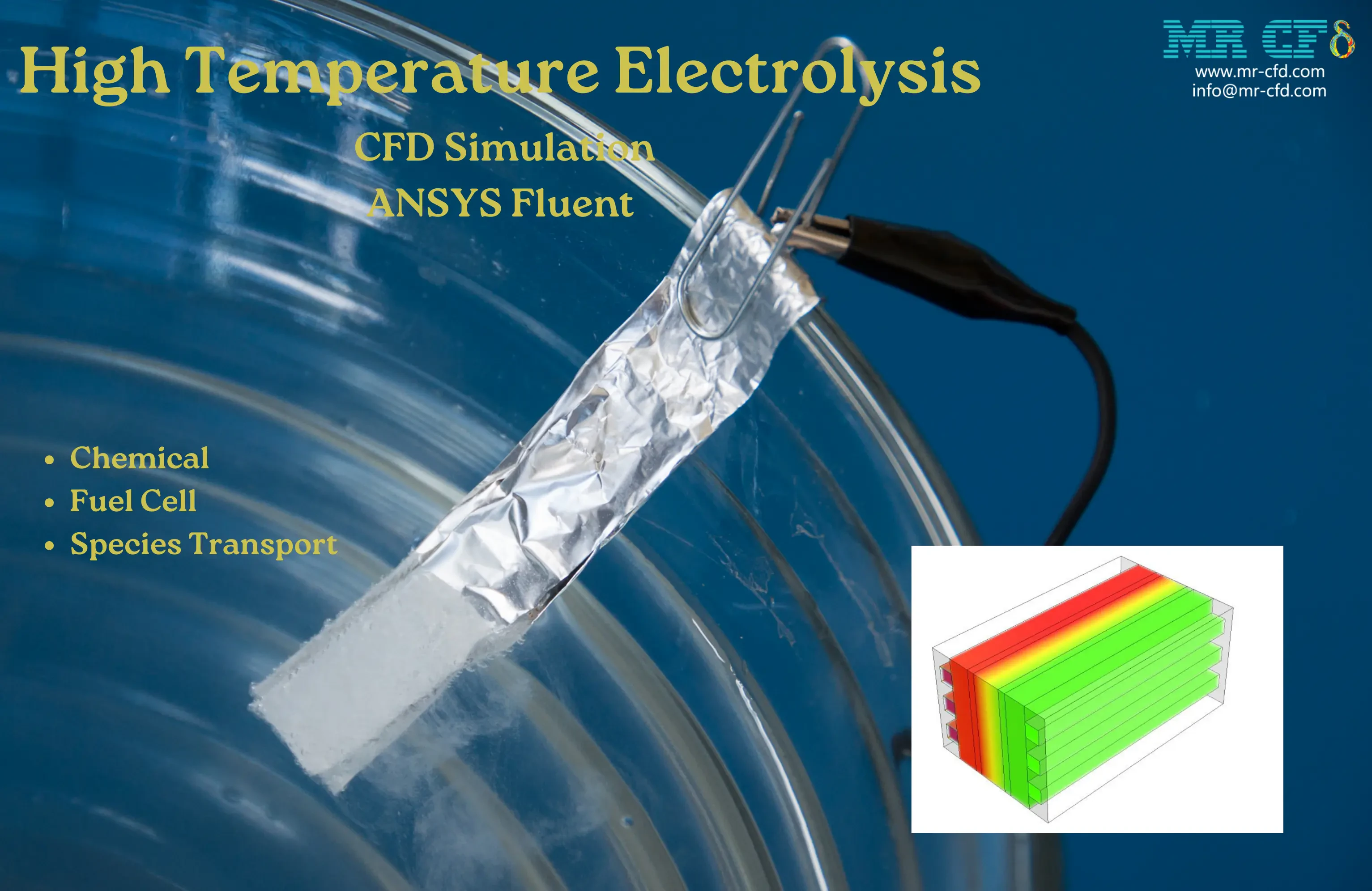
The problem numerically simulates the Electrolysis using ANSYS Fluent software. We design the 3-D model with the Design Modeler software. We mesh the model with ANSYS Meshing software, and the element number equals 2,393,706. We use the Fuel Cell and Electrolysis Model and the Electrolysis sub-model. We used the Species model to define H2, O2, and H2O.
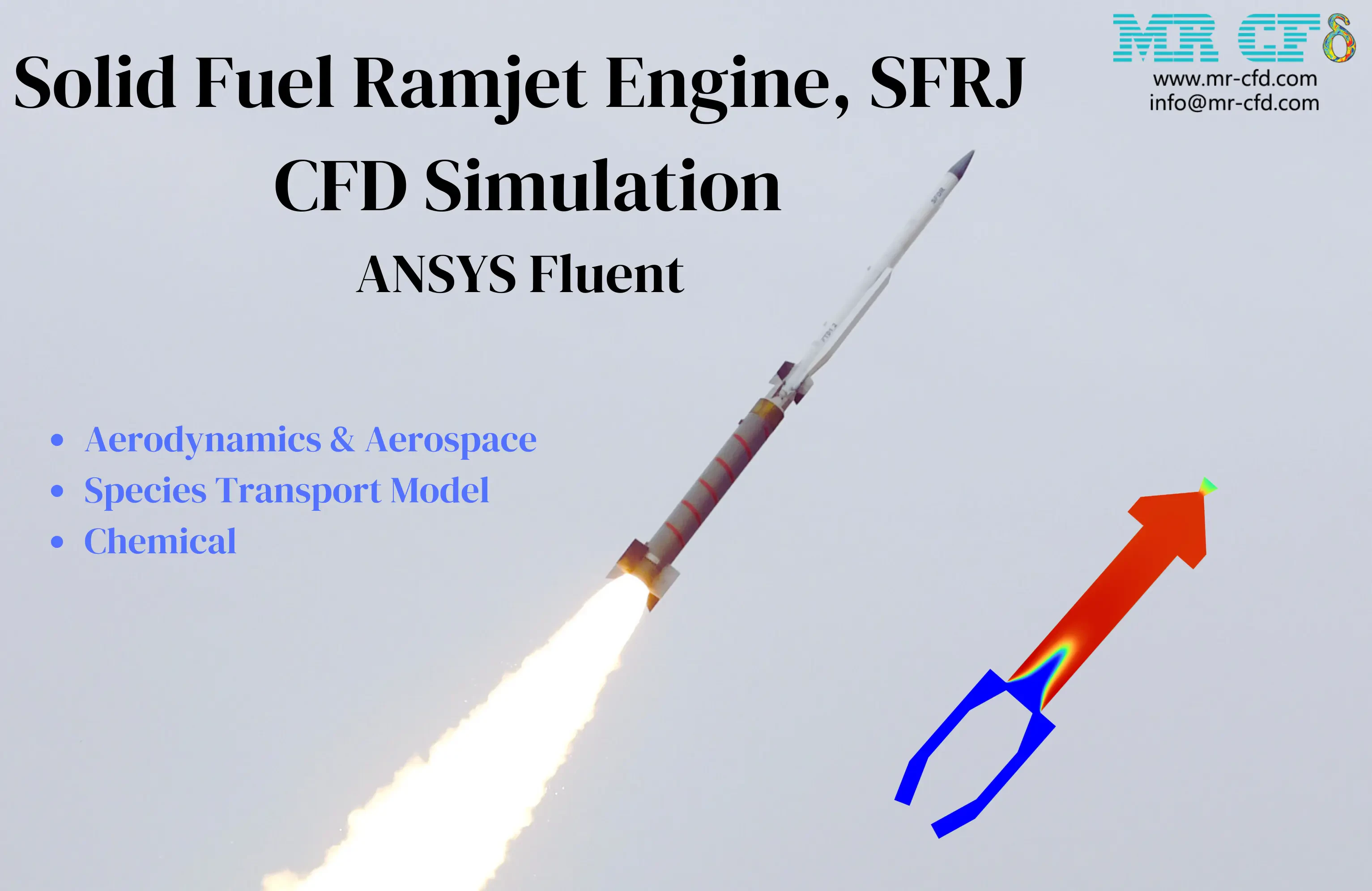
Solid Fuel Ramjet Engine, SFRJ, CFD Simulation, ANSYS Fluent
Intermediate, Advanced
Price: $80
In this project, a solid fuel ramjet (SFRJ) engine has been numerically simulated by ANSYS Fluent software. We design the 2-D model by the Design Modeler software. We Mesh the model with ANSYS Meshing software. The mesh type is Structured, and the element number equals 35,224. We use the Species Transport model to define the combustion process.
Price: $499
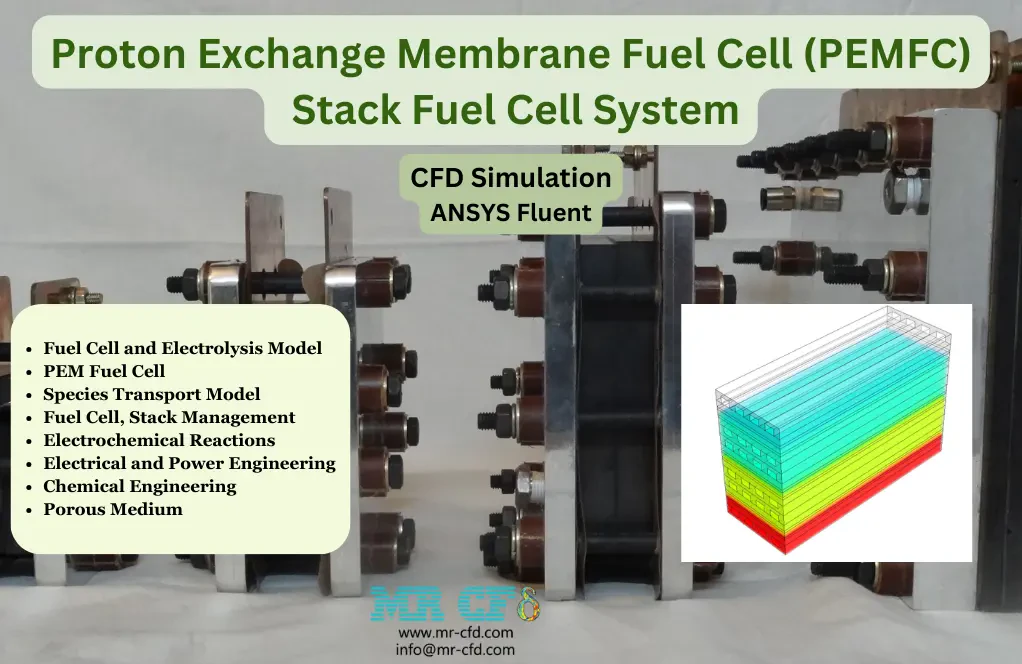
In this project, we perform the numerical simulation of a PEM Fuel Cell Stack System using ANSYS Fluent software. We designed the geometry of the model in 3D using Design Modeler software. We meshed the model using ANSYS Meshing software, and 9,946,409 cells have been generated. We used the Fuel Cell and Electrolysis model and the PEMFC submodel to define the proton-exchange membrane fuel cell. We applied the Stack Management option to define multiple fuel cell units. The Species Transport model is automatically activated because of using the fuel cell model.
Price: $629
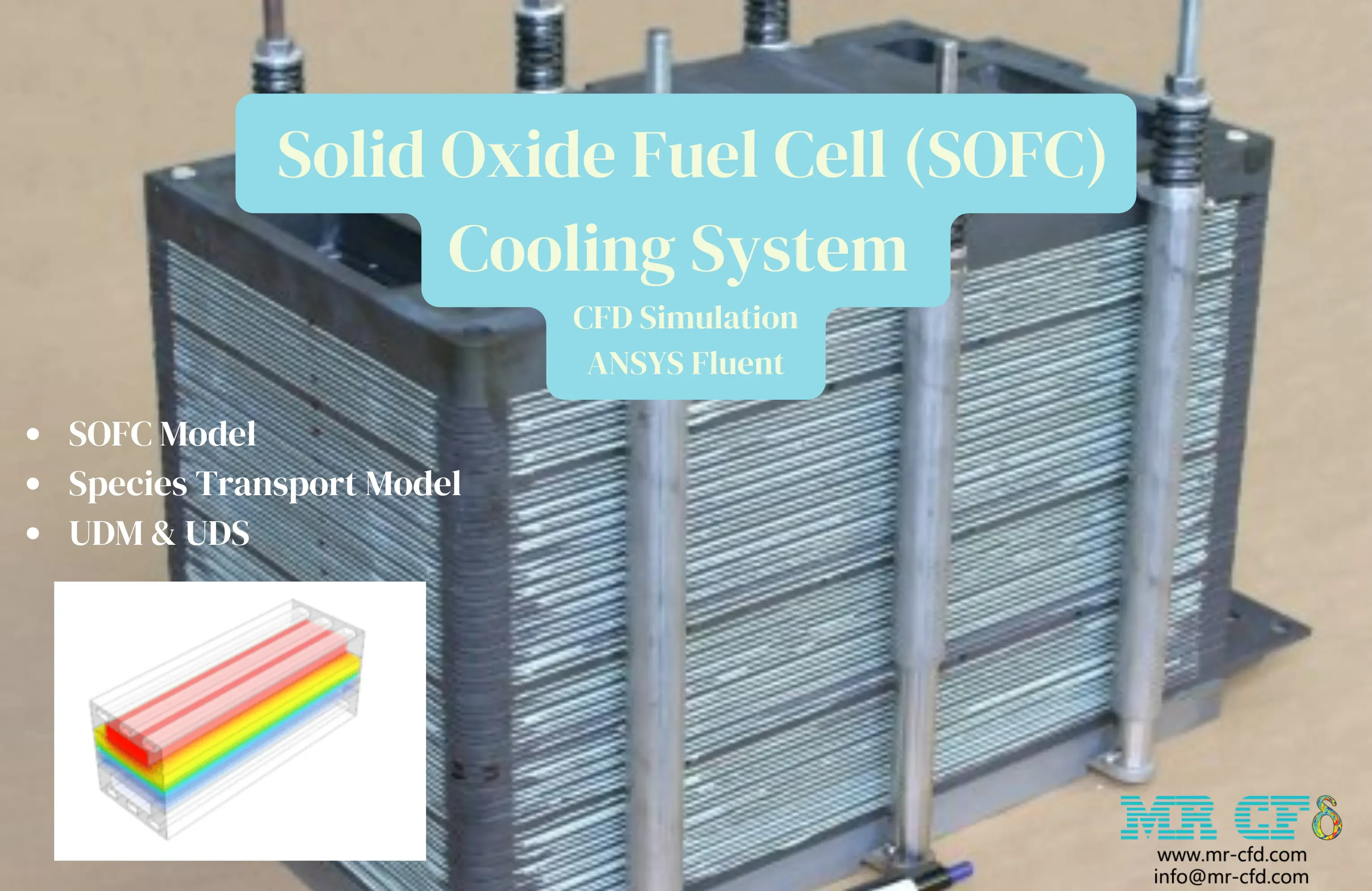
The problem numerically simulates Fuel Cell with Cooling System using ANSYS Fluent software. We design the 3-D model with the Design Modeler software. We mesh the model with ANSYS Meshing software, and the element number equals 4,984,882. We use the Fuel Cell and Electrolysis Model to define a fuel cell. We used the SOFC sub-model to define a solid oxide fuel cell. We used the Species model to define H2, O2, and H2O.
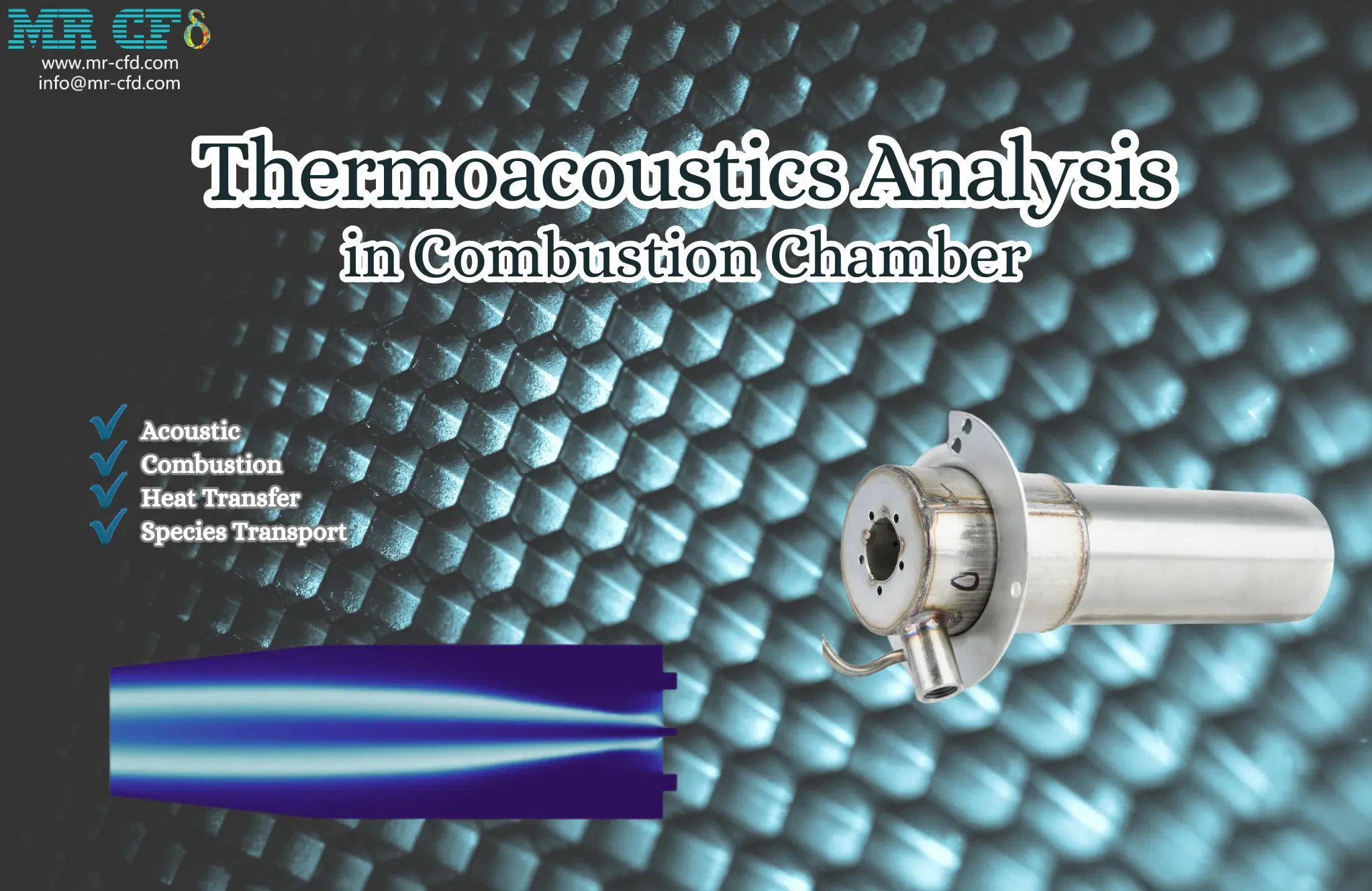
Thermoacoustic Analysis in Combustion Chamber CFD Simulation, ANSYS Fluent
Intermediate, Advanced
Price: $60
In this project, we have simulated the Thermoacoustics Analysis in Combustion Chamber using ANSYS Fluent software. Three-dimensional modeling was done using SpaceClaim software. The meshing of the model has been done using ANSYS Meshing software. The Non-Adiabatic Non-Premixed Combustion model models the combustion. The acoustic is modeled via the Broadband Noise Source model.