

CFD Online Courses
Here's every CFD online course related to CFD category.
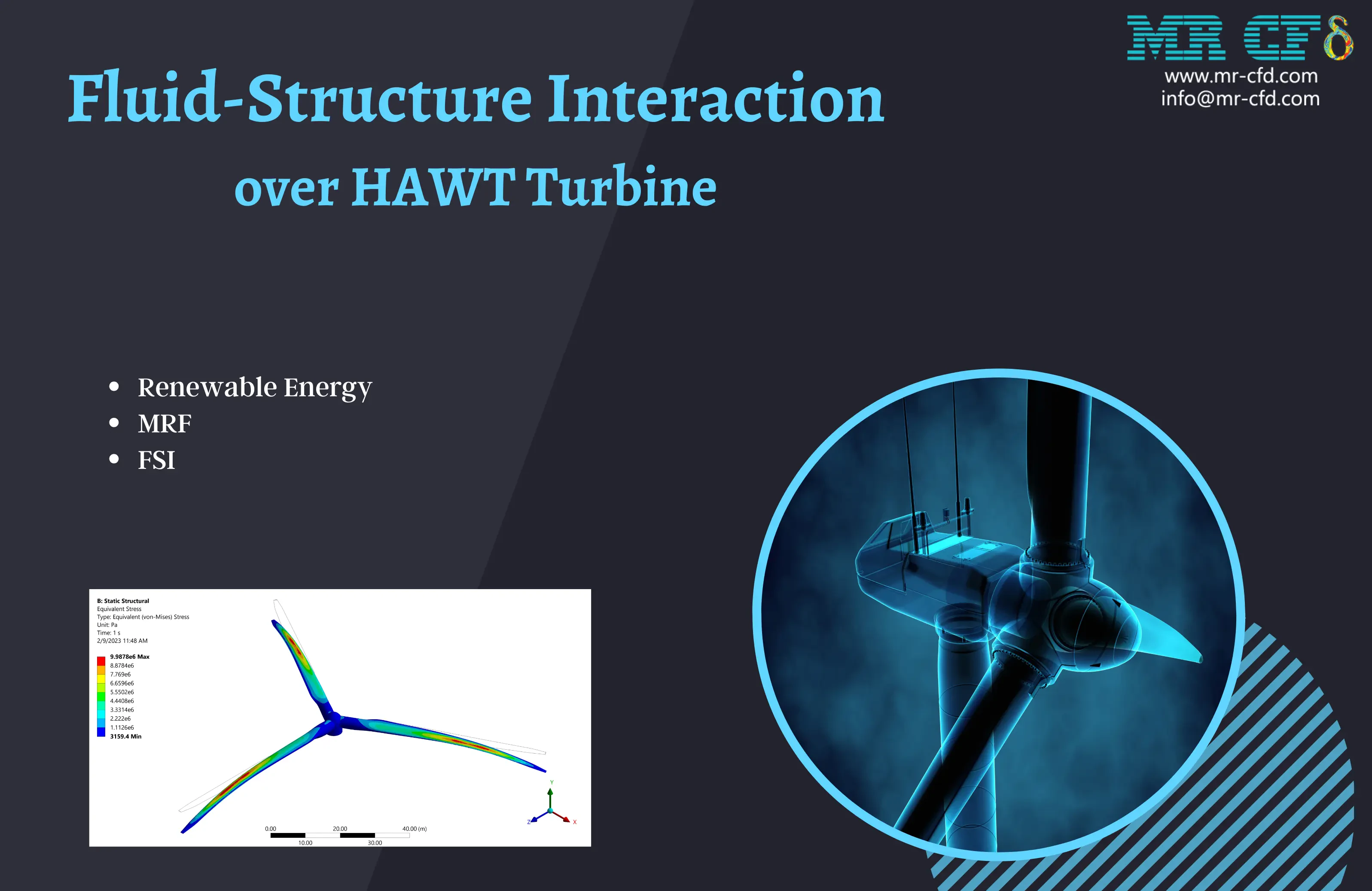
Fluid-Structure Interaction over HAWT Turbine Vibration (one-way)
Intermediate, Advanced
Price: $54
The problem numerically simulates the Fluid-Structure Interaction over HAWT Turbine using ANSYS Fluent software. We design the 3-D model by the Design Modeler software. Mesh grid is generated using ANSYS Meshing , and the element number equals 3,465,821. The MRF method is used to rotate the turbine. FSI model analyses total strain, and stress over the turbine.
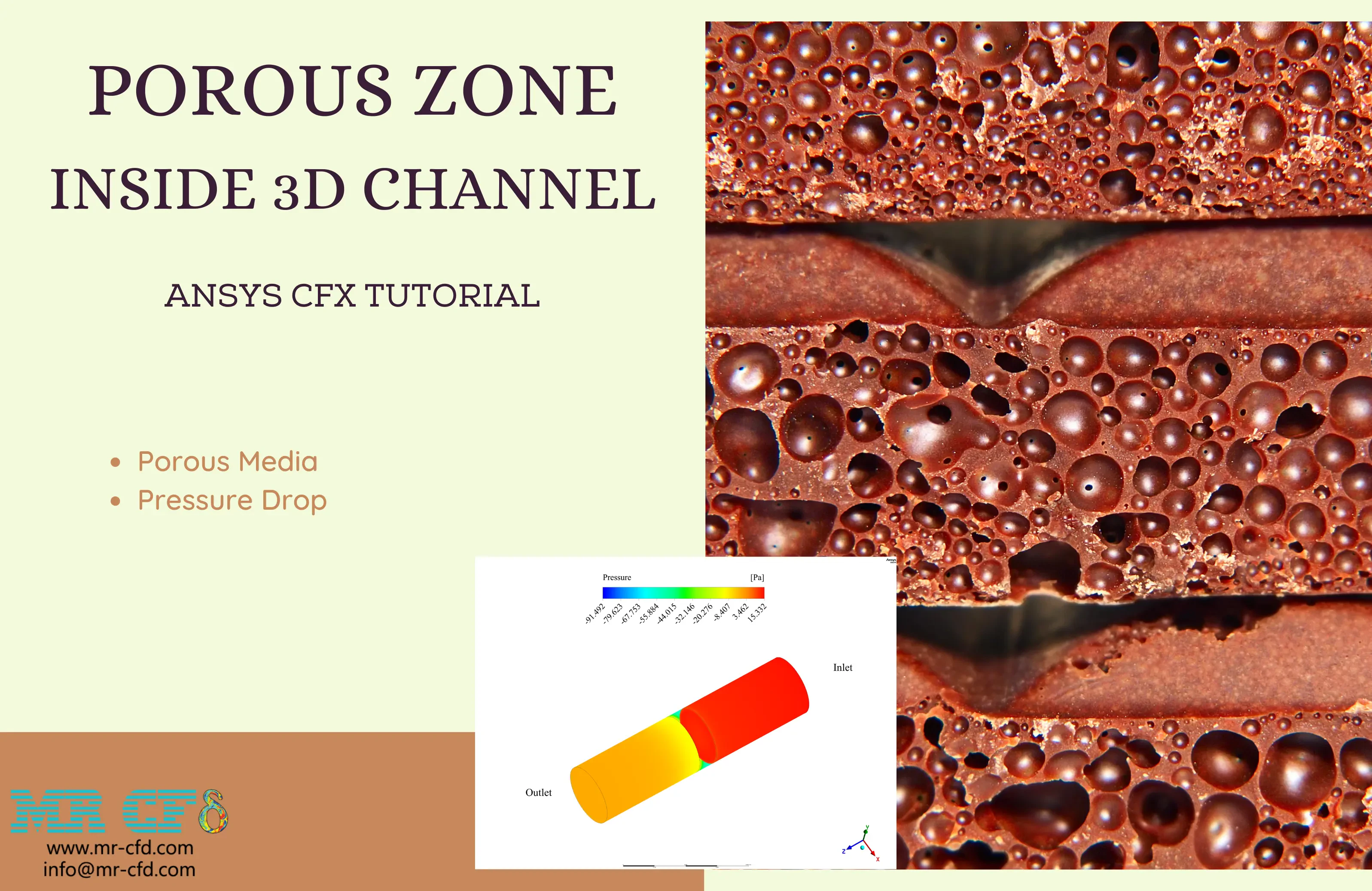
Porous Zone Inside 3D Channel ANSYS CFX Tutorial
Beginner, Intermediate, Advanced
Price: $60
The problem numerically simulates a Porous Zone inside 3D cylinder using ANSYS CFX software. We modeled the geometry using ANSYS Design Modeler and created the mesh using ANSYS Meshing software. The mesh type is Structured and the number of them is 1,308,762. Porosity has been used in the simulation. Pressure Drop inside the channel due to porosity is investigated.
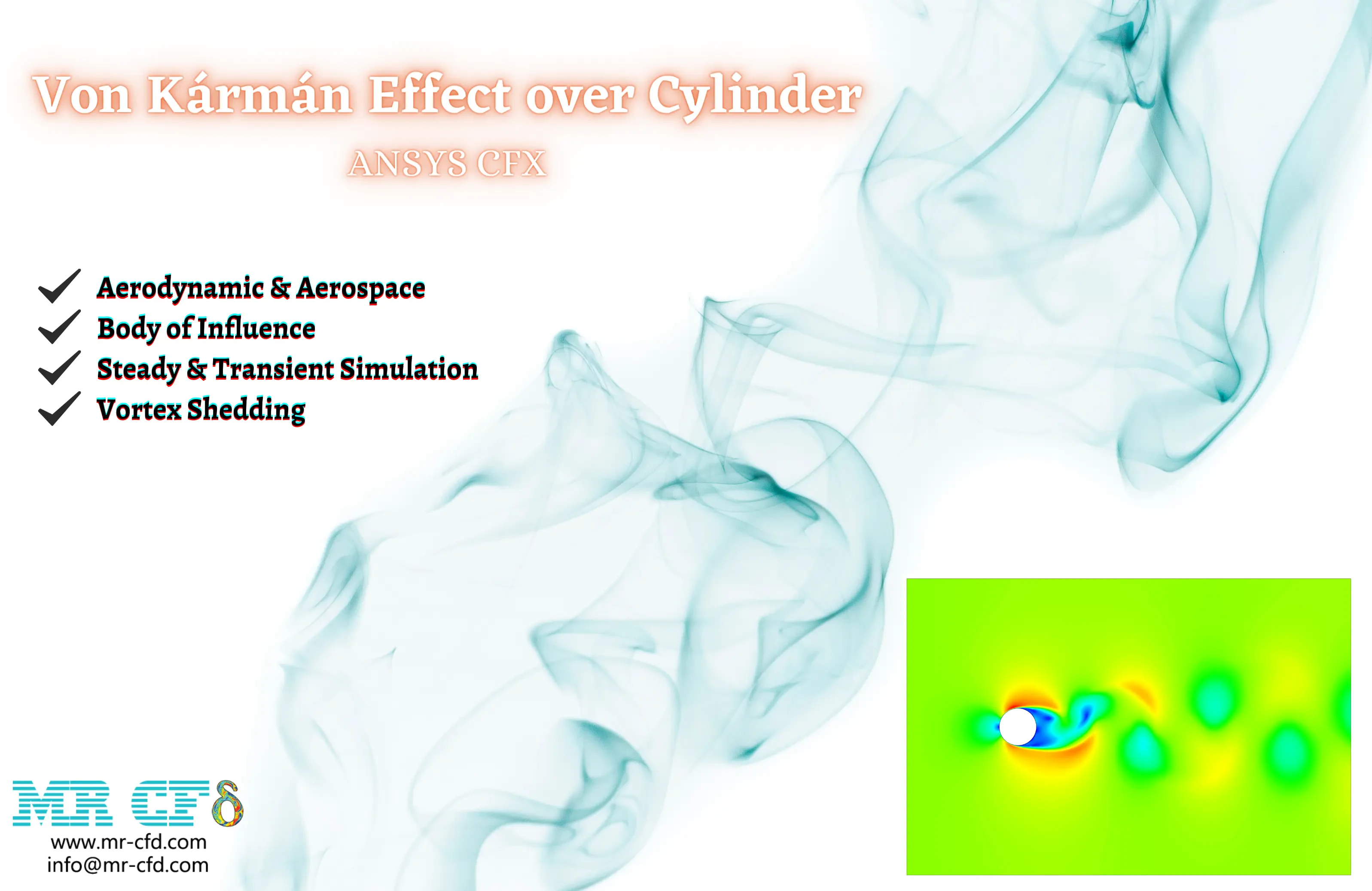
Von Kármán Effect over Cylinder, ANSYS CFX
Beginner, Intermediate, Advanced
Price: $80
The problem numerically simulates the Von Kármán effect behind a cylinder using ANSYS CFX software. The geometry is designed in a 2.5D model with the Design Modeler software. We performed the mesh of the model with ANSYS Meshing software, and the element number equals 77,262. Body of Influence option is used to create smaller elements around the cylinder. The Transient and Steady form of the solution is performed.

Price: $649
The problem numerically simulates the dynamic stability derivatives of a flying wing aircraft using ANSYS Fluent The Mesh Motion and UDF files are used to define the rotational and oscillatory motion of the wing. The 3D geometry of the model was created using ANSYS SpaceClaim A high-quality unstructured mesh was generated using ANSYS Meshing The corresponding graphs are drawn and the total number of 24 dynamic derivatives coefficients are correctly extracted.
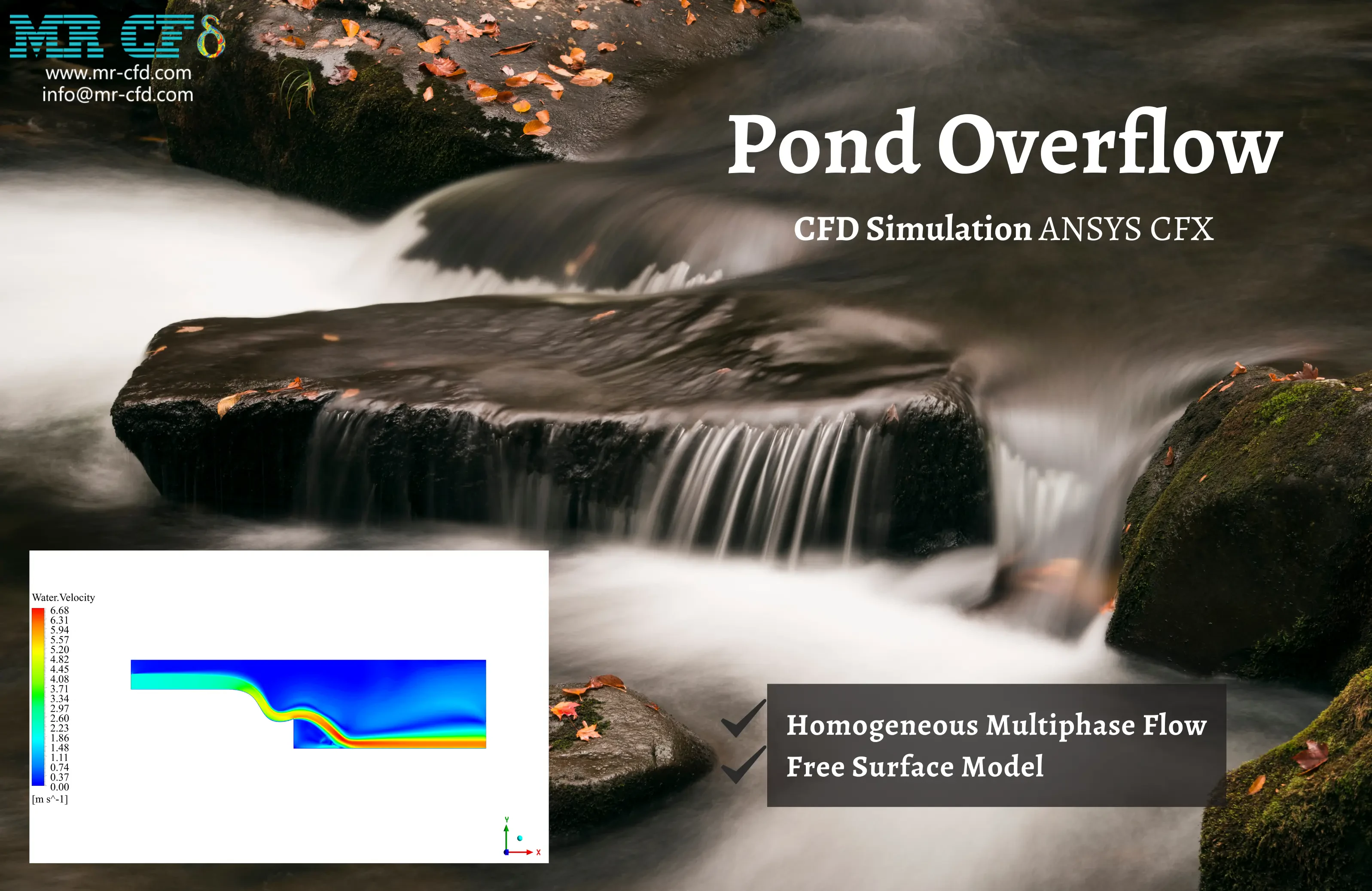
Pond Overflow CFD Simulation, ANSYS CFX
Beginner, Intermediate, Advanced
Price: $100
The problem numerically simulates the Pond Overflow using ANSYS CFX software. The geometry is designed in a 2.5D model with the Design Modeler software. We performed the mesh of the model with ANSYS Meshing software, and the element number equals 55,418. The homogeneous Multiphase model defines water and air beside Free Surface Model.
Discrete Phase Model in ANSYS FLUENT
Beginner, Intermediate, Advanced
Price: $4
Discrete Phase Model Dialog Box: interaction, particle treatment, tracking Physical Models: DEM, Breakup, Coalescence, etc Injection Dialog box: injection type, particle type, diameter distribution, etc Drag Laws: spherical, non-spherical, stokes-cunningham, etc Breakup Models: TAB, Wave DPM Boundary Conditions: Trap, reflect, wall-film, etc
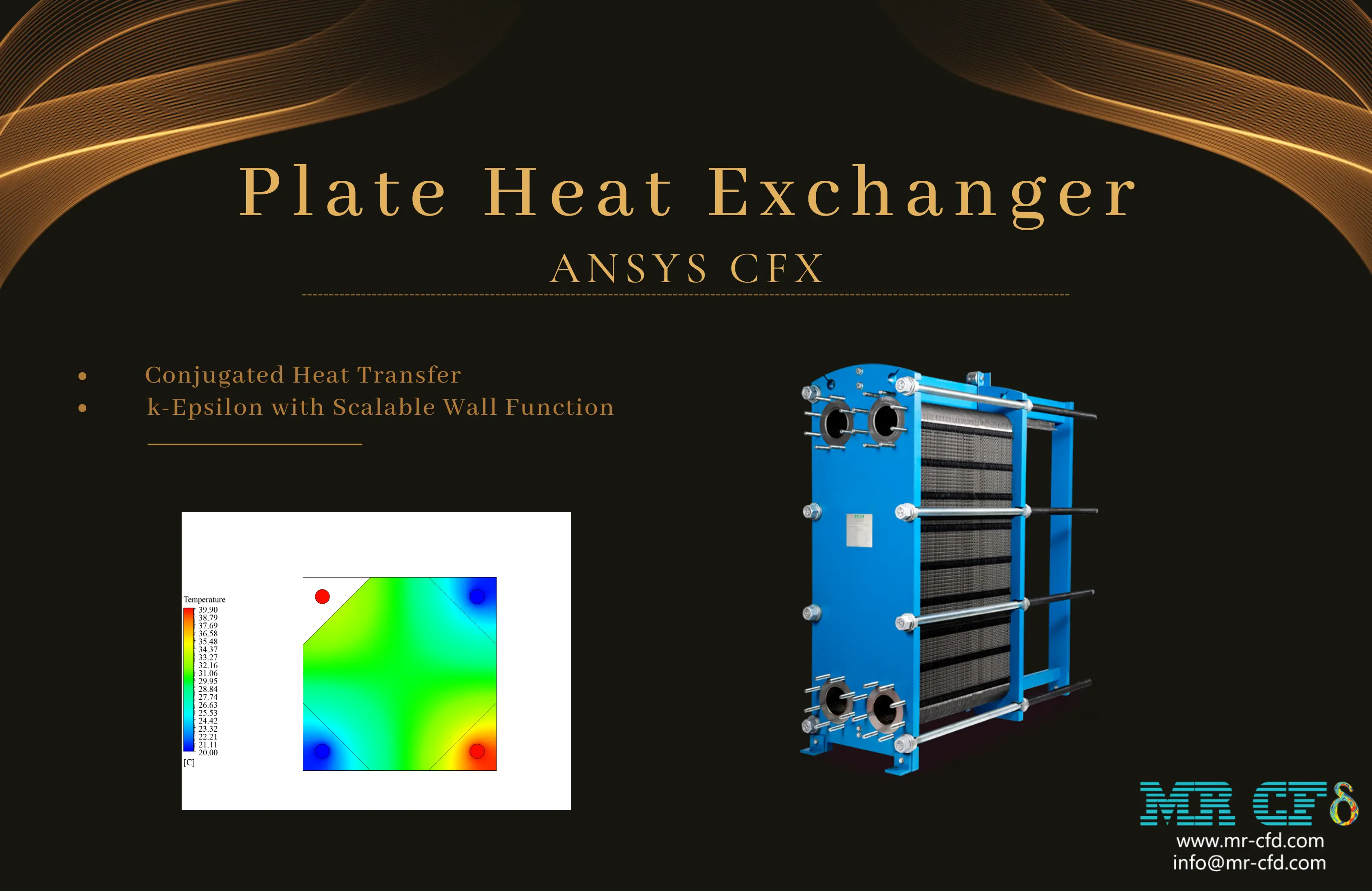
Plate Heat Exchanger CFD Simulation, ANSYS CFX
Beginner, Intermediate, Advanced
Price: $100
This problem simulates the Plate Heat Exchanger by ANSYS CFX software. The geometry of the present model is drawn by Design Modeler in 2.5D and then is meshed by ANSYS Meshing software. The cell number equals 5,096,686. Thermal Energy is enabled to capture the temperature. Both Conduction and Convection happen in the domain (Conjugated Heat Transfer (CHT)).
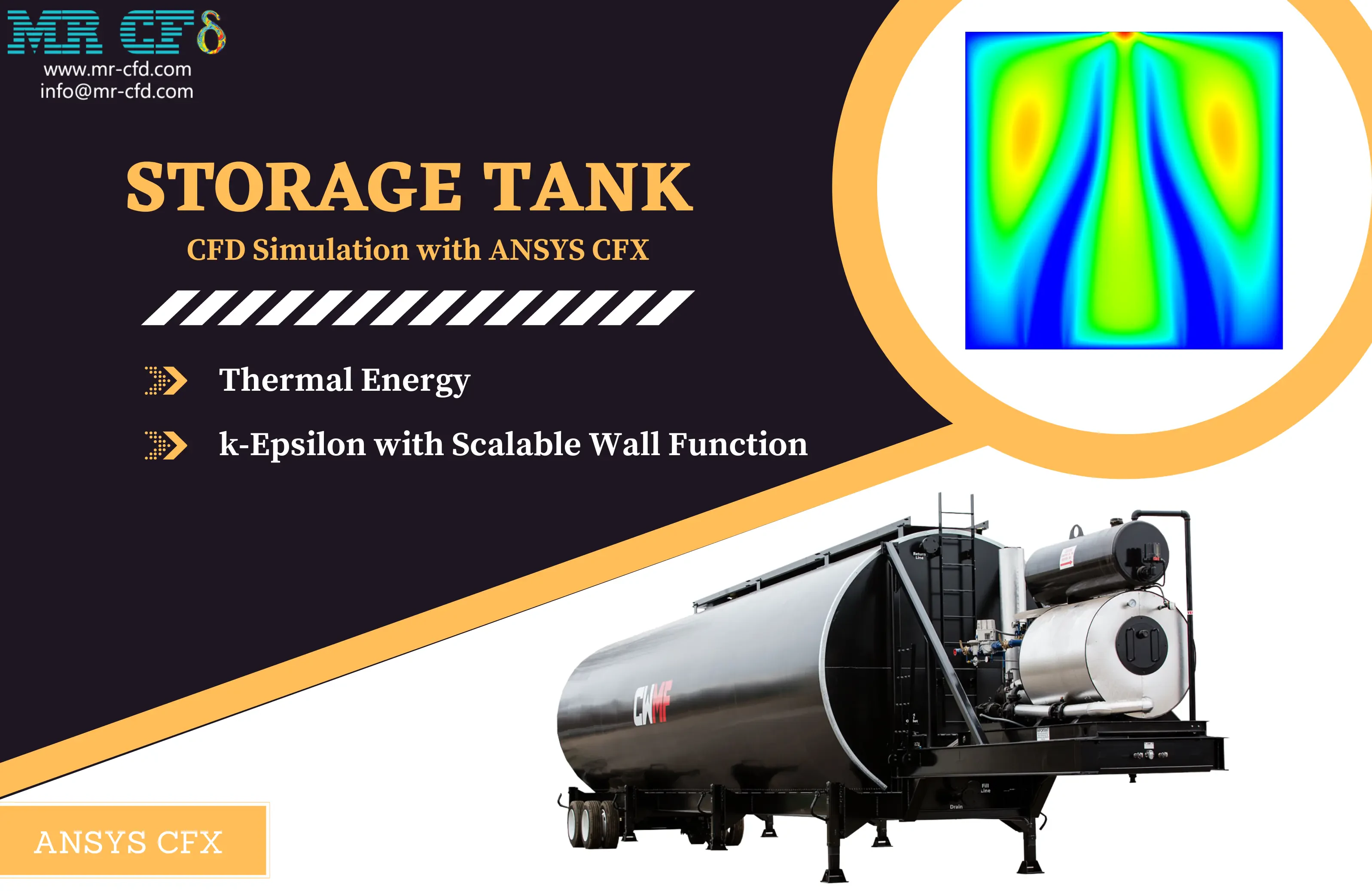
Storage Tank CFD Simulation, ANSYS CFX
Beginner, Intermediate, Advanced
Price: $120
Thermal Analysis in a storage tank via ANSYS CFX software. The geometry is designed using ANSYS Design modeler software and the mesh is created on this geometry using ANSYS Meshing software. The mesh type is Structured with 10,100 cells. Thermal Energy is enabled to capture the temperature. The Mixing & Convection phenomena are involved in this simulation.
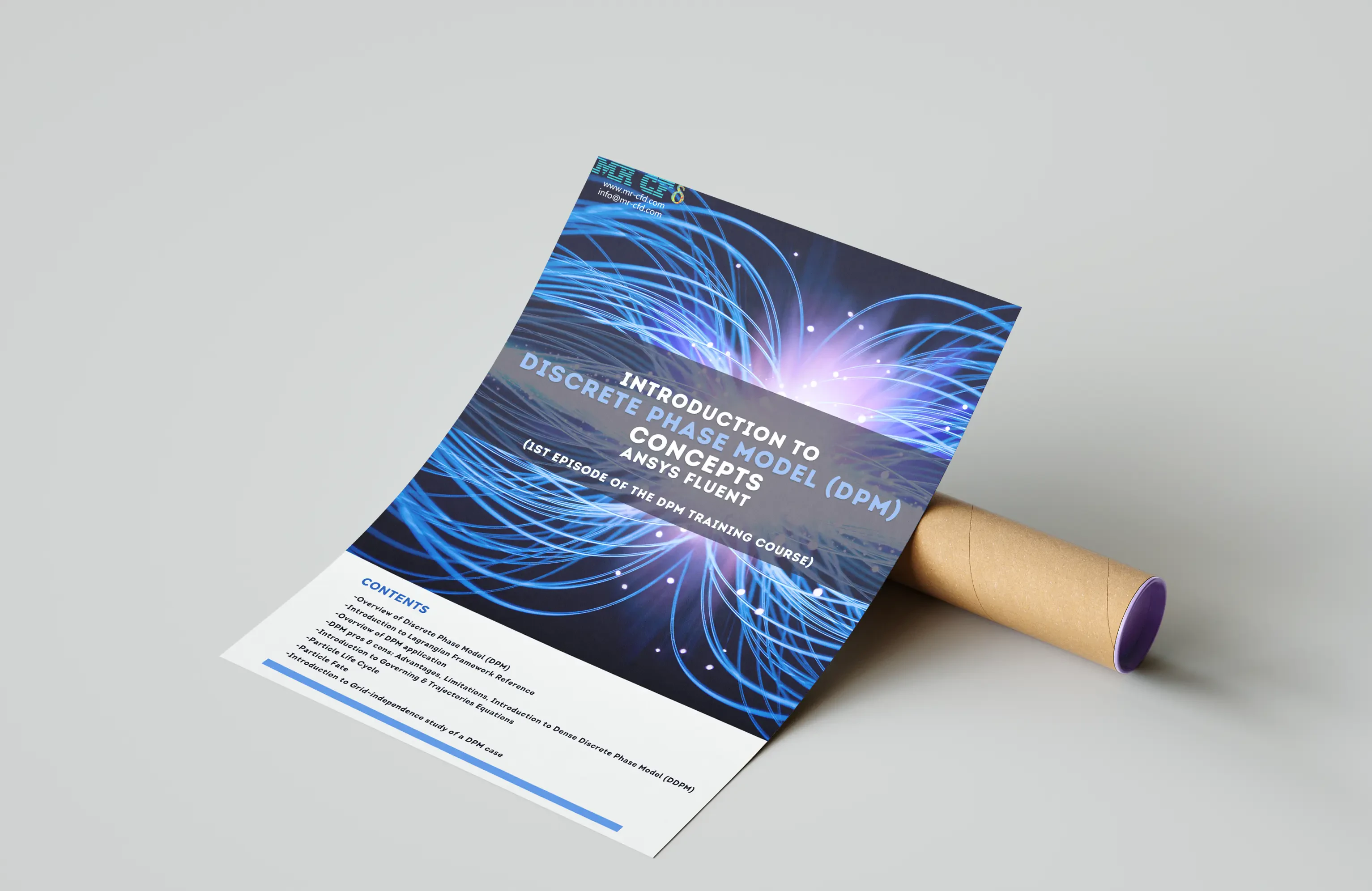
Introduction to Discrete Phase Model (DPM) Concepts
Beginner, Intermediate, Advanced
Price: Free
Introduction and overview of the Discrete Phase Model (DPM) Introduction to Lagrangian Framework Reference Overview of DPM application in industries and real-world examples DPM pros & cons Particle Life Cycle Introduction to Governing & Trajectories Equations Particle Fate Introduction to Grid-independence study of a DPM case