

Mechanical Online Courses
Here's every CFD online course related to Mechanical category.
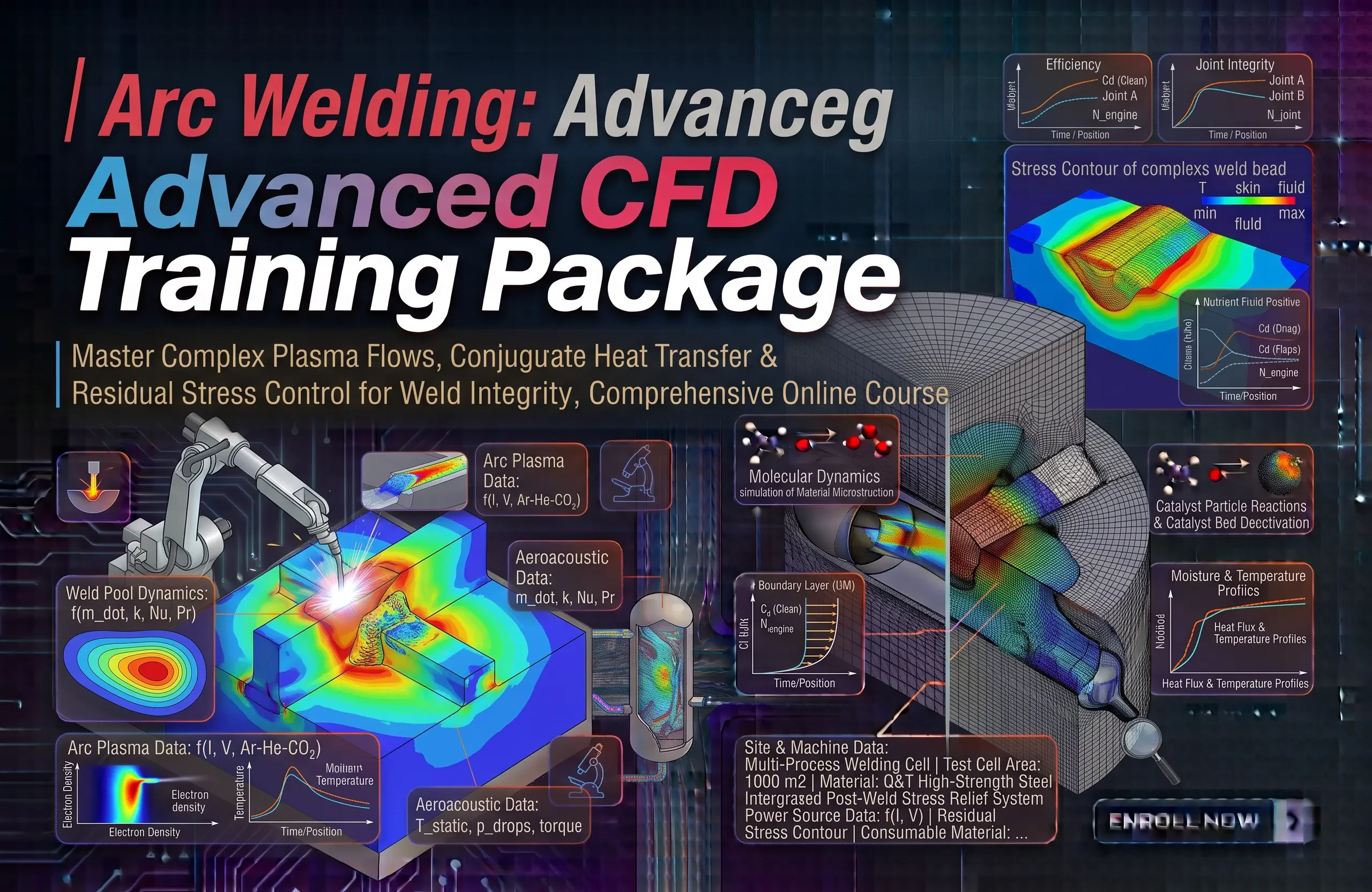
Arc Welding
Beginner, Intermediate, Advanced
Price: $210
Arc welding process simulated using ANSYS Fluent User-Defined Scalar (UDS) calculates electrical potential/properties User-Defined Function (UDF) computes electric field heat release, added as an energy equation source term Geometry built in SpaceClaim Mesh of 335,560 elements generated in ANSYS Meshing
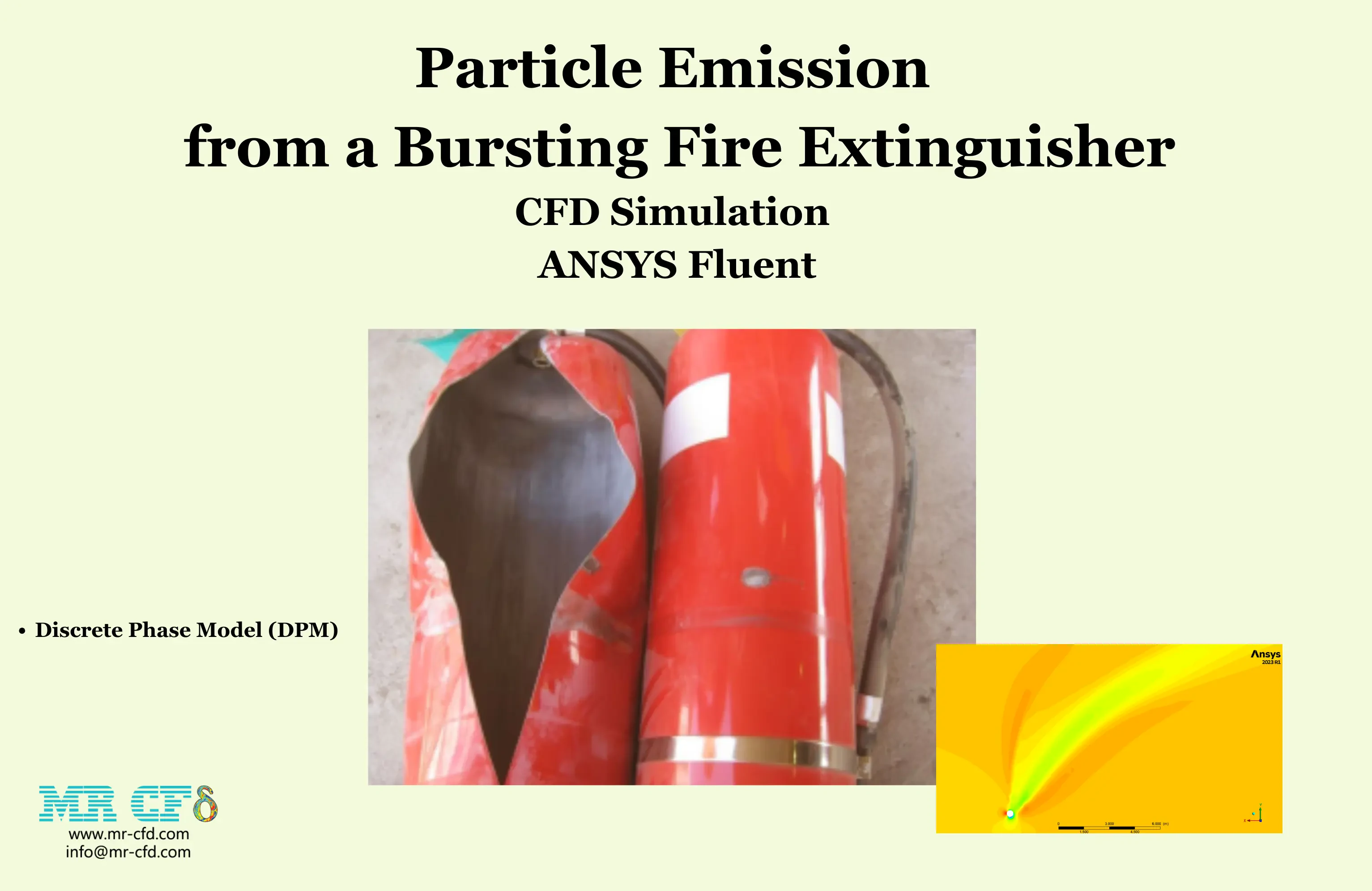
Particle Emission from a Bursting Fire Extinguisher CFD Simulation, ANSYS Fluent
Intermediate, Advanced
Price: $8
In this project, the Particle Emission from a Bursting Fire Extinguisher is modeled using ANSYS Fluent. The geometry was created in SpaceClaim, and a mesh consisting of 1,172,162 elements was generated using ANSYS Meshing. The Discrete Phase Model (DPM) was chosen to simulate emission released from capsule. The turbulence effect is modeled with the k-ε standard model.
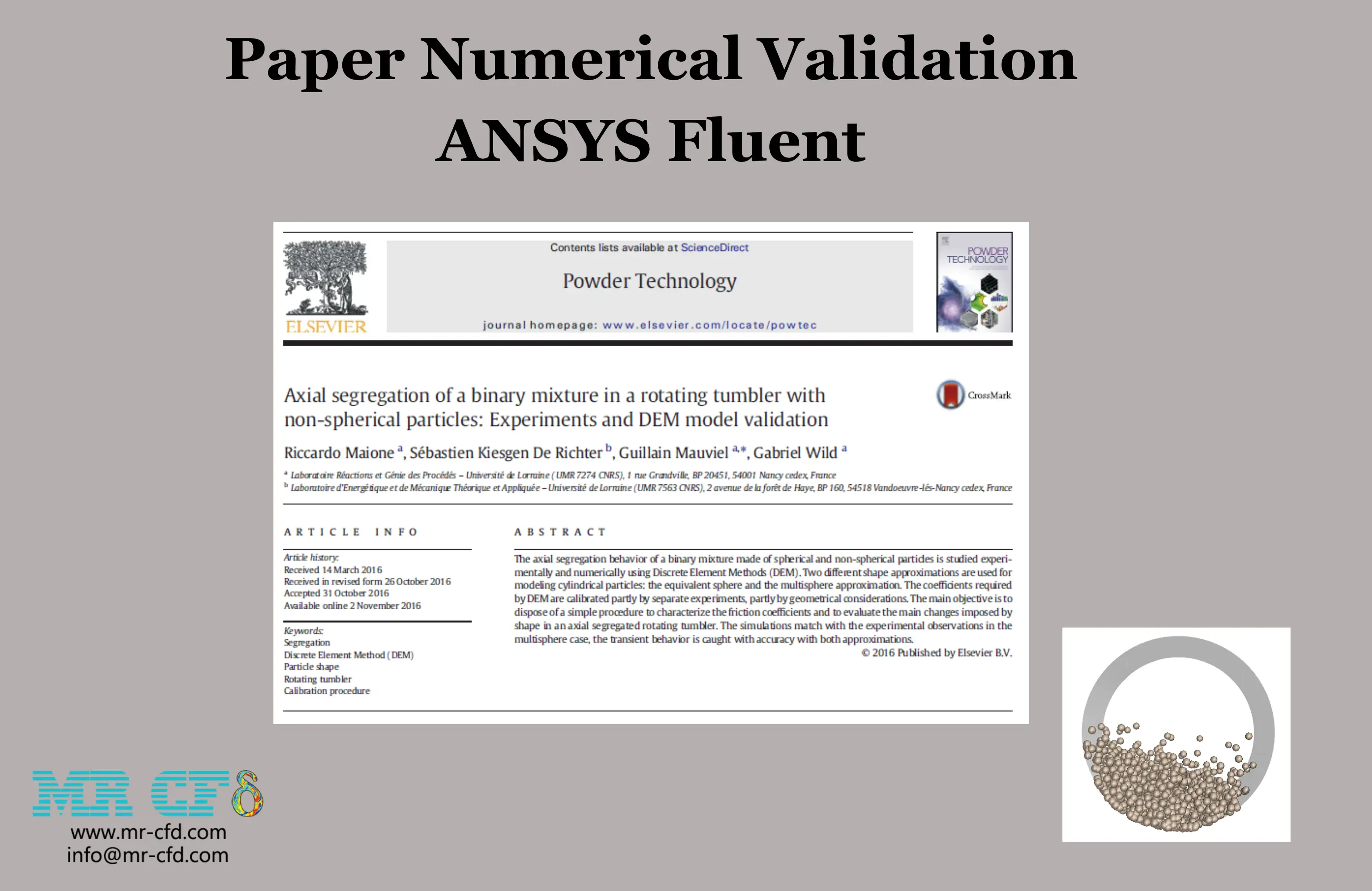
Axial Segregation of a Binary mixture in a rotating tumbler, DEM, Paper Numerical Validation
Advanced
Price: $32
The current CFD Analysis numerically validates the Paper "Axial segregation of a binary mixture in a rotating tumbler with non-spherical particles: Experiments and DEM model validation" via ANSYS Fluent software. We have designed and meshed the geometry using SpaceClaim and ANSYS Meshing producing 31,428 elements. Mesh Motion is used to simulate rotation of the tumbler.
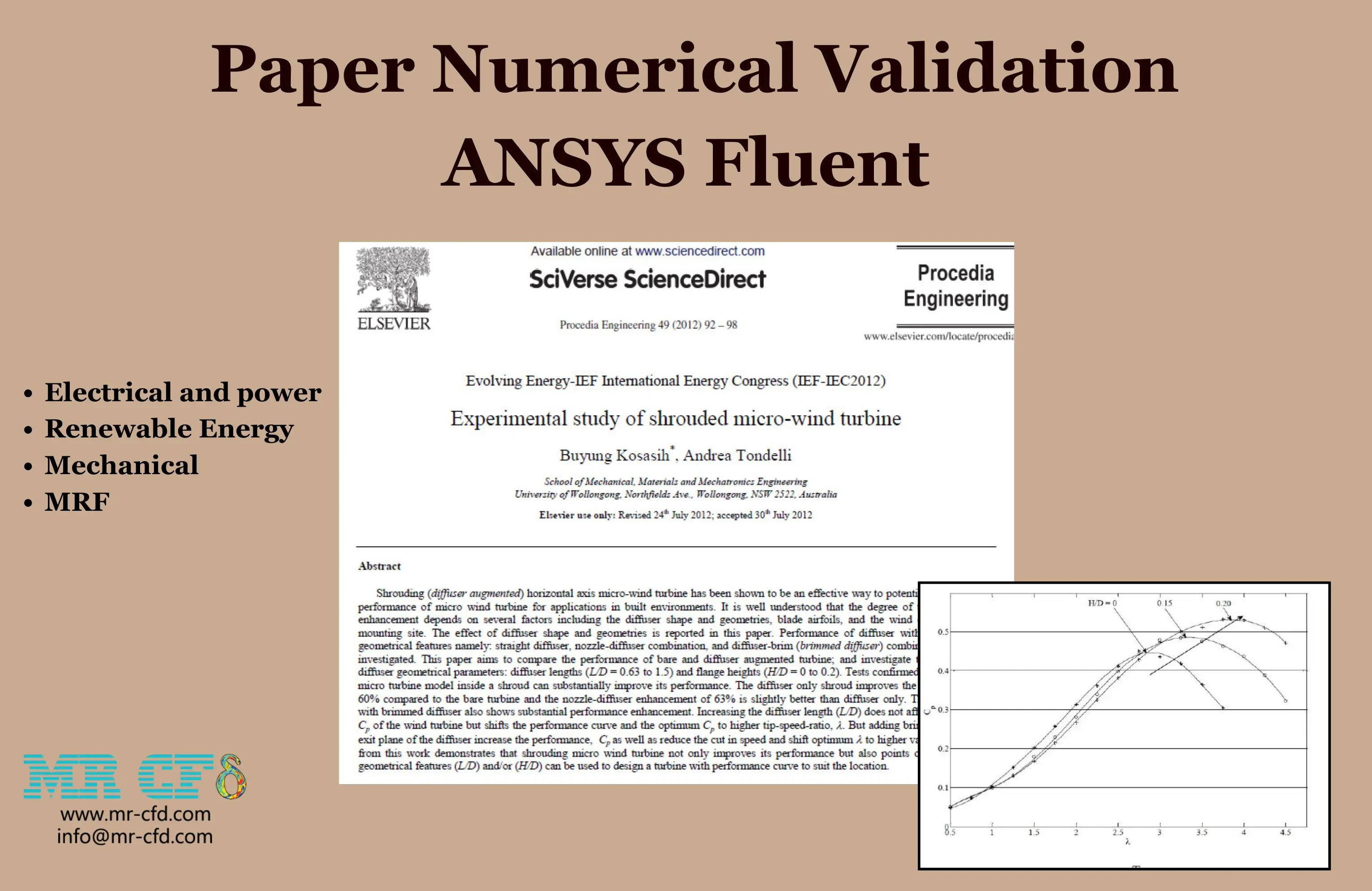
Shrouded Micro-wind Turbine CFD Simulation, Paper Numerical Validation, ANSYS Fluent
Intermediate, Advanced
Price: $32
The current CFD Analysis numerically Validates the Paper "Experimental study of shrouded micro-wind turbine" via ANSYS Fluent software. We have designed and meshed the geometry using Design Modeler and ANSYS Meshing then meshing in fluent, producing 2,356,897 polyhedral elements. MRF is used to simulate rotating zone. The turbulence of the flow is simulated via K-w sst model.
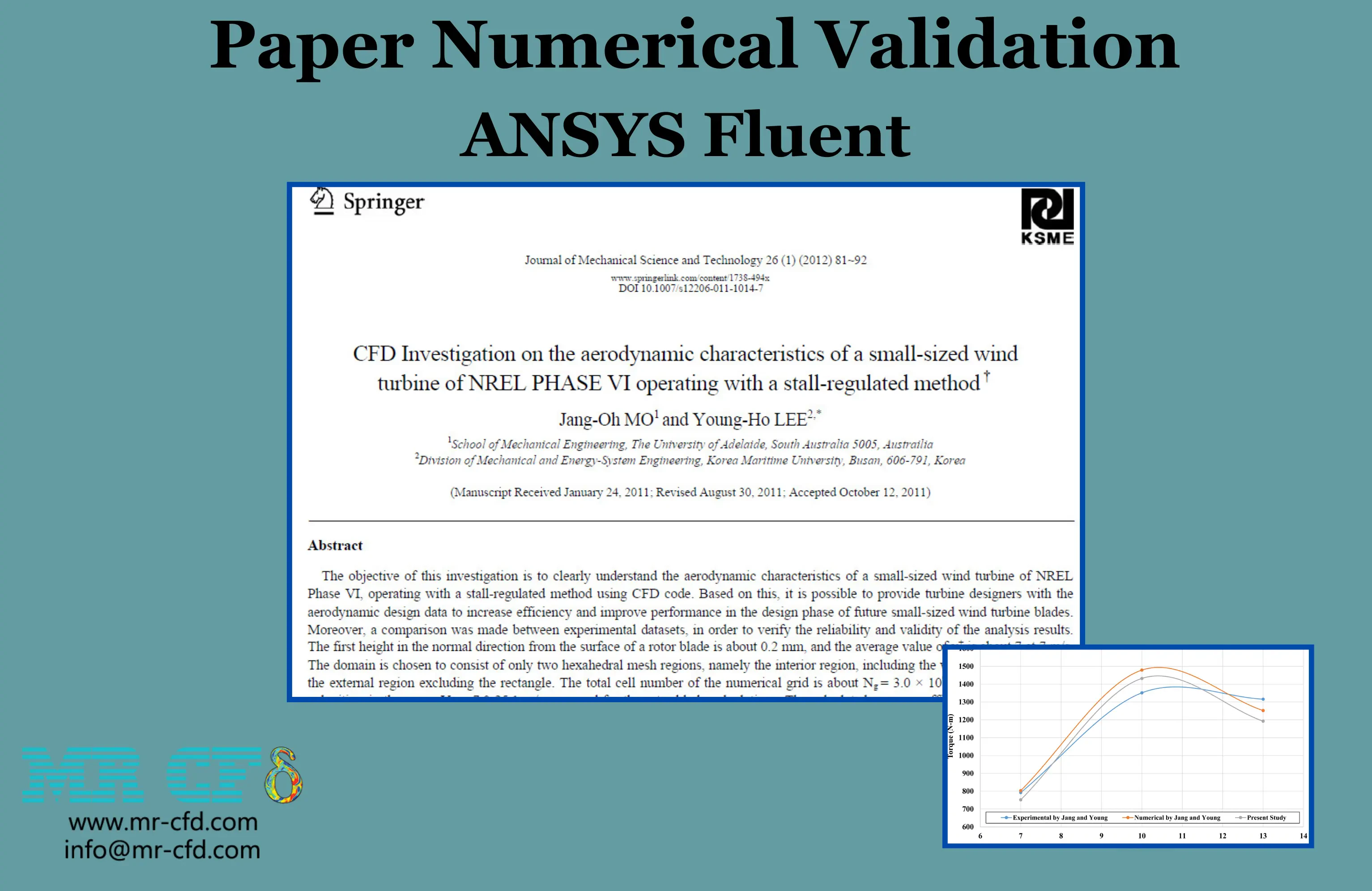
Horizontal Axis Wind Turbine (HAWT), Paper Numerical Validation, ANSYS Fluent
Intermediate, Advanced
Price: $320
The current CFD Analysis numerically validates the Paper "CFD Investigation on the aerodynamic characteristics of a small-sized wind turbine of NREL PHASE VI operating with a stall-regulated method" via ANSYS Fluent software. We have designed and meshed the geometry using Spaceclaim and ANSYS Meshing then meshing in fluent, producing 5,466,728 elements. MRF is used to simulate rotating zone. The turbulence of the flow is simulated via Realizable k-epsilon model.
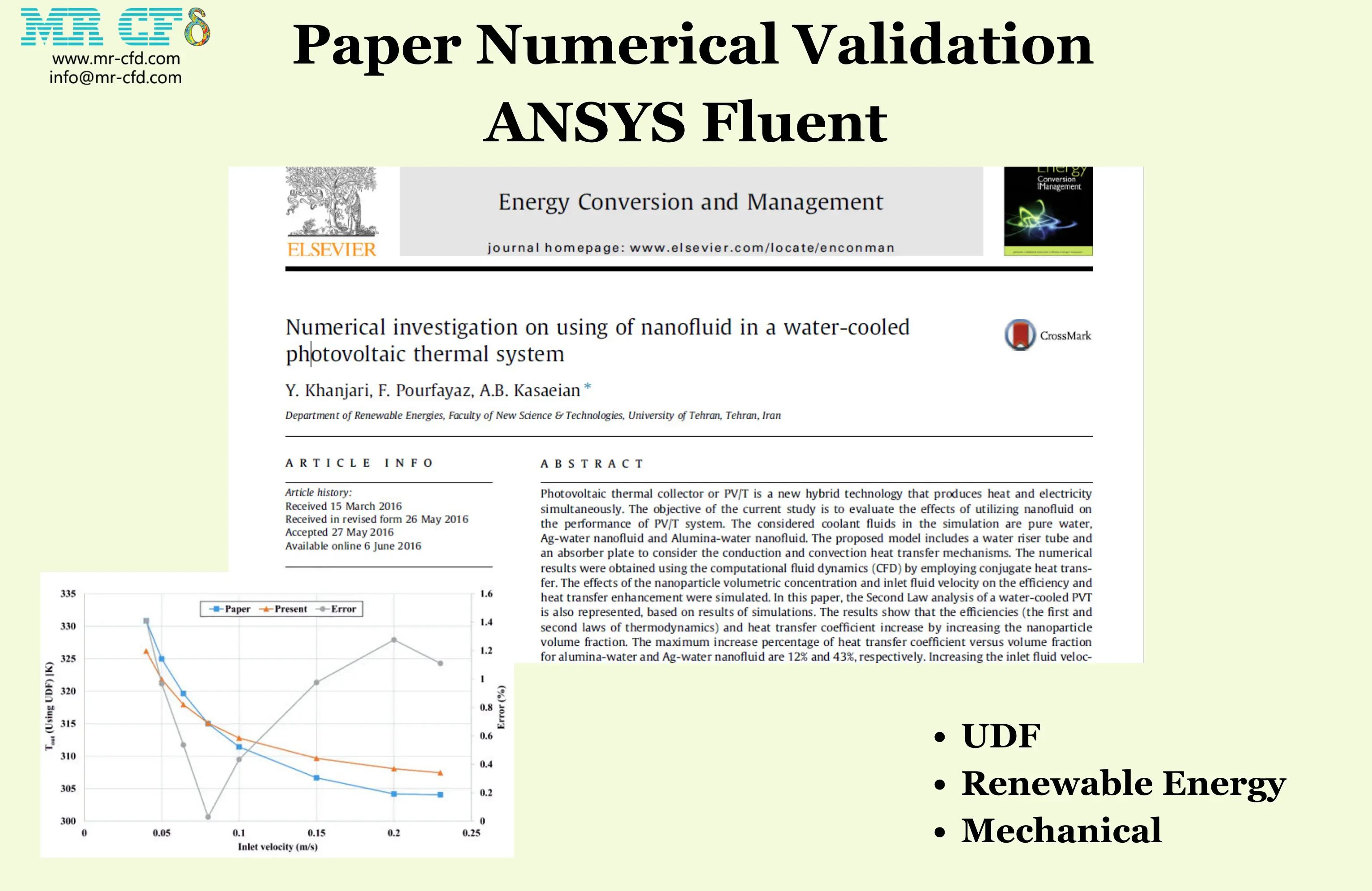
Water-Cooled Photovoltaic Thermal (PVT) System using Nanofluid, Paper Numerical Validation
Intermediate, Advanced
Price: $360
The current CFD Analysis numerically Validates the Paper "Numerical investigation on using of nanofluid in a water-cooled photovoltaic thermal systems" via ANSYS Fluent software. We have designed and meshed the geometry using Design Modeler, producing structured cells. UDF in SOURCE Macro is used for the heat generation.
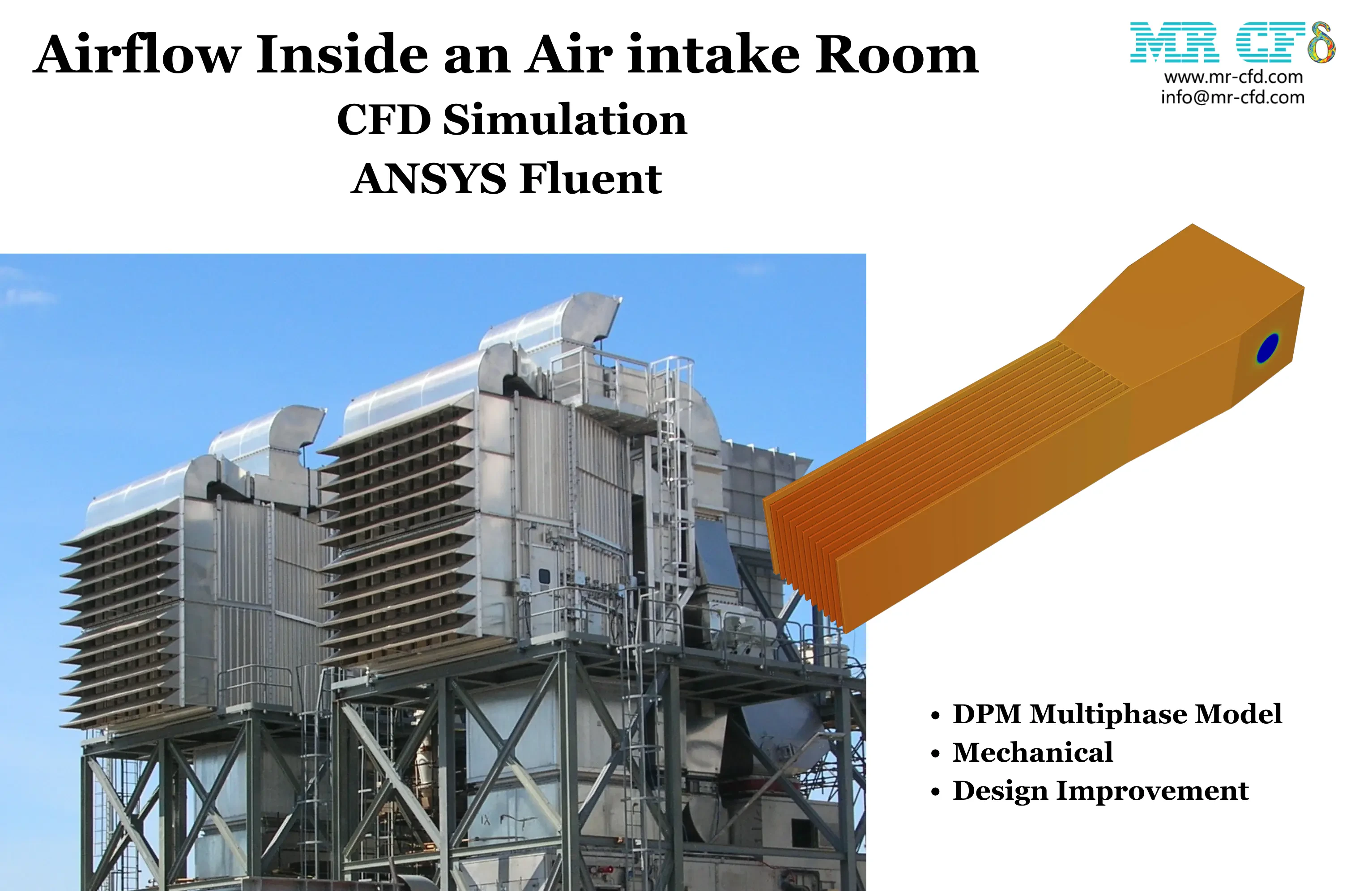
Particle Purifying in Air Intake Room, Design Improvement CFD Simulation
Intermediate, Advanced
Price: $10
The problem numerically simulates an Airflow Inside the Air Intake Room in ANSYS Fluent software. The 3D geometry of the model is created in SpaceClaim software. The model is meshed in ANSYS Meshing creating 13,103,505 and 13,867,650 elements for the first and second case respectively. The Discrete Phase Model (DPM) is used to simulate purifying process. The Realizable k-epsilon model is used to describe turbulence of the flow.
Price: $20
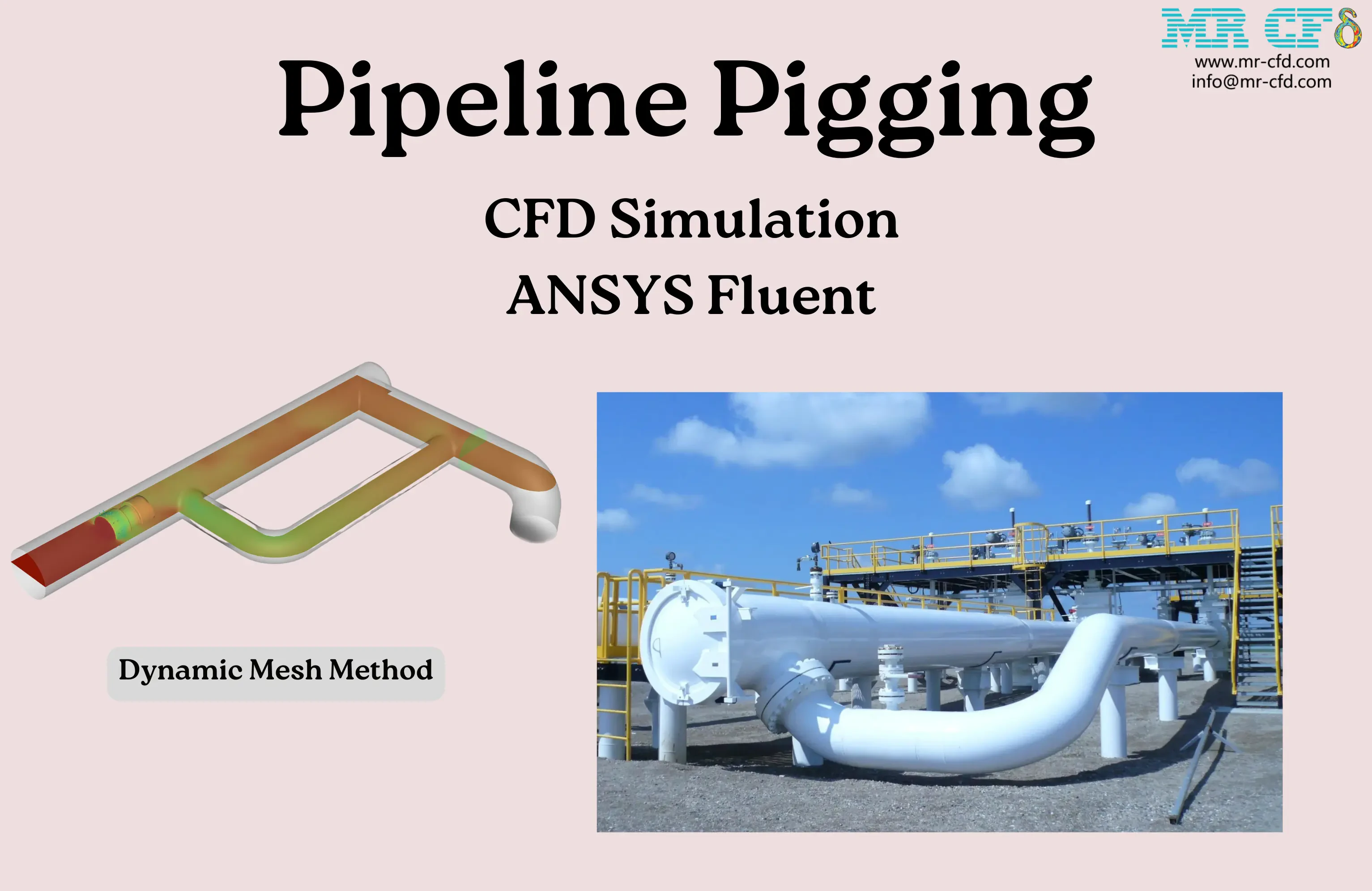
The present problem simulates the pipeline pigging using ANSYS Fluent software. We have designed the geometry using Spaceclaim software and created the mesh on this geometry using ANSYS Meshing software. The mesh type is unstructured with 659,988 cells. The Dynamic Mesh method is used to simulate the motion of pigging into the pipes Remeshing and Smoothing sub-models took over the deforming and regenerating of elements

Bladeless Fan CFD Simulation, ANSYS Fluent
Beginner, Intermediate
Price: $20
In this project, we have simulated performance of a Bladeless Fan using ANSYS Fluent software. Three-dimensional modeling was done using Design Modeler software. The meshing of the model has been done using ANSYS Meshing software and the element number equals 1,927,707. The standard k-epsilon model is used to simulate the turbulence of the flow.